
.png)
Iran bans Azad YouTube show, charges its founder
JournalismPakistan.com | Published: 19 August 2026 | JP Middle East Desk
Join our WhatsApp channel
Iran's judiciary has barred Azad from publishing interviews and opened a criminal case against founder Mehdi Ahmadi, accusing him of spreading false information and operating without press authorization. Ahmadi was summoned, released on bail and barred from media work until licensed.Summary
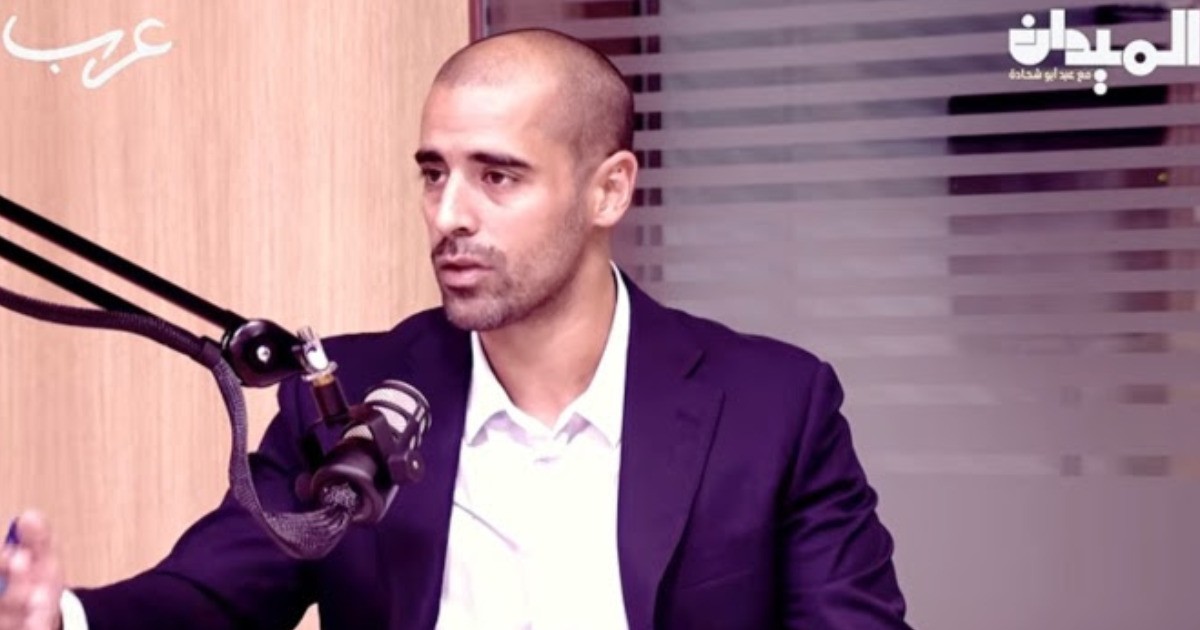
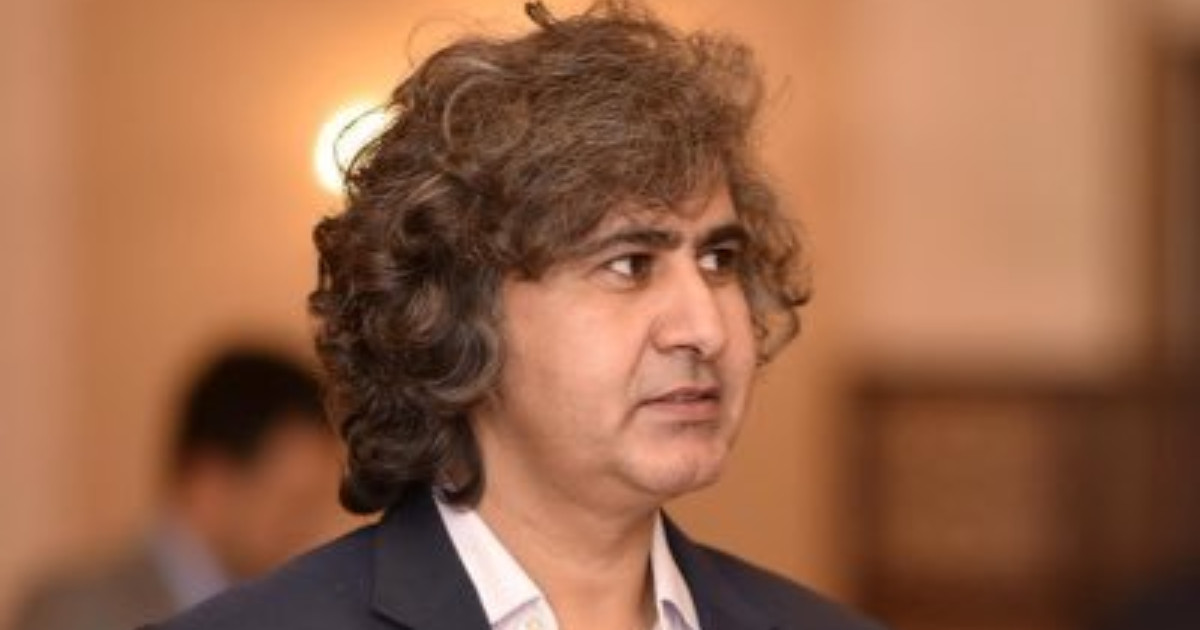
TEHRAN — Iran’s judiciary has barred the popular online debate program Azad from publishing new interviews and opened a criminal case against its founder and host, Mehdi Ahmadi, over allegations of spreading false information and operating an unlicensed media outlet.
Ahmadi said he appeared before prosecutors on August 16 and 17 after receiving a summons accusing him of “spreading falsehoods.” He was released on bail but placed under a judicial order prohibiting him from working in the media until he obtains a license from Iran’s Press Supervisory Board.
Judiciary cites licensing violations
The Tehran Prosecutor’s Office said the case followed an episode containing what it described as false claims. According to the judiciary-affiliated Mizan news agency, investigators determined that Azad was functioning as an internet television platform without authorization from the Press Supervisory Board or the Ministry of Culture and Islamic Guidance.
Judicial officials also accused the program of committing multiple violations of Iranian media regulations during its unlicensed operation. No detailed public account of those alleged violations was provided, and the specific statements that prompted the false-information allegation were not identified in the judiciary’s announcement.
Azad tested boundaries of public debate
Azad developed an audience by hosting extended discussions about political, social and religious issues that receive limited treatment in Iran’s tightly controlled domestic media. The small Tehran-based outlet distributed its programs primarily through YouTube, allowing it to reach viewers beyond conventional Iranian broadcasting and publishing channels.
Ahmadi also helped arrange a July 2025 interview between Iranian President Masoud Pezeshkian and American conservative commentator Tucker Carlson. Contrary to some reports, Azad did not host the interview itself; Ahmadi acted as an intermediary between Carlson and the Iranian president’s team.
The restrictions threaten the outlet’s financial survival because Azad relies on audience support and YouTube revenue. Ahmadi said the prohibition on new interviews would reduce that income to zero and appealed to viewers to continue supporting the program and watching its previously published discussions.
The action comes amid broader restrictions on journalism and public communication during the continuing regional conflict. Since US-Israeli attacks on Iran began on February 28, authorities have imposed severe limits on reporting from affected areas, disrupted internet access and warned citizens against recording sensitive sites or sharing information about military damage. AFP and the Associated Press have documented tighter controls on both domestic and international media.
Iran’s parliament has also advanced legislation that would impose prison terms for unauthorized interviews or cooperation with foreign outlets designated as hostile by the state. The proposal still requires further parliamentary consideration and approval by the Guardian Council before it can become law.
ATTRIBUTION: Based on the Tehran Prosecutor’s Office announcement reported by Mizan on August 17, 2026, Mehdi Ahmadi’s public statement, and reporting by AFP and Iran International.
PHOTO: AI-generated; for illustrative purposes only.
Key Points
- Iran's judiciary has barred the online debate program Azad from publishing new interviews.
- A criminal case was opened against founder and host Mehdi Ahmadi for alleged spreading of false information.
- Investigators said Azad operated as an internet television platform without authorization from press authorities.
- No specific statements cited publicly for the false-information allegation and detailed violations were not disclosed.
- Ahmadi was summoned, released on bail and ordered not to work in media until he obtains a license.
Key Questions & Answers
Why was Azad banned?
Judicial authorities say the program aired content containing alleged falsehoods and that it operated as an internet television platform without required press authorization.
What charges face Mehdi Ahmadi?
Ahmadi is accused of spreading false information and running an unlicensed media outlet; a criminal case has been opened and he was summoned by prosecutors.
Was Mehdi Ahmadi detained?
He appeared before prosecutors, was released on bail, but is subject to a judicial order barring him from media work until licensed.
Did authorities detail the alleged false statements?
No specific public account of the statements cited or the detailed violations has been released by judicial officials.
Relevant Topics
Ask AI: Understand this story your way
AI EnabledDig deeper, ask anything — get instant context, background, and clarity.
Disclaimer: This feature is powered by AI and is intended to help readers explore and understand news stories more easily. While we strive for accuracy, AI-generated responses may occasionally be incomplete or reflect limitations in the underlying model. This feature does not represent the editorial views of JournalismPakistan. For our full, verified reporting, please refer to the original article.