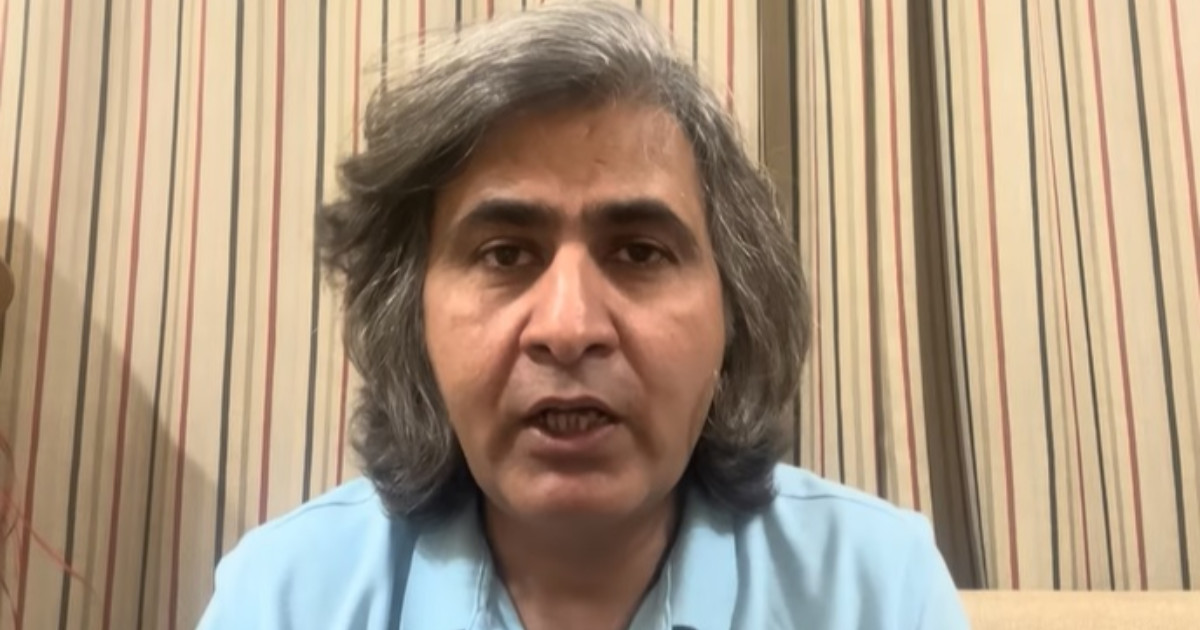


Behind the camera, Pakistan's video journalists struggle
JournalismPakistan.com | Published: 18 August 2026 | Muhammad Faizan Aslam Khan
Join our WhatsApp channel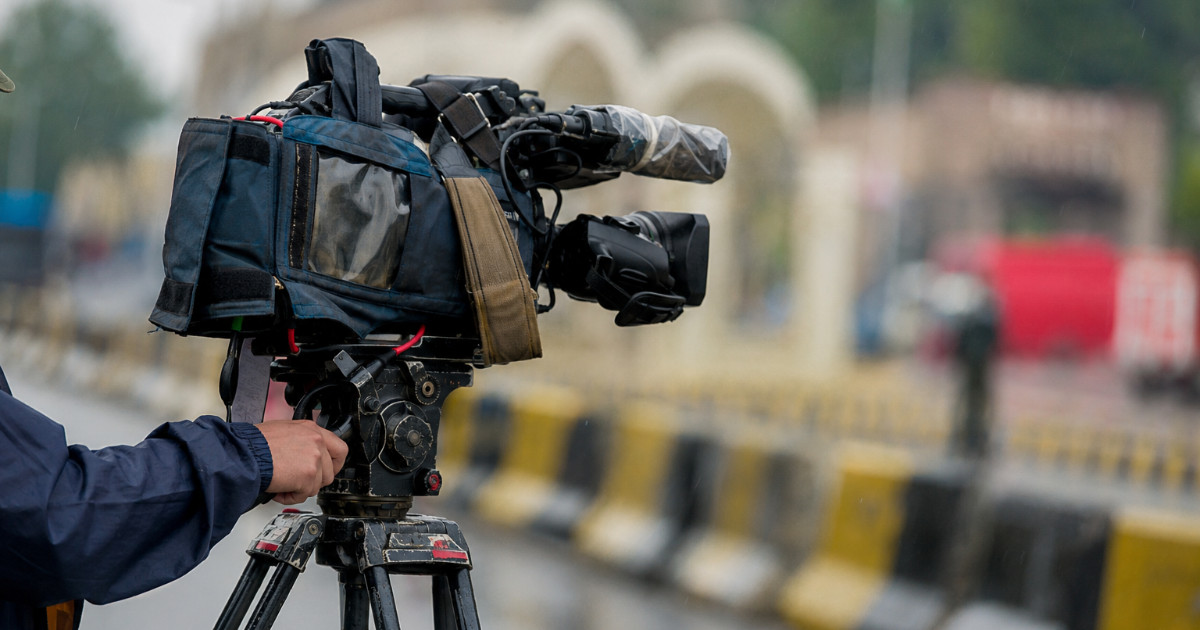
Video journalists in Pakistan, camera operators who provide television pictures, face low salaries, scant benefits and precarious employment despite doing dangerous field work. Many are overworked, underpaid and largely unseen by audiences and officials.Summary
ISLAMABAD — At 7:30 on a winter morning, 34-year-old video journalist Imran Khokhar is already on his aging motorcycle, heading toward Islamabad's Seventh Avenue. The assignment desk wants him there for a live weather report.
He has not had breakfast. His salary, he says, barely covers rent, school fees and fuel. "If the bike breaks down, I borrow money," Khokhar says. "If I fall sick, I still have to report. If I miss an assignment, someone else is ready to take my place."
The invisible backbone of television news
Khokhar earns Rs30,000 a month. The reporters whose stories he shoots often earn considerably more.
His experience reflects a broader struggle among Pakistan's video journalists: the camera operators who provide the pictures that bring television news to life but often work for low salaries, limited benefits and uncertain job prospects.
Television viewers recognize anchors, while politicians and officials know the reporters covering them. Video journalists, however, largely remain behind the scenes despite performing some of the industry's most physically demanding and potentially dangerous work.
They spend hours in extreme heat and cold, carry expensive equipment through crowded streets and political rallies, and are often among the first media workers to arrive at fires, protests, bombings and other breaking-news events.
"Without pictures there is no television," says Raja Ibad, chief cameraman at Neo News and a camera operator with more than 15 years of experience. "But when budgets are cut, technical staff are the first to suffer."
A widening pay gap
Interviews with media workers point to a significant disparity between the compensation and professional treatment of reporters and video journalists.
Entry-level television reporters in major urban centers can earn between Rs50,000 and Rs90,000 a month, according to media workers interviewed for this story, while established reporters may earn considerably more depending on seniority, organization and on-screen profile.
Video journalists interviewed for the story reported monthly earnings ranging from about Rs30,000 to Rs70,000, including some with years of experience. Freelance camera operators can earn less and may not receive health insurance, transportation allowances or other employment benefits.
For workers supporting families amid rising living costs, the pressure is increasingly difficult to manage.
'We cannot run our homes'
Some video journalists have turned to second jobs to supplement their newsroom incomes.
One camera operator in Islamabad said he works for a ride-hailing service after completing newsroom shifts. Another supplements his income by filming corporate and public events.
"I leave home at 10 a.m. and sometimes return after midnight," one cameraman said. He also works as a motorcycle rider to earn additional income because, he said, one job is no longer enough to cover household expenses.
The long hours can mean moving directly from demanding television assignments to other paid work, leaving little time for rest or family life.
Covering danger without adequate protection
Financial insecurity is only part of the problem. Video journalists are routinely required to work at the center of potentially dangerous events because getting close to the action is often essential to capturing television footage.
Journalists covering political demonstrations, violent protests and security incidents can face physical attacks, stone-throwing and other hazards. Video journalists interviewed for the story said adequate protective equipment and insurance are not always available.
Kashif Abbasi, president of the Video Journalists Association, said camera operators are frequently exposed to danger while covering political rallies and violent demonstrations.
Video journalists can be struck by stones or caught in clashes while attempting to capture footage, he said.
The nature of their work can make retreat difficult. Unlike reporters who may be able to observe developments from farther away, camera operators often need to remain close enough to record usable footage.
Some also fear that refusing a dangerous assignment could damage their standing with employers. "If we refuse dangerous assignments, you are labeled uncooperative," one video journalist said.
An industry under pressure
The problems confronting video journalists are unfolding against wider financial pressures across Pakistan's media industry.
News organizations have faced repeated rounds of downsizing, salary delays and cost-cutting in recent years. A 2026 situational analysis by the Rawalpindi-Islamabad Union of Journalists documented concerns over terminations, delayed wages and deteriorating employment protections affecting journalists and other media workers.
Recent layoffs across television newsrooms have affected anchors, reporters, camera operators, assignment staff and other employees, adding to concerns about the long-term stability of media employment.
For video journalists already working on relatively modest salaries, losing a job can be particularly damaging because opportunities elsewhere are limited.
Experience versus cost
Mujtaba Hassan, an HR manager at GTV, says financial constraints are increasingly influencing hiring decisions across the television industry.
According to Hassan, newcomers can now acquire basic camera-operating skills relatively quickly, making them a cheaper option for organizations trying to reduce costs.
"Today, many interns join us with little or no experience. Within just three months, they are capable of working independently in the field," he said. "While they may not be experts, they are able to perform the basic requirements of the job."
Hassan said an experienced camera operator may seek a salary of Rs35,000 to Rs50,000, while a newcomer could be willing to work for around Rs15,000.
The savings may be attractive to financially strained organizations, but Hassan acknowledged that replacing experience with cheaper labor can affect production quality.
The trend also puts downward pressure on salaries and makes career progression more difficult for experienced camera operators.
Few places to go
Limited mobility within the television industry is another source of anxiety.
Hassan cited GTV News as an example, saying its team of nine cameramen had remained largely unchanged for three years because there were few attractive opportunities elsewhere.
"No one is leaving because there are very few opportunities elsewhere," he said. "Even when offers come, the salary increase is often only a few thousand rupees, which is not enough to justify leaving a stable position."
Job security has therefore become more valuable even when salaries stagnate.
Employees may be reluctant to join another organization for a modest salary increase because they fear becoming vulnerable to layoffs if the new employer begins cutting costs.
Hassan said higher-paid employees can also become vulnerable during downsizing. "When an organization starts downsizing, those drawing larger salaries are often the first to be shortlisted for termination."
For experienced video journalists, that creates a difficult equation: years spent developing professional skills may justify higher pay, but higher salaries can also make them more expensive to retain when newsrooms cut budgets.
Behind the pictures
Pakistan's television industry depends on video journalists to provide the images through which audiences experience breaking news, political events, disasters, protests and everyday life.
Yet those behind the camera say recognition has not translated into better salaries, stronger employment protections or greater security.
For workers such as Khokhar, the pressures are immediate rather than abstract. There is another assignment to reach, fuel to buy, household expenses to meet, and equipment to carry.
The pictures will reach television screens across the country.
The person behind the camera may remain unseen.
ABOUT THE WRITER: Muhammad Faizan Aslam Khan has been a journalist since 2021, covering politics, human rights, courts, and climate change.
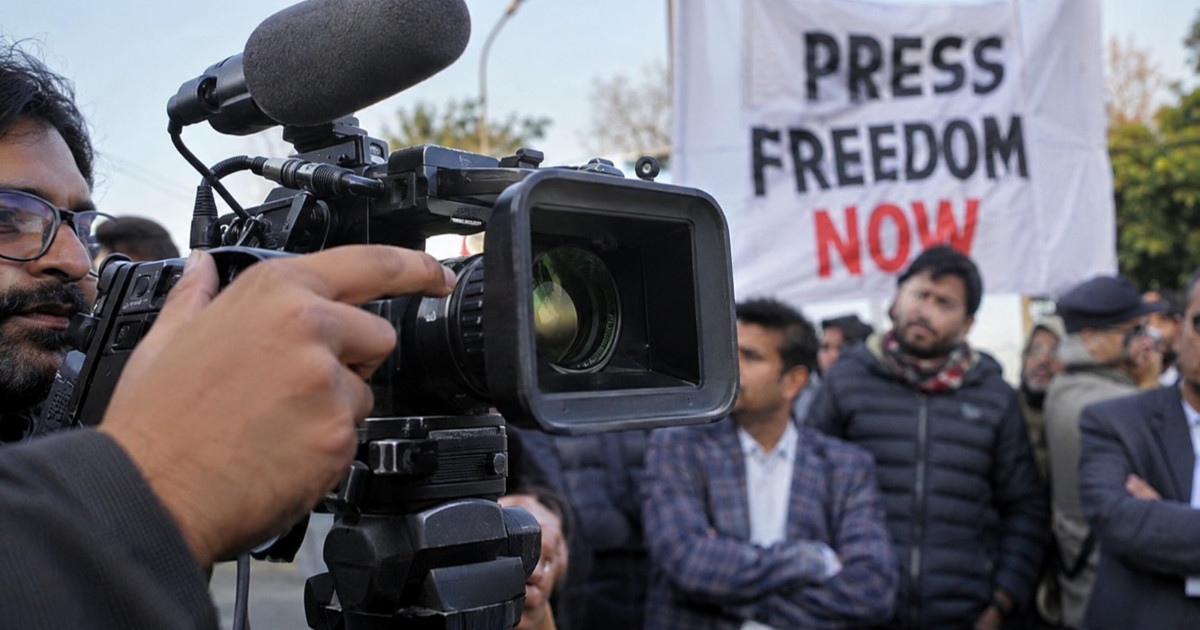
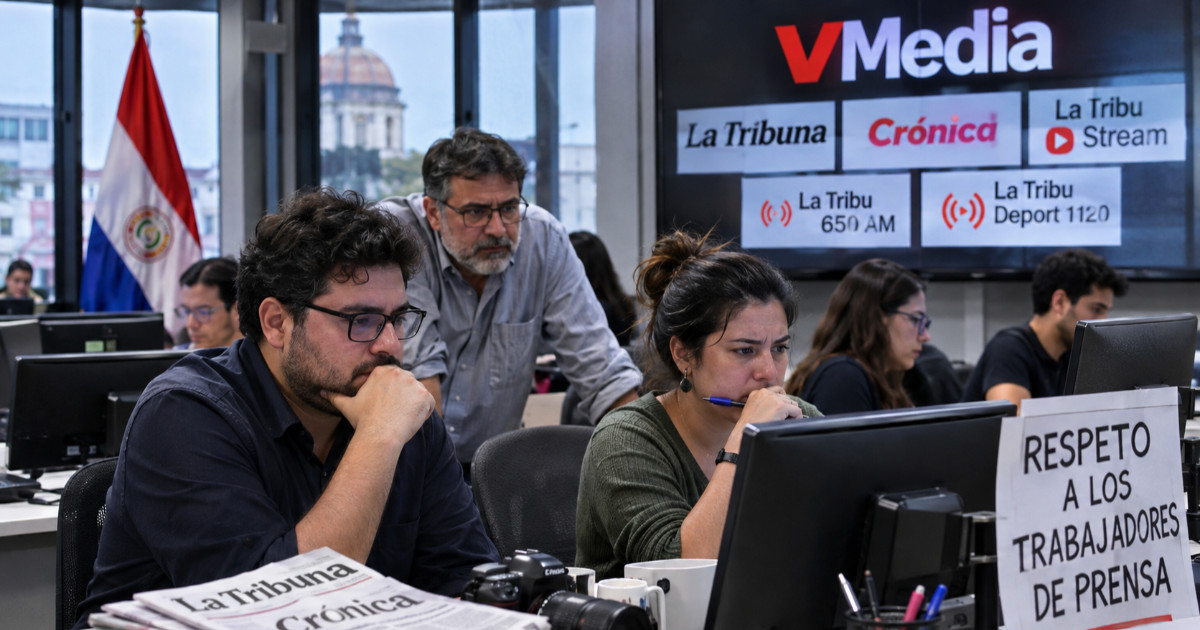
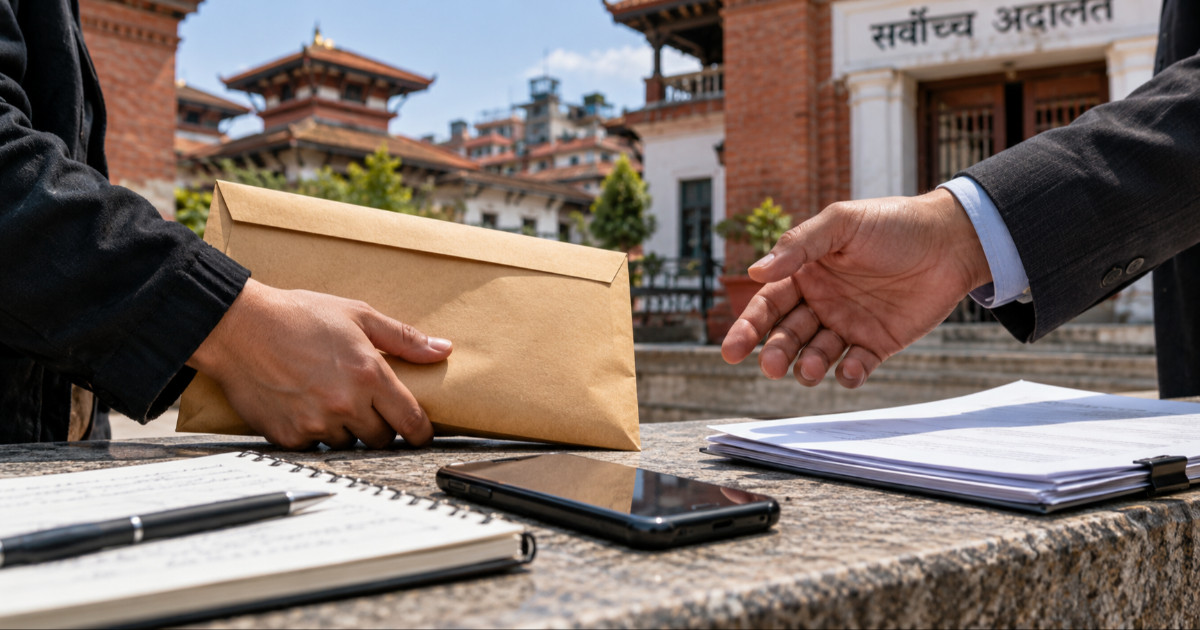
PHOTO: AI-generated; for illustrative purposes only
Key Points
- Video journalists are camera operators who capture television news pictures.
- They often work in dangerous and demanding field conditions.
- Many receive low pay, limited benefits and face precarious employment.
- Technical staff are frequently first on the scene at protests, fires and attacks.
- Camera operators carry costly equipment and bear substantial personal and financial risks.
Key Questions & Answers
Who are video journalists?
They are camera operators who shoot footage for television news and work behind the scenes to provide the pictures viewers see.
What challenges do they face?
Common challenges include low salaries, limited benefits, long hours, health risks and unstable job prospects.
Why are they important to television news?
Without their footage there would be no television news; they record breaking events and provide visual evidence for stories.
What changes could improve their situation?
Better pay, formal benefits, safety equipment, training and greater recognition within media organisations would help.
Ask AI: Understand this story your way
AI EnabledDig deeper, ask anything — get instant context, background, and clarity.
Disclaimer: This feature is powered by AI and is intended to help readers explore and understand news stories more easily. While we strive for accuracy, AI-generated responses may occasionally be incomplete or reflect limitations in the underlying model. This feature does not represent the editorial views of JournalismPakistan. For our full, verified reporting, please refer to the original article.