

Another week of pressure on press freedom
JournalismPakistan.com | Published: 11 October 2026 | JP News Desk
Join our WhatsApp channel
This week brought mounting pressure on press freedom, including alleged torture and detentions in Egypt, a Turkish arrest over contested digital evidence, limits on coverage of Indian protests, US legal battles over press access, and Pakistan's cyber-patrolling.Summary
Editor's note
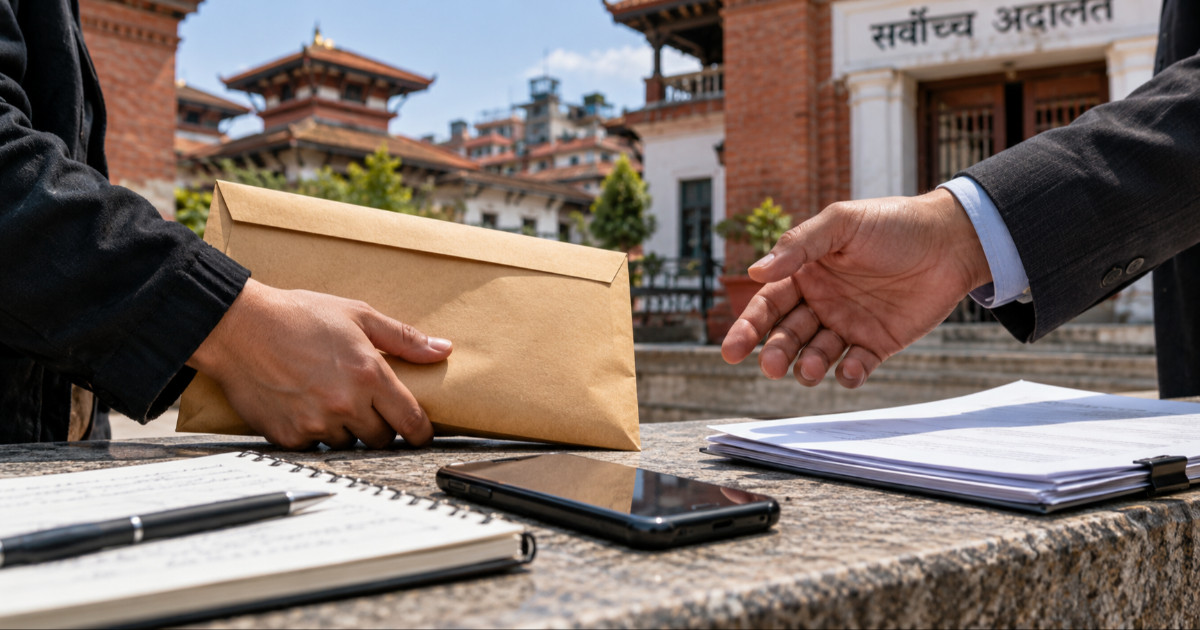
This week’s developments show pressure on journalism taking several forms: the alleged torture of detained Egyptian reporters, the arrest of a Turkish journalist over disputed digital evidence, restrictions on journalists covering protests in India, and renewed legal pressure surrounding White House press access in the United States. Pakistan’s new nationwide cyber-patrolling units also raise questions about the scope and oversight of online monitoring.
There were also consequential institutional developments. India formally notified 13 journalist members to the Press Council, filling the seats that had been vacant. In Myanmar, an independent press body expanded emergency support for exiled journalists. These steps matter, but they do not offset the broader risks documented this week.
Arrests, detentions, and kidnappings
EGYPT— Lawyers said six journalists from the independent outlet Matsadaash told prosecutors on October 4 that they had been tortured and forced to read fabricated “confessions” on camera during secret detention. At least one journalist was referred for a medical examination. Mohamed Ashraf Abu Emeira was remanded for 15 days on terrorism-related and false-news allegations. Separately, journalist Rasha Azab was questioned over a social-media post criticizing the Interior Ministry’s handling of the arrests and released on bail. Egyptian journalists planned a protest over the detentions and torture allegations. (Egyptian Initiative for Personal Rights, October 4–5, 2026; Mada Masr, October 5; The Guardian, October 9; The Washington Post, October 10)
Why it matters: The detention of an entire independent newsroom, followed by allegations of torture and manufactured evidence, marks a severe escalation from censorship to direct coercion. The questioning of Azab also raises concerns about pressure extending to journalists who criticize the authorities’ response.
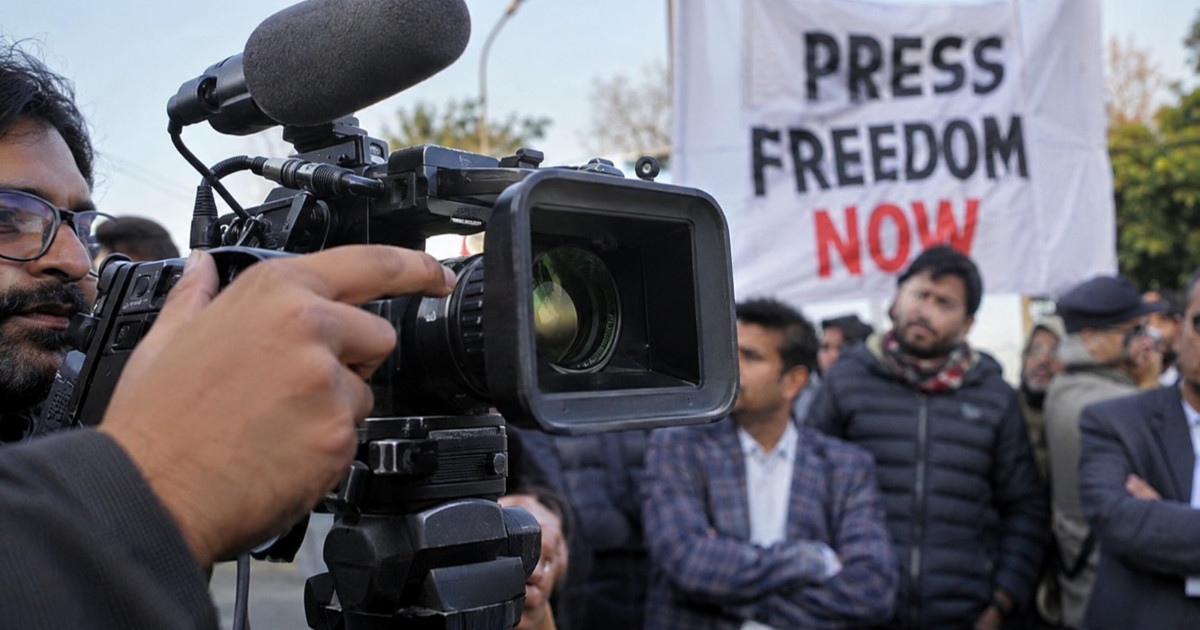
INDIA — A woman journalist who accused a Delhi Police officer of sexual harassment was detained for a second time while demanding that a first information report be registered. At least 17 journalists, YouTubers and supporters were also reportedly detained outside Parliament Street police station. Police said restrictions on public gatherings were in force and transferred complaints from three women journalists to the Crime Branch. On October 11, four journalists’ organizations condemned the detentions and called for accountability and protection for reporters covering protests. (The Indian Express, Scroll and Newslaundry, October 5, 2026; The Times of India, October 11)
Why it matters: Detaining a complainant and media workers seeking police action intensifies concern that journalists covering politically sensitive demonstrations may be treated as protesters and denied effective recourse over alleged misconduct.
TÜRKİYE — Journalist Derya Okatan was jailed pending trial after authorities said they found classified documents on an external hard drive seized in a separate investigation in 2019. Okatan denied knowing about the files and said she first saw them in custody. The Committee to Protect Journalists called for her release and a forensic examination of the drive. (Bianet, October 6, 2026; Committee to Protect Journalists, October 7)
Why it matters: The case raises concerns about the use of disputed digital evidence to detain a journalist, particularly when the device had been in state custody for years.
Legal and regulatory pressure
PAKISTAN — The Balochistan Union of Journalists condemned a PECA case and an NCCIA notice involving Hamad Ali, a Quetta reporter for 92 News. The union said the disputed report relied on a registered first information report and accused authorities of pressuring Ali over his professional work. The precise charge and legal basis have not been publicly disclosed. (BUJ statement, October 7, 2026; Daily Independent, October 8)
Why it matters: The named action against a mainstream television reporter adds to concerns about PECA being used in disputes arising from journalistic reporting. The underlying allegations remain unclear.
Digital rights and online censorship
PAKISTAN — The National Cyber Crime Investigation Agency activated cyber-patrolling units across all regions and created special units to counter what it called “fake news” and “anti-state propaganda.” The agency announced no action against a journalist or media organization, but did not publish definitions, enforcement criteria, oversight arrangements, or an appeal process for the new monitoring structure. (NCCIA public statement, October 4, 2026; Arab News Pakistan, October 4; Dawn, October 5)
Why it matters: Nationwide monitoring based on undefined categories could expose journalism, criticism and contested reporting to greater scrutiny. The impact will become clearer if the agency discloses its procedures or takes action based on information gathered by the units.
TÜRKİYE — At least 1,270 X accounts, including those belonging to journalists, news organizations and civil-society groups, were subjected to access restrictions in September, according to İFÖD. The organization identified underlying decisions for only 115 accounts. Journalist organizations urged X to disclose the legal basis for restrictions and reject disproportionate blocking requests. (İFÖD, October 2 and 5, 2026; European Federation of Journalists, International Federation of Journalists and Turkish Journalists’ Union, October 6)
Why it matters: Blocking entire accounts can prevent journalists from distributing news and limit audiences’ access to independent reporting, often without adequate notice or an accessible legal explanation.
Attacks, threats, harassment, and killings
Bangladesh — Four journalists were among at least 10 people injured when alleged Chhatra Dal activists attacked students and reporters at Rajshahi University on October 4. The university formed a five-member investigation committee the next day and said a police case was being prepared. (The Daily Star and The Business Standard, October 5, 2026)
Why it matters: Violence against reporters documenting political activity on a university campus obstructs newsgathering and risks normalizing attacks on journalists by party-linked groups.
WEST BANK — AFP photographer Jaafar Ashtiyeh was hospitalized after armed Israeli settlers allegedly beat him with rifle butts and stole his camera equipment near Aqraba on October 6. Photographer John Wessels witnessed the assault and was threatened at gunpoint. AFP and the Foreign Press Association called for an investigation. The Israeli military said its soldiers had not identified the reported attack and that the incident was under review. (AFP, October 6, 2026; The Washington Post, October 7)
Why it matters: Assaulting identifiable journalists and seizing their equipment directly obstructs coverage. The reported failure of nearby soldiers to intervene intensifies concerns about impunity and journalist safety in the occupied West Bank.
Access to information and reporting restrictions
UNITED STATES — The White House excluded Politico from the traveling press pool for President Donald Trump’s October 5 trip to Nebraska, despite the outlet being scheduled as the primary print representative. The exclusion came amid a dispute over White House access involving Politico, CNN and MS NOW. On October 10, the Justice Department said it was investigating whether ABC, CBS, CNN, Fox News and NBC violated antitrust law when their television pool temporarily suspended coverage after the administration barred the three outlets. The probe is at an investigative stage; no violation has been established. (White House pool reports and The Washington Post, October 5, 2026; Reuters and Associated Press, October 10)
Why it matters: Selective exclusion can weaken the pool system that gives news organizations a shared record of presidential activity. Investigating broadcasters over their collective response to access restrictions may also add legal pressure to decisions about how the press covers the executive branch.
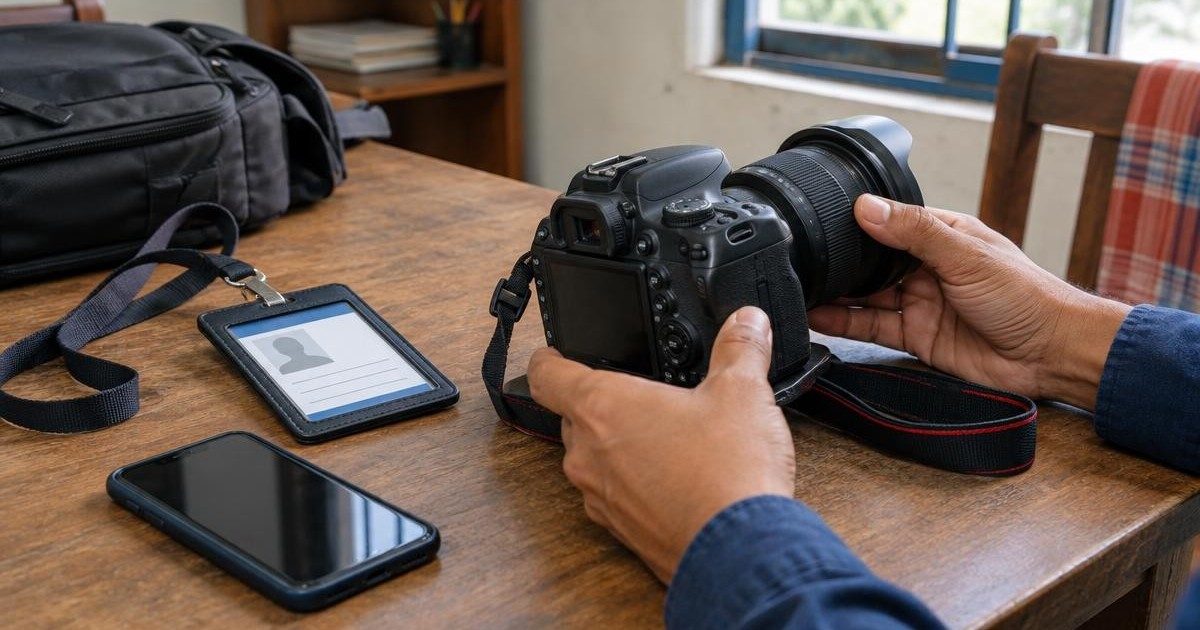
PAKISTAN — A Lahore High Court circular restricts photography and video recording across most of the court premises while exempting the journalists’ designated area. It applies to reporters, lawyers, police, litigants, staff and visitors, and warns of legal action and possible device confiscation. The restrictions follow a similar Sindh High Court circular issued in September. (Dunya News and Daily Pakistan, October 7, 2026; The Express Tribune, October 9; Pakistan Press Foundation, September 25)
Why it matters: With comparable restrictions in two of Pakistan’s largest provinces, court reporters face narrower spaces for visual coverage and potential penalties for recording outside designated areas.
Policy and court developments
UNITED KINGDOM — Three Iranian men are standing trial in London over allegations that they monitored Iran International journalists while preparing for serious violence. Prosecutors say the surveillance included visits to addresses connected to the targets, photographs and video, and online research. All three defendants deny the charges. The defense disputes the purpose and intent of the admitted visits and information gathering. (Reuters and Sky News, October 6, 2026; Crown Prosecution Service, May 17, 2025)
Why it matters: The case highlights the physical-security risks facing journalists working in exile and the potential use of surveillance to intimidate media professionals beyond their home country’s borders.
INDIA — The government formally notified 13 journalist members to the Press Council of India in a gazette notification dated October 7, filling the six newspaper-editor and seven working-journalist seats that had remained vacant. The Council’s October 8 announcement confirmed the reconstitution of its 15th term. (Press Council of India, Gazette Notification No. 5494(E), October 7, 2026; Press Council of India, October 8)
Why it matters: The notification restores journalist representation to the country’s statutory press-freedom body after a prolonged vacancy. It resolves the immediate representation gap, though the delay had left the Council without editor or working-journalist members for nearly a year.
MYANMAR — Deputy Home Affairs Minister Min Thu said authorities had filed cases against people linked to five exiled news outlets and sought international action through Interpol notices, passport revocations and extradition procedures. The identities of those targeted and the status of any notices remain unconfirmed. (Myanmar Now and The Irrawaddy, October 7, 2026)
Why it matters: Exiled journalists could face greater travel and security risks if authorities pursue them through international policing channels. The status of any notices has not been independently confirmed.
PHILIPPINES — The Senate-approved SMART Kids Act would exempt direct news services from its proposed under-18 restrictions but could still prevent minors from using covered social platforms through which news is widely distributed. The bill is not yet law and differs substantially from the House version. (The Philippine Star, October 9, 2026; Philippine House of Representatives records; BusinessWorld, October 6)
Why it matters: Although framed as child-safety legislation, the proposal could indirectly restrict young people’s access to journalism, public-interest reporting and civic discussion on covered platforms.
Press freedom and journalist safety
GLOBAL — The International Federation of Journalists’ report Hacked Silence says legal protections have not kept pace with spyware, bulk interception and cross-border monitoring. Its analysis covers international standards and case studies from 10 countries, including Pakistan and India. (International Federation of Journalists, October 5, 2026)
Why it matters: Digital surveillance can compromise sources and precede harassment, detention or physical harm, extending press-freedom threats beyond visible censorship.
MYANMAR — The Independent Press Council Myanmar launched a program on October 5 offering emergency relocation assistance and support with legal documents for exiled journalists. Applicants must demonstrate recent media work and a current safety or legal-status need. (Independent Press Council Myanmar statement, reported by Development Media Group, October 5, 2026)
Why it matters: Emergency relocation and lawful residency can determine whether threatened journalists remain safe and whether exiled newsrooms can continue reporting on Myanmar.
Press Freedom Review
This week’s 16 developments across 10 jurisdictions and one global report show how threats to journalism can converge: physical violence, detention and disputed criminal cases sit alongside restrictions on access, account blocking and expanded digital monitoring. The most acute cases involve journalists facing immediate personal risk, including the six detained Matsadaash staff in Egypt, Derya Okatan in Türkiye and AFP photographers attacked in the West Bank.
Several entries also show how legal and administrative systems shape the conditions for reporting. The U.S. Justice Department’s inquiry into television networks followed their temporary suspension of White House pool coverage after outlets were excluded. In Pakistan, new cyber-patrolling units and restrictions on court recording warrant scrutiny as their rules and implementation become clearer. The Lahore and Sindh High Court measures point to a broader issue for visual reporting inside court premises.
The week also brought developments in opposite directions. India filled 13 vacant journalist seats on its Press Council, while Myanmar’s independent press body expanded support for exiled journalists. These changes are significant, even as unresolved risks remain across the tracker.
Global context
Press-freedom pressures increasingly operate across borders and through institutions as well as direct attacks. The cases this week range from alleged transnational surveillance of exiled journalists in the United Kingdom and Myanmar’s stated pursuit of media workers through international channels to platform restrictions in Türkiye and the surveillance risks documented by the IFJ.
At the same time, access to information depends on the rules governing public institutions and executive coverage. Court filming restrictions, selective access to presidential travel and proposals affecting young people’s access to news on social platforms can all narrow what audiences see and hear. The formal appointment of journalist members to India’s Press Council and emergency assistance for exiled Myanmar journalists show that institutional representation and practical support can help protect the conditions journalism needs.
SUGGESTED TAGS: Press Freedom Tracker, press freedom, journalist safety, arrests of journalists, attacks on journalists, legal pressure, digital surveillance, online censorship, access to information, reporting restrictions, media regulation, Pakistan media, India press freedom, Egypt, Türkiye, Bangladesh, West Bank, United States, Myanmar, Philippines
ATTRIBUTION: Compiled and analyzed by JournalismPakistan.
ABOUT THIS TRACKER: The Press Freedom Tracker is a weekly product of JournalismPakistan.com, published every Sunday. Read previous editions here.
Key Points
- Allegations that six Egyptian journalists were tortured and forced to read confessions during secret detention, prompting planned protests and medical referrals.
- A Turkish journalist was arrested amid disputed digital evidence, raising concerns over digital forensics and due process.
- Journalists faced restrictions covering protests in India while US news access to the White House drew renewed legal scrutiny.
- Pakistan launched nationwide cyber-patrolling units, prompting questions about scope, oversight and online monitoring of reporters.
- Institutional moves included India filling vacant Press Council journalist seats and Myanmar's independent press body expanding emergency support for exiled journalists.
Key Questions & Answers
What are the main threats to press freedom reported this week?
Reported threats include alleged torture and secret detention, arrests linked to digital evidence, legal restrictions on reporting, and expanded state online surveillance and monitoring.
Which countries were highlighted in these developments?
Key countries mentioned are Egypt, Turkey, India, the United States and Pakistan, with an institutional support update from Myanmar.
What is Pakistan's new cyber-patrolling initiative?
Authorities have set up nationwide cyber-patrolling units to monitor online activity, raising concerns about their remit, transparency and impact on journalists and online expression.
Were there any positive institutional steps noted?
Yes: India formally notified 13 journalist members to the Press Council, and Myanmar's independent press body expanded emergency support for exiled journalists, though risks remain.
Relevant Topics
Ask AI: Understand this story your way
AI EnabledDig deeper, ask anything — get instant context, background, and clarity.
Disclaimer: This feature is powered by AI and is intended to help readers explore and understand news stories more easily. While we strive for accuracy, AI-generated responses may occasionally be incomplete or reflect limitations in the underlying model. This feature does not represent the editorial views of JournalismPakistan. For our full, verified reporting, please refer to the original article.