.png)
CPJ, Getty demand Iran free photojournalist Majid Saeedi
JournalismPakistan.com | Published: 24 November 2026 | JP Middle East Desk
Join our WhatsApp channel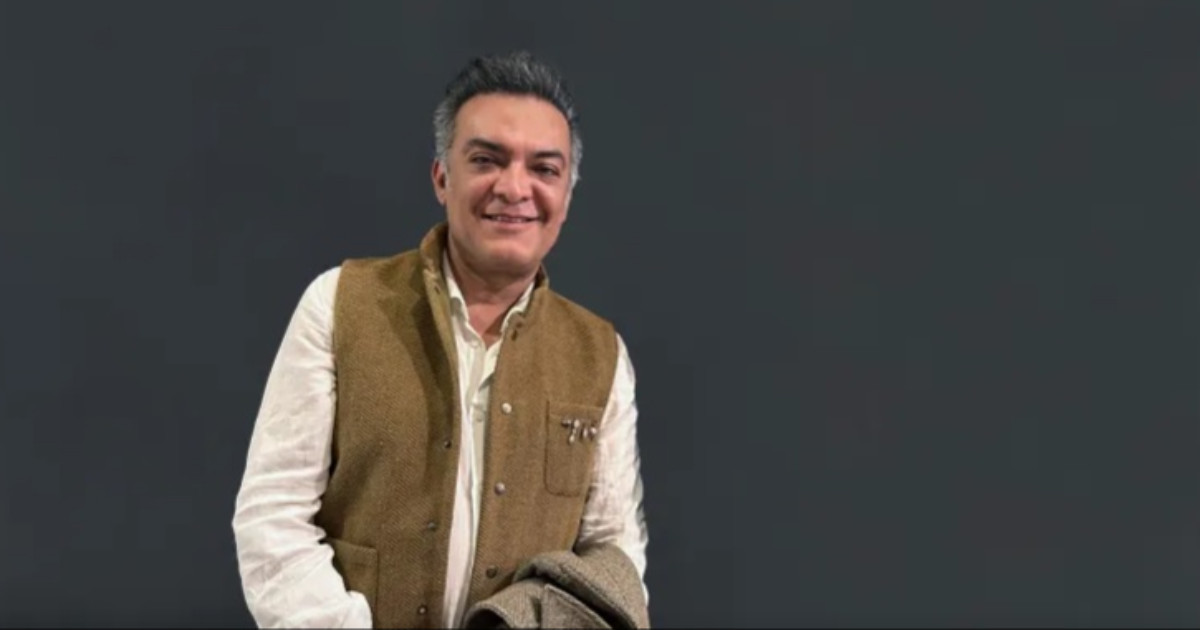
CPJ and Getty Images have urged Iran to immediately release photojournalist Majid Saeedi, detained since Sept. 9 without public charges; authorities have not confirmed his location or informed his family despite appeals from peers and rights groups.Summary
TEHRAN — The Committee to Protect Journalists (CPJ) and Getty Images on Tuesday called for the immediate and unconditional release of award-winning Iranian photojournalist Majid Saeedi, who has been in detention for more than two months without any publicly disclosed charges.
Saeedi, a veteran freelance photographer and longtime contributor to Getty Images, was arrested by security forces at his Tehran residence on September 9. Despite repeated efforts to obtain information, Iranian authorities have not officially identified the agency holding him or confirmed his whereabouts.
Uncertainty over detention
In a joint statement issued on November 24, CPJ and Getty Images said Saeedi was believed to be in custody in Kerman, southeastern Iran, although his location had not been officially confirmed.
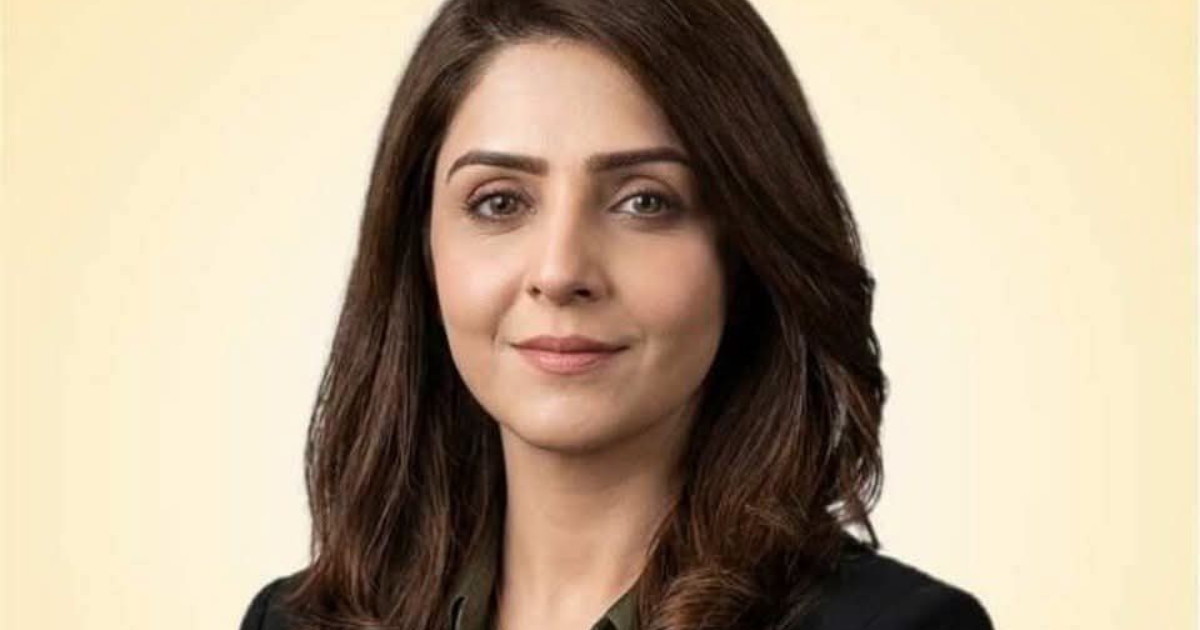
CPJ Regional Director Sara Qudah expressed concern over the lack of information provided to Saeedi's family regarding his detention and safety. Pancho Bernasconi, Getty Images' vice president of global news, also called on Iranian authorities to account for the photographer's whereabouts and release him.
Earlier appeals for release
The latest intervention follows appeals from Iran's own photojournalism community. On September 23, IranWire reported that the Iranian Association of Press Photographers had urged judicial authorities to disclose Saeedi's whereabouts, clarify the accusations against him and secure his release.
CPJ had also called for his release on September 28. The absence of official clarification nearly two months after that appeal raises continuing concerns about transparency, legal accountability and the treatment of journalists in state custody.
A history of arrests
Saeedi has faced detention on several occasions during his career. He was arrested in 2009 during a crackdown on journalists following Iran's disputed presidential election.
In 2021, security forces detained him while he was photographing camps accommodating Afghan refugees in Iran's West Azerbaijan province. CPJ reported that he had obtained authorization to cover the camps.
In June 2025, police arrested Saeedi while he was documenting the aftermath of an Israeli strike on the headquarters of Iran's state broadcaster. He was released the following day after a judge established that he held valid press credentials and authorization to work.
Internationally recognized work
Saeedi has earned international recognition for his documentary photography, particularly his coverage of Afghanistan and the consequences of prolonged conflict for civilians.
His professional honors include the Robert F. Kennedy Journalism Award and a Lucie Award. In 2013, he received second prize in the Contemporary Issues category of the World Press Photo Contest.
His documentary project, Life in War, which explored the experiences of ordinary Afghans affected by decades of conflict, received the 2014 FotoEvidence Book Award.
Wider pressure on Iranian media
Saeedi's detention comes against a backdrop of sustained restrictions on independent journalism in Iran. CPJ has documented criminal prosecutions, lengthy prison sentences and professional restrictions affecting journalists.
Among those imprisoned are Iranian-American journalist Reza Valizadeh, who is serving a 10-year sentence, and photojournalist Artin Ghazanfari, who received a 26-year sentence.
The uncertainty surrounding Saeedi's detention also highlights the professional vulnerability of freelance photojournalists working on politically sensitive assignments, including those contributing to international news organizations.
CPJ and Getty Images have urged Iranian authorities to end the persecution of journalists, release those imprisoned for their professional work, and provide necessary medical care to journalists in custody.
As of November 24, Iranian authorities had not publicly clarified the legal grounds for Saeedi's continued detention.
ATTRIBUTION: Based on a joint statement issued by the Committee to Protect Journalists and Getty Images on November 24, 2026. Additional background draws on CPJ's case documentation and September 28 statement, IranWire's September 23 reporting, and professional profiles published by World Press Photo and FotoEvidence.
PHOTO: Handout photo via Getty Images, published by the Committee to Protect Journalists (CPJ).
Key Points
- Majid Saeedi, an award‑winning freelance photographer, was arrested at his Tehran home on Sept. 9.
- He has been detained for more than two months with no publicly disclosed charges.
- CPJ and Getty Images issued a joint statement calling for his immediate and unconditional release.
- Authorities have not officially confirmed his location; family and colleagues remain uninformed despite appeals.
Key Questions & Answers
Who is Majid Saeedi?
Majid Saeedi is an award‑winning Iranian freelance photojournalist and longtime contributor to Getty Images.
What are CPJ and Getty Images demanding?
They are calling for Saeedi's immediate and unconditional release and for authorities to account for his whereabouts.
How long has he been detained and what are the charges?
Saeedi was arrested on Sept. 9 and has been held for more than two months; Iranian authorities have not publicly disclosed any charges.
Have others appealed for his release?
Yes. Iran's photojournalism community, including the Iranian Association of Press Photographers, and rights groups have also urged authorities to clarify his status and release him.
Ask AI: Understand this story your way
AI EnabledDig deeper, ask anything — get instant context, background, and clarity.
Disclaimer: This feature is powered by AI and is intended to help readers explore and understand news stories more easily. While we strive for accuracy, AI-generated responses may occasionally be incomplete or reflect limitations in the underlying model. This feature does not represent the editorial views of JournalismPakistan. For our full, verified reporting, please refer to the original article.