

Five questions Pakistan's media owners must answer
JournalismPakistan.com | Published: 24 November 2026 | JP Staff Report
Join our WhatsApp channel
JournalismPakistan examines five questions media owners must answer as journalists protest delayed wages, layoffs and bureau closures; it asks why salaries are unpaid, how editorial independence is protected, and whether owners will invest to sustain journalism.Summary
JP FIVE | EDITION 02 |
Media owners control the resources, employment policies, and business decisions that shape journalism. As Pakistani journalists face unpaid salaries, newsroom closures, and job insecurity, JournalismPakistan examines five questions about the responsibilities of news organizations' owners and operators.
ISLAMABAD — Media owners exercise considerable influence over the news industry. Their decisions determine how journalists are employed, how newsrooms are financed, whether regional bureaus remain open, and how much freedom editors have to make independent judgments. Yet the responsibilities that accompany media ownership often receive less attention than the difficulties confronting the industry.
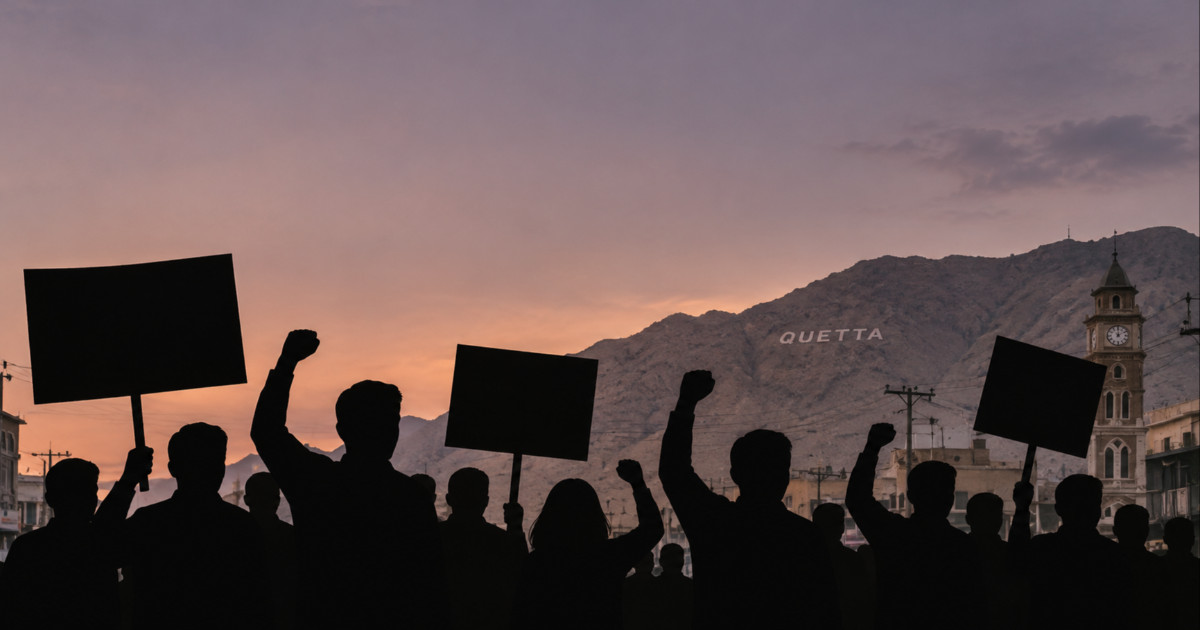
Recent developments have brought those responsibilities into sharper focus. On November 23, journalists in Quetta began a two-day protest against bureau closures, layoffs, and unpaid salaries. Earlier, a National Assembly committee demanded a plan to address delayed wages and job losses. These disputes raise five fundamental questions about how media organizations treat their employees, protect editorial independence, invest in journalism, and account for their decisions.
1. Why are journalists not paid on time?
Paying employees regularly is among the most basic responsibilities of any business. Yet delayed salaries have become a recurring problem in Pakistan's media industry, leaving journalists and other media workers struggling to meet household expenses while continuing to perform their professional duties.
The issue has repeatedly reached Parliament. On November 10, 2026, the National Assembly Standing Committee on Information and Broadcasting expressed serious concern over unpaid salaries and increasing layoffs. It directed the information ministry to prepare a comprehensive report and a plan to address the problem within 15 days.
During the meeting, the information secretary told lawmakers that the government was regularly releasing payments owed to media organizations. The committee questioned why employers were nevertheless failing to meet their obligations to workers.
Media organizations may face genuine cash-flow problems, falling advertising revenues and rising operating costs. But these difficulties do not remove their responsibility to pay employees for work already performed.
Owners should be able to explain why wages are delayed, how much remains outstanding and what arrangements exist to clear arrears. Without such transparency, employees bear the consequences of financial decisions over which they have little control.
2. What happens to journalists when newsrooms close?
News organizations sometimes need to restructure operations, reduce costs, or discontinue services that are no longer financially viable. But decisions to close bureaus or eliminate positions have consequences that extend beyond the organizations themselves.
In Balochistan, the closure of television news bureaus has become a major concern for journalists and their unions. A resolution adopted by the provincial assembly on November 20 identified 11 closed television bureaus and referred to more than 122 media workers who had lost their jobs through closures and downsizing.
The Balochistan Union of Journalists began a two-day protest in Quetta on November 23, demanding the reopening of bureaus and the reinstatement of dismissed employees. The campaign also highlighted unpaid salaries and deteriorating employment conditions.
Media owners should have clear procedures for informing employees about restructuring, settling outstanding dues, and ensuring that dismissals comply with applicable employment requirements.
There is also a wider public-interest concern. Closing a bureau may reduce operating expenses, but it can also eliminate regular reporting from an entire region. Communities lose professional coverage of local government, public services, security and other matters affecting their lives.
3. How independent are editors from ownership interests?
Media ownership carries commercial interests, political relationships and financial obligations that can create conflicts with editorial independence.
A newspaper, television channel or digital news platform may depend on major advertisers, government advertising or investments linked to its owners. These relationships do not automatically compromise journalism, but they can create pressures when editorial coverage threatens important business interests.
The central issue is whether editors have the authority to make news judgments without interference. Can a newsroom investigate a major advertiser? Can journalists critically examine a company connected to the owner? Can editors publish an uncomfortable story without first obtaining management's approval?
Editorial independence requires more than public declarations about professional standards. It depends on clear boundaries between commercial management and editorial decision-making, transparent policies on conflicts of interest, and protection for journalists reporting matters of legitimate public concern.
Media owners have every right to establish the broad editorial identity of their publications. But when individual news decisions are shaped by undisclosed commercial or political considerations, audiences may struggle to distinguish independent reporting from the interests of those controlling the organization.
4. Are owners investing in journalism or merely cutting costs?
Pakistan's news industry is undergoing major changes as audiences move toward digital platforms, advertising patterns shift, and traditional revenue models come under pressure.
Reducing expenditure may provide short-term relief, but repeated cuts to reporting teams, editorial staff, and regional coverage can weaken the very product that news organizations depend upon.
A newsroom cannot sustain credible journalism without reporters who gather information, editors who verify and assess it, and the resources needed to investigate matters that may take weeks or months to establish.
Digital technology and artificial intelligence can help organizations improve efficiency, distribute content, and manage routine tasks. However, automation is not a substitute for original reporting, independent verification or experienced editorial judgment.
Media owners should therefore be prepared to explain their investment priorities. How much is being spent on reporting and professional development? Are journalists receiving appropriate training? Are regional operations being strengthened or gradually withdrawn?
The question is not whether media organizations should embrace technology or seek financial efficiency. It is whether their business strategies are building sustainable journalism or progressively reducing their ability to produce it.
5. Who holds media owners accountable?
Journalists routinely examine the conduct of governments, corporations, public institutions and powerful individuals. Media organizations are expected to demand transparency and accountability from others.
The same principles should apply to those who own and manage news organizations.
Media accountability is often discussed in terms of accuracy, ethical reporting and regulatory compliance. Less attention is paid to workplace practices, salary obligations, employment contracts, dismissals and the relationship between ownership and editorial management.
Pakistan has labor laws, regulatory mechanisms, professional organizations and journalist unions intended to protect media workers. Yet recurring protests over unpaid wages and job losses raise questions about how effectively existing obligations are enforced.
Parliamentary scrutiny has brought these concerns into public view, but hearings and statements alone cannot resolve long-standing employment problems. Effective accountability requires reliable information about outstanding wages, compliance with employment requirements and accessible mechanisms through which workers can seek remedies.
Media owners should be willing to explain their employment policies, financial commitments to staff and safeguards for editorial independence. Greater transparency would benefit not only journalists but also audiences seeking confidence in the institutions providing their news.
The responsibility that comes with ownership
Owning a media organization is not the same as owning an ordinary commercial enterprise. Newspapers, broadcasters and digital news platforms influence public debate, investigate institutions and help citizens make informed decisions.
They are also businesses that must remain financially viable. Advertising pressures, technological change and rising costs present genuine challenges, and no responsible assessment of media ownership can ignore those realities.
But financial sustainability cannot be separated from the treatment of employees, the quality of journalism and the independence of editorial decisions.
The five questions examined here are not allegations against particular owners or organizations. They concern the standards by which any media enterprise claiming to serve the public should be prepared to judge itself.
For Pakistan's media industry, the larger issue is not simply whether news organizations can survive difficult economic conditions. It is whether they can survive while honoring their responsibilities to the journalists they employ and the audiences they serve.
ATTRIBUTION: Researched and produced by JournalismPakistan, drawing on its reporting on media employment, unpaid wages and newsroom closures from November 10–23, 2026; the National Assembly Standing Committee on Information and Broadcasting's November 10 statement; the Balochistan Assembly's November 20 resolution, as reported by Dawn on November 21; and the International Federation of Journalists' Pakistan Press Freedom Report 2025–26.
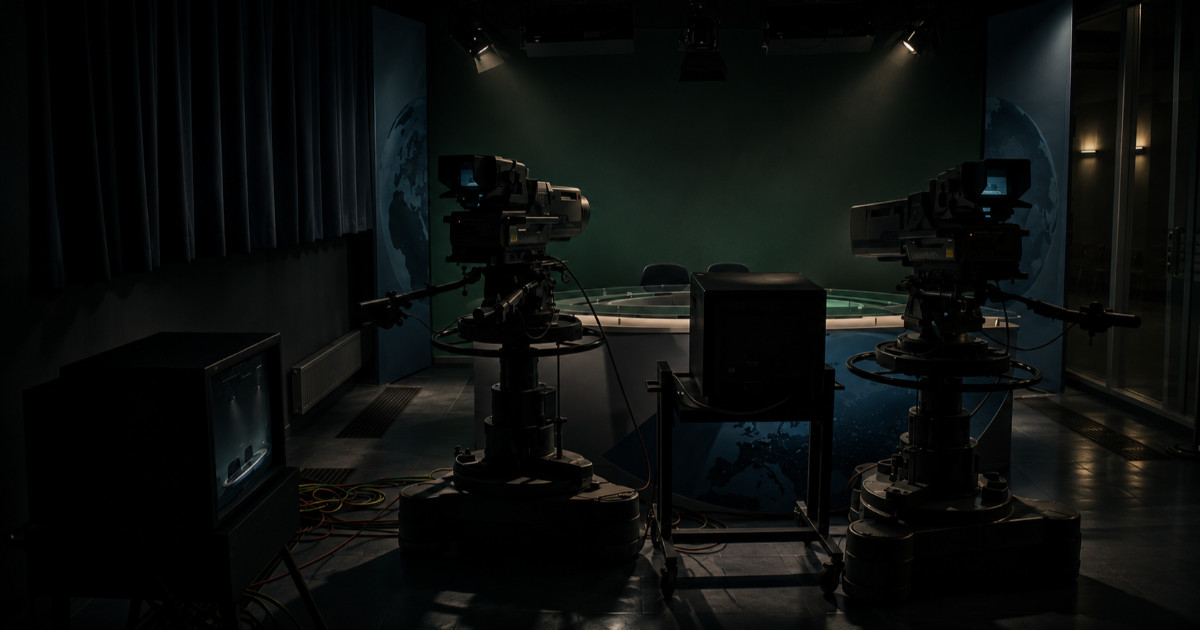
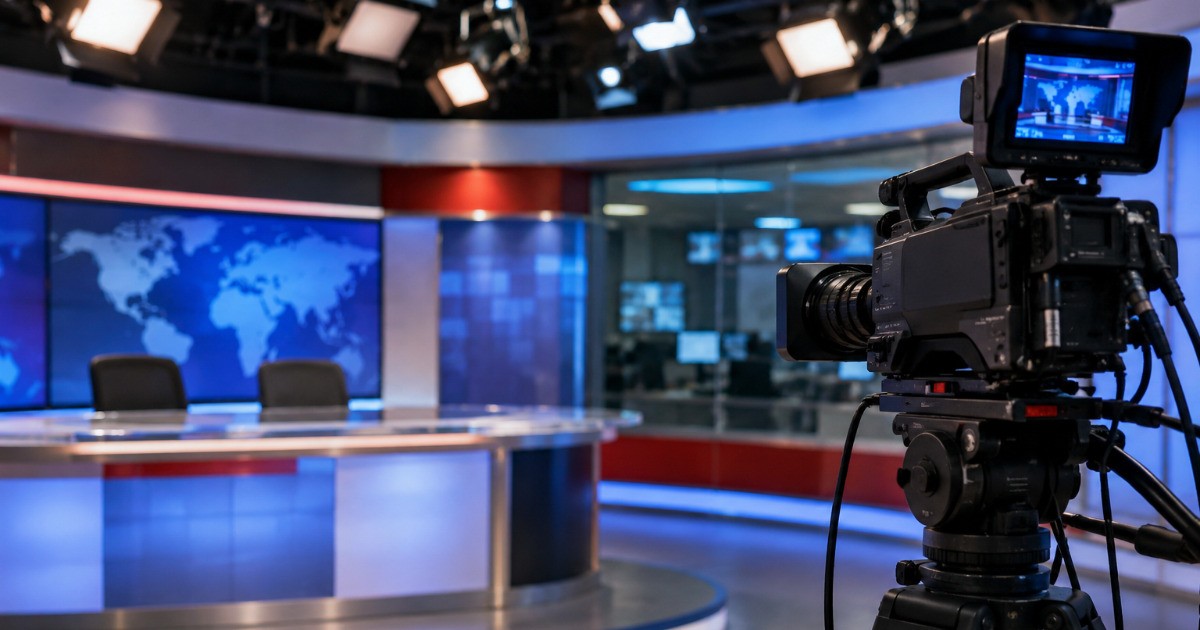
PHOTO: Behind every news screen are ownership decisions that shape the quality, independence and future of journalism.
Key Points
- Media owners control hiring, funding and strategic decisions that shape newsrooms.
- Delayed salaries have left many journalists financially vulnerable across Pakistan.
- Newsroom closures and layoffs have triggered local protests and parliamentary scrutiny.
- Editorial independence is threatened when owners interfere with newsroom judgment.
- Greater investment and transparent accountability are needed to sustain journalism.
Key Questions & Answers
Why are journalists not paid on time?
Owners cite financial strain, declining revenues and restructuring, but persistent delays point to weak financial management and lack of transparent accountability.
What responsibility do media owners have for newsroom closures and layoffs?
Owners decide funding and staffing; they must balance business viability with obligations to employees and the public interest in diverse news coverage.
How can editorial independence be protected from owner influence?
Clear editorial policies, independent editors, contractual protections and transparent governance can reduce undue influence and preserve newsroom autonomy.
What steps can improve conditions for journalists?
Consistent pay practices, renewed investment in local bureaus, dialogue with staff and regulatory oversight can help address unpaid wages and job insecurity.
Ask AI: Understand this story your way
AI EnabledDig deeper, ask anything — get instant context, background, and clarity.
Disclaimer: This feature is powered by AI and is intended to help readers explore and understand news stories more easily. While we strive for accuracy, AI-generated responses may occasionally be incomplete or reflect limitations in the underlying model. This feature does not represent the editorial views of JournalismPakistan. For our full, verified reporting, please refer to the original article.