
.png)
Press freedom under pressure as detentions and threats persist
JournalismPakistan.com | Published: 8 November 2026 | JP News Desk
Join our WhatsApp channel
Press freedom faced intensifying pressure this week as journalists encountered detentions, legal actions, intimidation and safety threats, while media outlets endured economic disruption and AI-related risks, underscoring urgent need for protection and accountability.Summary
Editor’s note
Press freedom came under pressure on several fronts this week, with journalists facing detention, criminal proceedings, intimidation and threats to their safety, while media organizations confronted economic uncertainty and growing questions about editorial independence.
The week's developments also demonstrated that threats to journalism are not confined to governments or armed conflict. In Paraguay, a banking crisis disrupted several media operations and left employees without pay. In Somalia, a new survey revealed alarming levels of insecurity among women journalists. In the United States, journalists challenged the deployment of artificial intelligence tools they believed could compromise the accuracy of their reporting.
There were significant legal and institutional developments. In Pakistan, the International Federation of Journalists welcomed progress in the Mureed Abbas murder case, while other journalists continued to face cybercrime proceedings. In Hungary, international press freedom organizations reported encouraging initial reforms, emphasizing that restoring independent media institutions requires sustained political commitment and effective safeguards.
The detention and subsequent release of Palestinian journalist Abed Abu Shehadeh, the reported police restrictions imposed on Cuban journalist Yoani Sánchez, and the killing of a photojournalist in Yemen reinforced the continuing importance of protection, due process and accountability.
This edition also marks the International Day to End Impunity for Crimes against Journalists, observed on November 2. Its central message remains urgent: documenting violations matters, but meaningful protection ultimately depends on independent investigations, transparent legal processes and accountability for those responsible.
Arrests, detentions, and kidnappings
PALESTINE/ISRAEL — Israeli authorities detained four Palestinian journalists between November 1 and 4, according to the Committee to Protect Journalists. Montaser Nassar and Hazem Nasser were released after several hours, while Samer Khuwaira and Abed Abu Shehadeh remained in custody when CPJ issued its November 5 alert. The organization reported allegations of mistreatment and intimidation during detention. Abu Shehadeh was subsequently released on November 8 after five days in custody, with no charges filed. (Committee to Protect Journalists, November 5, 2026; The Jerusalem Post, November 8, 2026)
Why it matters: The detentions raise concerns about the treatment of journalists, the use of security investigations involving journalistic activity, and safeguards against arbitrary deprivation of liberty.
CHINA — Imprisoned journalist Dong Yuyu was ordered to resume clothing-production work for approximately 40 hours a week after undergoing cancer surgery, his family told the Committee to Protect Journalists. CPJ called for his release on humanitarian grounds and reiterated its objections to the espionage conviction under which he remains imprisoned. (Committee to Protect Journalists, November 3, 2026)
Why it matters: Requiring a seriously ill imprisoned journalist to resume prison labor raises concerns about humane treatment, medical care and the conditions under which detained journalists are held.
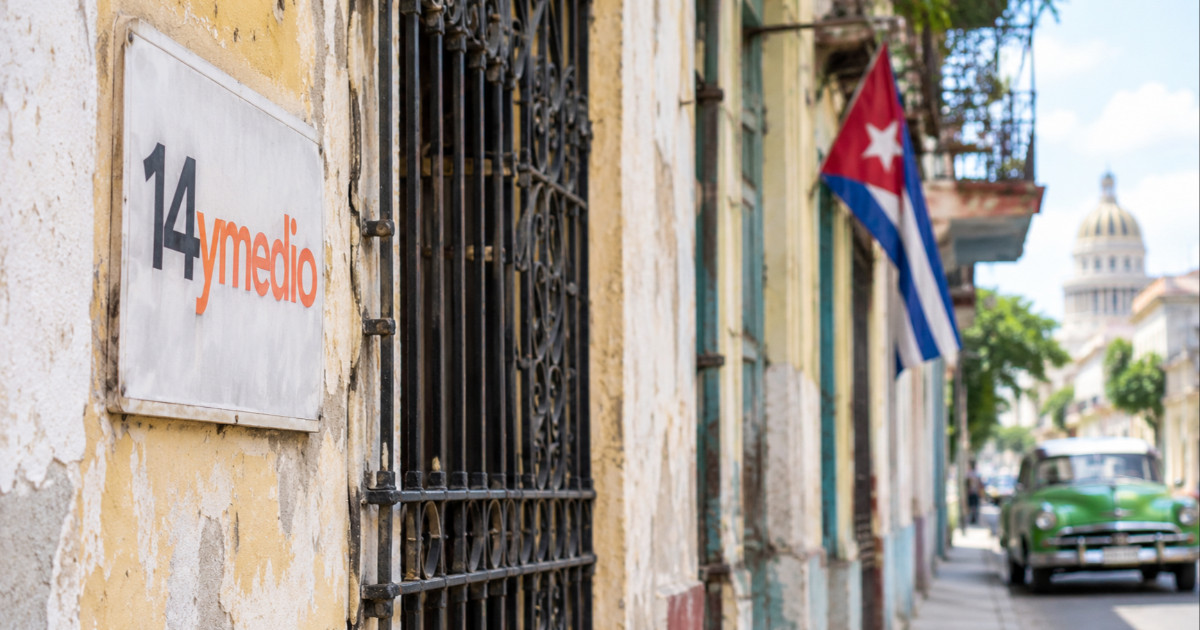
CUBA — Independent journalist and 14ymedio founder Yoani Sánchez said authorities detained her for nine hours on November 5 and accused her of several offenses, including propaganda against the constitutional order. Following her release, Sánchez reported on November 6 that police stationed outside her Havana apartment prevented her from leaving. Formal criminal charges have not been independently confirmed. (AFP, November 6, 2026; 14ymedio, November 5–6, 2026; Committee to Protect Journalists, November 5, 2026)
Why it matters: The reported accusations and restrictions on movement illustrate how detention, legal threats, and police surveillance can constrain independent journalism even after a reporter has been released.
Attacks, threats, harassment, and killings
YEMEN — Freelance photojournalist Abdulrahman al-Houri was killed while filming frontline fighting in southern Marib, according to the Yemeni Journalists Syndicate. The organization called for an investigation into his death and stronger protections for journalists working in conflict zones. The precise circumstances and responsibility for his killing remain unresolved. (Anadolu Agency, November 8, 2026)
Why it matters: The death underscores the extreme risks facing journalists covering armed conflict and the importance of independent investigations into fatalities involving media workers.
IRELAND — Bomb threats targeting major Irish media organizations on November 6 disrupted broadcasting and forced journalists and other employees to evacuate their workplaces. RTÉ, Newstalk, Today FM and the Irish Independent were among the affected organizations. Police subsequently cleared the premises, allowing staff to return. No explosive devices were reported, and the perpetrators had not been identified. (RTÉ, November 6, 2026)
Why it matters: Threats against news organizations endanger employees, interrupt reporting and broadcasting, and test the ability of media institutions to maintain essential services during security emergencies.
LUXEMBOURG — Investigative journalist Véronique Poujol of Reporter.lu has faced an online campaign targeting her reputation, according to the International and European Federations of Journalists. The Luxembourg Association of Professional Journalists condemned the campaign on November 3, and Poujol filed a complaint. Press freedom groups also raised the case through the Council of Europe's Platform for the Safety of Journalists. (International Federation of Journalists and European Federation of Journalists, November 5, 2026)
Why it matters: Coordinated attacks on a journalist's reputation can undermine public confidence in independent reporting and discourage investigations into matters of public interest.
Investigations and accountability
PAKISTAN — The International Federation of Journalists welcomed the conviction of Atif Zaman in the 2019 murders of television anchor Mureed Abbas and his friend Khizar Hayat. Zaman was convicted in July 2026, while his brother and co-accused, Adil Zaman, was arrested on October 27 after years at large. In its November 3 statement, the IFJ welcomed progress towards accountability while reiterating its opposition to the death penalty. The killings were linked by investigators to a financial dispute. (International Federation of Journalists, November 3, 2026)
Why it matters: The case illustrates the long delays that can accompany investigations and trials involving murdered journalists, even when the evidence does not establish a professional motive.
Legal and regulatory pressure
PAKISTAN — Three journalists in Balochistan, Agha Obaid, Maqbool Jafar and Sana Achakzai, reportedly face cases under the Prevention of Electronic Crimes Act (PECA). Voicepk Urdu reported that their homes had been raided but that none had been arrested as of November 5. (Voicepk Urdu, November 5, 2026)
Why it matters: Cybercrime proceedings and reported residential raids can expose journalists to intimidation, legal expenses and restrictions on their ability to report freely.
PAKISTAN — A Karachi judicial magistrate scheduled November 20 for the framing of charges against television anchor Iqrar-ul-Hassan in a case concerning anti-state social media content, allegedly. Hassan was granted bail on October 31 after an earlier period in custody. The allegations remain unproven. (ARY News Urdu, November 6, 2026; Dawn, November 1, 2026; JournalismPakistan reporting)
Why it matters: Continuing criminal proceedings involving a prominent broadcaster demonstrate how online speech allegations can place journalists under sustained legal and professional pressure.
INDIA — Gujarat High Court Justice Sanjeev J. Thaker recused himself on November 6 from hearing journalist Ravi Nair's anticipatory bail application in a cheating and forgery investigation linked to the Adani Group. Nair disputes the allegations and maintains that custodial questioning is unnecessary. Separate defamation proceedings involving the journalist remain pending. (The Indian Express and LiveLaw, November 6, 2026)
Why it matters: The unresolved request for protection from arrest and parallel legal proceedings highlight the pressures that criminal and civil litigation can place on journalists investigating corporate affairs.
BANGLADESH — A Dhaka court sent senior journalist Iqbal Sobhan Chowdhury to jail on November 5 in connection with the killing of a student during Bangladesh's 2024 uprising. Detectives had detained Chowdhury and DBC journalist Rajib Ghosh at the broadcaster's headquarters a day earlier. Ghosh was released on bond. The International Federation of Journalists and its Bangladesh affiliate subsequently condemned Chowdhury's arrest and called for the charges to be dropped. (Dhaka Tribune, November 5, 2026; International Federation of Journalists, November 6, 2026)
Why it matters: The proceedings raise questions about due process and the need to distinguish political associations or previous professional roles from evidence establishing individual criminal responsibility.
Access to information and reporting restrictions
ETHIOPIA — Ethiopia's media regulator indefinitely suspended the publisher of independent news outlet The Reporter, effective November 2. The authority accused the publication of reporting contrary to national interests but did not identify specific articles in the reported accounts of its decision. (Africanews with AFP, November 3, 2026; The Abay Times, November 2, 2026)
Why it matters: An indefinite publishing suspension restricts the operation of an independent news organization and raises questions about regulatory transparency and freedom of expression.
THAILAND — Reporters Without Borders warned on November 6 that Chinese diplomatic pressure had affected Thai media, citing the removal of a Thai PBS interview with Taiwan's foreign minister in 2023. The organization attributed its account of a private meeting involving Chinese embassy representatives and broadcaster executives to an anonymous source. (Reporters Without Borders, November 6, 2026; Voice of America, November 21, 2023)
Why it matters: The removal of a published interview raises concerns about external pressure on editorial independence, while the reported circumstances of diplomatic involvement require careful attribution.
Digital rights and online censorship
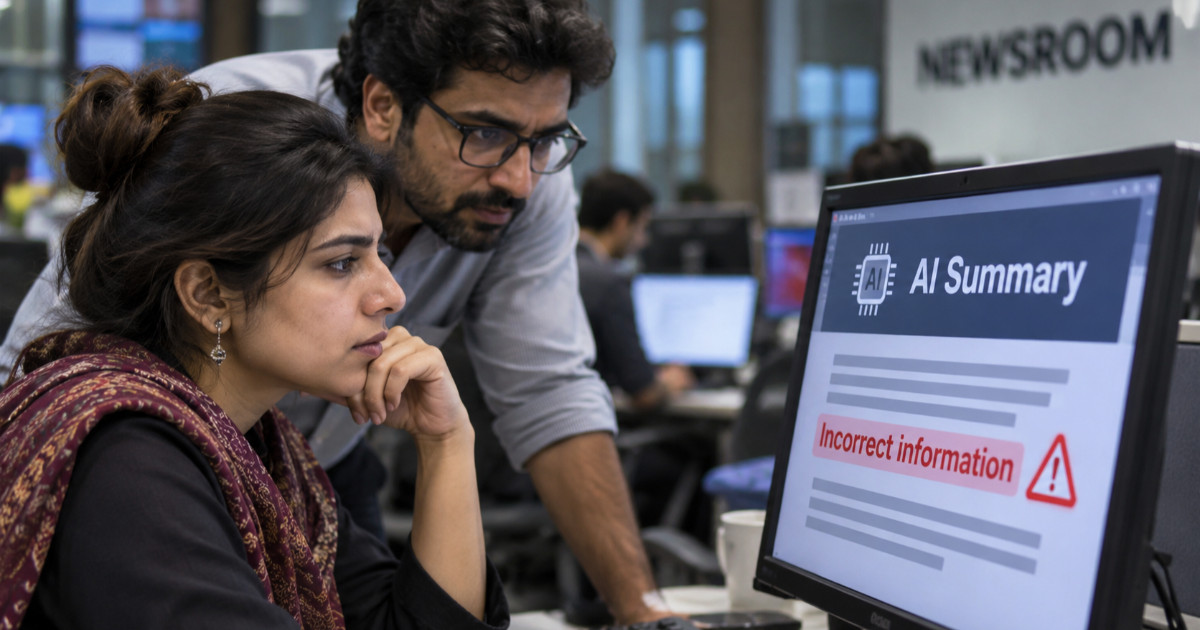
UNITED STATES — Unionized journalists at the Akron Beacon Journal and Kent Ravenna Record-Courier began withholding their bylines on October 28 over USA Today Co.'s DeeperDive artificial intelligence tool, citing accuracy and editorial integrity concerns. Axios reported on November 6 that the publisher had subsequently suspended AI-generated summaries and restricted access to the tool, according to a union representative. (The NewsGuild, October 28, 2026; Axios, November 6, 2026)
Why it matters: The dispute demonstrates how journalists can challenge the introduction of automated editorial products when they believe the technology risks misrepresenting their reporting.
Economic pressure and media viability
PAKISTAN — Information Minister Attaullah Tarar called on broadcasters to establish a journalists' welfare fund and provide compensation for media workers who die while performing their duties. His appeal came amid longstanding concerns about unpaid salaries, layoffs and insecure employment in Pakistan's media industry. (Pakistan media reports, November 5, 2026; JournalismPakistan reporting on journalists' welfare, 2017–2026)
Why it matters: Financial security and compensation arrangements remain essential protections for journalists and their families, particularly where previous welfare proposals have not resulted in durable industry-wide mechanisms.
PARAGUAY — Media group VMedia suspended operations and employment contracts for 90 days without pay following the collapse of Ueno Bank, which had financially supported its parent group. The decision affected newspapers, radio stations and digital services. Última Hora, citing the Sindicato de Periodistas del Paraguay, reported that approximately 199 employees were affected. The union called for protection of workers' rights. (Última Hora, November 4, 2026; International Federation of Journalists, November 5, 2026; ABC Color, November 5, 2026)
Why it matters: The disruption demonstrates how financial instability within a media company's wider ownership structure can threaten employment, weaken newsroom operations and reduce public access to news.
MALAYSIA — Media Mulia, publisher of Utusan Malaysia and Kosmo!, placed nearly 100 employees on three months' paid leave as part of a restructuring program. Following discussions with Communications Minister Fahmi Fadzil on November 5, management agreed to consider alternatives to retrenchment. No layoffs or permanent closures had been confirmed. (Bernama, November 5, 2026; International Federation of Journalists, November 6, 2026)
Why it matters: Even when salaries continue to be paid, prolonged uncertainty over restructuring can undermine job security and affect the sustainability of established news organizations.
Policy and court developments
UNITED KINGDOM — The British government issued a Public Interest Intervention Notice on November 4 concerning Sky's proposed £1.6 billion acquisition of ITV's media and entertainment business. The review will examine freedom of expression, media plurality, ownership concentration and broadcasting diversity. Ofcom and the Competition and Markets Authority must report their findings by January 27, 2027. (UK Department for Culture, Media and Sport and Competition and Markets Authority, November 4, 2026)
Why it matters: Regulatory scrutiny of major media acquisitions can help identify risks to editorial independence and prevent ownership concentration from reducing the diversity of available news and information.
LUXEMBOURG — An Advocate General at the Court of Justice of the European Union issued a non-binding opinion on November 3 examining whether Google's Gemini chatbot could infringe publishers' rights when retrieving and reproducing protected news content. The opinion distinguished the reporting of facts from the recognizable reproduction of copyrighted journalistic expression. A final court judgment remains pending. (Court of Justice of the European Union, November 3, 2026)
Why it matters: The proceedings could help define the legal protections available to news publishers when artificial intelligence services reproduce their work, with implications for content licensing and the sustainability of journalism.
HUNGARY — An international media freedom delegation visiting Hungary from November 4 to 6 welcomed initial reforms aimed at restoring the independence of public media and regulatory institutions. The delegation, which included organizations participating in the Council of Europe's journalist-safety platform and the Media Freedom Rapid Response, called for transparent consultation and safeguards to ensure that reforms endure. (International Federation of Journalists and Media Freedom Rapid Response, November 6, 2026)
Why it matters: The developments offer an example of how institutional reforms may help reverse restrictions on media independence, although lasting progress will depend on implementation and effective oversight.
Media labor and union activity
NEPAL — The Federation of Nepali Journalists challenged proposed changes to media regulation on November 5 and demanded stronger safeguards for constitutional press freedoms. The intervention followed newsroom searches and the detention of three journalists reported in late October. (The Kathmandu Post, October 31 and November 5, 2026; Federation of Nepali Journalists, October 30, 2026)
Why it matters: The dispute highlights the importance of journalists' professional organizations in challenging regulatory interference, defending confidential sources and protecting editorial independence.
CZECH REPUBLIC — Czech Television and Czech Radio staff protested a proposed overhaul of public-service media funding. A television strike committee representative warned that the changes could give the governing coalition greater influence over editorial content. Prime Minister Andrej Babiš rejected claims that the proposal threatened media independence and said the government would proceed. (Reuters, November 3, 2026; Around Prague, November 4, 2026)
Why it matters: Public broadcasting funding arrangements can affect institutional independence, particularly when proposed financial changes increase the possibility of political influence over newsroom decisions.
Media operations and industry pressures
UNITED KINGDOM — Meta suspended proposed commercial terms following opposition from news organizations concerned about the collection and commercial use of their journalistic content. The decision followed criticism from publishers and regulatory scrutiny in Europe, including a UK competition investigation. No revised implementation date had been announced. (Nieman Journalism Lab, November 5, 2026; UK Competition and Markets Authority, October 30, 2026)
Why it matters: The dispute raises questions about the bargaining power of news publishers and their ability to maintain control over the commercial use of their reporting by major technology platforms.
THAILAND — Media specialists attending a November 5–7 conference in Chiang Mai raised concerns about criminal defamation laws, judicial harassment and censorship affecting journalists across Asia. Participants also highlighted restrictions on Afghan women reporters, verification challenges for exiled Myanmar newsrooms and coordinated online harassment targeting journalists in Thailand. (Asia News Network, reported in The Star, November 6, 2026)
Why it matters: The discussions demonstrate how legal pressure, digital intimidation and restrictions on cross-border reporting can undermine independent journalism without necessarily involving physical violence.
Journalist safety and displacement
SOMALIA — A report released by the National Union of Somali Journalists found that only 10% of surveyed women journalists felt safe at work, while 52% reported feeling unsafe or very unsafe. The study involved 127 women journalists and documented problems involving discrimination, delayed wages, online abuse, and inadequate workplace protection. The International Federation of Journalists called for stronger safeguards and enforcement of labor rights. (National Union of Somali Journalists, November 2–3, 2026; International Federation of Journalists, November 3, 2026)
Why it matters: The findings show how workplace insecurity, discrimination and digital harassment can restrict women's participation in journalism and undermine the safety and independence of newsrooms.
Press freedom review
The week ending November 8 revealed a widening range of pressures affecting journalists and news organizations, from detention and criminal prosecution to economic vulnerability, online harassment and regulatory uncertainty.
Detention and legal pressure remained prominent. Israeli authorities detained several Palestinian journalists, while China continued to face criticism over the treatment of imprisoned journalist Dong Yuyu. In Cuba, Yoani Sánchez reported further restrictions following her release from custody. Criminal proceedings involving journalists in Pakistan, India and Bangladesh also raised questions about due process and the potential consequences of legal action for independent reporting.
The physical safety of journalists remained a serious concern. The killing of Yemeni photojournalist Abdulrahman al-Houri demonstrated the dangers of reporting from conflict zones, while bomb threats against Irish media organizations showed how newsroom operations can be disrupted even outside active conflict areas. The reported campaign against a Luxembourg investigative journalist underscored the impact of reputational attacks and online intimidation.
Economic insecurity emerged as another important theme. Paraguay's media disruption left employees facing 90 days without pay, while restructuring in Malaysia created uncertainty over employment. In Pakistan, renewed appeals for journalists' welfare arrangements reflected persistent weaknesses in financial protection for media workers.
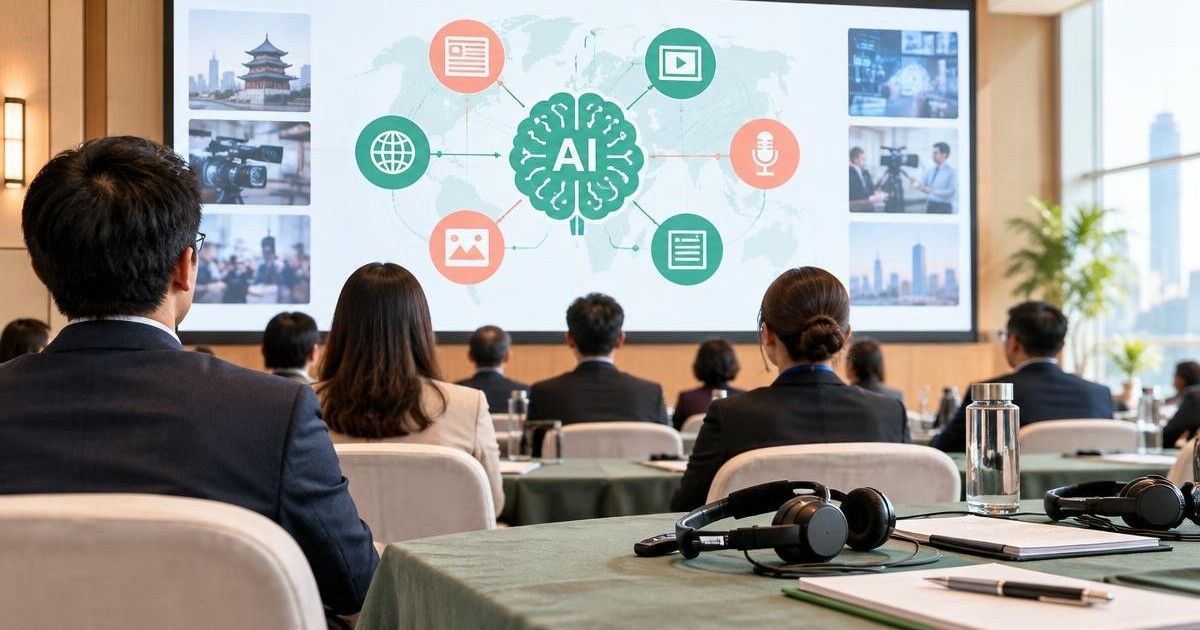
The growing influence of artificial intelligence and major technology platforms also attracted scrutiny. In the United States, journalists challenged an AI product they believed could compromise reporting accuracy. In Europe, questions about publishers' rights entered a significant stage through a non-binding legal opinion concerning Google Gemini, while Meta faced publisher resistance to its proposed commercial terms.
There were also constructive developments. The IFJ welcomed progress in the Mureed Abbas murder case in Pakistan, and international organizations identified opportunities to strengthen media independence in Hungary. Britain's scrutiny of the proposed Sky–ITV transaction demonstrated the potential role of public-interest oversight in preserving media plurality.
Taken together, these developments reinforce a central lesson: press freedom depends not only on preventing arrests and attacks but also on effective legal protections, secure working conditions, independent regulation and the ability of news organizations to operate without coercive political, financial or technological pressure.
Global context
The International Day to End Impunity for Crimes against Journalists, observed on November 2, provided an important backdrop to this week's developments. The occasion highlighted the persistent difficulty of securing justice for journalists who have been killed, attacked, threatened or subjected to other abuses.
The week's cases also illustrated the different ways in which pressure can accumulate. A journalist may face detention without a conviction, endure criminal proceedings over disputed allegations, or encounter threats that disrupt reporting even when no physical injury occurs. Such incidents can impose financial, psychological, and professional costs that extend beyond the immediate event.
At the institutional level, the disputes involving public broadcasting in the Czech Republic, media reform in Hungary and ownership concentration in the United Kingdom showed how regulatory structures can influence editorial independence. The question is not simply whether rules exist, but whether they provide transparent, enforceable safeguards against interference.
Technology and newsroom economics are becoming equally important components of the press freedom debate. The use of journalists' work by AI systems, the negotiating power of publishers in their dealings with platforms, and the sustainability of employment all have consequences for the production of independent journalism.
For Pakistan, these international developments carry particular relevance. Continuing PECA-related proceedings, uncertainty over journalists' welfare and the need for effective accountability mechanisms reflect pressures that are also visible elsewhere. International experience offers possible lessons, but the effectiveness of any reform depends on its implementation, transparency and independence from political or commercial influence.
The week's record therefore presents a mixed picture: encouraging developments in some jurisdictions alongside continuing arrests, legal threats, insecurity and financial strain in others. Maintaining press freedom requires sustained vigilance not only after prominent incidents, but also when institutional decisions gradually reshape the conditions under which journalists work.
SUGGESTED TAGS: Press Freedom Tracker, Press Freedom, Journalists' Safety, Media Freedom, Press Freedom Violations, Journalists' Rights, Legal Pressure, Journalist Detentions, Media Regulation, Media Accountability, Journalist Killings, Media Labor Rights, Journalists' Welfare, Editorial Independence, Media Plurality, Artificial Intelligence, Digital Rights, Media Sustainability, Pakistan Media, International Journalism
ATTRIBUTION: Compiled and analyzed by JournalismPakistan.
ABOUT THIS TRACKER: The Press Freedom Tracker is a weekly product of JournalismPakistan.com, published every Sunday. Read previous editions here.
Key Points
- Journalists worldwide faced detentions, cybercrime proceedings and intimidation this week.
- Economic disruption hit media operations, notably after a banking crisis affecting outlets in Paraguay.
- Surveys and incidents highlighted acute safety risks, including alarming insecurity among women journalists in Somalia.
- Legal and institutional developments included progress in Pakistan's Mureed Abbas case and reported reforms in Hungary.
- Concerns grew over AI tools potentially compromising reporting accuracy, and deadly attacks underscored protection needs.
- Detentions and restrictions of journalists in Palestine and Cuba, and a killing in Yemen, emphasized the urgency of accountability.
Key Questions & Answers
What threats to press freedom were reported this week?
Journalists faced detentions, criminal proceedings, intimidation, online cases, economic pressures on outlets, AI-related concerns and deadly attacks in several countries.
Which countries and issues were highlighted?
Reports cited developments in Pakistan, Paraguay, Somalia, the United States, Hungary, Palestine, Cuba and Yemen, covering legal cases, economic disruption, safety and media reforms.
How are women journalists affected?
Surveys noted high levels of insecurity for women journalists, indicating gendered threats and heightened safety concerns that require targeted protection.
What steps are needed to protect journalism?
Effective measures include legal safeguards, due process, independent media institutions, accountability for attacks, economic support for outlets and protections against misuse of technology.
Relevant Topics
Ask AI: Understand this story your way
AI EnabledDig deeper, ask anything — get instant context, background, and clarity.
Disclaimer: This feature is powered by AI and is intended to help readers explore and understand news stories more easily. While we strive for accuracy, AI-generated responses may occasionally be incomplete or reflect limitations in the underlying model. This feature does not represent the editorial views of JournalismPakistan. For our full, verified reporting, please refer to the original article.