

Is Asia losing its women journalists?
JournalismPakistan.com | Published: 26 November 2026 | JP Special Report
Join our WhatsApp channel
Women journalists across Asia face professional, economic, social, and institutional pressures that limit their ability to enter, remain in, or lead newsrooms. These trends - from Afghanistan bans to online harassment and workplace bias - undermine media diversity.Summary
From restrictions in Afghanistan to workplace discrimination in Pakistan, online harassment in Bangladesh and Nepal, and leadership disparities in East Asia, women journalists face formidable barriers to building and sustaining careers in the media.
ISLAMABAD — Across Asia, women journalists are confronting a combination of professional, economic, social and institutional pressures that threaten their participation in the media industry. While digital platforms have opened new opportunities for women to enter journalism, persistent discrimination, harassment, employment insecurity and restrictions on reporting continue to undermine those gains.
The challenges differ considerably across countries, but they raise a common question for the region's media industry: what happens to journalism when women find it increasingly difficult to enter the profession, remain in newsrooms or reach positions of editorial influence?
Afghanistan: A struggle to remain in journalism
Afghanistan represents one of the most severe examples of restrictions on women's participation in journalism. On November 25, 2026, the International Federation of Journalists (IFJ) reported that four women journalists and two other media personnel had been detained following a November 14 raid on a radio station in Laghman province.
The journalists were preparing a program examining the economic circumstances of women working in Afghanistan's media industry. According to the IFJ, all six detainees were subsequently released after three hours of questioning.
Restrictions imposed since the Taliban returned to power in August 2021 have severely limited women's professional opportunities. For women journalists, continuing to work has become a struggle not only for freedom of expression but also for economic independence and participation in public life.
Pakistan's unequal newsrooms
In Pakistan, the barriers are less formal but deeply entrenched. A 2024 gender audit conducted by the Women Journalists Association of Pakistan and Freedom Network examined 15 news organizations in Islamabad and found substantial disparities in workforce representation, leadership opportunities, and workplace protections.
Women accounted for an average of just 11 percent of journalists at the surveyed organizations, while only two of the 15 media houses had anti-harassment inquiry committees.
In a special report published on July 30, 2026, JournalismPakistan documented the experiences of women journalists confronting workplace discrimination, sexual harassment, coordinated online abuse and threats. Women interviewed for the report described how these pressures affected both their professional careers and their ability to report freely.
Earlier, JournalismPakistan's coverage of the Second Women Journalists Convention in Islamabad highlighted the need for stronger workplace protections, institutional accountability and digital security measures.
The problem extends beyond recruitment. A newsroom may employ women reporters and presenters while offering them limited opportunities to influence editorial decisions, manage reporting teams or determine coverage priorities.
When harassment becomes a career barrier
Research published by ARTICLE 19 in 2026 identified persistent challenges facing women journalists in Bangladesh and Nepal, where political uncertainty, workplace inequality and technology-facilitated abuse intersect with professional safety concerns.
Online intimidation presents a particularly complicated challenge. Women journalists frequently face attacks directed not only at their reporting but also at their appearance, character, and personal lives. Threats can extend to their families, increasing the psychological and professional costs of remaining publicly visible.
JournalismPakistan has been documenting these concerns for several years. Its September 2024 special report, Targeted and trolled: The alarming rise of online harassment of women journalists, examined how malicious online campaigns targeted prominent Pakistani women journalists, undermining their professional credibility and personal security.
For journalists whose work increasingly depends on maintaining an online presence, withdrawing from digital platforms can mean losing access to sources, audiences, and professional opportunities. Some may avoid sensitive assignments or become more cautious about expressing professional opinions.
The leadership gap
Even in relatively developed media markets, professional participation does not necessarily translate into editorial authority.
The Reuters Institute for the Study of Journalism's 2025 research on newsroom leadership found that women occupied just 27 percent of top editorial positions across a sample of 240 news outlets in 12 markets, including Japan, South Korea and Hong Kong.
Although the figure represented an improvement over the previous year, it illustrated the continuing disconnect between women's participation in journalism and their representation in senior editorial roles.
Editorial leadership matters because those who control newsrooms help determine which stories receive attention, whose experiences are considered newsworthy, and how resources are allocated.
The economic dimension
The financial difficulties facing Asia's media industry add another layer of uncertainty. Newsroom restructuring, declining revenues, precarious contracts, and the growing reliance on freelance journalists can weaken professional protections.
For women balancing professional responsibilities with disproportionate caregiving obligations, irregular working hours, inadequate maternity provisions, and insufficient institutional support can make long-term careers particularly difficult.
The emergence of independent digital outlets offers an alternative to traditional newsrooms. However, entrepreneurship brings its own challenges, including unstable funding, personal exposure to harassment and the absence of institutional legal and security support.
Digital independence does not automatically guarantee professional security.
What journalism stands to lose
The consequences of women's exclusion extend far beyond individual careers. Newsrooms that lack diverse professional experiences risk overlooking important perspectives on healthcare, education, employment, violence, displacement and community development.
As JournalismPakistan highlighted in its November 18, 2026, regional feature, Is Asia using the law to silence independent journalism?, legal and administrative pressures can discourage independent reporting. For women journalists, these wider press freedom concerns can be compounded by gender-specific intimidation, discrimination and professional insecurity.
Women journalists should not be confined to reporting on gender-related issues. Their participation across political, economic, investigative, environmental and other specialized beats is equally important to the quality and completeness of journalism.
Addressing these challenges requires media employers to establish effective anti-harassment mechanisms, provide equitable employment conditions, strengthen digital and physical safety protocols, and create transparent pathways to leadership.
There is no single regional dataset establishing that Asia's women journalists are leaving the profession in growing numbers. Nevertheless, documented restrictions, discrimination, and professional insecurity demonstrate significant obstacles to their continued participation.
The question facing Asia's media industry is not simply whether more women can enter journalism. It is whether news organizations can create conditions in which women can build lasting careers, exercise editorial authority and report without fear.
ATTRIBUTION: Produced and analyzed by JournalismPakistan, drawing on its reporting on women journalists, workplace discrimination, online harassment and press freedom between September 2024 and November 2026; International Federation of Journalists statements of November 25, 2026; the 2024 gender audit by the Women Journalists Association of Pakistan and Freedom Network; ARTICLE 19's 2026 research on Bangladesh and Nepal; and the Reuters Institute's 2025 study on women and newsroom leadership.
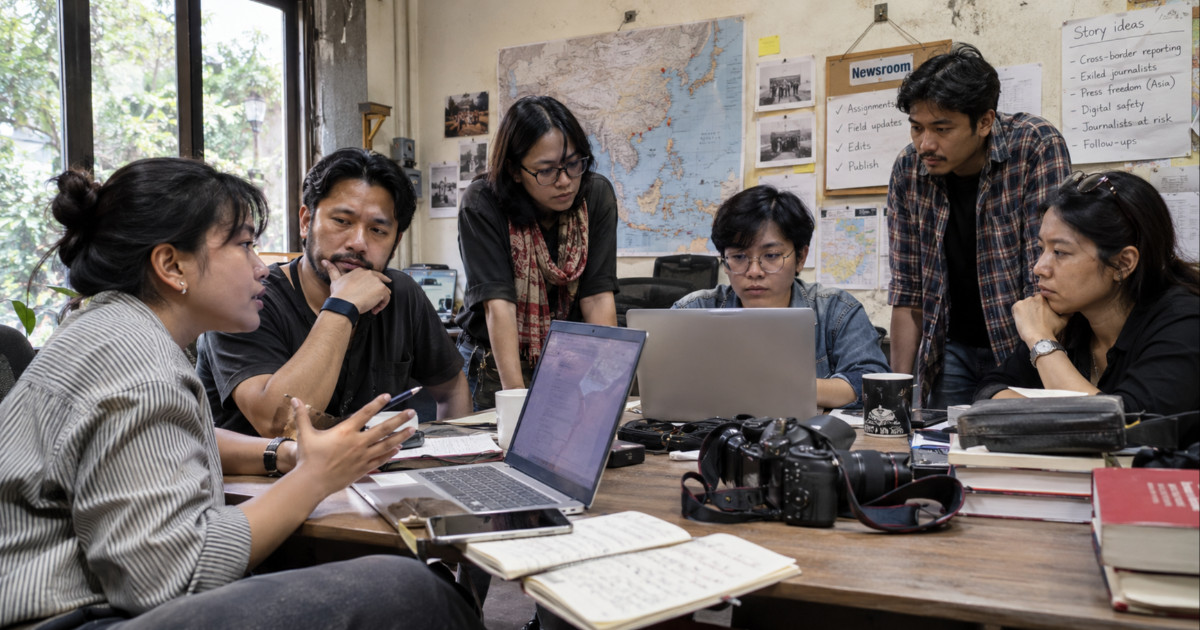
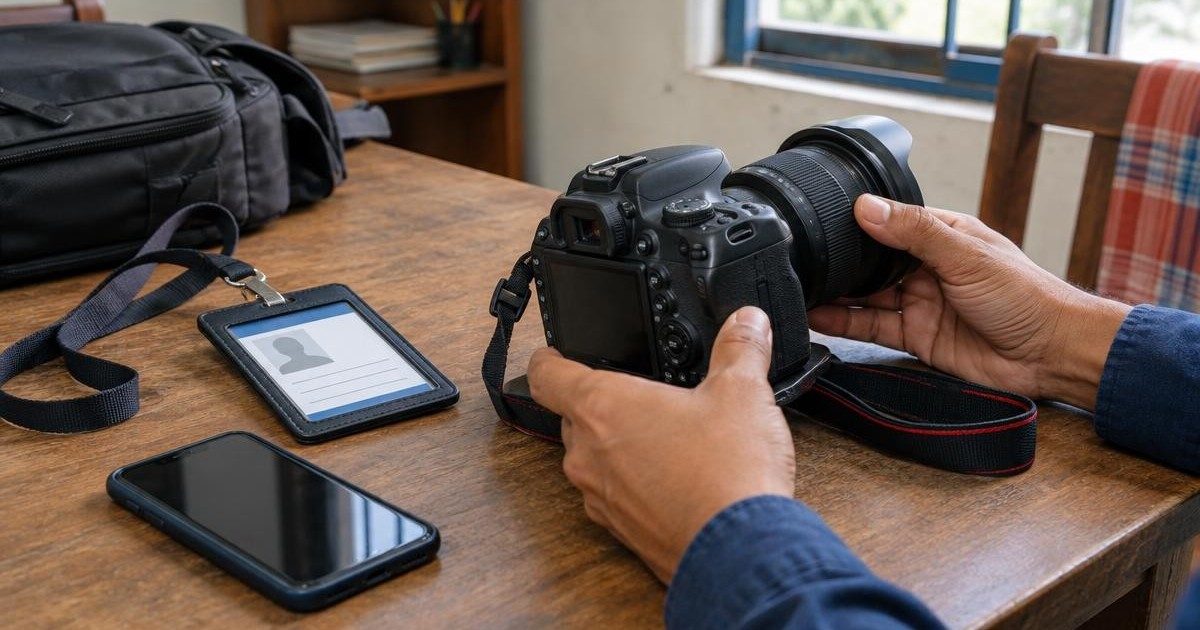
PHOTO: Women across Asia face persistent institutional and professional barriers to building sustainable careers in journalism. (Illustrative image)
Key Points
- Women face legal and social reporting restrictions in Afghanistan limiting their work.
- Workplace discrimination and insecurity push women out of newsrooms in Pakistan.
- Online harassment is common in Bangladesh and Nepal, deterring women from public reporting.
- East Asia shows gaps in women's leadership and editorial influence.
- Digital platforms create opportunities but also new risks and precarity.
- Declining participation of women threatens media diversity and the quality of journalism.
Key Questions & Answers
What are the main challenges women journalists face in Asia?
They face discrimination, harassment (online and offline), employment insecurity, reporting restrictions and barriers to senior roles, varying by country.
Which countries are specifically mentioned?
The report highlights severe restrictions in Afghanistan, workplace discrimination in Pakistan, online harassment in Bangladesh and Nepal, and leadership gaps in East Asia.
Do digital platforms help or harm women journalists?
They offer new entry points and visibility but also expose women to online abuse and unstable work, creating mixed outcomes.
Why does this matter for journalism?
Reduced participation and leadership by women can narrow perspectives, weaken coverage of gender issues and undermine media diversity and credibility.
Relevant Topics
Ask AI: Understand this story your way
AI EnabledDig deeper, ask anything — get instant context, background, and clarity.
Disclaimer: This feature is powered by AI and is intended to help readers explore and understand news stories more easily. While we strive for accuracy, AI-generated responses may occasionally be incomplete or reflect limitations in the underlying model. This feature does not represent the editorial views of JournalismPakistan. For our full, verified reporting, please refer to the original article.