

What to do if you receive an NCCIA notice in Pakistan
JournalismPakistan.com | Published: 26 November 2026 | JP Staff Report
Join our WhatsApp channel
Journalists who get an NCCIA notice in Pakistan should verify its authenticity, note inquiry or FIR details, avoid deleting material, secure passwords, consult a lawyer and inform their newsroom; understand possible arrest, bail and digital-device seizure procedures.Summary
From verifying a summons and seeking legal representation to understanding arrest, bail, and digital device seizure, here is what journalists should know when facing an NCCIA inquiry under Pakistan's cybercrime law.
JP Explains — Making sense of the issues that matter to journalism.
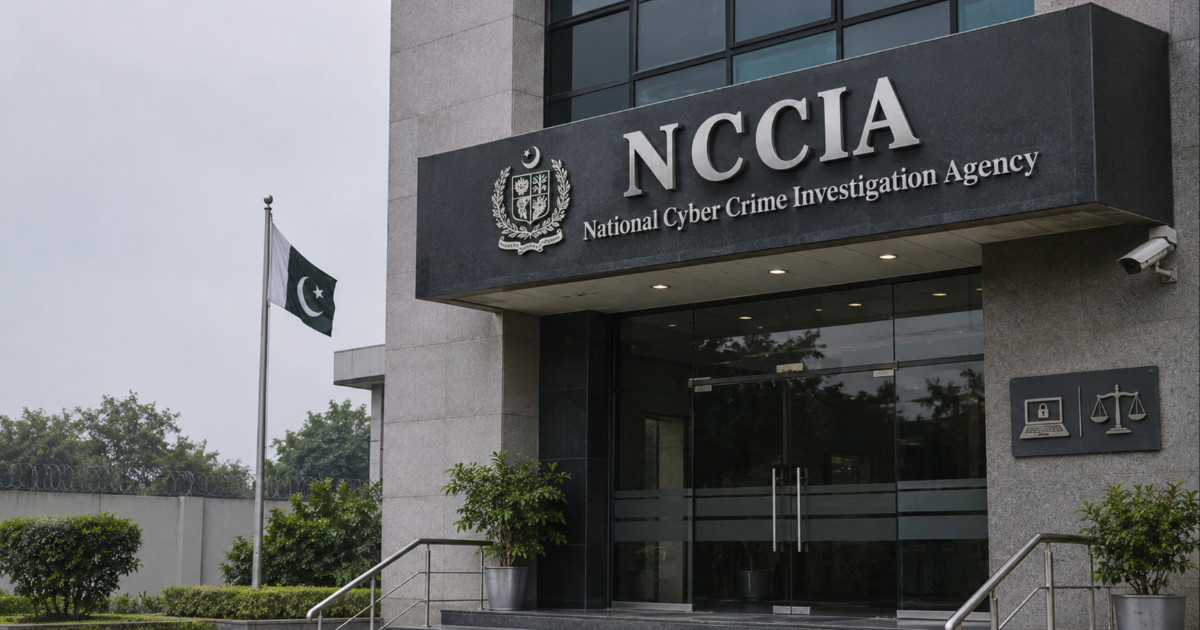
ISLAMABAD — Receiving a notice from the National Cyber Crime Investigation Agency (NCCIA) can be an unsettling experience for journalists, particularly when the allegations concern their reporting, social media posts, interviews, or political commentary.
As cybercrime investigations increasingly feature in Pakistan's media landscape, understanding the legal process, the powers of investigators, and the safeguards available to individuals has become an important part of professional preparedness for journalists.
What does an NCCIA notice mean?
An NCCIA notice generally requires an individual to appear before an investigating officer in connection with an inquiry or investigation. It does not necessarily mean that a criminal case has been registered or that the recipient has committed an offense.
A journalist receiving such a notice should establish whether the agency is conducting a preliminary inquiry, investigating a registered First Information Report (FIR), or seeking information from someone who may have knowledge relevant to an investigation.
What should journalists do first?
Journalists should verify the authenticity of the notice and examine its contents carefully. Important details include:
The inquiry or FIR number.
The identity and designation of the investigating officer.
The legal provisions mentioned in the notice.
The date, time, and location of the required appearance.
The nature of the allegations and any documents requested.
A copy of the notice should be retained and shared with a qualified lawyer. Journalists employed by media organizations should also inform their editors or relevant management representatives.
Independent journalists may seek assistance from journalists' unions, press clubs, or organizations providing legal support to media professionals.
Ignoring a legally issued notice without obtaining legal advice may have consequences.
Can journalists ask for details of the allegations?
Yes. Through their legal counsel, journalists can request clarification about the allegations, the relevant material, and the purpose of the inquiry.
JournalismPakistan's reporting in 2026 has documented instances in which journalists approached courts after receiving notices that they argued did not adequately explain the allegations against them.
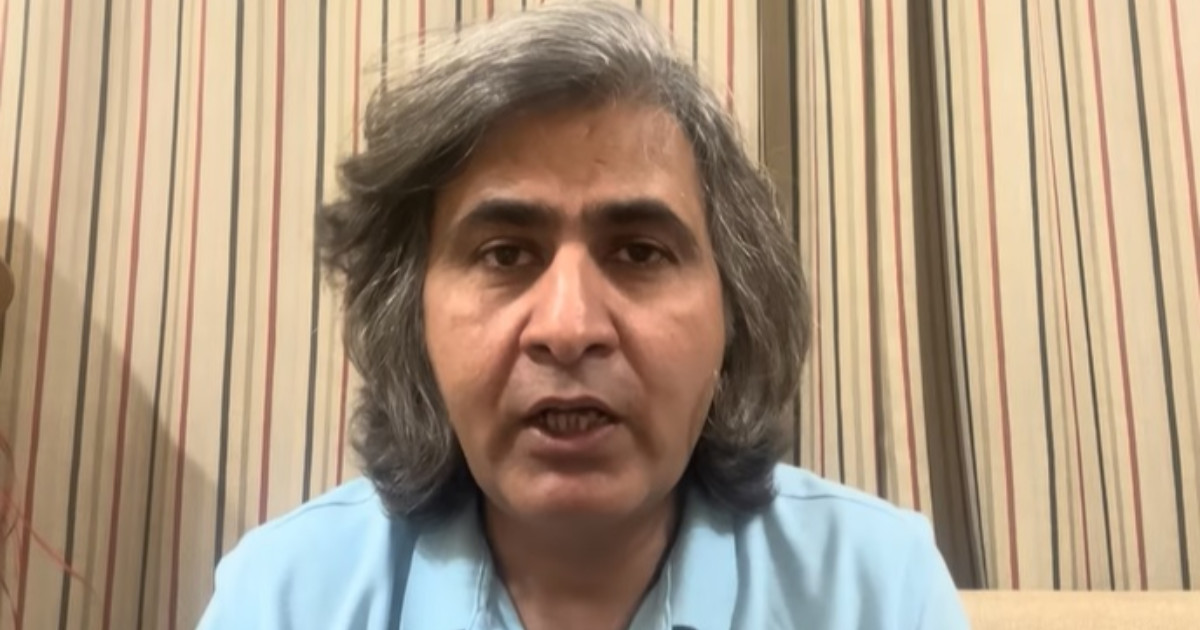
In July 2026, the Islamabad High Court directed the NCCIA to provide journalist Asad Ali Toor with details of the allegations against him. The court subsequently restrained the agency from harassing him during its inquiry.
Such interventions demonstrate the importance of judicial oversight, although relief depends on the circumstances of each case.
Can an NCCIA inquiry lead to arrest?
Yes. An inquiry may lead to the registration of an FIR and further criminal proceedings if investigators consider that sufficient grounds exist.
However, not every inquiry results in an FIR, and not every FIR results in an arrest. The powers available to investigators depend on the offenses alleged and the applicable legal provisions.
Section 26A, introduced through the 2025 amendments to the Prevention of Electronic Crimes Act (PECA), criminalizes certain forms of deliberate dissemination of false information likely to cause public fear, panic, disorder, or unrest.
The offense carries a maximum prison sentence of three years, a fine of up to Rs 2 million, or both. It is classified as cognizable and non-bailable under the amended law.
Non-bailable does not mean that bail is prohibited. It means that obtaining bail generally requires a judicial decision rather than being an automatic entitlement.
Can the NCCIA seize a journalist's phone or laptop?
PECA provides investigators with powers to obtain digital evidence, including information stored on electronic devices.
Section 33 generally requires a judicial warrant for searches and seizures, subject to limited statutory exceptions. Section 36 also establishes requirements for documenting seized material and providing a copy of the inventory to the relevant person.
For journalists, device seizures raise additional concerns because phones and computers may contain confidential communications, unpublished reporting, and information identifying journalistic sources.
Journalists should seek legal advice regarding requests for access to devices, passwords, accounts, and confidential material. They should neither obstruct lawful proceedings nor destroy potentially relevant evidence.
What happens if a journalist is arrested?
Under Article 10 of Pakistan's Constitution, an arrested person ordinarily has the right to be informed of the grounds for arrest, consult a lawyer, and be produced before a magistrate within 24 hours, excluding necessary travel time.
Investigators may seek physical remand for further investigation. A court may also order judicial remand or consider an application for bail.
Depending on the circumstances, journalists may apply for pre-arrest or post-arrest bail. The outcome depends on the allegations, evidence, applicable law, and the court's assessment.
What legal safeguards are available?
Pakistan's Constitution provides protections relevant to criminal proceedings and journalistic work, including the right to a fair trial and due process, protection against compelled self-incrimination, and freedom of speech and the press, subject to constitutional restrictions.
Journalists may challenge unlawful notices, seek protection against harassment, contest searches or seizures, and approach courts for appropriate relief.
An investigation, arrest, or criminal charge does not establish guilt.
Understanding these distinctions is essential for journalists working in an increasingly regulated digital environment. Knowing one's rights, maintaining professional documentation, and obtaining timely legal assistance can help journalists navigate proceedings without unnecessarily compromising their work or the confidentiality of their sources.
This explainer provides general information and should not be treated as a substitute for professional legal advice.
Key Points
- Verify the notice: check inquiry/FIR number, investigating officer name and designation.
- Seek prompt legal representation and inform your editor or newsroom before attending.
- Do not delete content; secure devices, back up data and protect passwords.
- Know your arrest and bail rights and insist on warrants for searches or device seizure.
- Document all interactions, ask for written orders, and seek support from press bodies if needed.
Key Questions & Answers
What does an NCCIA notice mean?
An NCCIA notice usually requests your attendance for an inquiry or investigation; it does not automatically mean an FIR has been filed or that you have been charged.
Do I have to appear when summoned?
Check the notice for the legal basis; consult a lawyer before appearing. If a formal summons or warrant is issued you should comply while protecting your rights.
Can investigators arrest me or seek bail?
Investigators can arrest under the law if there are grounds; if arrested you have rights to be informed of charges and to seek bail through the courts-consult counsel immediately.
Can they seize my phone or computer?
Devices can be seized, but typically a warrant or written order is required. Do not voluntarily hand over access without legal advice and ask for inventory of seized items.
Should I delete any material or posts?
Do not delete material. Deleting content can harm your defence and may be an offence; preserve backups and record timestamps and sources instead.
Relevant Topics
Ask AI: Understand this story your way
AI EnabledDig deeper, ask anything — get instant context, background, and clarity.
Disclaimer: This feature is powered by AI and is intended to help readers explore and understand news stories more easily. While we strive for accuracy, AI-generated responses may occasionally be incomplete or reflect limitations in the underlying model. This feature does not represent the editorial views of JournalismPakistan. For our full, verified reporting, please refer to the original article.