

Council seeks answers on Razi Tahir, Ahmad Farhad arrests
JournalismPakistan.com | Published: 20 August 2026 | JP Staff Report
Join our WhatsApp channel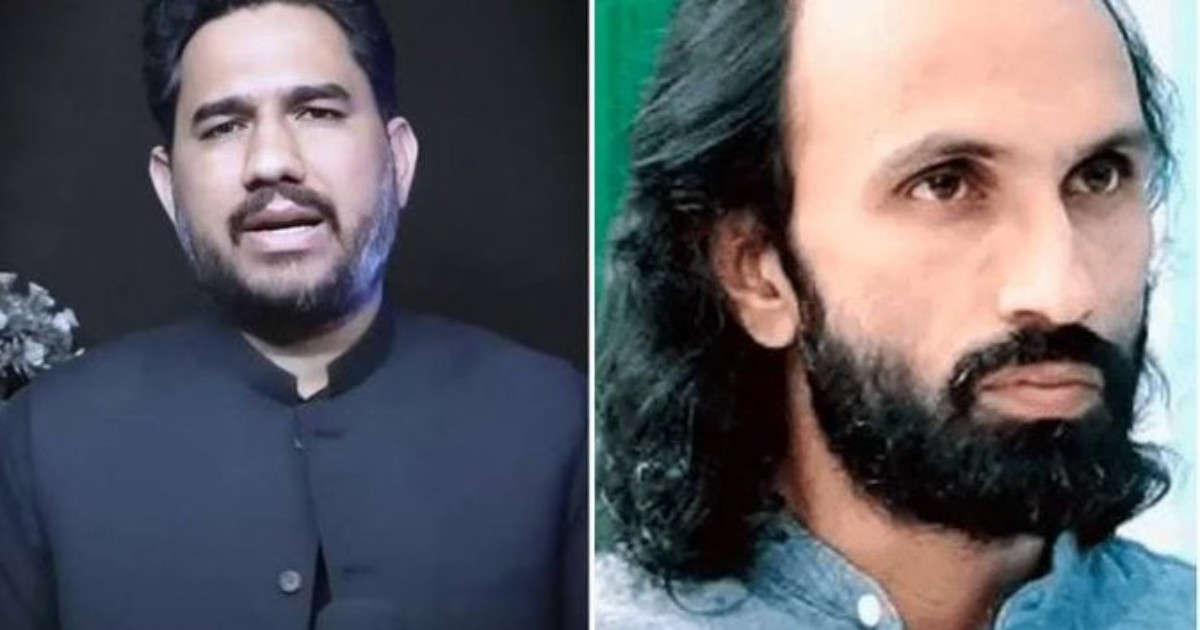
The Human Rights Council of Pakistan condemned the detentions of Razi Tahir and Kashmiri journalist Ahmad Farhad, demanding authorities disclose legal grounds and ensure access to counsel and fair hearings. It urged release if charges cannot be lawfully proven.Summary
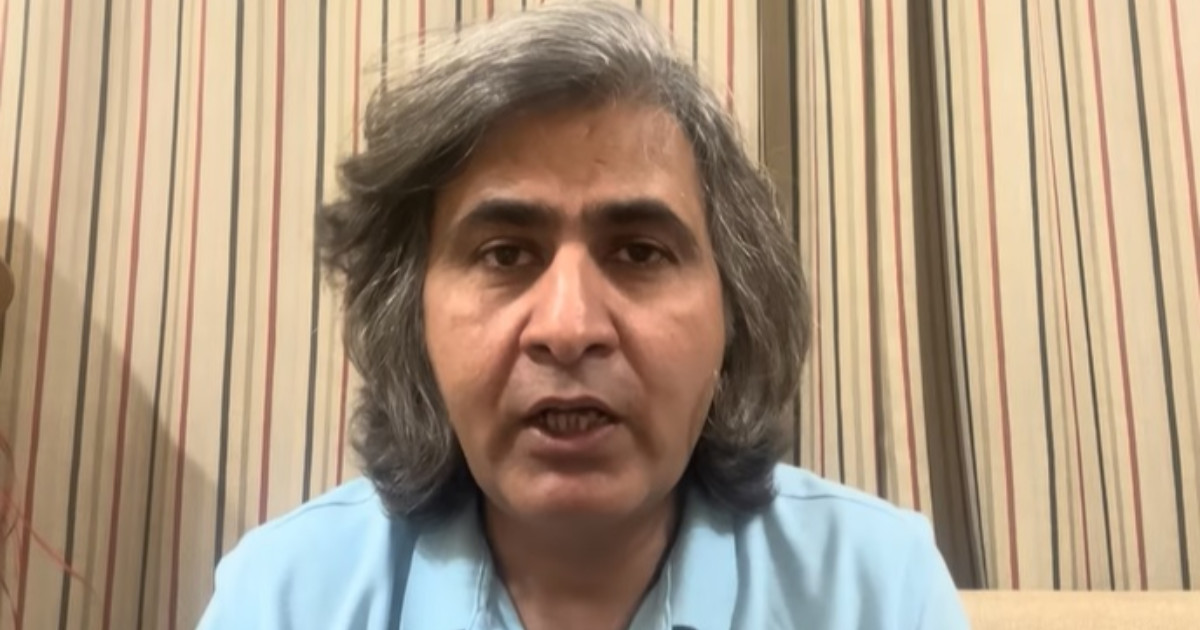
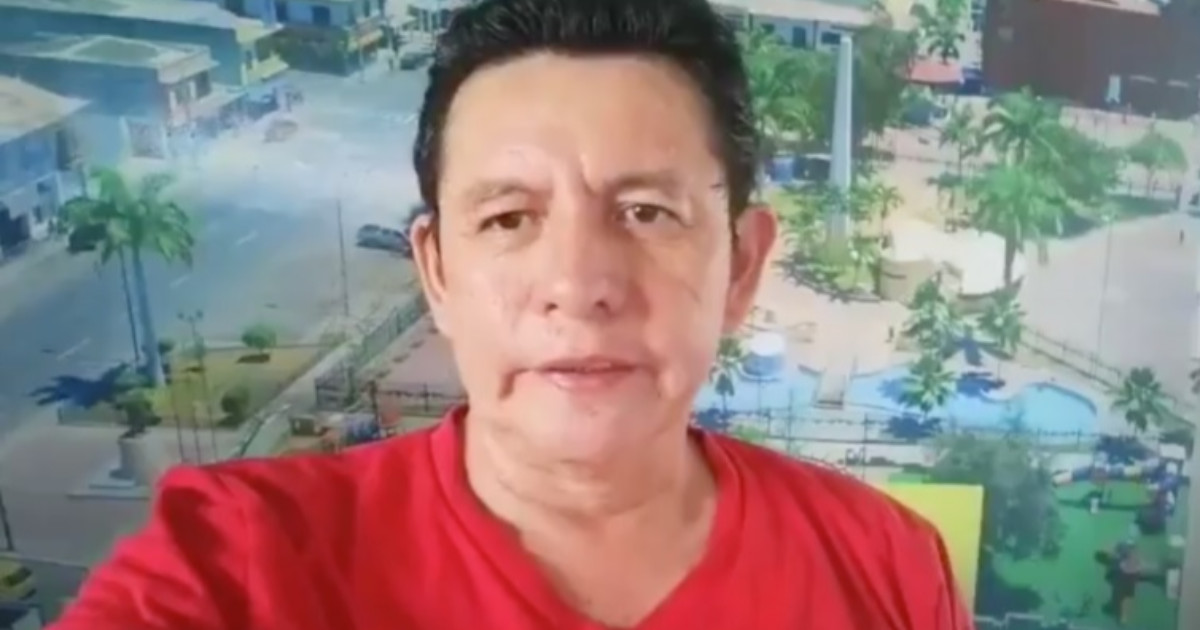
ISLAMABAD — The Human Rights Council of Pakistan has condemned the detentions of journalist Razi Tahir and Kashmiri poet and journalist Ahmad Farhad, demanding that authorities disclose the legal basis for holding them and ensure their access to lawyers and the courts. The council raised the concerns in a statement published on X on August 20.
The council said journalists, writers and other critical voices should not be denied constitutional and legal protections because of their work or opinions. It called for fair hearings, due process and the release of both men if the allegations against them cannot be established through lawful proceedings.
Questions surround Tahir's current detention
Tahir's current detention is separate from the cybercrime case cited in the council's statement. The Committee to Protect Journalists reported on August 5 that men wearing police uniforms took Tahir and journalist Muhammad Saif from their Islamabad office on August 1. Islamabad police had not acknowledged holding them when CPJ published its alert.
On August 19, Tahir's colleague Harmeet Singh said on X that Tahir and Saif had been held at Attock Jail for approximately 19 days. He said they had not been produced in court and that it remained unclear whether an identification parade had been conducted. JournalismPakistan could not locate a public statement from police, prison authorities or a court confirming their present legal status.
Earlier arrest involved NCCIA case
The council's reference to Tahir's arrest following the dismissal of his bail appears to concern an earlier case. On June 23, the National Cyber Crime Investigation Agency (NCCIA) arrested him at the Islamabad District Courts after his pre-arrest bail application was dismissed in a case registered under the Prevention of Electronic Crimes Act. The case concerned social media content linked to his reporting. Tahir was subsequently released before being taken again on August 1.
Farhad was detained in Bagh on June 20 after covering a protest organized by the Joint Awami Action Committee in Rawalakot. Front Line Defenders said he was taken to Bagh City Police Station in Pakistan-administered Kashmir and held under the Maintenance of Public Order Ordinance. Rights organizations have identified Section 3 of the ordinance, which provides for preventive detention, as the provision used in his case.
Separate laws, shared rights concern
The most recent credible rights reporting reviewed for this story continued to list Farhad as detained. Amnesty International South Asia also called for his release in July, describing his case as part of a broader pattern in which administrative detention powers were being used against journalists, activists and human rights defenders.
Although the two cases involve different jurisdictions and legal processes, rights advocates have raised a common concern about prolonged detention, limited public information and the use of criminal or preventive detention laws against people engaged in journalism and public commentary. The council urged the government and relevant institutions to create conditions in which journalists, poets, writers and rights defenders can work without fear of detention for expressing dissenting views.
The Human Rights Council of Pakistan is a separate organization from the Human Rights Commission of Pakistan, commonly known as HRCP. The latter has previously stated publicly that it has no association with the council.
ATTRIBUTION: Based primarily on a social media statement published by the Human Rights Council of Pakistan on August 20, 2026. Additional context is drawn from JournalismPakistan’s previous reporting, public reporting by the Committee to Protect Journalists on August 5 and Front Line Defenders on July 7, and a social media post by Harmeet Singh on August 19.
PHOTO: Human Rights Council of Pakistan
Key Points
- The Human Rights Council of Pakistan publicly condemned the detentions of Razi Tahir and Ahmad Farhad.
- The council demanded authorities disclose the legal basis for holding both men and guarantee access to lawyers and courts.
- It called for fair hearings, due process and release if allegations cannot be established through lawful proceedings.
- Razi Tahir's detention appears separate from a cited cybercrime case; he and Muhammad Saif were taken from their Islamabad office on Aug 1, according to CPJ.
- Colleagues said Tahir and Saif were held at Attock Jail for about 19 days without being produced in court; official confirmation of their status was not found.
Key Questions & Answers
Who issued the statement?
The Human Rights Council of Pakistan published the statement on X on August 20.
Who were the men detained?
Journalist Razi Tahir and Kashmiri poet and journalist Ahmad Farhad were named in the council's statement.
What did the council demand?
It asked authorities to disclose the legal grounds for the detentions, ensure access to lawyers and courts, provide fair hearings, and release them if charges cannot be lawfully proven.
What is known about Tahir's detention?
Reports say Tahir and colleague Muhammad Saif were taken from their Islamabad office on Aug 1, held at Attock Jail for about 19 days and not produced in court, but official records confirming their status were not located.
Relevant Topics
Ask AI: Understand this story your way
AI EnabledDig deeper, ask anything — get instant context, background, and clarity.
Disclaimer: This feature is powered by AI and is intended to help readers explore and understand news stories more easily. While we strive for accuracy, AI-generated responses may occasionally be incomplete or reflect limitations in the underlying model. This feature does not represent the editorial views of JournalismPakistan. For our full, verified reporting, please refer to the original article.