.png)
PTA blocked nearly 496,000 URLs in five years
JournalismPakistan.com | Published: 19 August 2026 | Daud Malik
Join our WhatsApp channel
From June 1, 2021 to June 30, 2026 PTA processed 645,329 URLs and blocked 495,747 as unlawful, with 60,105 under review. Actions were taken under PECA, the 2021 removal rules and a 2025 amendment creating a social media regulator.Summary
ISLAMABAD — The Pakistan Telecommunication Authority blocked nearly 496,000 URLs classified as unlawful over the past five years, according to figures presented to the National Assembly, offering a rare measure of the scale of online content restrictions in the country.
In a written response to a question from MNA Syed Rafiullah, the House was informed that 645,329 URLs were processed by the PTA for blocking between June 1, 2021, and June 30, 2026. Of these, 495,747 were blocked, while 60,105 remained under review.
Broad powers over online content
Rafiullah had sought details of websites, mobile applications, online platforms and digital services blocked, restricted or subjected to bandwidth limitations during the five years. He also asked about the legal provisions, criteria and institutional mechanisms governing such actions and the roles of the PTA and other authorities.
The response cited Pakistan's cybercrime framework, including the Prevention of Electronic Crimes Act and its subsequent amendments, as the legal basis for action against unlawful online content. The Removal and Blocking of Unlawful Online Content (Procedure, Oversight and Safeguards) Rules, 2021, set out procedures governing content removal and blocking.
Regulatory framework changed under PECA
Pakistan's online regulatory structure was significantly altered by the Prevention of Electronic Crimes (Amendment) Act, 2025. The legislation provides for a Social Media Protection and Regulatory Authority with powers to regulate unlawful or offensive content and take action against social media platforms.
The amended law also contains a transitional provision under Section 50A allowing the PTA to continue performing its existing functions until the new authority is established. Earlier rules and directions remain operative to the extent that they are consistent with the amended law.
The figures presented to Parliament are significant because they quantify the extent of URL-level blocking over five years. They do not, however, establish how many distinct websites or platforms were affected, since multiple URLs can belong to the same website, service or platform.
The parliamentary response also said the PTA had not conducted an assessment of the effects of internet restrictions on digital rights, business activity, exports, freelancing, foreign investment or Pakistan's international internet-freedom rankings.
Pakistan rated 'Not Free' online
Independent assessments have repeatedly raised concerns about restrictions on Pakistan's online environment. Freedom House's latest Freedom on the Net assessment rates Pakistan "Not Free," with a score of 27 out of 100. Its assessment covers obstacles to internet access, limits on online content, and violations of users' rights.
Separately, Freedom House's Freedom in the World 2026 report classifies Pakistan as "Partly Free," giving the country an overall score of 32 out of 100 for political rights and civil liberties. The two scores measure different aspects of freedom and should not be treated as interchangeable.
The Freedom on the Net assessment notes the use of website and platform blocking and restrictions on connectivity in Pakistan. It also raises concerns about transparency, proportionality and safeguards surrounding restrictions on digital content.
According to the parliamentary response, people affected by blocking or restriction orders have avenues to challenge regulatory decisions. It said an aggrieved person may seek a review of an order and, if dissatisfied with the outcome, pursue the legal remedies provided under PECA.
The disclosure places renewed attention on the scale and transparency of Pakistan's content-blocking regime at a time when regulation of online speech, social media and digital journalism remains under scrutiny. The number of blocked URLs illustrates the breadth of enforcement, while the absence of an official impact assessment leaves unanswered questions about its wider consequences for Pakistan's digital economy and online freedoms.
ATTRIBUTION: Based primarily on a written response presented to the National Assembly in August 2026. Additional legal and contextual information is based on the Prevention of Electronic Crimes (Amendment) Act, 2025, the Removal and Blocking of Unlawful Online Content Rules, 2021, and Freedom House assessments.
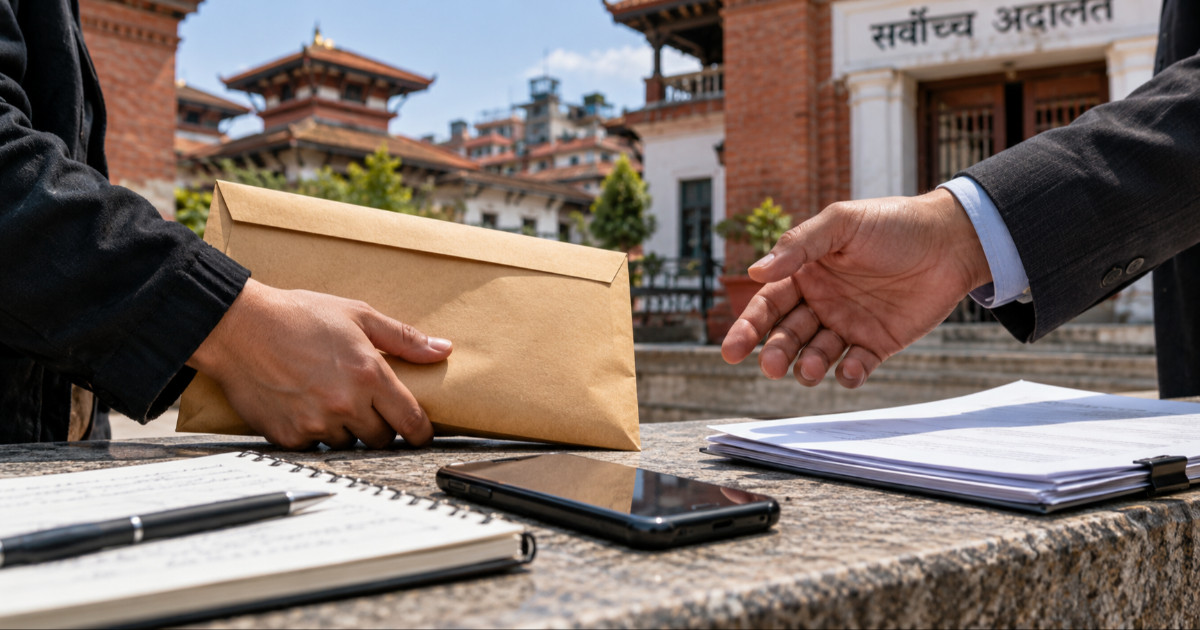
PHOTO: AI-generated; for illustrative purposes only.
Key Points
- PTA processed 645,329 URLs between June 1, 2021 and June 30, 2026.
- Of these, 495,747 URLs were blocked as unlawful.
- 60,105 URLs remained under review at the time of reporting.
- Actions cited the Prevention of Electronic Crimes Act (PECA) and the Removal and Blocking of Unlawful Online Content Rules, 2021.
- The Prevention of Electronic Crimes (Amendment) Act, 2025 introduced a Social Media Protection and Regulatory Authority with powers over online platforms.
Key Questions & Answers
How many URLs did the PTA process and block?
The PTA processed 645,329 URLs from June 1, 2021 to June 30, 2026 and blocked 495,747 of them as unlawful.
How many URLs remain under review?
According to the figures presented, 60,105 URLs remained under review.
Under what legal framework were the blocks carried out?
Blocks and removals were carried out under the Prevention of Electronic Crimes Act (PECA), the 2021 Removal and Blocking Rules, and the 2025 amendment to PECA.
What is the Social Media Protection and Regulatory Authority created by the 2025 amendment?
The 2025 amendment provides for a Social Media Protection and Regulatory Authority empowered to regulate unlawful or offensive content and to take action involving social media platforms.
Relevant Topics
Ask AI: Understand this story your way
AI EnabledDig deeper, ask anything — get instant context, background, and clarity.
Disclaimer: This feature is powered by AI and is intended to help readers explore and understand news stories more easily. While we strive for accuracy, AI-generated responses may occasionally be incomplete or reflect limitations in the underlying model. This feature does not represent the editorial views of JournalismPakistan. For our full, verified reporting, please refer to the original article.