.png)
Press Club earthquake: How the Democrats ended two decades of dominance in Islamabad
JournalismPakistan.com | Published: 14 March 2026 | JP Special Report
Join our WhatsApp channel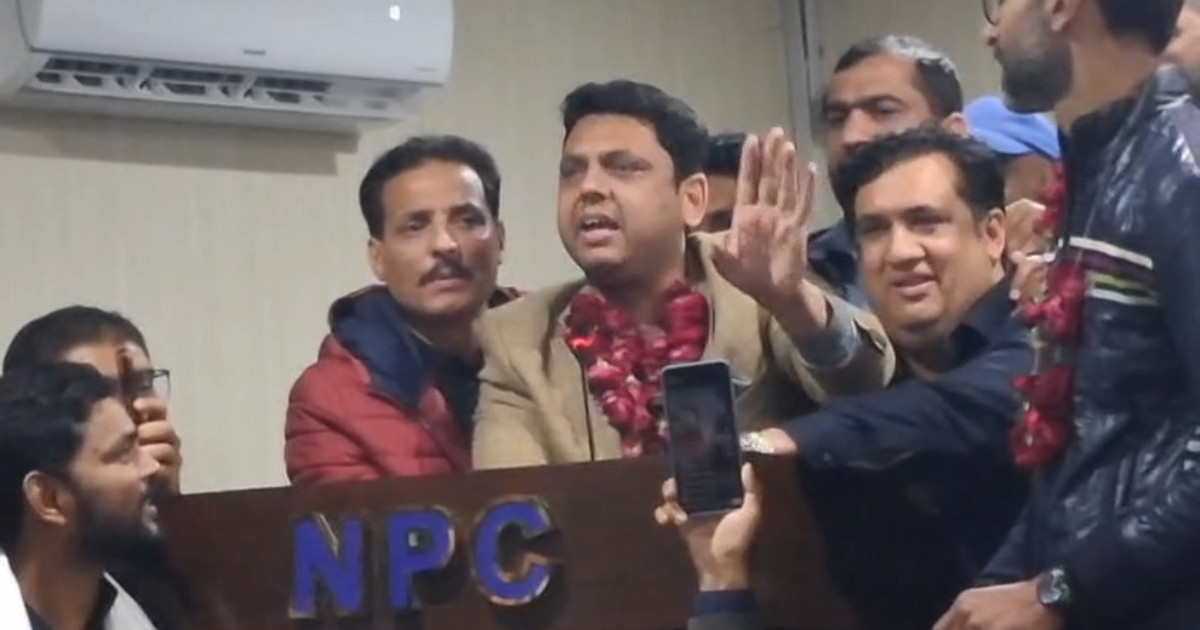
Our analysis of the National Press Club elections explores how the Democrats Panel ended the Journalist Panel's two-decade control, examining delayed vote counts, member frustrations, and the implications for governance and electoral transparency.Summary
After reporting on the National Press Club elections and the delayed vote count, JournalismPakistan examines the political dynamics, controversies, and implications of the results.
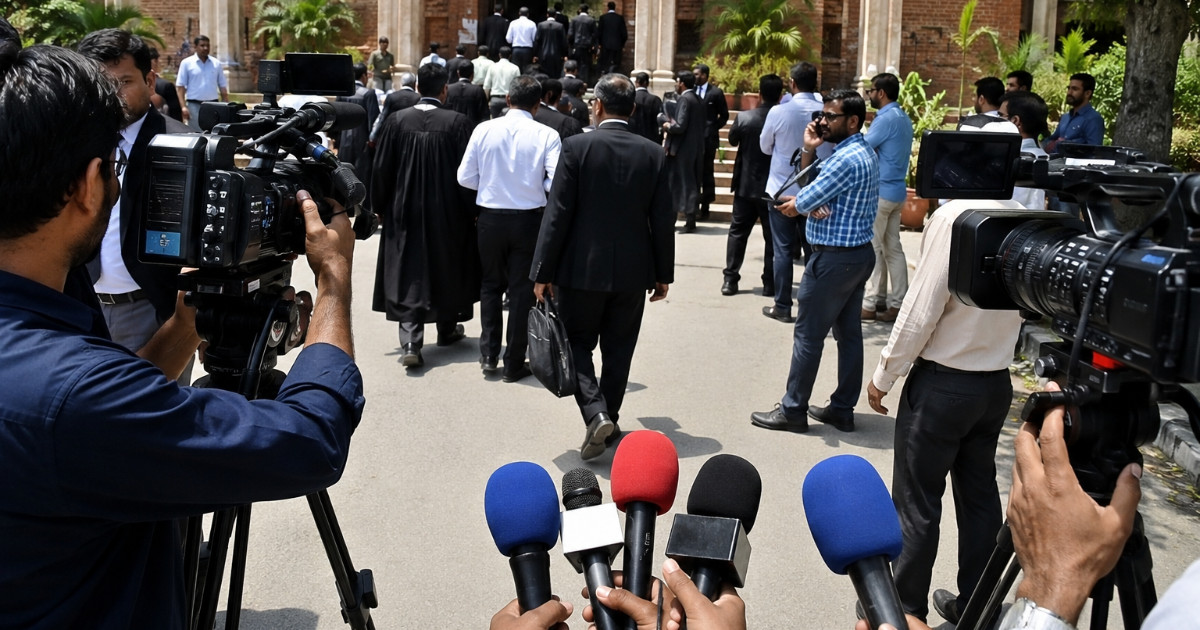
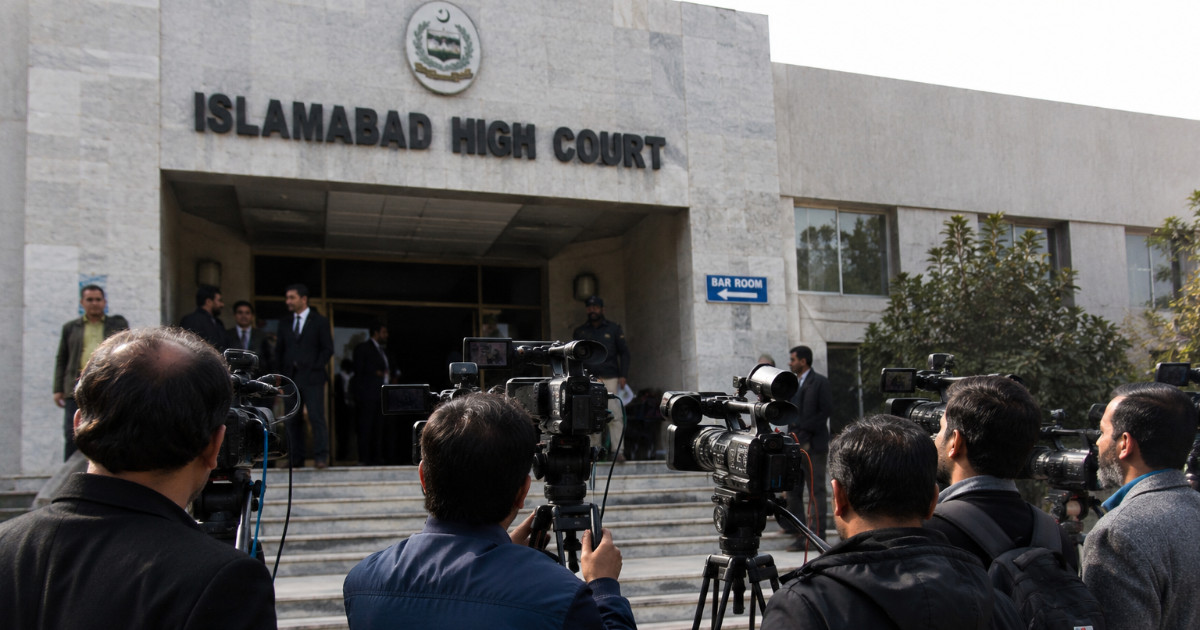
ISLAMABAD — The annual elections of the National Press Club Islamabad produced more than a routine change of office-bearers. The results marked a significant political shift inside one of the country’s most influential journalist bodies, ending more than two decades of dominance by the Journalist Panel and bringing the Democrats Panel to the forefront of the club’s leadership.
The upset was accompanied by a prolonged delay in the vote count, which triggered frustration among members and raised questions about transparency in the club’s electoral process. Together, the result and the controversy surrounding it reflect deeper tensions within the journalistic community in Islamabad, tensions that have been building for years.
A long-standing hierarchy challenged
For nearly 20 years, the Journalist Panel had remained the dominant force in the club’s internal politics. Its leaders cultivated strong networks within the press corps, benefiting from incumbency and a reputation for administrative continuity. Over time, this dominance created a sense of stability within the club’s leadership structure.
But long incumbencies can also produce complacency. Critics increasingly argued that the panel had become detached from ordinary members and less responsive to their concerns. Complaints about facilities, fake members, lack of engagement, and the overall direction of the club began to surface more frequently in recent years.
The Democrats Panel capitalized on these frustrations. By presenting itself as a reform-oriented alternative, it framed the election as a choice between continuity and change.
The upset that changed the balance
The Democrats Panel secured key victories, including the president and secretary positions, marking a symbolic break from the past. The race for president proved especially tight. Abdul Razaq Sial edged Nayyar Ali by just 15 votes, a margin that illustrates how evenly divided the electorate was. Meanwhile, Dr. Furqan Rao’s victory for secretary delivered an important strategic win for the Democrats Panel, reinforcing the perception that the balance of power inside the club had shifted.
Despite these gains, the results also revealed a fragmented political landscape. Several races were closely contested, and candidates from both panels secured positions across the leadership structure. This suggests that the election did not represent a complete political realignment but rather a significant shift in momentum.
A campaign built on dissatisfaction
Analysts say the Democrats' Panel’s success was rooted in long-standing grievances among members. Critics of the previous leadership pointed to several issues: perceived neglect of the club’s facilities, limited communication with members, and concerns that office-bearers had become too closely aligned with political authorities. For many journalists, these issues symbolized a broader decline in the club’s institutional responsiveness.
Another major grievance involved the aftermath of last year’s controversial police raid on the Press Club, during which law enforcement officers entered the premises and assaulted journalists. Many members felt the leadership failed to respond forcefully enough to defend the club’s autonomy and protect journalists’ rights.
By highlighting these concerns, the Democrats Panel tapped into a broader desire for institutional reform.
Counting delays fuels transparency concerns
While the election outcome was historic, the process that produced it drew widespread criticism. Polling ended at 10 p.m., but results remained unclear well into the following day as counting stretched on for hours. For an election involving roughly 2,200 votes that were polled, many journalists felt the delay was excessive.
The slow pace of counting became a topic of intense debate on social media, particularly on X. Journalists and candidates questioned why results were taking so long and why communication from the election committee remained limited during the process.
Some observers compared the delay to controversies surrounding vote counting in national elections, where prolonged tallies often fuel speculation and mistrust. For a professional body representing journalists who regularly report on electoral transparency, the situation was particularly uncomfortable.
The episode highlighted an irony that many members openly acknowledged: journalists who demand accountability from political institutions must also ensure transparency within their own organizations.
Social media amplifies internal scrutiny
Unlike elections in earlier decades, this year’s vote unfolded under the watchful eye of a digitally connected press community. Journalists posted real-time updates, observations, and criticisms throughout the night. These online conversations helped transform what might once have been an internal administrative issue into a broader public debate about the credibility of the club’s electoral process.
The episode also demonstrated how social media has changed the dynamics of professional organizations. Internal disputes and governance concerns can now quickly become public discussions, increasing pressure on leadership to respond.
Symbolic politics and the Arshad Sharif legacy
One of the most closely watched contests was the female vice president race involving Javeria Siddique, the widow of slain journalist Arshad Sharif. Her candidacy carried symbolic weight, given Sharif’s status as a prominent figure in Pakistan’s media landscape. Many observers wondered whether his legacy would influence the vote.
In the end, Siddique lost narrowly to Sehrish Qureshi. The result suggests that while symbolic politics can shape narratives around an election, they do not always translate into decisive electoral advantages.
A mandate for reform
The Democrats Panel’s victory places significant expectations on the new leadership of the National Press Club in Islamabad. Members who voted for change will likely expect tangible reforms in several areas: improving facilities, strengthening communication with members, and establishing clearer procedures for elections and governance.
Perhaps most importantly, the leadership will face pressure to reinforce the club’s role as a defender of journalistic independence at a time when media freedom remains a contentious issue in Pakistan, while also modernizing internal systems, including digitizing the election process.
More than an internal election
Ultimately, the National Press Club elections carry significance beyond the organization itself. Press clubs in Pakistan serve as both professional hubs and political arenas where journalists debate issues affecting the media industry. When leadership changes occur in such institutions, they can influence how journalists organize, advocate, and respond to challenges facing the profession.
The latest election suggests that many journalists are seeking renewed accountability within their own institutions. Whether the new leadership can meet those expectations will determine if this election becomes merely a change of faces or the beginning of a deeper institutional transformation
Key Points
- Democrats Panel defeated the long-dominant Journalist Panel, ending roughly 20 years of control in the National Press Club Islamabad.
- A prolonged delay in counting votes provoked member frustration and questions about the election's transparency and administration.
- Criticisms of the outgoing panel included alleged complacency, complaints about facilities, and concerns over fake or unverified members.
- The upset signals shifting alliances and raised debate over club governance, membership verification and future leadership priorities.
- The controversy may deepen existing tensions within Islamabad's journalistic community and prompt calls for electoral reforms.
Key Questions & Answers
What was the main outcome of the National Press Club election?
The Democrats Panel won, ending the Journalist Panel's roughly 20-year dominance in the club's leadership.
Why did members protest during the vote count?
A prolonged delay in counting results generated frustration; members raised concerns about delays and the transparency of the process.
What criticisms were levelled at the outgoing Journalist Panel?
Critics cited complacency, weak engagement with ordinary members, complaints over facilities, and alleged fake or unverified members.
What are the immediate implications of the result?
The outcome has heightened debate over governance and membership checks and could prompt calls for reforms to the club's electoral procedures.
Relevant Topics
Ask AI: Understand this story your way
AI EnabledDig deeper, ask anything — get instant context, background, and clarity.
Disclaimer: This feature is powered by AI and is intended to help readers explore and understand news stories more easily. While we strive for accuracy, AI-generated responses may occasionally be incomplete or reflect limitations in the underlying model. This feature does not represent the editorial views of JournalismPakistan. For our full, verified reporting, please refer to the original article.