
Lawsuit against The Atlantic fuels press freedom concerns Meera walkout puts focus on Irshad Bhatti's interview ethics One article, no newsroom: Viral piece sparks debate on Pakistan media From regulation to resignations: Pakistan's media fault lines Asia press freedom: A week of pressure and progress Five reasons slow news days strengthen journalism Press freedom review: Detentions, digital control, and industry upheaval Chilling effect in media: The unseen pressure behind newsroom decisions South Asia sees 250 media rights violations in a year Media coverage of violence against women falls sharply globally Attack on Assamese newspaper deepens press safety concerns London arrests over Iran International attack The JournalismPakistan Global Media Brief | Edition 16 | April 17, 2026 Jahanzaib Haque takes helm as Nukta chief editor Khaleej Times at 48: A legacy newspaper navigating the digital age Lawsuit against The Atlantic fuels press freedom concerns Meera walkout puts focus on Irshad Bhatti's interview ethics One article, no newsroom: Viral piece sparks debate on Pakistan media From regulation to resignations: Pakistan's media fault lines Asia press freedom: A week of pressure and progress Five reasons slow news days strengthen journalism Press freedom review: Detentions, digital control, and industry upheaval Chilling effect in media: The unseen pressure behind newsroom decisions South Asia sees 250 media rights violations in a year Media coverage of violence against women falls sharply globally Attack on Assamese newspaper deepens press safety concerns London arrests over Iran International attack The JournalismPakistan Global Media Brief | Edition 16 | April 17, 2026 Jahanzaib Haque takes helm as Nukta chief editor Khaleej Times at 48: A legacy newspaper navigating the digital age
Logo
Janu
Recording Pakistan's Media History

Pentagon journalists walk out over Trump administration press restrictions

 JournalismPakistan.com |  Published: 16 October 2025 |  JP Global Monitoring

Join our WhatsApp channel
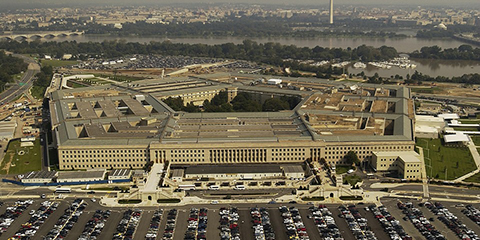
Pentagon journalists walk out over Trump administration press restrictions
In a historic protest, journalists covering the Pentagon resigned their press credentials over new reporting restrictions from the Trump administration. The move highlights growing tensions between the military and the press regarding independent journalism.

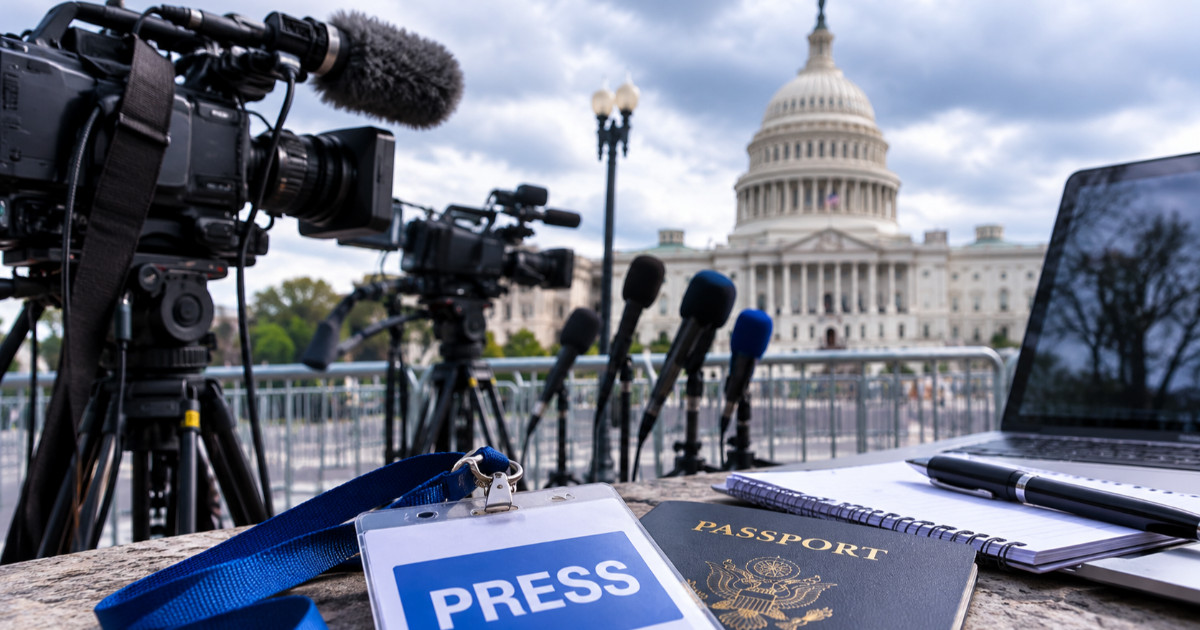
WASHINGTON D.C. — In an unprecedented show of resistance, dozens of journalists covering the Pentagon handed in their press credentials. They left the building on Wednesday, refusing to comply with new reporting restrictions imposed by the Trump administration. The move marks a sharp escalation in tensions between the U.S. military and the press, as reporters push back against policies they say threaten independent journalism.

The restrictions, announced by Defense Secretary Pete Hegseth, would have required journalists to obtain explicit approval from Pentagon officials before reporting on classified or unclassified information. News organizations warned that such rules could leave reporters vulnerable to expulsion if they pursued stories without prior clearance.

In response, media outlets described the rules as an overreach that undermines transparency and freedom of the press. Despite the departure from the Pentagon, outlets pledged to continue comprehensive coverage of the U.S. military from alternative vantage points.

The Trump administration defended the new policies as “common sense” measures intended to regulate what it called a “very disruptive” press. Analysts say the move reflects broader friction between the administration and journalists covering sensitive national security matters, raising questions about access to military briefings and information critical to public oversight.

While the practical effects of the rules remain uncertain, the standoff signals a growing battle over press freedom, with reporters determined to maintain independent reporting even under restrictive conditions.

Key Points

  • Dozens of journalists handed in their press credentials at the Pentagon.
  • New restrictions require prior approval from officials for reporting.
  • Media outlets condemned the rules as an impediment to transparency.
  • The Trump administration defended the changes as necessary measures.
  • The situation signals escalating conflict over press freedom.

Ask AI: Understand this story your way

AI Enabled

Dig deeper, ask anything — get instant context, background, and clarity.

Not sure what to choose? Try one of these.

The AI generates results based on your selected options
Your AI-generated results will appear here after you click the button.

Disclaimer: This feature is powered by AI and is intended to help readers explore and understand news stories more easily. While we strive for accuracy, AI-generated responses may occasionally be incomplete or reflect limitations in the underlying model. This feature does not represent the editorial views of JournalismPakistan. For our full, verified reporting, please refer to the original article.


Explore Further

The biggest threats to journalism right now

The biggest threats to journalism right now

 April 08, 2026: Journalism faces a convergence of legal, economic, technological and political pressures that threaten editorial independence, financial viability and trust.

Newsroom
Lawsuit against The Atlantic fuels press freedom concerns

Lawsuit against The Atlantic fuels press freedom concerns

 April 21, 2026 Kash Patel's defamation suit against The Atlantic has intensified scrutiny of legal pressures on journalists and raised concerns about press freedom.


Meera walkout puts focus on Irshad Bhatti's interview ethics

Meera walkout puts focus on Irshad Bhatti's interview ethics

 April 20, 2026 Irshad Bhatti's podcast interview with actor Meera drew criticism after he pressed personal topics and Meera walked out, sparking debate over media accountability.


One article, no newsroom: Viral piece sparks debate on Pakistan media

One article, no newsroom: Viral piece sparks debate on Pakistan media

 April 20, 2026 Dan Qayyum's viral article drew one million views in days, igniting debate about independent creators' reach and what it means for Pakistan's newsrooms.


From regulation to resignations: Pakistan's media fault lines

From regulation to resignations: Pakistan's media fault lines

 April 19, 2026 Pakistan's media faced regulatory scrutiny, leadership changes and digital consolidation, highlighting industry stress and rising international recognition.


Asia press freedom: A week of pressure and progress

Asia press freedom: A week of pressure and progress

 April 19, 2026 Across Asia, journalists faced growing legal pressure, expanded surveillance and attacks on media outlets, even as a key appointment boosted gender diversity.


Popular Stories