.png)
Norway exchange revives scrutiny of Indian media
JournalismPakistan.com | Published: 20 May 2026 | JP Global Monitoring
Join our WhatsApp channel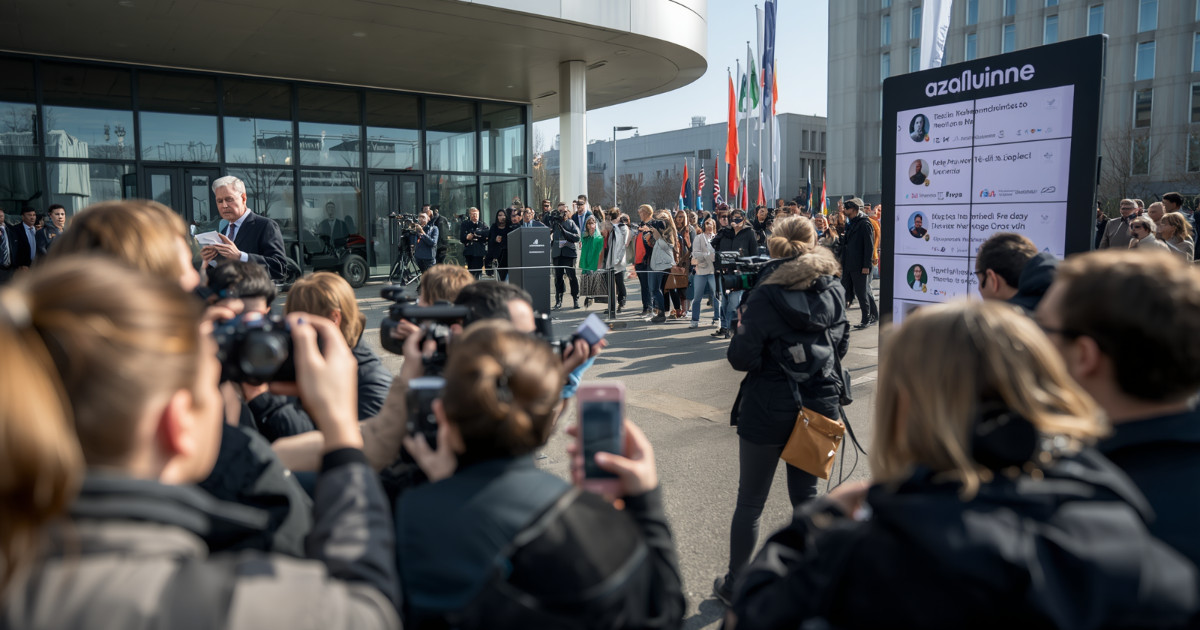
A Norwegian reporter's question to PM Narendra Modi in Norway on May 19 went viral and renewed scrutiny of media access and press freedom in India. The exchange renewed attention to allegations of legal pressure and online harassment against journalists.Summary
OSLO — A question posed by a Norwegian journalist during Indian Prime Minister Narendra Modi’s visit to Norway has reignited international debate over media access and press freedom in India, with the exchange rapidly spreading across social media and journalism forums on May 19.
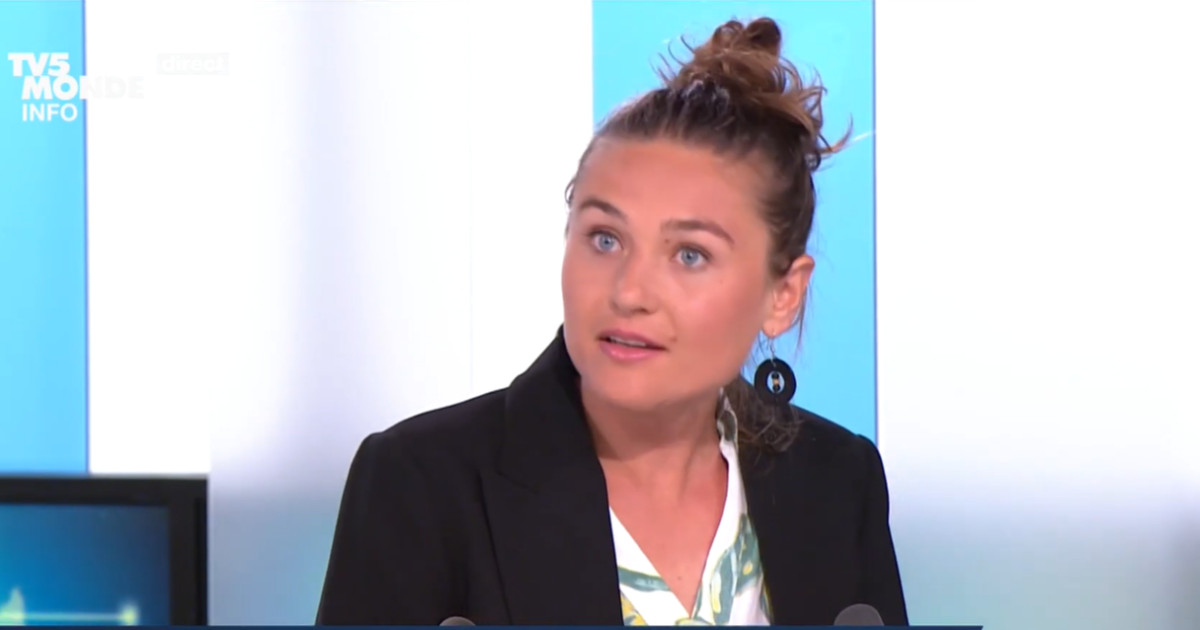
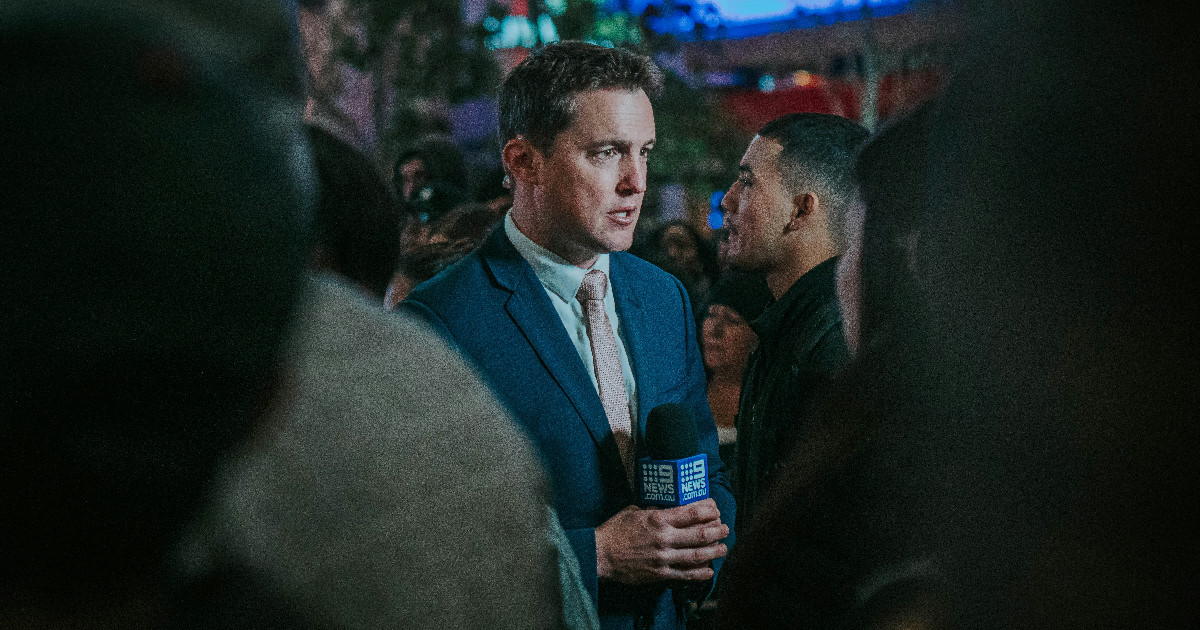
The incident occurred during a diplomatic appearance linked to Modi’s visit to Norway, where Norwegian reporter Helle Lyng asked the Indian prime minister: “Why don't you take some questions from the freest press in the world?” Clips and summaries of the interaction circulated widely online, prompting reactions from journalists, press freedom advocates, and media commentators across multiple countries. While the exchange itself was brief, it became a focal point for broader discussions about the challenges facing independent journalism in India and the visibility of those concerns on international platforms.
Media access concerns gain global visibility
The renewed attention comes amid continuing international scrutiny of India’s media environment. Press freedom organizations, including Reporters Without Borders and the Committee to Protect Journalists, have repeatedly raised concerns in recent years about legal pressure on journalists, online harassment, restrictions on reporting, and the shrinking space for adversarial questioning.
Critics have pointed to the increasing use of defamation laws, anti-terror legislation, internet shutdowns, and pressure on independent digital media organizations in India. The authorities have consistently rejected allegations that press freedom is under threat, maintaining that the country has a vibrant and diverse media landscape.
The Norway exchange gained additional traction because it occurred in an international diplomatic setting rather than within India itself. Media analysts noted that overseas appearances by political leaders increasingly become opportunities for foreign reporters to raise issues that domestic journalists may face difficulty pursuing aggressively at home.
Online amplification shapes narrative
Social media platforms played a significant role in amplifying the incident. Journalists and commentators shared clips, transcripts, and reactions across platforms, including X and YouTube, turning a short exchange into a broader international discussion about democratic accountability and media independence.
The episode also highlighted the evolving relationship between diplomacy, digital platforms, and journalism. Analysts observed that even brief media interactions can rapidly become global flashpoints when amplified through online networks, particularly on issues tied to democracy, transparency, and civil liberties.
For international press freedom advocates, the attention surrounding the Norway exchange reflected continued concern about whether journalists in major democracies can freely challenge political leaders without institutional or political repercussions. The discussion further underscored how media freedom debates increasingly transcend national borders through digital dissemination and global news cycles.
WHY THIS MATTERS: For journalists and media organizations, the episode demonstrates how international scrutiny of media freedom can quickly shape global perceptions of a country’s democratic environment. It also illustrates the growing importance of cross-border solidarity among journalists and the role of international forums in raising questions that may face resistance domestically. The incident offers a broader lesson about the power of digital amplification in modern journalism. Even brief exchanges during diplomatic events can influence international narratives about press freedom, media independence, and accountability, particularly in South Asia’s highly interconnected information environment.
ATTRIBUTION: Reporting by JournalismPakistan, based on publicly available reporting and commentary published by international media outlets and press freedom organizations on May 19, 2026.
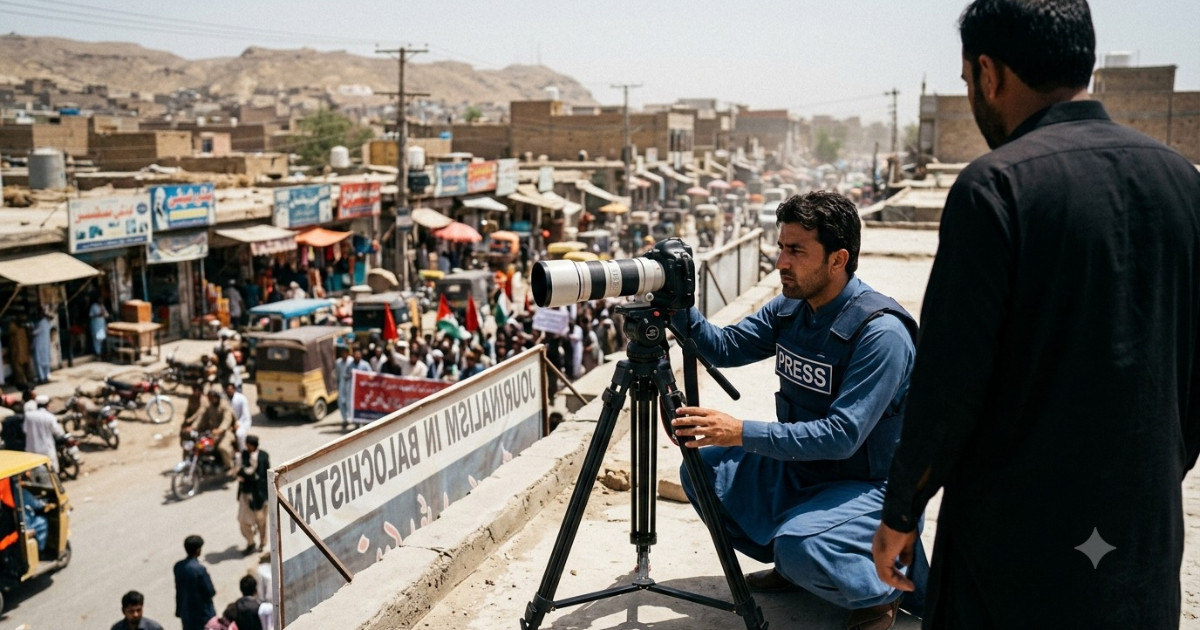
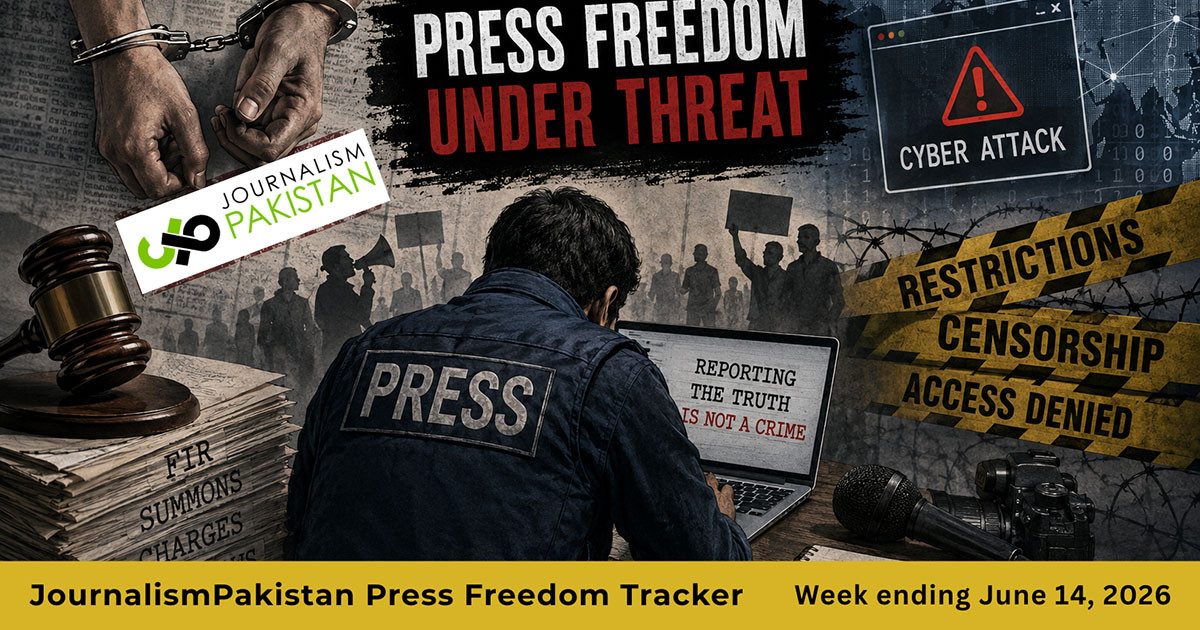
PHOTO: AI-generated; for illustrative purposes only.
Key Points
- Norwegian reporter Helle Lyng asked Prime Minister Narendra Modi a question during his Norway appearance.
- Clips of the brief exchange circulated widely on social media and journalism forums on May 19.
- The interaction reignited international debate over media access and press freedom in India.
- Press freedom organisations have highlighted legal pressure, online harassment and reporting restrictions as ongoing concerns.
- The episode brought increased visibility to the challenges faced by independent journalism in India on global platforms.
Key Questions & Answers
What happened in Norway?
A Norwegian reporter asked Prime Minister Narendra Modi a pointed question during his visit to Norway, and clips of the exchange went viral, prompting international discussion about media access and press freedom in India.
Who asked the question?
The question was posed by Norwegian reporter Helle Lyng during a diplomatic appearance linked to Modi's visit to Norway.
Why did the exchange gain attention?
The brief interaction was widely shared on social media and journalism forums, and it renewed scrutiny of concerns about media access, legal pressure, and online harassment raised by press freedom groups.
What issues have press freedom groups raised?
Organizations such as Reporters Without Borders and the Committee to Protect Journalists have cited legal actions, online harassment, restrictions on reporting, and pressure on independent outlets as key concerns.
Relevant Topics
Ask AI: Understand this story your way
AI EnabledDig deeper, ask anything — get instant context, background, and clarity.
Disclaimer: This feature is powered by AI and is intended to help readers explore and understand news stories more easily. While we strive for accuracy, AI-generated responses may occasionally be incomplete or reflect limitations in the underlying model. This feature does not represent the editorial views of JournalismPakistan. For our full, verified reporting, please refer to the original article.