
Pakistan TV staffers face Eid without pay
JournalismPakistan.com | Published: 11 March 2026 | JP Staff Report
Join our WhatsApp channel
Ahead of Eid, the Rawalpindi-Islamabad Union of Journalists urged the Information Minister to act after an audit found staff at seven Pakistani TV channels unpaid or partially paid, with some waiting up to three months. Our analysis examines the causes of chronic salary delays, their impact on journalists, and the implications for Pakistan's television news industry.Summary
ISLAMABAD — The chronic problem of delayed and unpaid salaries in Pakistan’s television news industry has resurfaced with renewed urgency ahead of Eid ul Fitr, prompting the Rawalpindi-Islamabad Union of Journalists (RIUJ) to formally appeal to Information Minister Attaullah Tarar for immediate government intervention.
In a letter sent to the minister, RIUJ President Asif Bashir Chaudhry warned that journalists and media workers at several television channels are facing “severe financial distress” as salary arrears continue to accumulate despite repeated assurances from authorities and management.
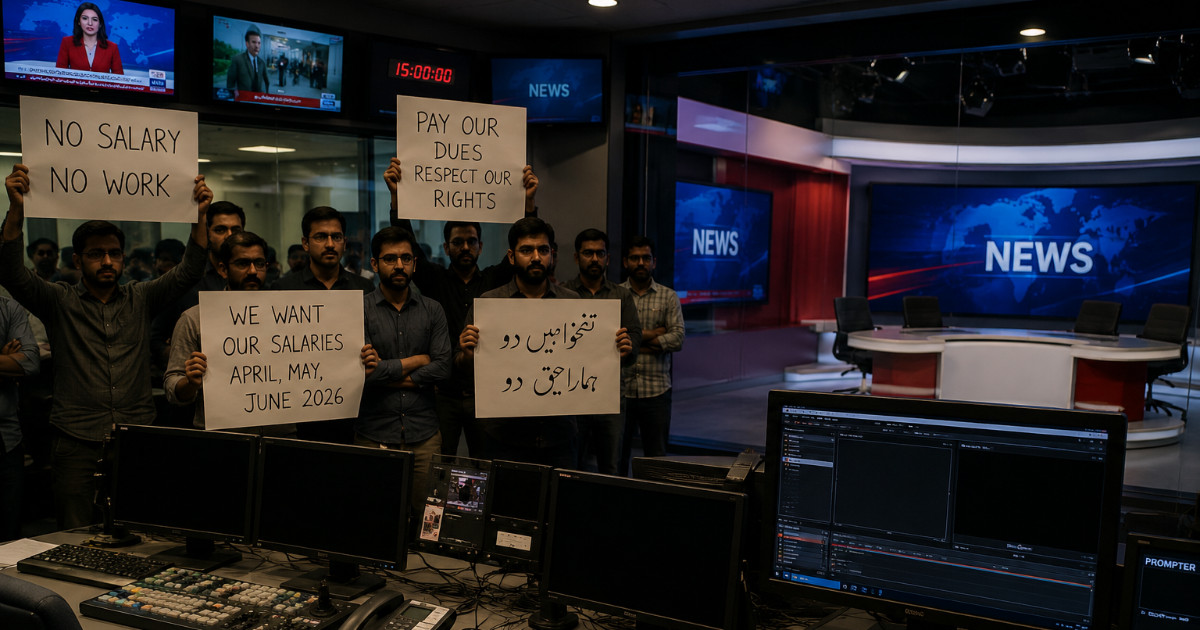
According to the union’s internal audit conducted on March 11, 2026, employees at at least seven television channels remain unpaid or partially paid, with some staff waiting for up to three months to receive their wages. The crisis comes at a particularly sensitive time, as thousands of media workers prepare for Eid expenses without clarity about when their salaries will be released.
Union lists channels facing major salary delays
Channels identified by the union include Neo News, where many employees are awaiting three months of unpaid salaries; Aik News, where January and February wages remain outstanding for several staff; Abb Takk News, where the February salary has not been paid and January dues were cleared only after significant delay; Suno News, where February payments are pending and January salaries were paid late; Aaj News, where most employees are still waiting for January and February salaries; BOL News, where February wages have yet to be released; and 365 News, where February payments remain pending after January dues were cleared late.
Growing frustration among journalists
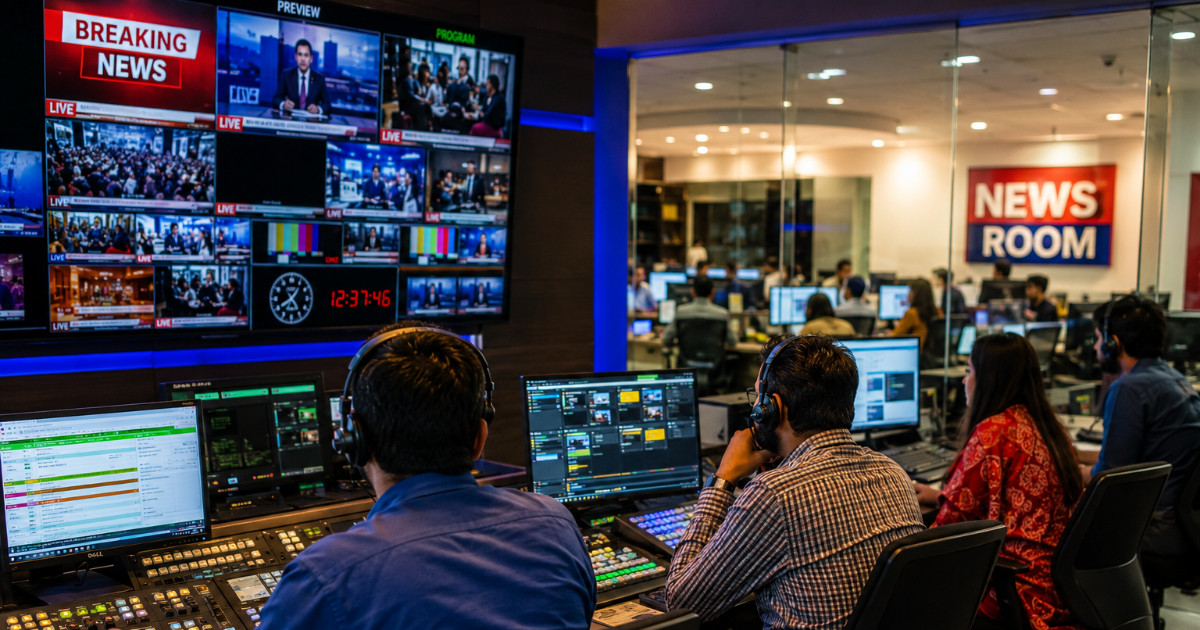
For journalists and technical staff working in Pakistan’s television industry, delayed salaries have become an all too familiar reality. Reporters, producers, camera operators, editors, and support staff often continue working for weeks or months without pay, hoping that management will eventually release their dues.
Union representatives say the situation is particularly harsh for junior newsroom employees, who rely almost entirely on monthly wages to cover rent, transportation, and family expenses. When salaries are delayed, many journalists are forced to borrow money, delay household payments, or rely on relatives to survive.
The timing of the latest salary crisis has amplified these concerns. Eid ul Fitr traditionally brings increased household spending, including clothing, gifts, and travel to visit relatives. For many media workers, however, the festive period has instead become a reminder of financial uncertainty.
In his letter, Chaudhry urged the government to take immediate action to protect journalists from what he described as a systemic failure within the television sector. He proposed three key measures: directing all media houses to clear pending salaries before Eid holidays, linking the release of government advertising payments to verified clearance of staff salaries, and issuing immediate notices to defaulting managements that fail to pay employees on time.
PEMRA’s warnings and limited enforcement
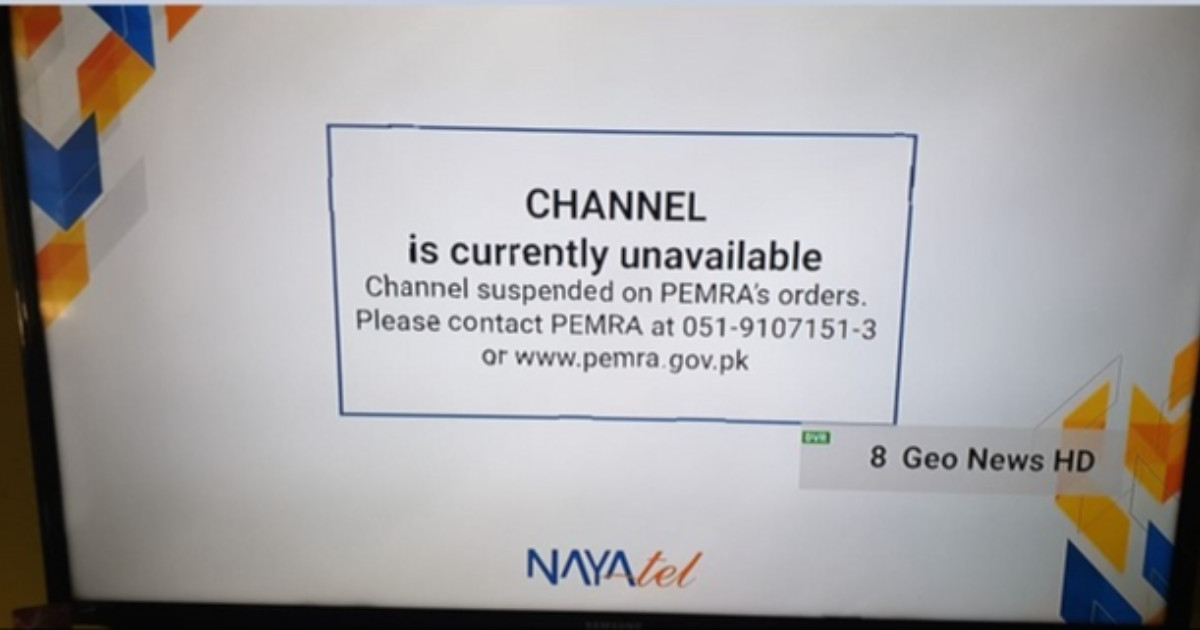
The Pakistan Electronic Media Regulatory Authority (PEMRA) has previously acknowledged the problem. Last month, the regulator directed all satellite television channel licensees to ensure the timely payment of salaries ahead of Eid ul Fitr, citing complaints raised by journalists’ unions.
The directive followed a formal complaint by the RIUJ highlighting persistent salary delays affecting newsroom employees across several channels. However, critics say regulatory warnings alone have rarely produced lasting change. While PEMRA occasionally issues advisories or reminders to media houses, enforcement mechanisms remain limited, and penalties for non-compliance are rarely imposed in a way that significantly alters management behavior. As a result, many journalists believe the salary crisis will continue unless structural reforms are introduced.
A recurring crisis in Pakistan’s television sector
Delayed salaries are not a new phenomenon in Pakistan’s media landscape. Over the past decade, numerous television channels and newspapers have struggled with financial instability, leading to layoffs, downsizing, and repeated salary arrears.
Industry observers attribute the problem to a combination of structural pressures. Advertising revenue, the primary financial lifeline for television channels, has fluctuated sharply amid economic downturns. At the same time, the number of news channels expanded rapidly during the past two decades, creating fierce competition for a limited advertising pool.
Political pressures have also played a role. Some media organizations have experienced sudden drops in government advertising or commercial sponsorships after editorial conflicts with powerful political actors. Such financial shocks can quickly destabilize outlets that already operate with narrow profit margins.
Meanwhile, the rise of digital media has fragmented audiences and diverted advertising budgets toward social media platforms and online outlets. Traditional television broadcasters now compete not only with each other but also with global technology platforms that dominate digital advertising markets.
Linking advertising to salary payments
Among the RIUJ’s demands, the proposal to link government advertising payments to the clearance of staff salaries has attracted particular attention within the media community.
Government advertising constitutes a significant revenue stream for many television channels. If authorities require proof that employees have been paid before releasing advertising funds, the policy could potentially create financial pressure on management to prioritize staff wages.
Supporters argue that such a mechanism would introduce accountability into an industry where workers often have little leverage. Critics, however, caution that the policy must be implemented transparently to avoid becoming another tool for political influence over the media.
Without clear and consistent enforcement, they warn, the measure could risk reinforcing existing dependencies between news organizations and government institutions.
Impact on journalism and newsroom morale
Beyond the immediate financial hardship for employees, chronic salary delays raise deeper questions about the sustainability of Pakistan’s television news industry. Journalists working under constant financial stress may struggle to maintain professional focus and independence. When employees worry about whether they will be paid at the end of the month, newsroom morale declines, and professional standards can suffer.
Delayed salaries also contribute to talent drain. Experienced reporters and producers often leave traditional media outlets for digital platforms, corporate communications roles, or opportunities abroad where financial stability is more reliable.
Over time, this exodus can weaken the quality and credibility of television journalism.
Labor protections remain weak
Another factor behind the recurring salary crisis is the limited enforcement of labor protections within the media sector. While Pakistan’s labor laws provide mechanisms to address wage disputes, media employees rarely pursue legal remedies due to lengthy procedures and fear of losing their jobs.
Journalists’ unions have repeatedly called for stronger protections, including mandatory salary escrow accounts, stricter licensing conditions tied to employee welfare, and faster legal recourse for unpaid wages. Yet progress has been slow, leaving unions to rely primarily on public pressure and appeals to regulators.
As Eid approaches, the RIUJ’s appeal highlights a question that continues to shadow Pakistan’s media landscape: if television channels cannot reliably pay the journalists who produce the news, what does that mean for the future credibility and resilience of the country’s press?
WHY THIS MATTERS: Chronic salary delays in Pakistan’s television industry are not merely an internal management issue. They directly affect the livelihood of journalists and the health of the country’s media ecosystem. When news organizations fail to pay their employees consistently, it undermines newsroom stability, discourages talented journalists from remaining in the profession, and raises concerns about the long-term sustainability and independence of broadcast journalism.
ATTRIBUTION: Reporting by JournalismPakistan
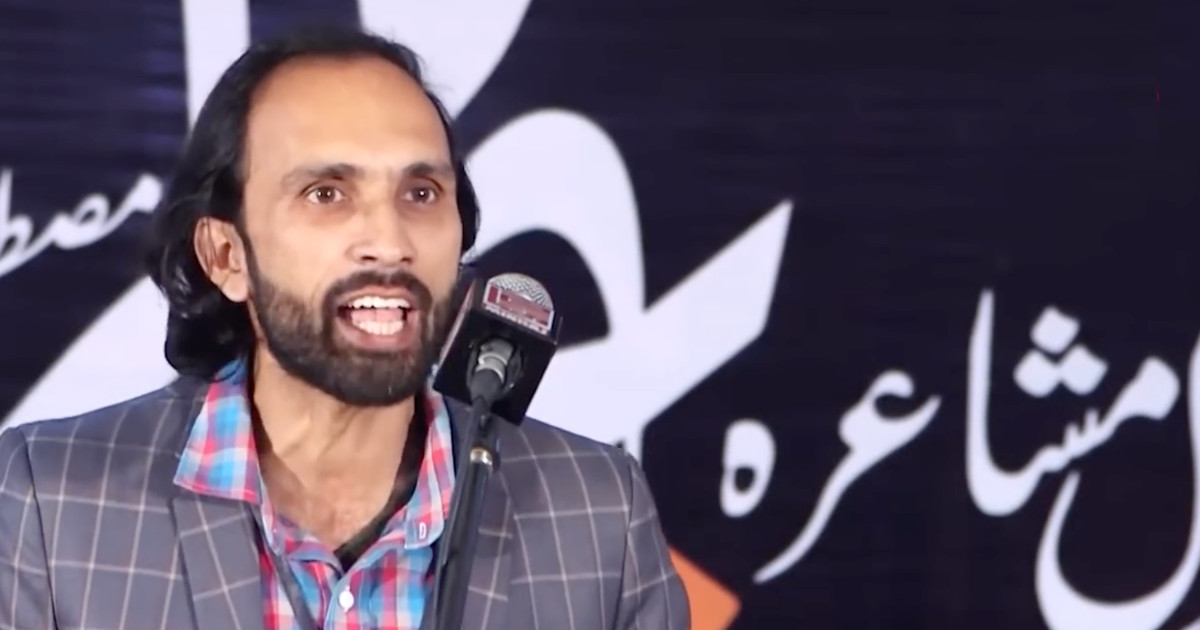
PHOTO: AI-generated; for illustrative purposes
Key Points
- RIUJ wrote to Information Minister Attaullah Tarar seeking immediate intervention.
- An internal RIUJ audit (March 11, 2026) found employees at at least seven channels unpaid or partially paid.
- Some staff report waiting up to three months to receive their wages.
- Channels named by the union include Neo News, Aik News, Abb Takk, Suno News, Aaj News BOL News, and 365 News.
- Thousands of media workers face Eid expenses amid mounting salary arrears and financial distress.
Key Questions & Answers
Why did the RIUJ appeal to the information minister?
The union appealed after an internal audit found multiple television channels had unpaid or partially paid staff ahead of Eid; it sought government action to secure salaries.
Which channels are reported to have salary delays?
The union listed Neo News, Aik News, Abb Takk, Suno News, Aaj News, BOL News, and 365 News as facing major salary delays.
How long have some employees been waiting for pay?
Some staff are reported to be waiting up to three months to receive their wages.
What relief is the union seeking?
The union requested immediate government intervention to ensure the release of owed salaries and to protect media workers' livelihoods.
Ask AI: Understand this story your way
AI EnabledDig deeper, ask anything — get instant context, background, and clarity.
Disclaimer: This feature is powered by AI and is intended to help readers explore and understand news stories more easily. While we strive for accuracy, AI-generated responses may occasionally be incomplete or reflect limitations in the underlying model. This feature does not represent the editorial views of JournalismPakistan. For our full, verified reporting, please refer to the original article.