.png)
PEMRA orders TV channels to clear delayed salaries before Eid
JournalismPakistan.com | Published: 26 February 2026 | JP Staff Report
Join our WhatsApp channel
PEMRA directed satellite TV licensees to pay delayed salaries before Eid ul Fitr after complaints from a journalists' union. The regulator warned the Council of Complaints can recommend sanctions and Section 20B allows suspension of govt ads for defaulters.Summary
ISLAMABAD — The Pakistan Electronic Media Regulatory Authority (PEMRA) has directed all satellite television channel licensees to ensure the timely payment of delayed staff salaries ahead of Eid ul Fitr, citing concerns raised by journalists’ representatives.
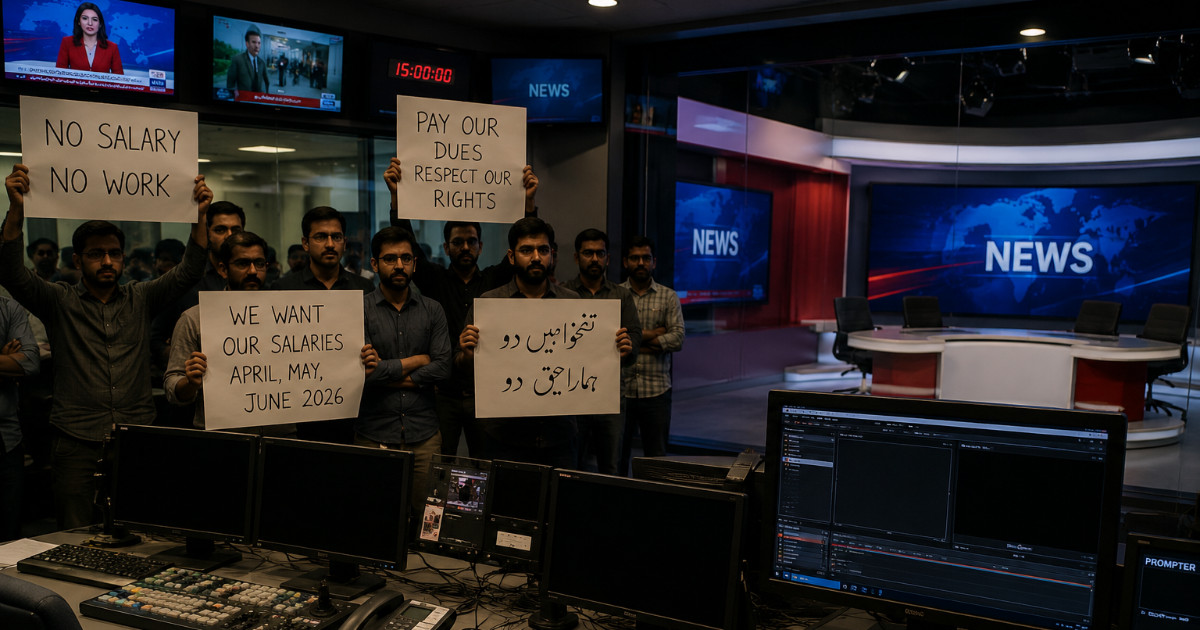
The directive follows a formal complaint by the Rawalpindi-Islamabad Union of Journalists, whose president, Tariq Usmani, highlighted persistent salary delays affecting newsroom employees.
Salary complaints trigger regulatory warning
In a written communication to television channel licensees, PEMRA asked managements to clear outstanding wages at the earliest and submit a compliance report by the first week of March. The regulator underscored the financial strain on media workers during the holy month and the upcoming Eid, when household expenses typically rise.
According to the letter, media workers can file complaints under provisions of the amended PEMRA Act with the regulator’s Council of Complaints over non-payment of wages and related employment concerns.
Enforcement powers linked to government ads
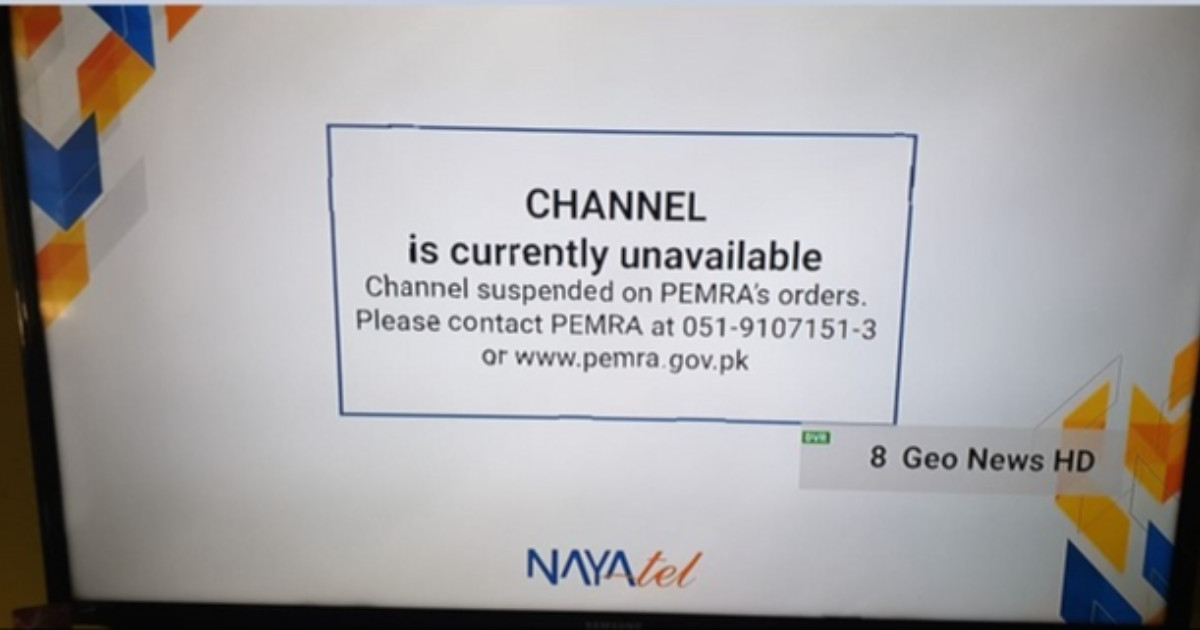
PEMRA stated that after a hearing of any complaints, the Council of Complaints may recommend action to the Authority. If a licensee fails to comply with the regulator’s decision, Section 20B of the PEMRA Act can be invoked, including the suspension of government advertising to the defaulting channel until outstanding dues are cleared.
The move signals a potential escalation in enforcement, as government advertising remains a significant revenue source for many broadcasters. Blocking such advertisements could exert financial pressure on channels that fail to pay staff salaries on time.
Industry observers say salary delays have been a recurring problem in parts of Pakistan’s electronic media sector, particularly during periods of declining advertising revenue and broader economic stress. However, regulatory intervention tied directly to compliance reporting and possible ad suspensions marks a more formal accountability mechanism.
WHY THIS MATTERS: For Pakistani journalists and newsroom staff, the directive reinforces that wage disputes can be formally pursued through a regulatory channel rather than relying solely on internal management processes. The linkage between salary compliance and government advertising introduces a tangible enforcement tool that could influence newsroom stability and labor practices. Media organizations may need to reassess financial planning and payroll prioritization to avoid regulatory penalties.
ATTRIBUTION: Information based on PEMRA’s official communication to satellite TV licensees and statements by the Rawalpindi-Islamabad Union of Journalists, as publicly documented and shared with media outlets.
PHOTO: AI-generated; for illustrative purposes only.
Key Points
- PEMRA directed satellite TV licensees to clear delayed staff salaries before Eid ul Fitr.
- The order followed a formal complaint by the Rawalpindi-Islamabad Union of Journalists.
- Channels were asked to submit a compliance report by the first week of March.
- Media workers may file complaints with the Council of Complaints under the amended PEMRA Act.
- Section 20B could lead to suspension of government advertising for non-compliant licensees.
Key Questions & Answers
Who issued the directive?
The Pakistan Electronic Media Regulatory Authority (PEMRA) issued the directive to satellite TV licensees.
What are channels required to do?
Channels must clear outstanding staff salaries and submit a compliance report by the first week of March.
What enforcement actions did PEMRA warn about?
The Council of Complaints may recommend action and Section 20B permits suspension of government advertising for non-compliance.
How can affected media workers seek redress?
Media workers can file complaints with PEMRA's Council of Complaints under the provisions of the amended PEMRA Act.
Relevant Topics
Ask AI: Understand this story your way
AI EnabledDig deeper, ask anything — get instant context, background, and clarity.
Disclaimer: This feature is powered by AI and is intended to help readers explore and understand news stories more easily. While we strive for accuracy, AI-generated responses may occasionally be incomplete or reflect limitations in the underlying model. This feature does not represent the editorial views of JournalismPakistan. For our full, verified reporting, please refer to the original article.