.png)
Pakistan media layoffs accelerate amid global newsroom cuts
JournalismPakistan.com | Published: 2 April 2026 | JP Staff Report
Join our WhatsApp channel
Pakistan's media sector is facing layoffs and hiring freezes as television networks and digital platforms cut staff amid shrinking advertising revenues and rising costs. Journalists report heavier workloads, fewer resources and limited entry-level opportunities.Summary
ISLAMABAD — A fresh wave of newsroom layoffs and hiring freezes is reshaping the global media industry, with economic pressures, declining ad revenues, and digital disruption forcing organizations to scale back operations. Across markets, media companies are cutting costs, consolidating teams, and slowing recruitment, signaling a prolonged period of uncertainty for journalists.
In Pakistan, the trend has become increasingly visible in recent months, mirroring global patterns. Several television networks and digital platforms have reduced staff or halted hiring, reflecting shrinking revenues and a challenging advertising environment ahead of key fiscal cycles.
Pakistan newsrooms tighten budgets amid revenue strain
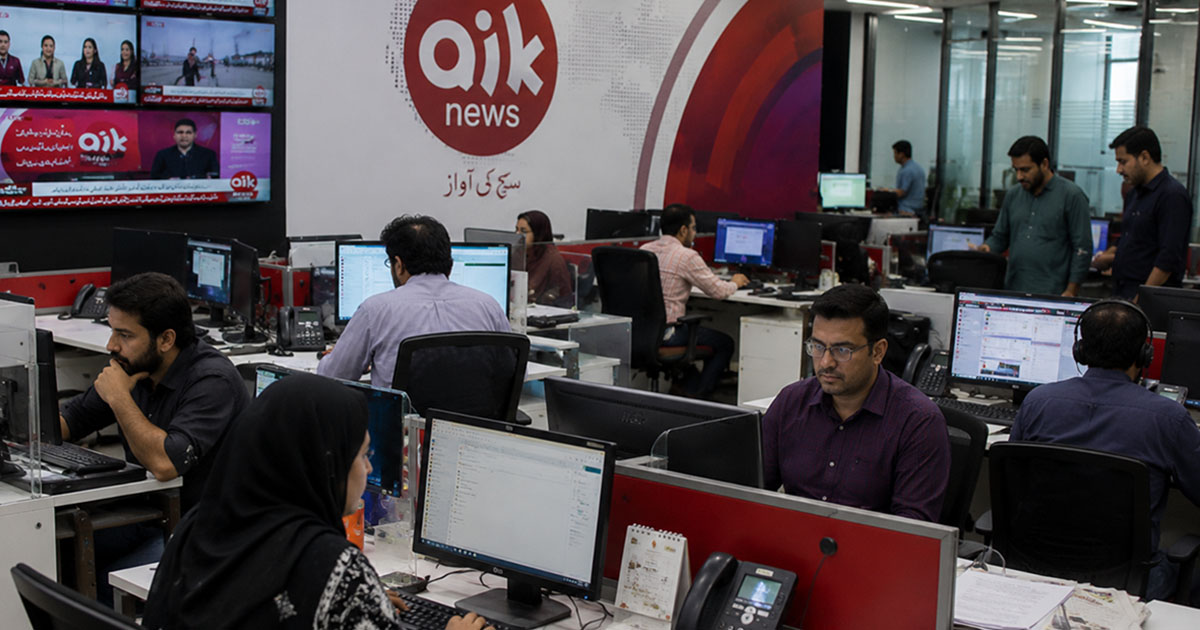
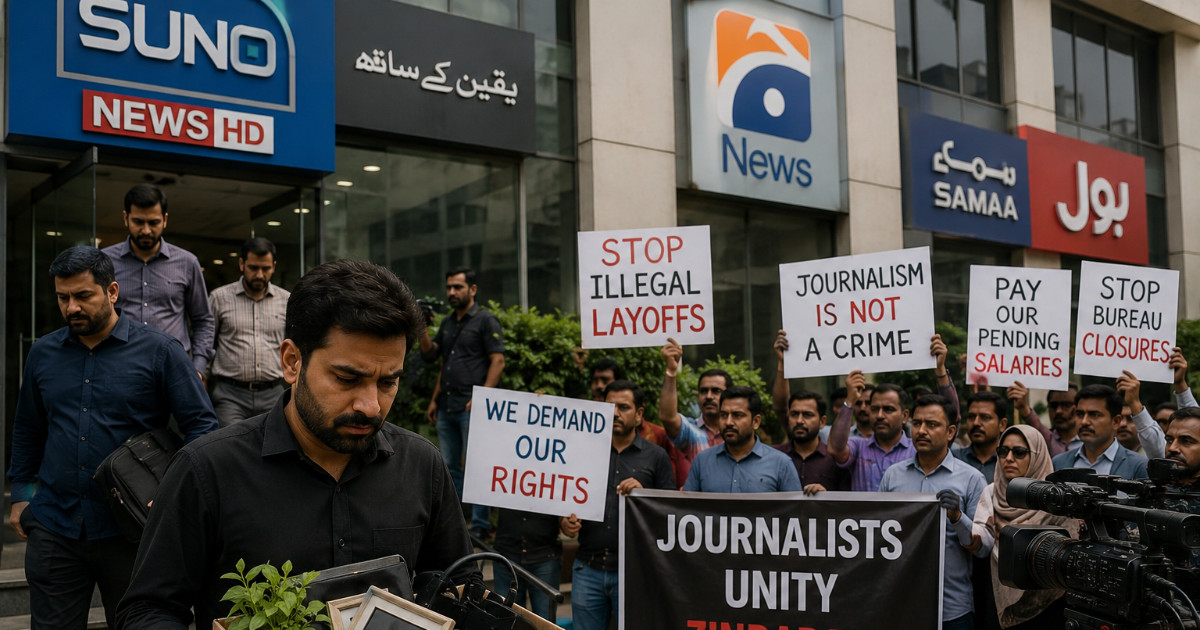
Recent layoffs at Aaj News and staff reductions at Abb Takk before Eid highlight the growing financial strain on local broadcasters. These developments follow earlier job cuts in 2025 at Nukta and NewsOne, where restructuring efforts led to significant downsizing. Industry observers say these moves are part of a broader recalibration as media houses attempt to stay afloat amid rising operational costs and reduced commercial income.
While exact numbers vary and are not always publicly disclosed, newsroom employees report increased workloads, fewer resources, and heightened job insecurity. Hiring freezes have further limited opportunities for early-career journalists, tightening an already competitive job market.
Major U.S. outlets cut staff amid digital transformation
The Washington Post recently announced sweeping layoffs that will affect roughly one‑third of its overall workforce, including significant cuts to its newsroom operations and the shuttering or scaling back of key sections such as sports, books, and some foreign bureaus. Executive editor Matt Murray framed the reductions as part of a broader restructuring to adapt to changing reader habits and financial pressures. Still, the move has drawn sharp criticism from former editors and union representatives who warn it could substantially weaken the outlet’s capacity for comprehensive, high‑impact journalism and coverage of underreported regions. Protests and rallies by supporters and journalists outside The Post’s Washington, D.C. headquarters have underscored industry concerns about the broader implications of these cuts for the vitality of the independent press.
At CBS News, the network is ending its nearly century‑old CBS News Radio service and implementing newsroom job cuts as part of a strategic pivot toward digital and streaming operations under new leadership. The decision will eliminate all positions within the radio division and is reportedly part of a broader workforce reduction affecting roughly 6 percent of CBS News staff, including some correspondents based in key U.S. regions. Leaders have described the changes as necessary to modernize the network’s offerings, but the moves have unsettled employees and stirred debate about the future of legacy broadcast journalism in the digital era.
Global trends signal structural shift in media industry
Globally, layoffs across major media organizations have been driven by declining print revenues, shifts in digital consumption, and competition from technology platforms. Newsrooms in North America, Europe, and parts of Asia have announced cuts, with some outlets pivoting toward leaner digital-first models or subscription-based strategies.
Analysts note that the current wave of layoffs is not merely cyclical but indicative of a structural transformation. Automation, AI-assisted content production, and audience fragmentation are forcing media companies to rethink traditional newsroom models and redefine roles within journalism.
In this evolving landscape, journalists are increasingly expected to be multi-skilled, adaptable, and digitally proficient. At the same time, concerns about editorial quality, investigative capacity, and media independence are growing as resources shrink.
WHY THIS MATTERS: The rise in layoffs underscores the need for Pakistani journalists to diversify skills and adapt to digital-first environments. It also raises concerns about newsroom capacity, editorial independence, and the long-term sustainability of quality journalism in a constrained economic climate.
ATTRIBUTION: Information cited from publicly available reporting by BusinessMirror (February 5, 2026) on The Washington Post layoffs, and by The Washington Post (March 20, 2026) on CBS News staff reductions. Additional information based on reporting by JournalismPakistan on newsroom developments and layoffs in Pakistan media organizations during 2025–2026, with context from industry reporting by Reuters (March 2026) on global media layoffs and restructuring trends.
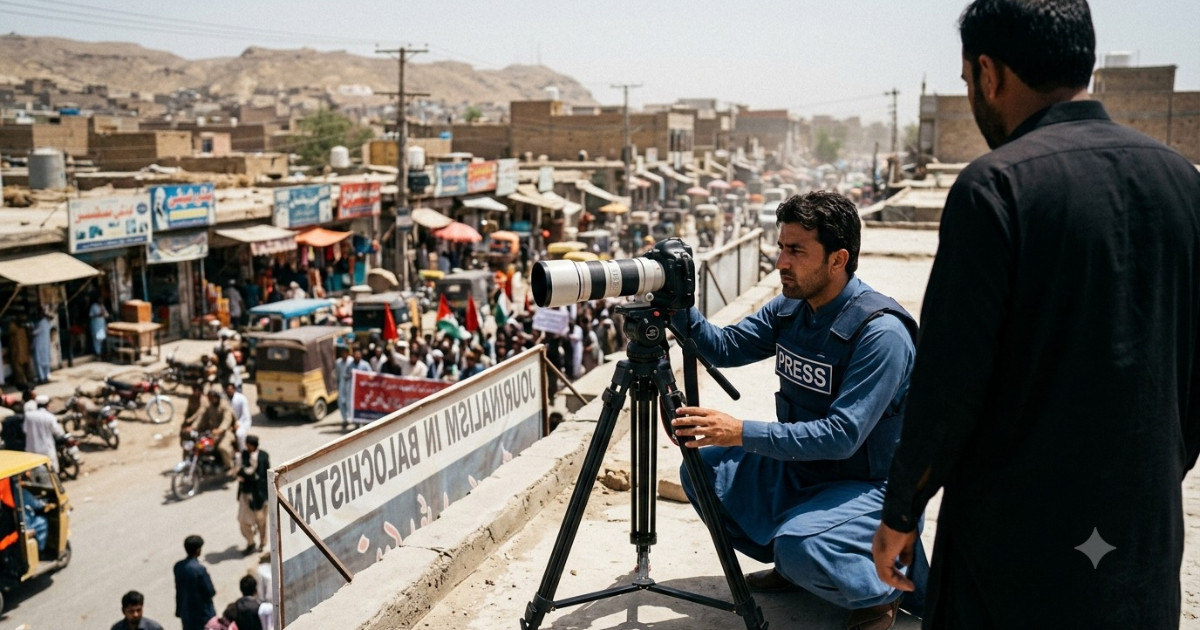
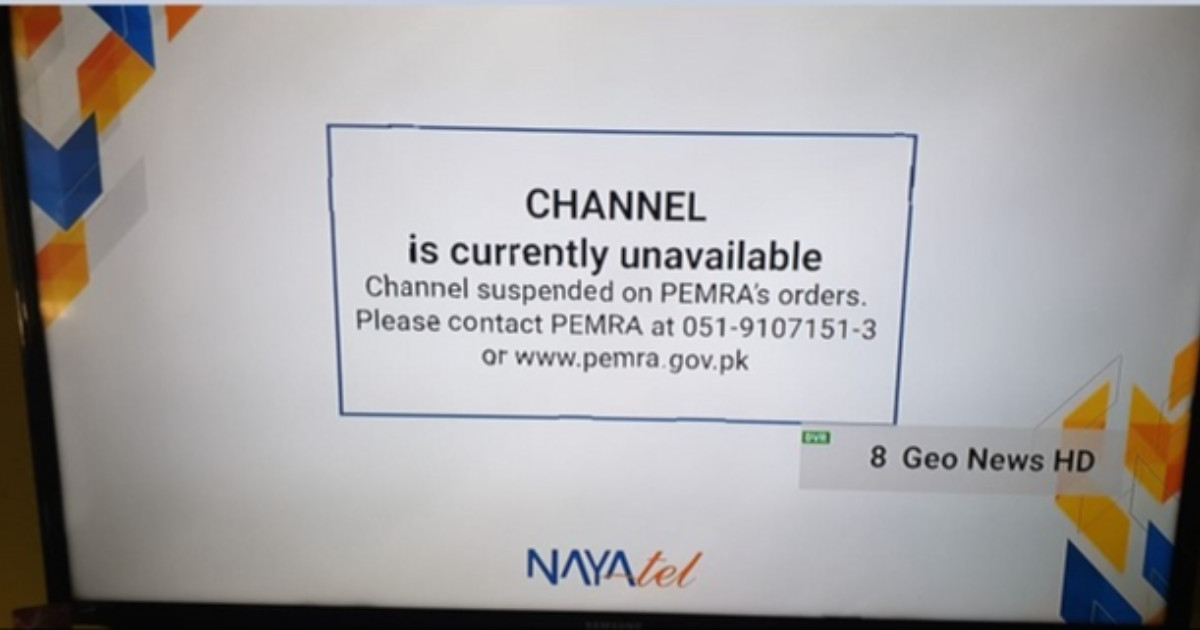
PHOTO: AI-generated; for illustrative purposes only.
Key Points
- Media companies in Pakistan are enacting layoffs and hiring freezes.
- Affected outlets include Aaj News, Abb Takk, Nukta and NewsOne.
- Primary drivers are falling ad revenues, rising costs and digital disruption.
- Employees report heavier workloads, fewer resources and heightened job insecurity.
- Hiring freezes limit entry-level opportunities, tightening the journalist job market.
Key Questions & Answers
Why are Pakistani newsrooms cutting staff?
Declining advertising revenues, rising operating costs and digital disruption have forced broadcasters and digital platforms to reduce staff to manage expenses.
Which outlets have reported layoffs?
Recent reductions have been reported at Aaj News and Abb Takk, with earlier cuts at Nukta and NewsOne noted in 2025.
How are layoffs affecting journalists?
Journalists face increased workloads, fewer resources and greater job insecurity; hiring freezes also reduce opportunities for early-career reporters.
Is this part of a global trend?
Yes; similar layoffs and restructurings are occurring worldwide as media organizations respond to structural industry changes and shrinking revenues.
Relevant Topics
Ask AI: Understand this story your way
AI EnabledDig deeper, ask anything — get instant context, background, and clarity.
Disclaimer: This feature is powered by AI and is intended to help readers explore and understand news stories more easily. While we strive for accuracy, AI-generated responses may occasionally be incomplete or reflect limitations in the underlying model. This feature does not represent the editorial views of JournalismPakistan. For our full, verified reporting, please refer to the original article.