
Newsrooms without walls and what it means for journalism
JournalismPakistan.com | Published: 31 January 2026 | JP Staff Report
Join our WhatsApp channel
Physical newsrooms are being replaced by distributed remote workflows; while digital tools maintain output, they reduce spontaneous collaboration, weakening mentorship, informal training and the transfer of institutional knowledge.Summary
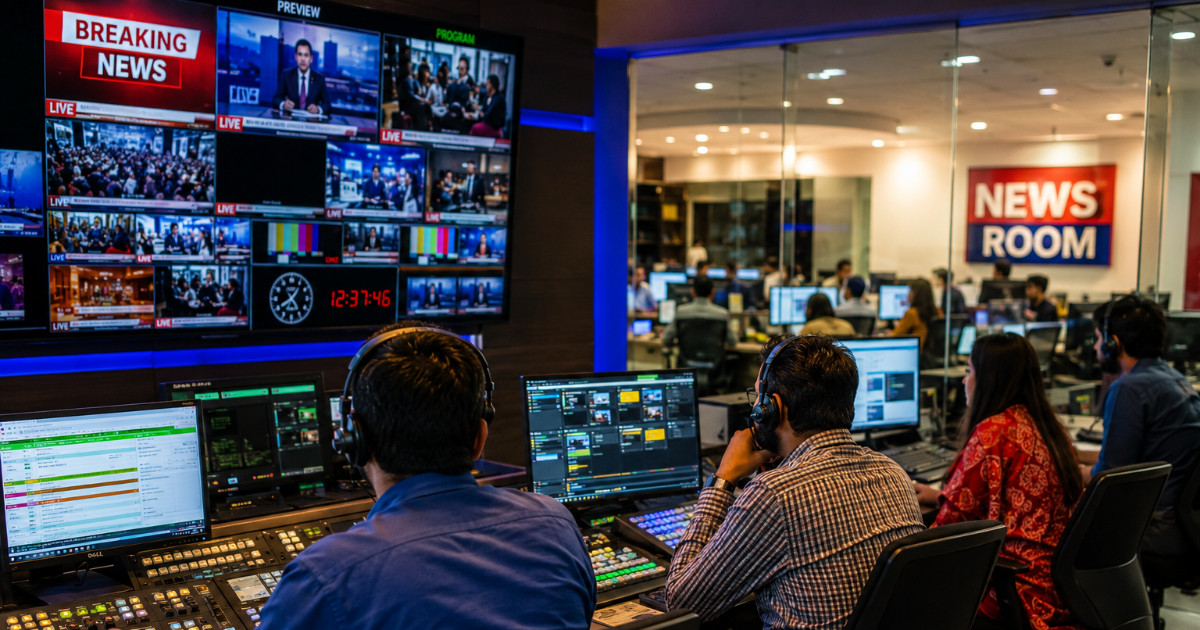
ISLAMABAD — For more than a century, the newsroom functioned as a physical hub where journalism was learned, practiced, and socially reinforced. Reporters, editors, photographers, and copy desks shared the same space, allowing information, judgment, and institutional memory to circulate in real time. These environments shaped professional norms through daily interaction rather than formal policy.
Physical newsrooms were also training grounds. Younger reporters absorbed standards by observing senior colleagues, overhearing edits, and participating in informal debates about ethics, language, and verification. Research on newsroom sociology has long shown that these interactions influenced accuracy, speed, and editorial consistency across publications.
The shift from shared spaces to distributed work
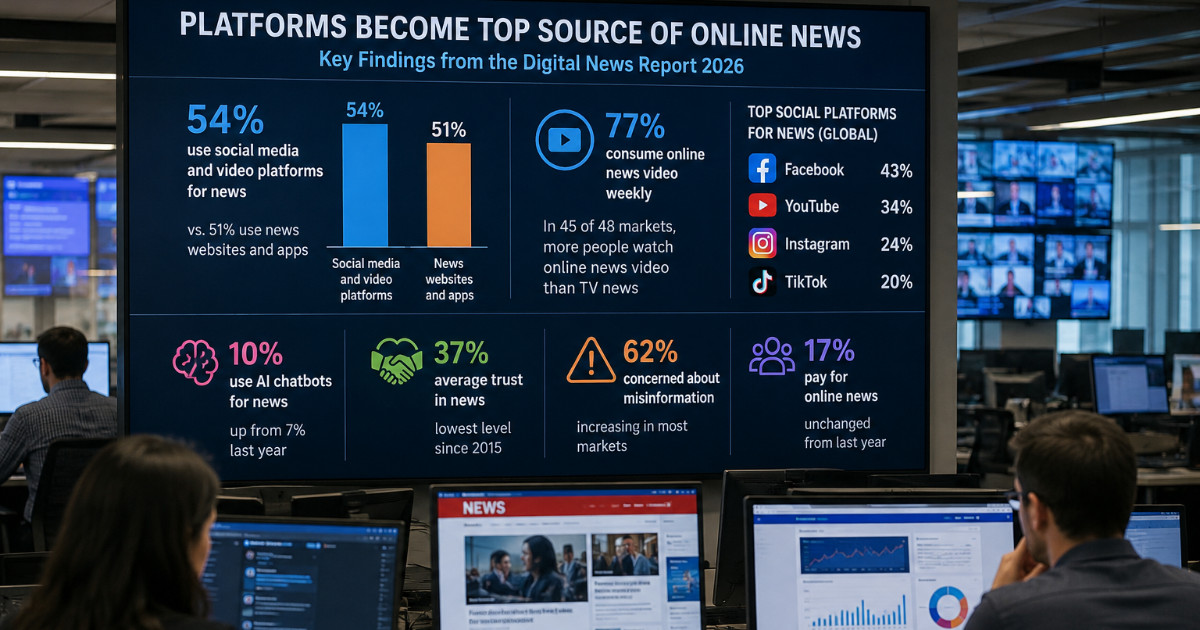
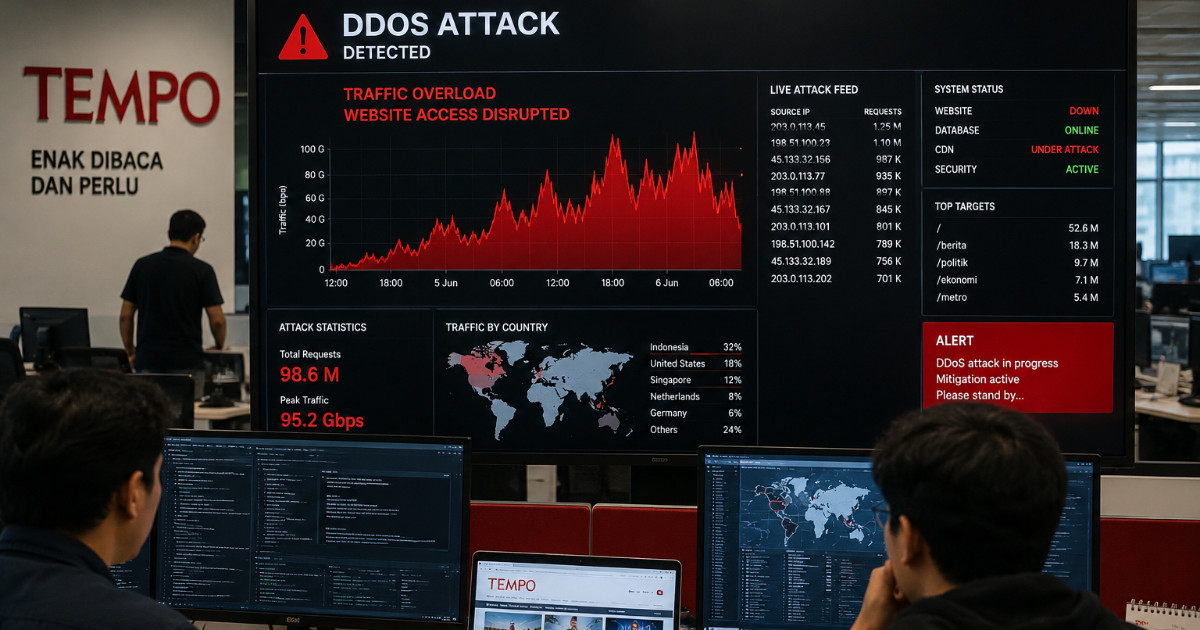
The rise of digital publishing, followed by widespread remote work during and after the COVID-19 pandemic, accelerated the move away from centralized newsrooms. Many media organizations reduced office space or closed bureaus entirely as audiences migrated online and cost pressures intensified. Editorial coordination increasingly moved to messaging apps, project management tools, and video calls.
While these tools preserved output, they altered how journalists collaborate. Digital workflows tend to formalize communication, reducing spontaneous exchanges that once surfaced story ideas or corrected errors before publication. Several newsroom studies and industry reports have noted that remote-first models can weaken mentorship and slow the transmission of institutional knowledge.
What digital spaces struggle to replace
Attempts to recreate newsroom culture online have had mixed results. Virtual channels can support task-based coordination but rarely replicate the trust built through daily, in-person interaction. Informal peer review, ethical discussion, and collective accountability are harder to sustain when teams rarely share the same physical environment.
Some organizations have adopted hybrid models to address these gaps, combining flexible work with regular in-person editorial meetings or training sessions. Editors increasingly emphasize deliberate mentorship, documentation of standards, and structured feedback to compensate for the loss of proximity.
As newsrooms continue to evolve, the debate is no longer about returning to the past but about identifying which functions of physical newsrooms remain essential. The challenge for digital-first organizations is to preserve collaboration, learning, and editorial judgment without relying solely on platforms designed for efficiency rather than culture.
WHY THIS MATTERS: For Pakistani journalists, the decline of physical newsrooms highlights the risk of weakened mentorship in an already resource-constrained media environment. As local outlets adopt leaner and more digital operations, deliberate investment in training and editorial oversight becomes critical. The global experience underscores the need to balance cost-saving technologies with structures that protect professional standards.
ATTRIBUTION: Based on publicly available industry research, including reports by the Reuters Institute for the Study of Journalism and academic studies on newsroom culture.
PHOTO: AI-generated; for illustrative purposes only
Key Points
- Traditional newsrooms served as hubs for training, mentorship and real-time editorial judgment.
- Digital publishing and pandemic-era shifts accelerated the move to distributed, remote workflows.
- Messaging apps and project tools preserve output but formalize communication and reduce spontaneity.
- Loss of informal interactions can weaken mentorship, slow institutional knowledge transfer and affect editorial consistency.
- Studies note potential long-term impacts on verification, accuracy and newsroom culture without deliberate mitigation.
Ask AI: Understand this story your way
AI EnabledDig deeper, ask anything — get instant context, background, and clarity.
Disclaimer: This feature is powered by AI and is intended to help readers explore and understand news stories more easily. While we strive for accuracy, AI-generated responses may occasionally be incomplete or reflect limitations in the underlying model. This feature does not represent the editorial views of JournalismPakistan. For our full, verified reporting, please refer to the original article.