.png)
Missiles, mandates, and media: The forces that shaped journalism in March
JournalismPakistan.com | Published: 1 April 2026 | JP Special Report
Join our WhatsApp channel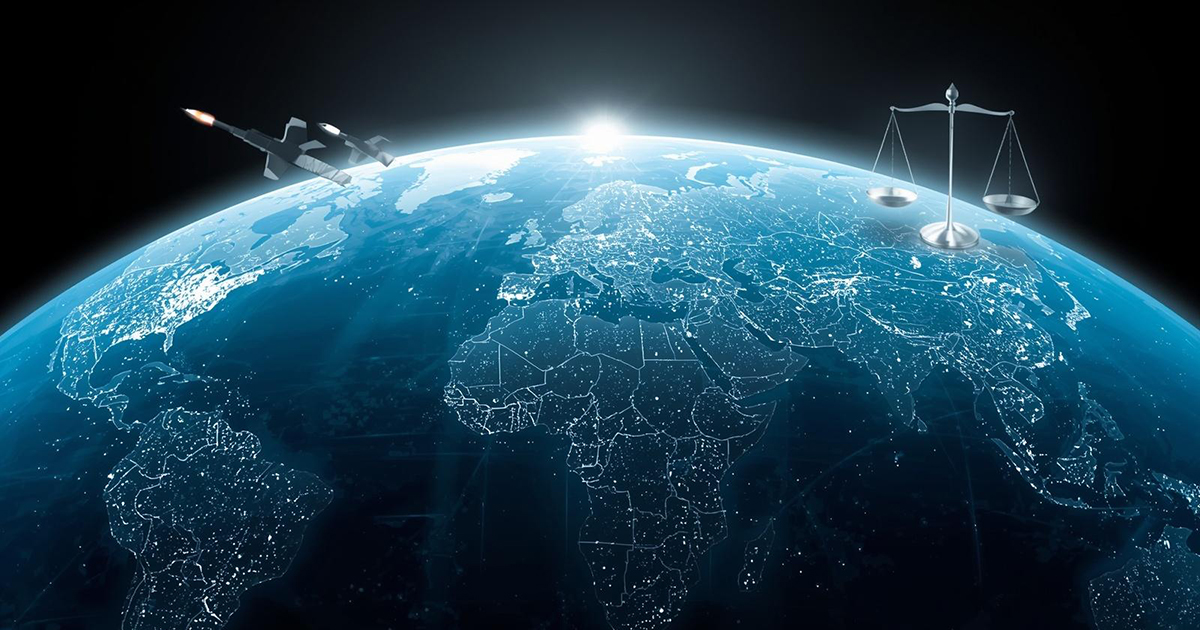
March 2026 exposed the pressures on global journalism as missile strikes damaged media offices and reporters were killed or detained, while governments imposed broad digital controls and courts debated press access; AI and tech reshaped reporting practices.Summary
ISLAMABAD — A month shaped by conflict, control, and rapid technological change, March 2026 offered a stark picture of the pressures facing journalism worldwide. From missile strikes hitting media offices to sweeping digital restrictions and courtroom battles over press access, the landscape of global media was tested across multiple fronts.
What stood out was not just the intensity of individual incidents, but how they converged. War blurred into information control. Legal frameworks expanded into tools of restriction. Technology, particularly artificial intelligence, became both a solution and a new source of risk.
Together, these forces are redefining how journalism is practiced and who gets to control the narrative.
Journalism in the line of fire
Nowhere were the risks more visible than in conflict zones, where journalists faced lethal and immediate danger. Israeli airstrikes hit media facilities in Lebanon and damaged international broadcasters’ offices in Tehran, disrupting coverage and underscoring the vulnerability of press infrastructure during war.
The human cost was even more severe. Multiple journalists were killed across Gaza and Lebanon in strikes while reporting on ongoing hostilities, adding to an already mounting toll in the region. Others were injured while covering frontline developments, often in proximity to active bombardment.
Detentions and confrontations also highlighted the fragility of press freedom in conflict environments. Journalists were briefly detained during live broadcasts, physically assaulted in the field, or blocked from reporting key developments. In Iran, a near-total internet blackout left reporters largely cut off, severely limiting the flow of verified information to the outside world.
Even when not directly targeted, journalists faced tight restrictions on movement, access to hospitals, and the ability to document casualties, raising concerns about how much of the war is being independently reported.
Criminalizing the press
Beyond the battlefield, governments intensified legal pressure on journalists, often using broad or vaguely defined laws to justify arrests and prosecutions.
In Bangladesh, dozens of journalists remained behind bars, with rights groups alleging politically motivated charges lacking credible evidence. Belarus escalated its crackdown by sentencing a journalist to nine years in prison on treason charges linked to protest coverage, while Vietnam launched a criminal probe against a prominent independent blogger under anti-state provisions.
Turkey and Azerbaijan added to the pattern, with journalists detained or sentenced under laws targeting “misinformation” or alleged criminal conduct. In the Philippines, a court upheld the conviction of a community journalist on terrorism financing charges, a case widely condemned by press freedom advocates.
These developments reflect a growing global trend: the normalization of legal frameworks that blur the line between national security and the suppression of independent reporting.
Courts push back
Amid the tightening grip of governments, courts in several countries emerged as critical arenas for defending press freedom.
Indonesia’s Constitutional Court delivered a significant ruling by narrowing the scope of obstruction of justice laws, explicitly protecting journalistic work, public debate, and academic commentary from prosecution.
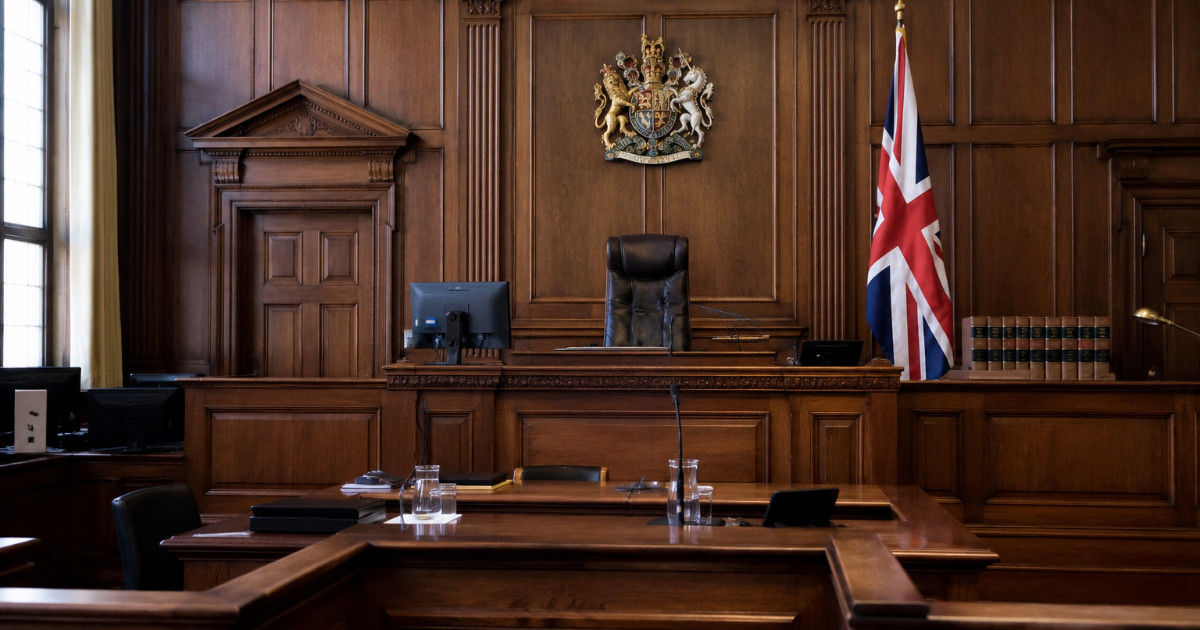
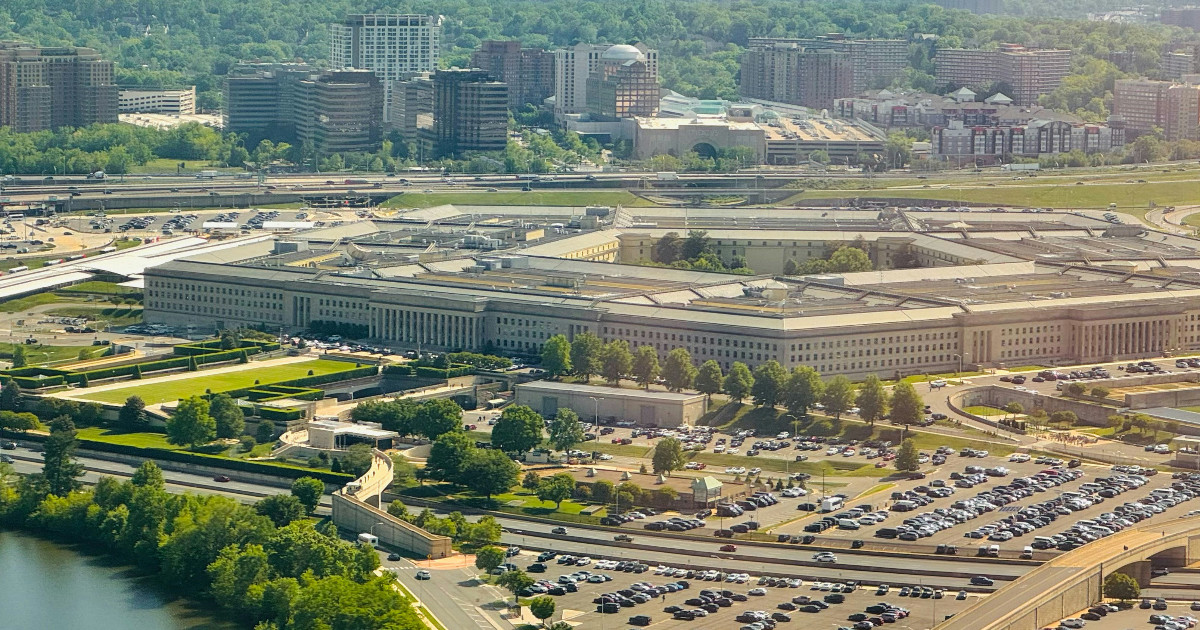
In the United States, a series of legal challenges reshaped the debate over press access to government institutions. Federal judges questioned and struck down key elements of Pentagon policies that restricted journalists’ access and imposed conditions on reporting, calling them incompatible with constitutional protections.
Another major ruling ordered the reinstatement of more than 1,000 Voice of America employees, pushing back against efforts to weaken the broadcaster’s editorial independence.
These decisions highlight the judiciary’s role as a counterweight, even as pressures on journalism continue to mount elsewhere.
The information battlefield goes digital
If war defined the physical risks to journalism, the digital sphere became its parallel battleground.
Social media platforms and governments alike moved to regulate the flow of information, particularly around conflict-related content. X introduced penalties for creators who fail to disclose AI-generated war footage, reflecting growing concern over the spread of manipulated visuals.
Inside newsrooms, the debate over artificial intelligence intensified. Internal discussions at a major global news agency revealed divisions over the use of AI-generated content, while leading publications updated editorial guidelines to clarify that human journalists remain accountable for all output.
Meanwhile, authorities in the Gulf region and beyond warned that sharing real-time footage of military operations could lead to legal consequences, citing national security risks. In the United Arab Emirates, dozens of individuals were arrested for allegedly spreading misleading or AI-generated videos during the regional conflict.
The result is a rapidly evolving environment where the line between information, disinformation, and regulation is increasingly difficult to define.
Who owns the news?
Structural shifts within the media industry added another layer of uncertainty.
Major ownership changes and financial pressures raised questions about editorial independence and the future of news organizations. A high-stakes acquisition involving some of the world’s most influential media assets triggered concerns among journalists about potential political influence and newsroom restructuring.
Elsewhere, layoffs and service closures signaled the ongoing transformation of legacy media. A major U.S. broadcaster announced job cuts and the shutdown of its historic radio service, citing changing audience habits and digital competition.
In Africa, a landmark ownership transfer placed one of the region’s largest media groups under new control, marking a significant shift in the balance of media power.
At the same time, governments continued to invest selectively in international broadcasting, reinforcing its strategic importance in an era of geopolitical competition and information warfare.
Regulating the internet and speech
Across multiple regions, governments moved to tighten control over digital spaces, often in ways that directly affect journalism and public discourse.
In South Asia, social media accounts critical of the government were blocked under legal provisions that allow content restrictions in the interest of national security. In Southeast Asia, sweeping regulations limiting social media access for minors came into force, with authorities quickly moving to enforce compliance among global tech companies.
Australia signaled potential legal action against major platforms for failing to enforce similar age restrictions, reflecting a broader global push to hold technology companies accountable.
In the Gulf, authorities warned that even ordinary citizens could face legal consequences for sharing footage related to military activity, underscoring how quickly digital expression can intersect with national security laws.
These measures point to a growing trend: the expansion of regulatory frameworks that shape not only what journalists can report, but what audiences can see and share.
In brief
Other developments during the month reflected ongoing pressures and shifts across the media landscape. These included the release of jailed journalists in Myanmar as part of a broader amnesty, the arrest of a Sri Lankan editor upon arrival in the country, and the disappearance of two journalists in Syria. In India, a newsroom eviction linked to a property dispute raised fresh concerns about press independence, while a global report highlighted increasing threats against editorial cartoonists.
A defining moment for journalism
March did not just deliver another cycle of difficult headlines. It exposed a deeper transformation in how journalism operates under pressure.
The boundaries between war reporting, legal control, and digital regulation are becoming increasingly blurred. Journalists are not only navigating physical danger, but also legal uncertainty and technological disruption that shape how stories are told, or whether they can be told at all.
As conflicts intensify and governments and platforms assert greater control over information, the central question is no longer just about press freedom. It is about who ultimately controls the narrative in an increasingly contested global information space.
WHY THIS MATTERS: March’s developments show that journalism is no longer challenged on a single front. Physical danger in conflict zones, expanding legal restrictions, and growing control over digital information are converging at the same time. This convergence is reshaping not just how journalists report, but what can be reported, and who ultimately decides.
ATTRIBUTION: This review is based on reporting by Journalism Pakistan (JP), with information drawn from publicly available reports by Reuters, The Washington Post, The New York Times, The Guardian, the Committee to Protect Journalists (CPJ), Reporters Without Borders (RSF), and other credible media and rights organizations.
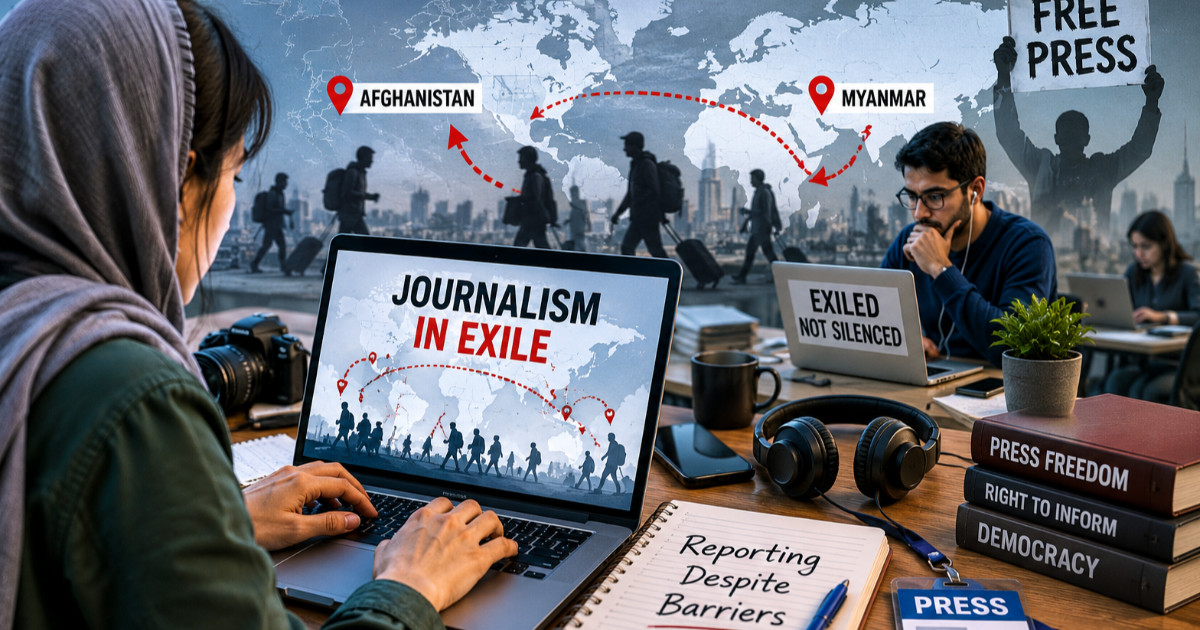
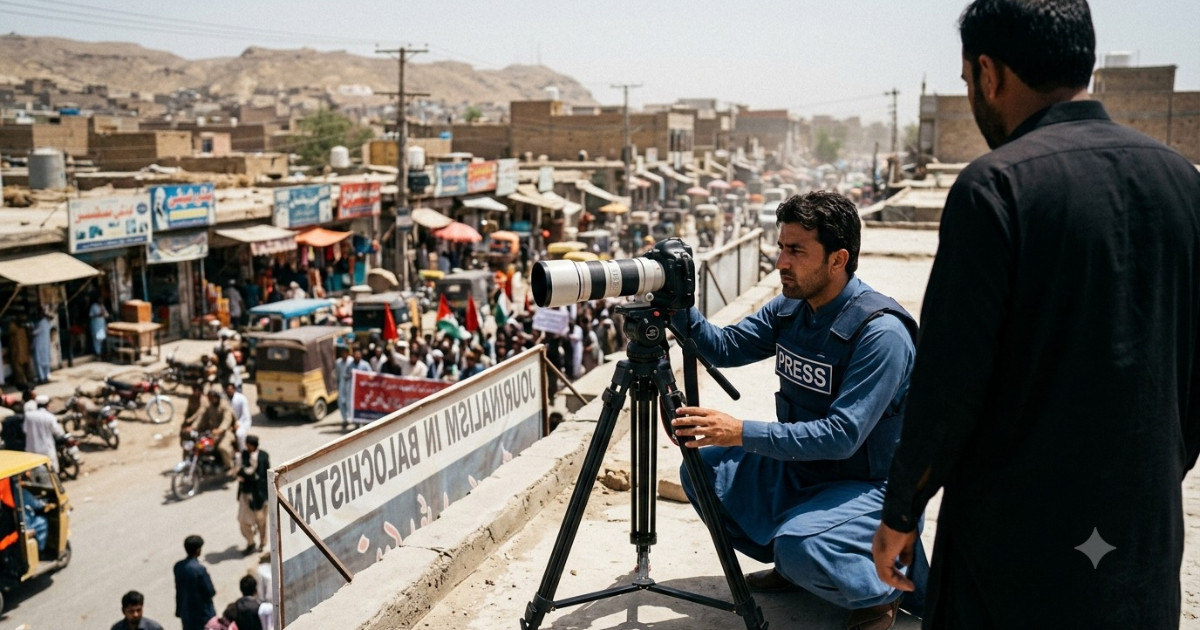
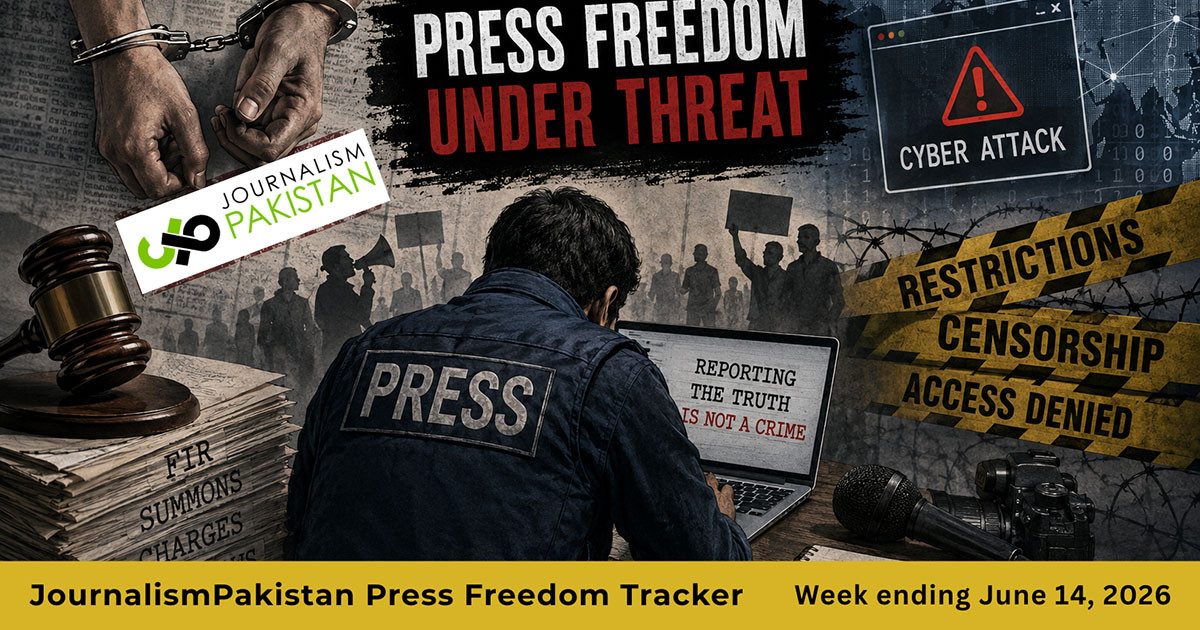
PHOTO: AI-generated; for illustrative purposes
Key Points
- Missile strikes damaged media offices and disrupted broadcasts, with journalists killed or injured in Gaza and Lebanon.
- Reporters faced detentions, assaults, and restrictions on access while covering conflicts and protests.
- Governments introduced sweeping digital controls and mandates that affected news distribution and platform use.
- Legal battles over press access intensified as courts and laws were used to limit reporting in multiple jurisdictions.
- AI and fast technological change both enabled newsgathering and introduced risks around misinformation and narrative control.
Key Questions & Answers
What were the main threats to journalism in March 2026?
A combination of direct attacks on media infrastructure, expanding legal and digital restrictions, and disruptive technological change challenged newsrooms worldwide.
Were journalists harmed during the month?
Yes; multiple reporters were killed, injured, or detained while covering conflicts in Gaza and Lebanon, and others faced assaults or obstruction in the field.
How did technology affect reporting?
AI and other technologies reshaped how news is gathered and verified, offering new tools while raising concerns about misinformation and surveillance risks.
What legal trends impacted press freedom?
Courts and new regulations were increasingly used to restrict press access and online reporting, prompting litigation and debates over free expression.
Relevant Topics
Ask AI: Understand this story your way
AI EnabledDig deeper, ask anything — get instant context, background, and clarity.
Disclaimer: This feature is powered by AI and is intended to help readers explore and understand news stories more easily. While we strive for accuracy, AI-generated responses may occasionally be incomplete or reflect limitations in the underlying model. This feature does not represent the editorial views of JournalismPakistan. For our full, verified reporting, please refer to the original article.