
Matiullah Jan booked in fake terror and sedition case after exposing police crackdown
JournalismPakistan.com | Published: 20 October 2025 | JP Staff Report
Join our WhatsApp channel
Matiullah Jan has been charged with sedition and terrorism in a case viewed as politically motivated. His critical reporting on government actions has triggered backlash from authorities.Summary
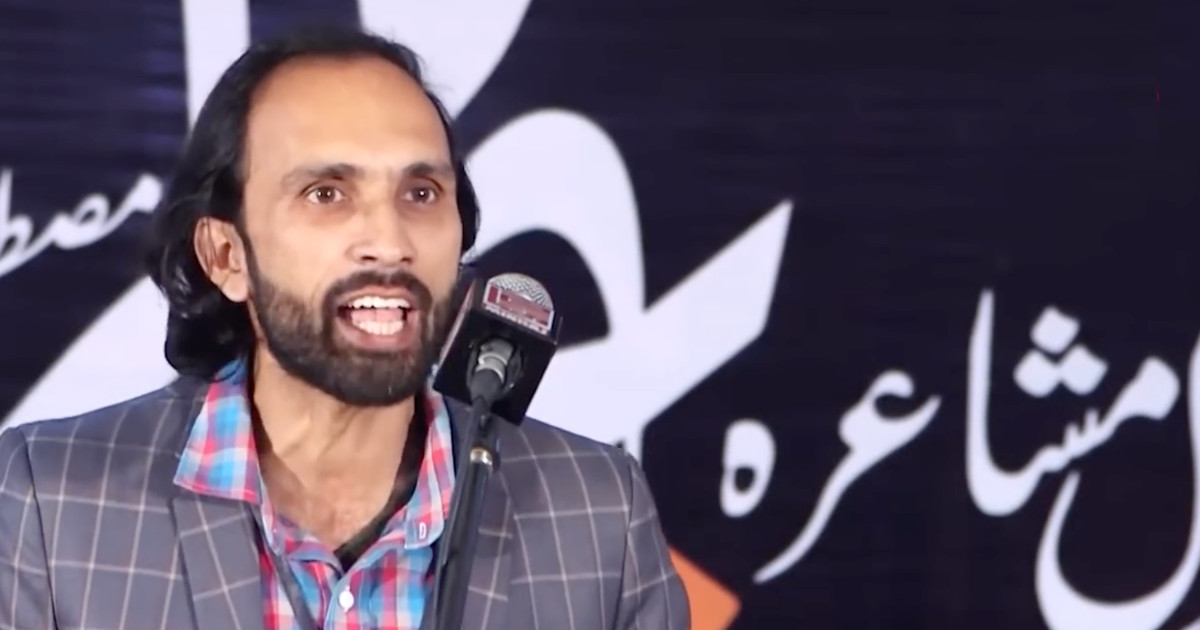
ISLAMABAD — Senior journalist and outspoken government critic Matiullah Jan has once again found himself in the crosshairs of the authorities. He has been booked in what journalists and media rights groups are calling a “fabricated case” designed to silence his fearless reporting.
The case, originally registered in November last year, accuses Matiullah of sedition, drug possession, and terrorism charges widely condemned as baseless and politically motivated. Despite the absence of credible evidence, Islamabad police have now submitted a challan (charge sheet) to the court, allegedly relying on manufactured evidence to establish his guilt.
According to journalists familiar with the case, Matiullah’s reporting on the November 26 incident, where he exposed the government’s version of events and provided video evidence suggesting that police fired on protesters at Islamabad’s D-Chowk, is believed to have triggered the state’s retaliation.
Matiullah was abducted by unidentified individuals from the parking lot of the Pakistan Institute of Medical Sciences (PIMS) in November last year while investigating the deaths of PTI workers during a government crackdown on protesters. His colleague, journalist Saqib Bashir, who was present at the time, was also briefly detained but later released. Matiullah was released hours later after nationwide outrage from the journalist community and civil society.
Reports suggest that the journalist had earlier questioned the Prime Minister’s Advisor on Health during a visit to PIMS, an exchange that reportedly displeased government circles. Following that, Matiullah faced online harassment campaigns and threats from political activists angered by his investigative reporting on state excesses during the PTI protest crackdown.
Matiullah Jan, known for his uncompromising stance on press freedom and accountability, has long been a vocal critic of government overreach and censorship. His ordeal underscores the increasing risks faced by journalists in Pakistan who challenge official narratives and expose state misconduct.
Key Points
- Matiullah Jan faces baseless sedition and terror charges.
- The case is believed to be politically motivated to silence dissent.
- Charges stem from his reporting on police actions against protestors.
- Jan was previously abducted while investigating the deaths of PTI workers.
- This incident highlights increasing risks for journalists in Pakistan.
Relevant Topics
Ask AI: Understand this story your way
AI EnabledDig deeper, ask anything — get instant context, background, and clarity.
Disclaimer: This feature is powered by AI and is intended to help readers explore and understand news stories more easily. While we strive for accuracy, AI-generated responses may occasionally be incomplete or reflect limitations in the underlying model. This feature does not represent the editorial views of JournalismPakistan. For our full, verified reporting, please refer to the original article.