.png)
March 2026 spotlights press freedom and digital rights
JournalismPakistan.com | Published: 1 March 2026 | JP News Desk
Join our WhatsApp channel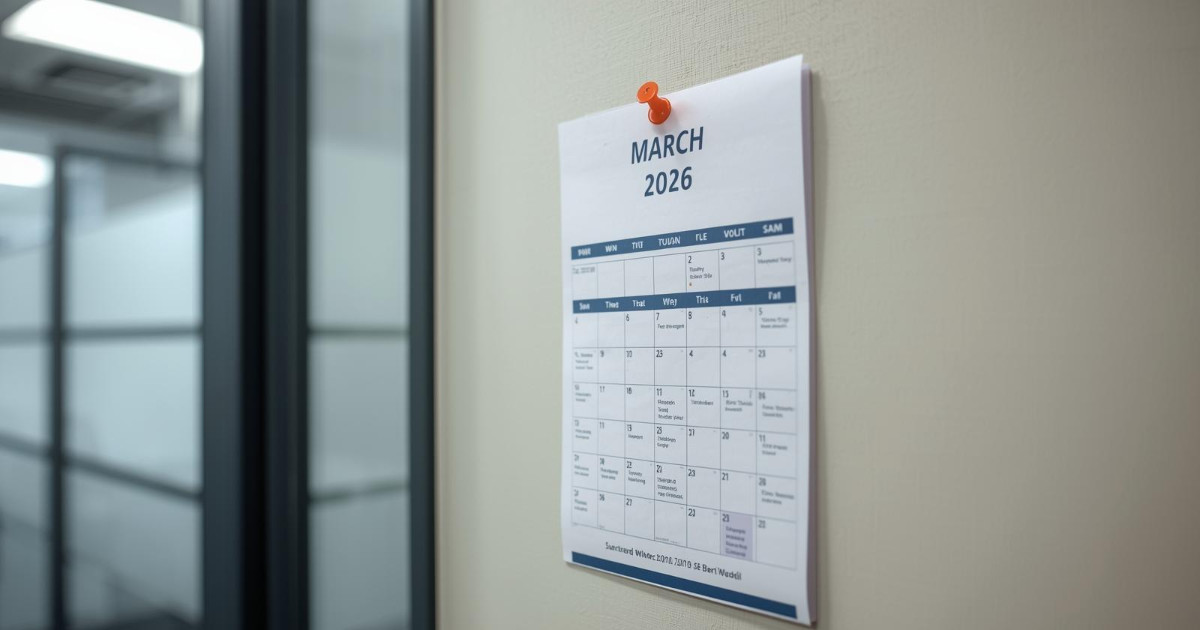
March 2026 features international observances that intersect with journalism, digital rights and media diversity, offering newsrooms thematic anchors. Key themes include cyber censorship, online harassment, gender equity and public health communication.Summary
ISLAMABAD — March 2026 opens with a cluster of globally recognized observances that traditionally shape newsroom agendas, digital campaigns, and press freedom reporting across continents. While the month does not feature a standing United Nations press freedom day, which falls in May, it includes several internationally recognized dates that directly intersect with journalism, digital rights, diversity in media, and public interest reporting.
From cyber censorship and gender equity to environmental accountability and public health communication, March provides structured editorial opportunities for media organizations planning thematic coverage, investigations, and audience engagement strategies.
World Day Against Cyber Censorship focuses on digital repression
On March 12, World Day Against Cyber Censorship will be marked globally. The annual observance was launched by Reporters Without Borders and Amnesty International to highlight online surveillance, internet shutdowns, digital harassment, and state-imposed content restrictions.
The day is particularly relevant as governments worldwide continue to expand regulatory oversight of online platforms and digital publishers. For newsrooms, it serves as an anchor point to examine cybersecurity policies, digital safety protocols for journalists, and the growing use of spyware and online intimidation targeting reporters.
International Women’s Day and gender equity in media
March 8 marks International Women’s Day, officially recognized by the United Nations. The observance frequently prompts media organizations to publish gender audits, review newsroom leadership diversity, and spotlight women journalists working in high-risk or underrepresented beats.
In several countries, March is also observed as Women’s History Month, particularly in the United States, encouraging long-form features and archival projects that document the contributions of women in media and public life. For digital platforms, the month often triggers social media campaigns centered on representation, pay equity, and newsroom safety.
Environment, health, and accountability reporting
Environmental and public health reporting also feature prominently in March. World Water Day, on March 22, organized by the United Nations, traditionally drives investigative stories on water governance, climate resilience, and cross-border resource disputes.
Two days later, World Tuberculosis Day on March 24 is observed by the World Health Organization, offering newsrooms an opportunity to examine health misinformation, science communication standards, and access to medical care.
Earlier in the month, March 3 is recognized as World Wildlife Day by the United Nations, often generating cross-border environmental investigations and multimedia storytelling projects focused on biodiversity and illegal wildlife trade.
Diversity and anti-discrimination themes
On March 21, the International Day for the Elimination of Racial Discrimination is observed by the United Nations. News organizations frequently use the date to examine newsroom diversity policies, media representation patterns, and the impact of discriminatory narratives in coverage.
Together, these observances create a structured editorial calendar that many global newsrooms use to plan special reports, panel discussions, data projects, and digital engagement campaigns.
WHY THIS MATTERS: For Pakistani journalists and media organizations, March 2026 presents opportunities to align local reporting with global conversations on digital censorship, gender equity, environmental accountability, and health communication. Structuring coverage around internationally recognized dates can help newsrooms strengthen cross-border relevance, attract donor-supported projects, and build audience engagement through thematic storytelling.
ATTRIBUTION: Information based on official observance calendars and documentation from the United Nations, Reporters Without Borders, Amnesty International, and the World Health Organization.
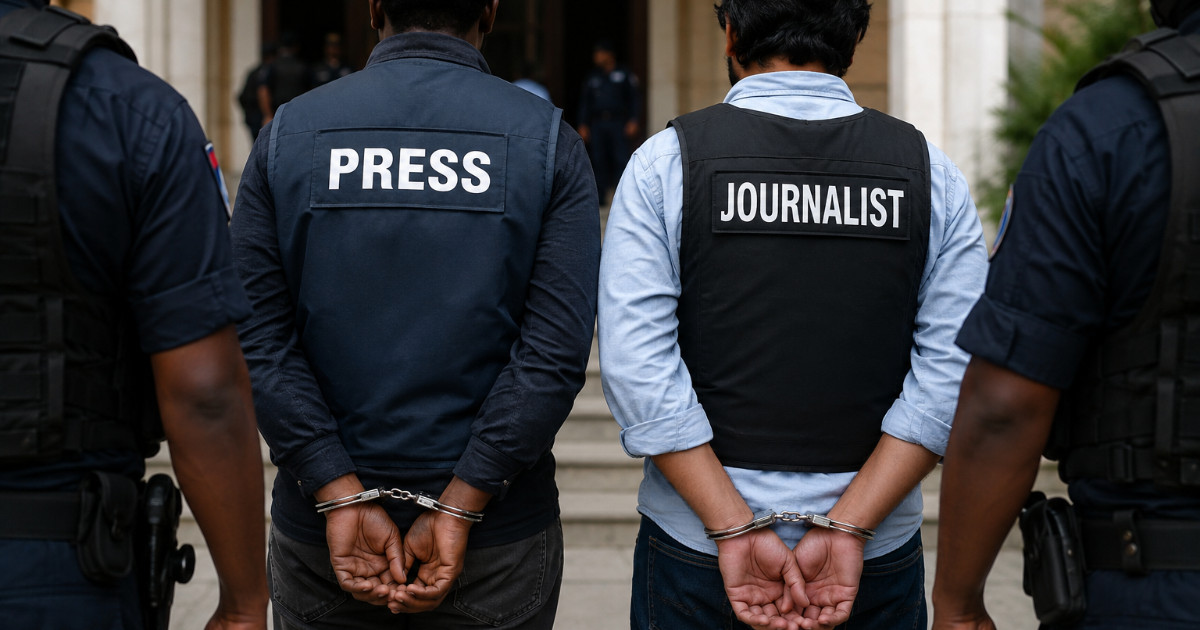
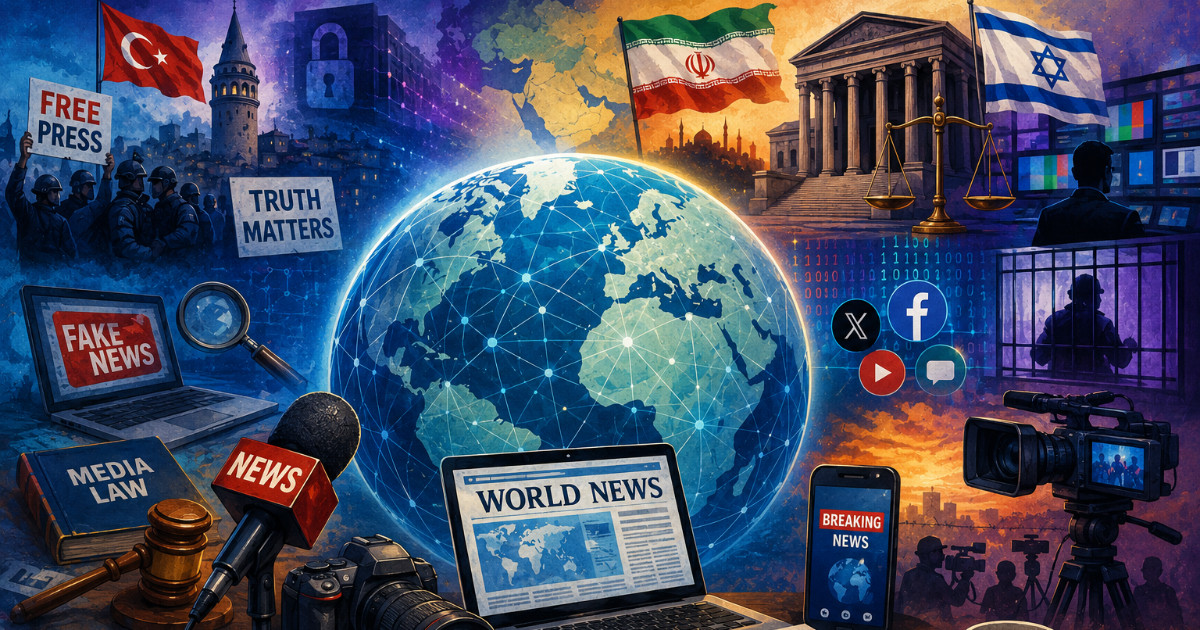
PHOTO: AI-generated; for illustrative purposes only.
Key Points
- World Day Against Cyber Censorship (March 12) spotlights online surveillance, shutdowns and digital repression.
- International Women's Day (March 8) prompts coverage on gender equity and representation in media.
- March observances offer angles on cybersecurity, spyware, internet shutdowns and online harassment.
- Environmental accountability and public health communication are recurring editorial opportunities this month.
- Newsrooms can use these dates to plan investigations, bolster digital safety protocols and engage audiences.
Key Questions & Answers
What is World Day Against Cyber Censorship?
World Day Against Cyber Censorship, observed on March 12, highlights online repression, internet shutdowns and digital surveillance; it was launched by Reporters Without Borders and Amnesty International.
How can newsrooms use March observances?
Newsrooms can plan thematic coverage, investigations and audience engagement tied to the observances; they can also review digital safety protocols for reporters.
Is there a UN press freedom day in March?
No, the UN World Press Freedom Day is in May; March contains related but separate observances that intersect with media and digital rights.
Which topics are most relevant for March coverage?
Key topics include cyber censorship, cybersecurity, online harassment, gender equity, environmental accountability and public health communication.
Relevant Topics
Ask AI: Understand this story your way
AI EnabledDig deeper, ask anything — get instant context, background, and clarity.
Disclaimer: This feature is powered by AI and is intended to help readers explore and understand news stories more easily. While we strive for accuracy, AI-generated responses may occasionally be incomplete or reflect limitations in the underlying model. This feature does not represent the editorial views of JournalismPakistan. For our full, verified reporting, please refer to the original article.