.png)
Libyan journalist shot dead in Benghazi TV office
JournalismPakistan.com | Published: 23 April 2015
Join our WhatsApp channel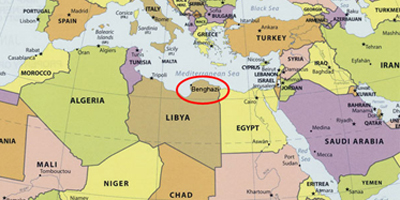
Muftah al-Qatrani, a television journalist, was murdered in his office in Benghazi. His death has raised concerns over the safety of journalists in Libya.Summary
NEW YORK: The Committee to Protect Journalists has condemned the murder of a Libyan television journalist in the eastern city of Benghazi on Wednesday. Muftah al-Qatrani, 33, was shot dead in his office at Al-Anwar, the privately owned television production company he was director of, according to news reports. He had been covering the fighting between Islamist militias and pro-government groups in the city.
“The murder of Muftah al-Qatrani comes amid repeated attacks and threats against journalists working in Libya,” CPJ Executive Direction Joel Simon said. “The ongoing conflict must not be held up as an excuse for such a crime to take place with impunity. We call on authorities to thoroughly investigate and ensure the journalist’s killers are brought to justice.”
The CPJ said in a release that no group has publicly claimed responsibility for al-Qatrani’s killing. The local press freedom group Libyan Center for Freedom of the Press said in a press release on Thursday that it believes the journalist’s killing was linked to his work producing news reports about the fighting in the eastern city of Benghazi for several satellite television channels.
Al-Qatrani’s body was found in his office, with gunshot wounds to his head, by friends on Wednesday evening, local news reports said. An unnamed official in the Libyan Ministry of Interior said al-Qatrani’s body has been sent to the forensic medical examiner. The ministry added that an investigation has been started.
Key Points
- Muftah al-Qatrani was 33 years old.
- He was shot dead in his office at Al-Anwar TV.
- The killing is believed to be linked to his reporting on local conflicts.
- No group has claimed responsibility for the murder.
- An investigation has been launched by local authorities.
Ask AI: Understand this story your way
AI EnabledDig deeper, ask anything — get instant context, background, and clarity.
Disclaimer: This feature is powered by AI and is intended to help readers explore and understand news stories more easily. While we strive for accuracy, AI-generated responses may occasionally be incomplete or reflect limitations in the underlying model. This feature does not represent the editorial views of JournalismPakistan. For our full, verified reporting, please refer to the original article.