.jpg)
Public News case exposes journalism's verification gap
JournalismPakistan.com | Published: 11 June 2026 | JP Staff Report
Join our WhatsApp channel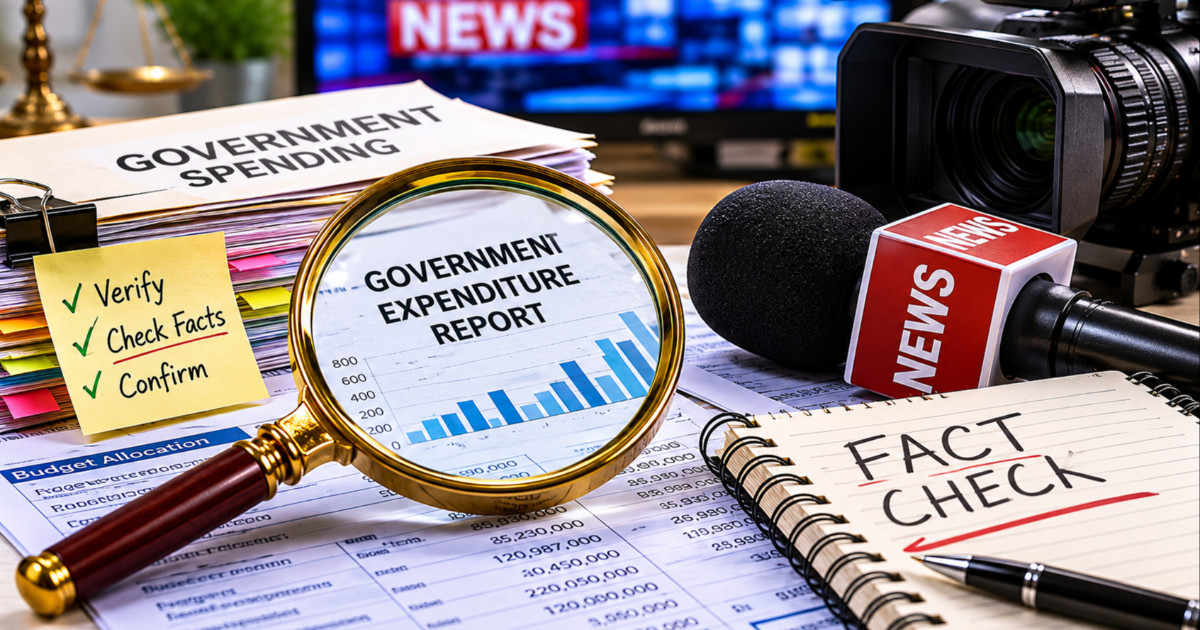
Public News retracted an investigation alleging large Punjab government spending on renovations, vehicles and official facilities, prompting apologies and NCCIA notices. The episode reveals a verification gap in Pakistani journalism and urges tighter checks.Summary
LAHORE—The collapse of the Public News investigation into alleged spending on government residences and offices should prompt more than apologies. It should trigger a serious discussion about a growing problem in Pakistani journalism: the rush to amplify sensational claims before establishing whether they are true.
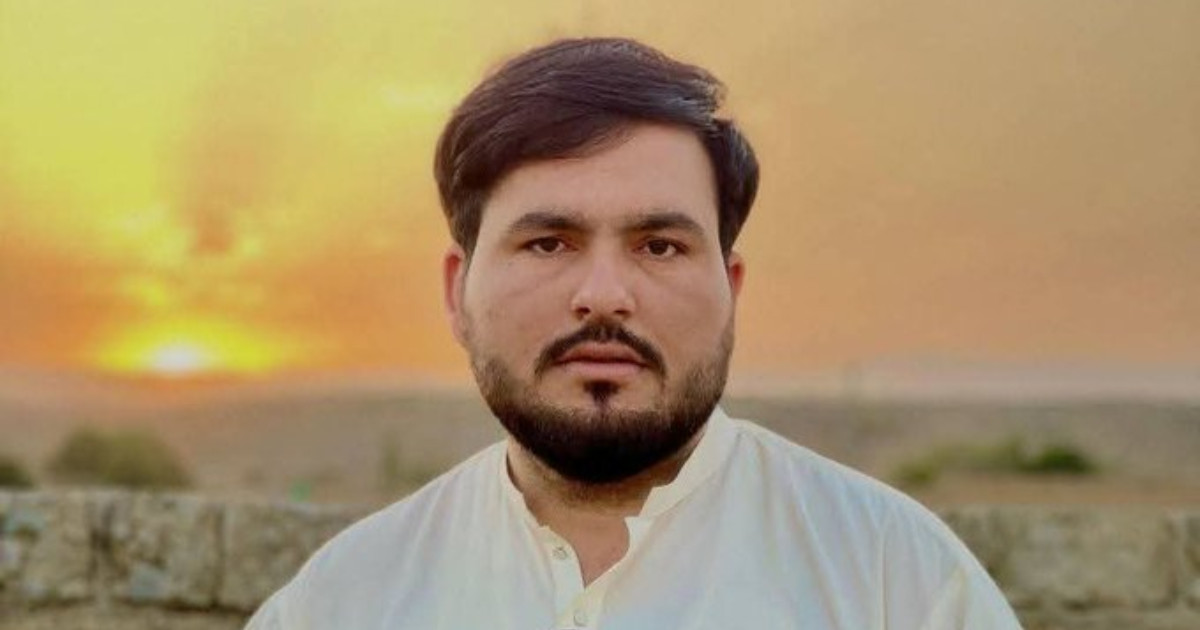
The controversy began with allegations aired on Public News and attributed to investigative reporter Anwar Hussain Simra. The claims suggested that hundreds of millions of rupees in public funds had been spent on beautification, renovations, vehicles, and official facilities linked to senior Punjab government officials. The allegations were subsequently repeated and expanded upon by commentator Irshad Bhatti in a vlog, where he questioned reported expenditures, including an alleged Rs220 million spent on a lawn at the Punjab chief secretary's residence.
Why verification matters more than outrage
The claims generated outrage because they touched a nerve. At a time of economic hardship, stories about extravagant government spending are almost guaranteed to attract public attention. But public anger is not evidence. Journalism's responsibility is not to echo what people are prepared to believe; it is to verify whether those beliefs are supported by facts.
That verification appears to have failed.
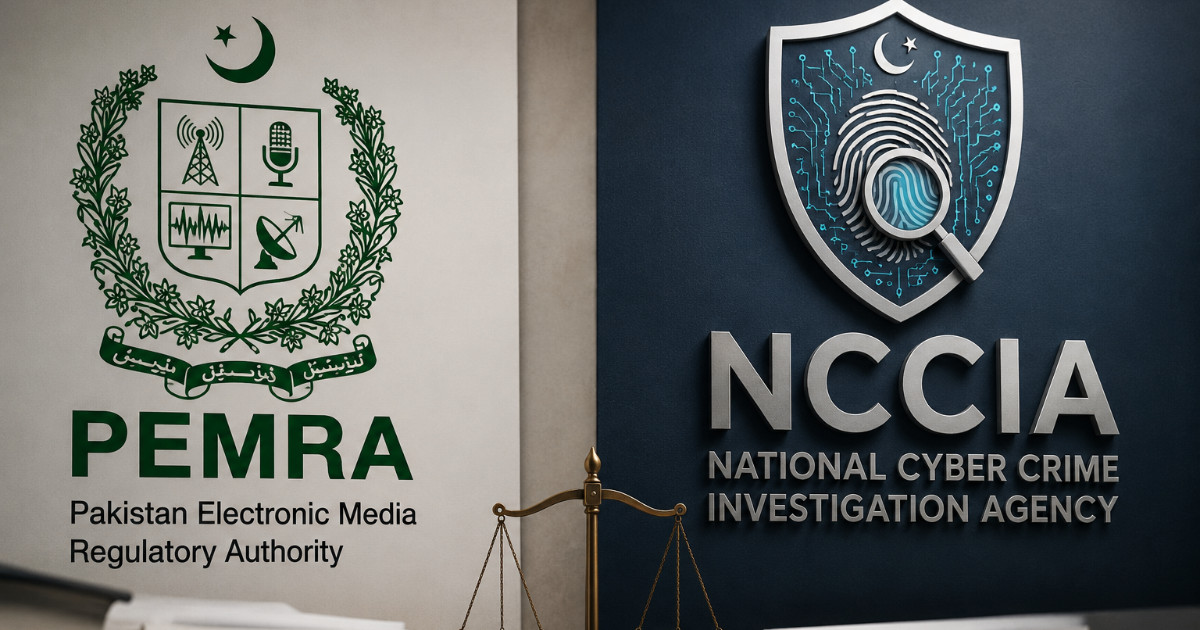
Public News later apologized for airing the content. NCCIA notices followed for those involved in broadcasting and amplifying the allegations, while written apologies were reportedly submitted by Public News personnel and Irshad Bhatti. Whatever one thinks about NCCIA's involvement, and there is a legitimate debate about whether such matters fall more appropriately within PEMRA's regulatory domain, the collapse of the underlying story remains the central issue.
The real lesson here is not about regulation. It is about journalism.
The credibility cost for the media
For years, Pakistani journalists have correctly demanded greater press freedom and resisted attempts by governments to police content. Those demands are justified. A free press is essential in any democratic society. But press freedom and professional responsibility are inseparable. The stronger the argument for editorial independence, the stronger the obligation to demonstrate rigorous verification.
Too often, the industry treats accountability as something imposed from outside rather than something that must come from within.
When a major allegation is broadcast nationally and then repeated across digital platforms, audiences assume basic fact-checking has already taken place. They assume documents have been examined, claims independently verified, and responses sought from those accused. When that process is absent, or appears inadequate, the damage extends beyond a single story.
Public trust suffers.
Government officials who face legitimate scrutiny gain an opportunity to dismiss future reporting as politically motivated or inaccurate. Genuine investigative journalists find their work subjected to greater skepticism. Audiences become less certain about whom to believe. In the long run, the profession itself pays the price.
The case also illustrates a growing challenge in the digital era. The distinction between reporting and commentary is increasingly blurred. A claim aired on television is quickly repackaged in YouTube videos, social media posts, and opinion content. Yet repeating a claim does not eliminate the responsibility to verify it. The wider the reach, the greater the obligation.
None of this means journalists should avoid investigating public spending. Quite the opposite. Government expenditures deserve scrutiny, especially when they involve public money and senior officials. Investigative journalism remains one of the profession's most important functions. But investigation requires evidence, not assumption. It requires documentation, corroboration, and a willingness to hold a story until the facts are secure.
The NCCIA notices have generated debate about jurisdiction and the state's response. Those questions deserve examination. Yet they should not distract from the uncomfortable reality facing the media industry itself.
The most effective defense against legal threats, regulatory pressure, and accusations of misinformation is not outrage after the fact. It is accuracy before publication.
In this case, the apologies matter. But the more important question is whether newsrooms will learn from them. Because the real damage was not caused when the story fell apart. It was caused when a claim serious enough to damage reputations and shape public opinion was treated as fact before it had been proven.
Journalism does not lose credibility because it makes mistakes. Every newsroom makes mistakes.
It loses credibility when verification becomes secondary to virality. And that is a lesson worth remembering long after this controversy fades.
WHY THIS MATTERS: The Public News case highlights the risks facing news organizations and commentators who amplify serious allegations before they are independently verified. At a time when Pakistani journalists are rightly pushing back against regulatory overreach and restrictions on media freedom, episodes involving inaccurate or unsubstantiated reporting can weaken public trust and undermine arguments for greater editorial independence. The controversy also underscores the need for stronger newsroom verification standards in an era where television reporting, digital commentary, and social media amplification increasingly overlap.
ATTRIBUTION: Reporting by JournalismPakistan, based on publicly available statements from the Government of Punjab, NCCIA notices reviewed by JournalismPakistan, and public apologies reported on June 10, 2026.
PHOTO: AI-generated; for illustrative pruposes.
Key Points
- Public News aired allegations of significant Punjab government spending which were later retracted.
- Reporter Anwar Hussain Simra and vlogger Irshad Bhatti amplified the claims and later issued apologies.
- NCCIA notices were issued to those involved in broadcasting and amplifying the allegations.
- The episode exposes a verification lapse in Pakistani journalism and highlights the need for stronger fact-checking and editorial safeguards.
Key Questions & Answers
What happened in the Public News case?
Public News aired an investigation alleging large Punjab government expenditures; the claims were later retracted, apologies were made, and NCCIA notices followed.
Why is this case significant for journalism?
The episode highlights a failure in verification: sensational claims were amplified before being properly checked, underscoring risks to credibility and public trust.
Were there any official consequences?
Public News personnel and a vlogger reportedly submitted written apologies, and NCCIA notices were issued to those involved in broadcasting the allegations.
What should media outlets do to avoid similar errors?
Outlets should strengthen fact-checking, enforce editorial oversight, verify sources and documents before broadcast, and correct errors transparently when they occur.
Ask AI: Understand this story your way
AI EnabledDig deeper, ask anything — get instant context, background, and clarity.
Disclaimer: This feature is powered by AI and is intended to help readers explore and understand news stories more easily. While we strive for accuracy, AI-generated responses may occasionally be incomplete or reflect limitations in the underlying model. This feature does not represent the editorial views of JournalismPakistan. For our full, verified reporting, please refer to the original article.