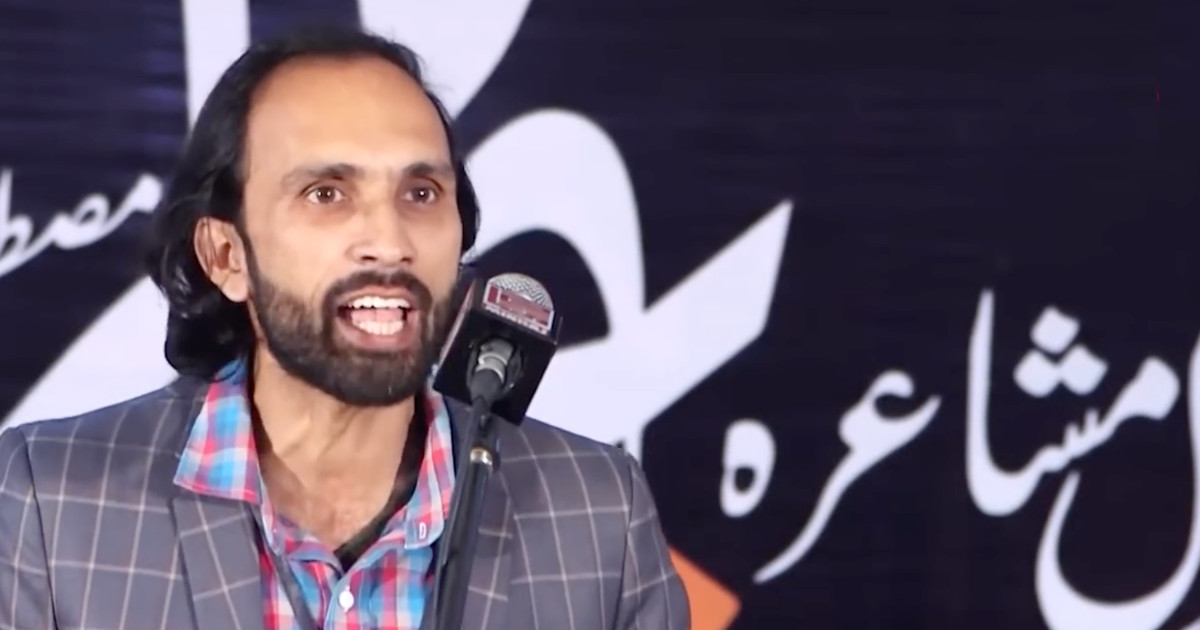

Journalists face rising mental health risks in Pakistan and beyond
JournalismPakistan.com | Published: 28 January 2026 | JP Special Report
Join our WhatsApp channel
Studies from Karachi and Peshawar and global reviews show journalists face high rates of anxiety, PTSD and depression tied to exposure to militancy, crime, terrorism and online abuse; women reporters often face greater digital harassment and mental strain.Summary
ISLAMABAD — Journalists in Pakistan are confronting significant mental health challenges as the demands of reporting intersect with threats, trauma exposure, and sustained online abuse, according to local studies and global research.
A survey involving journalists in Karachi found that half of those who sought counselling at a wellbeing centre were diagnosed with anxiety, reflecting acute psychological stress among media workers. These pressures are mirrored in research showing that Pakistani reporters covering trauma and high-risk beats exhibit symptoms of posttraumatic stress disorder, depression, anxiety, and stress linked to exposure to militancy, crime, bomb blasts, and threats received on the job.
Mental health risks in Pakistani newsrooms
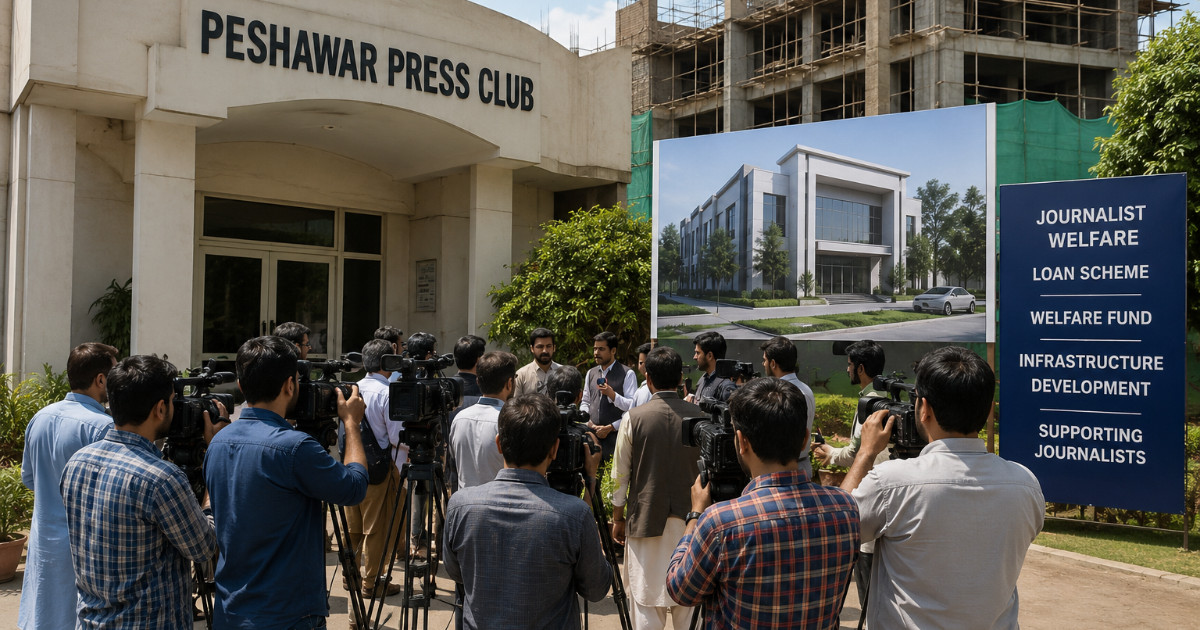
A study from Peshawar Press Club revealed that a substantial proportion of local journalists displayed high levels of PTSD symptoms after covering terrorism incidents, underscoring the severe impact that conflict reporting can have on mental well-being. International evidence reinforces these findings, with systematic reviews indicating that war and conflict journalists around the world exhibit psychological distress comparable to combat veterans, and that the cumulative effects of covering violence, disasters, and human suffering can lead to chronic mental health issues.
Online harassment adds another layer of strain, particularly for women journalists globally, where surveys show that large percentages have experienced digital violence, including threats of physical or sexual harm, and that sustained online abuse correlates with negative mental health outcomes such as anxiety, self-censorship, and even PTSD. UNESCO and partner research found that a majority of women journalists worldwide have faced online violence in the course of their work, with notable reports of organized attacks aimed at silencing critical voices.
Support networks and emerging solutions
Support systems for journalists’ mental health remain limited both in Pakistan and internationally. While some organizations offer counselling and wellbeing workshops, many newsrooms, particularly smaller outlets, lack formal mechanisms to address trauma and harassment. International guides from media safety organizations recommend self-evaluation tools, coping strategies, and newsroom policies tailored to tackle online violence, but implementation varies widely between institutions and regions.
Global parallels highlight urgent need
The psychological effects of reporting also influence newsroom practices and the quality of journalism. Frequent harassment and a lack of support can lead to self-censorship, reduced engagement on digital platforms, and challenges in covering sensitive stories with depth and accuracy, potentially eroding public trust in media. International research highlights that newsroom support and mental health resources are critical to sustaining robust journalism in environments of intense public scrutiny and digital hostility.
WHY THIS MATTERS: Understanding mental health risks among journalists is crucial for Pakistani media professionals and organizations. Recognizing the psychological impact of trauma exposure, threats, and online abuse can inform newsroom policies, support structures, and training that protect reporters’ well-being, enhance coverage quality, and sustain a resilient, credible press corps.
ATTRIBUTION: Reporting based on Pakistan Press Foundation studies, peer-reviewed research on journalists’ mental health, global UNESCO findings on online violence, and verified reports on harassment and trauma effects on journalists.
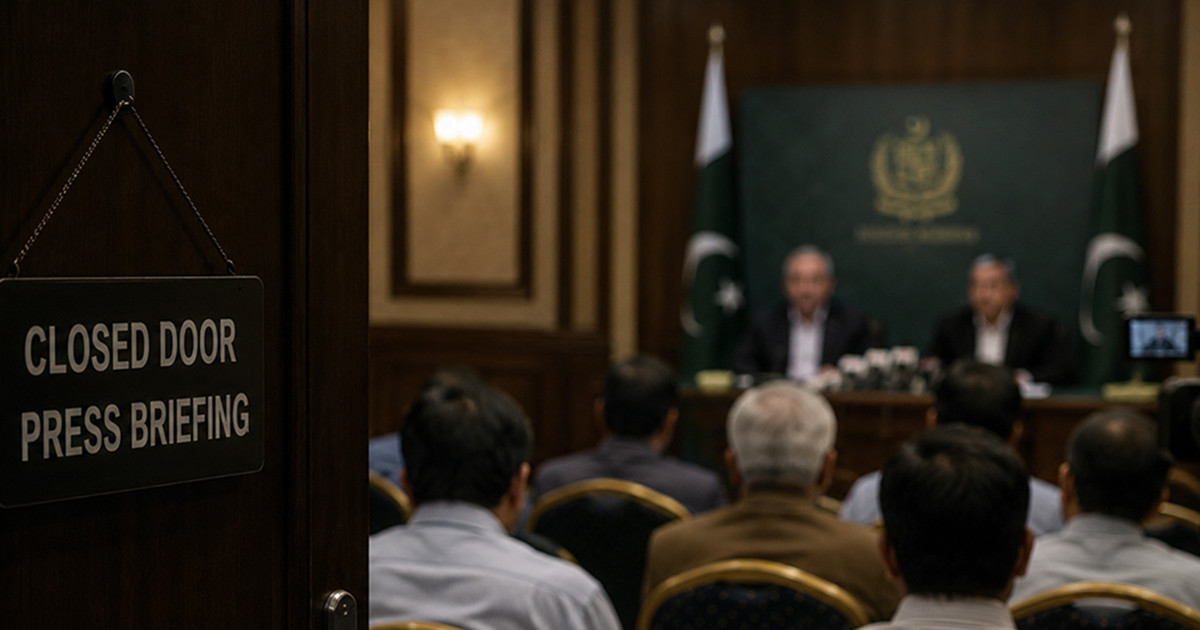
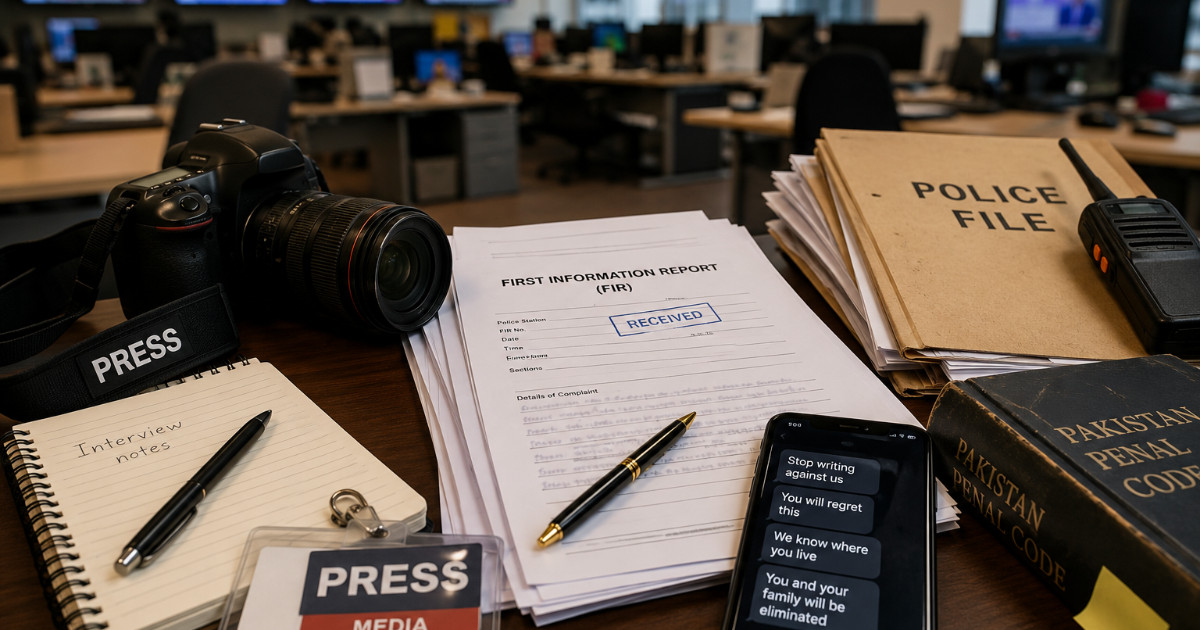
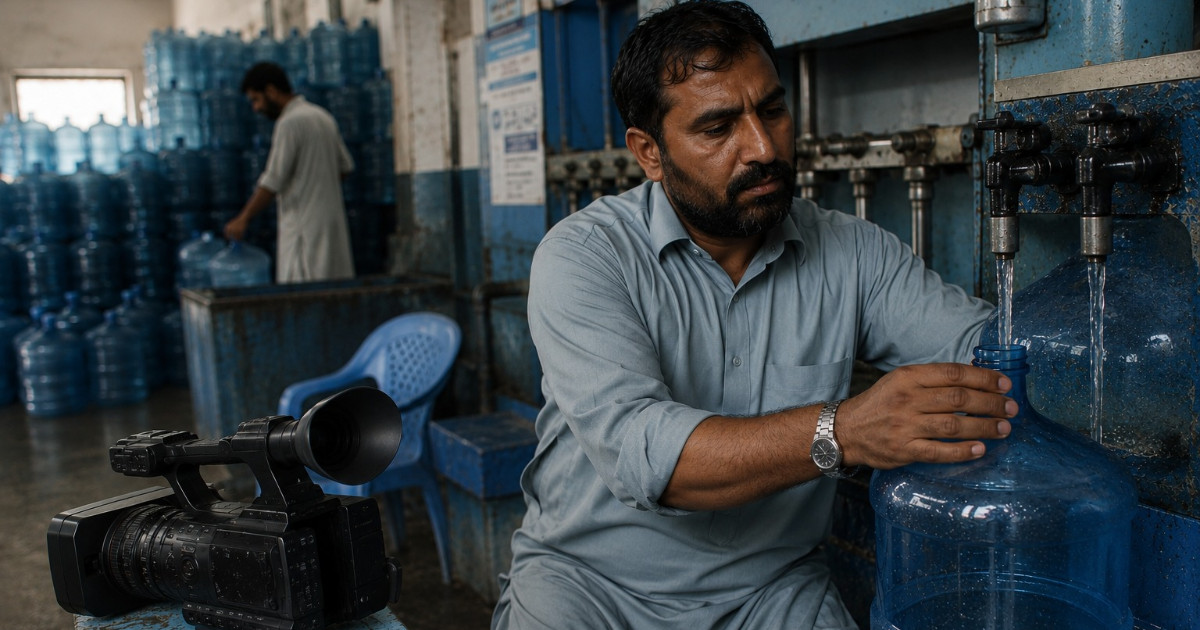
PHOTO: AI-generated; for illustrative purposes only
Key Points
- Karachi survey found half of journalists who sought counselling were diagnosed with anxiety.
- Peshawar Press Club study reported high levels of PTSD symptoms among reporters covering terrorism.
- Reporters covering militancy, crime and bomb blasts show symptoms of PTSD, depression and anxiety linked to exposure.
- Global reviews indicate conflict journalists experience distress comparable to combat veterans and risk chronic mental health issues.
- Online harassment, especially of women journalists, is widespread and correlates with negative mental health outcomes.
Relevant Topics
Ask AI: Understand this story your way
AI EnabledDig deeper, ask anything — get instant context, background, and clarity.
Disclaimer: This feature is powered by AI and is intended to help readers explore and understand news stories more easily. While we strive for accuracy, AI-generated responses may occasionally be incomplete or reflect limitations in the underlying model. This feature does not represent the editorial views of JournalismPakistan. For our full, verified reporting, please refer to the original article.