.png)
Journalist who exposed Toshakhana case dies in Islamabad
JournalismPakistan.com | Published: 19 March 2026 | JP Staff Report
Join our WhatsApp channel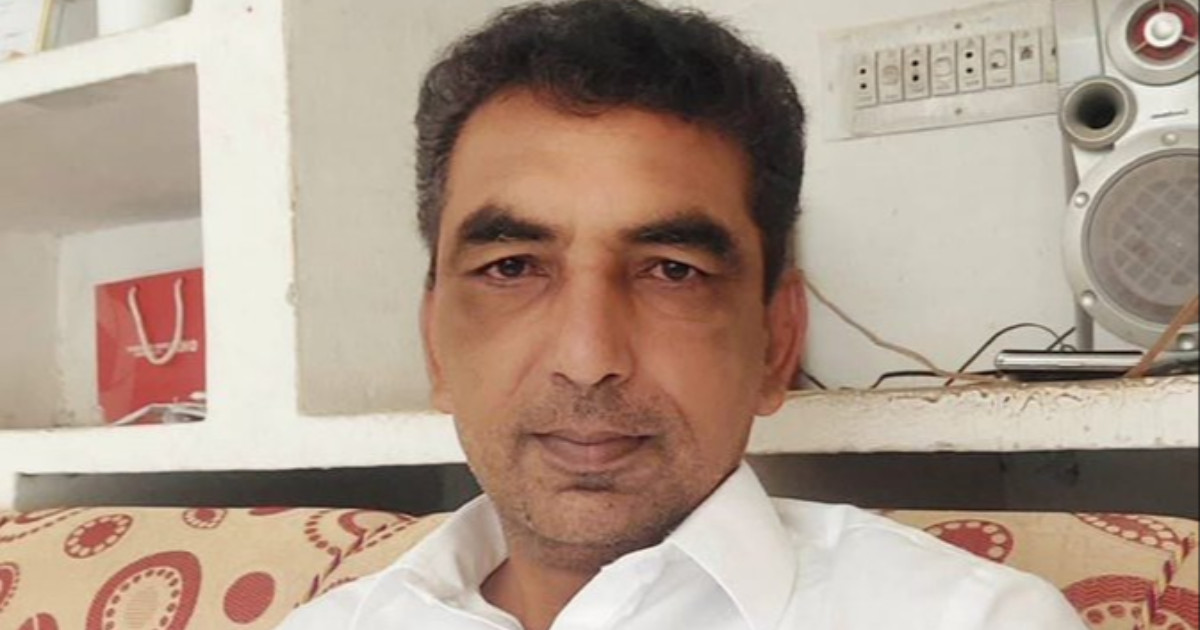
Rana Ibrar Khalid, the journalist who used the Right to Information to report on the Toshakhana case, has died in Islamabad after a prolonged illness. Colleagues said he had been undergoing treatment for a heart condition, as the media community remembers his contributions to investigative reporting in Pakistan.Summary
ISLAMABAD — Rana Ibrar Khalid, the journalist known for exposing the high-profile Toshakhana case, died at the Pakistan Institute of Medical Sciences on Thursday after a prolonged illness.
Colleagues said he had been under treatment for several weeks due to a heart condition. His health deteriorated on Thursday, and he was placed on a ventilator shortly before his death.
A career marked by investigative reporting
Khalid gained national prominence for uncovering details of the Toshakhana case through the Right to Information law, bringing public attention to state gifts received by former Prime Minister Imran Khan. His reporting was widely cited in the media and political discourse.
Fellow journalists recalled that his work came despite sustained pressure, threats, and professional challenges, particularly during the peak of the controversy his reporting helped ignite.
Colleagues recall courage under pressure
Members of the journalist community described Khalid as a committed investigative reporter who continued his work despite risks. His colleagues said his determination set a standard for accountability journalism in Pakistan. His body was being transported to his native town of Fazilpur in Rajanpur district, where he was to be laid to rest.
Legacy of accountability journalism
Khalid’s reporting on the Toshakhana case was part of a broader push by journalists in Pakistan to use Right to Information laws to access official records and strengthen public accountability. Media experts say such reporting has increasingly shaped political narratives and public debate in recent years.
His death also comes at a time when Pakistan’s media industry is facing multiple challenges, including financial pressures, safety concerns, and restrictions on access to information. Colleagues say his work serves as a reminder of the persistence required to pursue investigative journalism in a complex and often difficult environment.
WHY THIS MATTERS: Khalid’s death highlights the personal risks and pressures faced by investigative journalists in Pakistan, particularly when reporting on politically sensitive issues. His work underscores the importance of access to information laws and the need for institutional protections for reporters pursuing accountability stories.
ATTRIBUTION: Based on statements from colleagues.
PHOTO: Courtesy - Haroon Baloch
Key Points
- Rana Ibrar Khalid died at the Pakistan Institute of Medical Sciences in Islamabad after a prolonged illness and heart-related treatment.
- He gained prominence by exposing details of the Toshakhana case using the Right to Information law.
- Colleagues said he worked under sustained pressure and faced threats during his investigative reporting.
- His body was being transported to his native Fazilpur in Rajanpur district for burial.
- The case and his death highlight the personal risks faced by accountability journalists in Pakistan.
Key Questions & Answers
Who was Rana Ibrar Khalid?
He was an investigative journalist known for using the Right to Information law to expose the Toshakhana case and reporting on state gifts linked to Imran Khan.
How did Khalid uncover the Toshakhana details?
He obtained records and information under the Right to Information framework and published findings that drew national attention.
Where and how did he die?
Khalid died at the Pakistan Institute of Medical Sciences in Islamabad after a prolonged illness; colleagues said he had been treated for a heart condition.
Why does his death matter for journalism in Pakistan?
It underscores the risks and pressures investigative reporters face when covering politically sensitive issues and the need for stronger protections and access to information.
Relevant Topics
Ask AI: Understand this story your way
AI EnabledDig deeper, ask anything — get instant context, background, and clarity.
Disclaimer: This feature is powered by AI and is intended to help readers explore and understand news stories more easily. While we strive for accuracy, AI-generated responses may occasionally be incomplete or reflect limitations in the underlying model. This feature does not represent the editorial views of JournalismPakistan. For our full, verified reporting, please refer to the original article.