.png)
Indian reporter says Israel restricts media amid wartime reporting
JournalismPakistan.com | Published: 7 March 2026 | JP Middle East Desk
Join our WhatsApp channel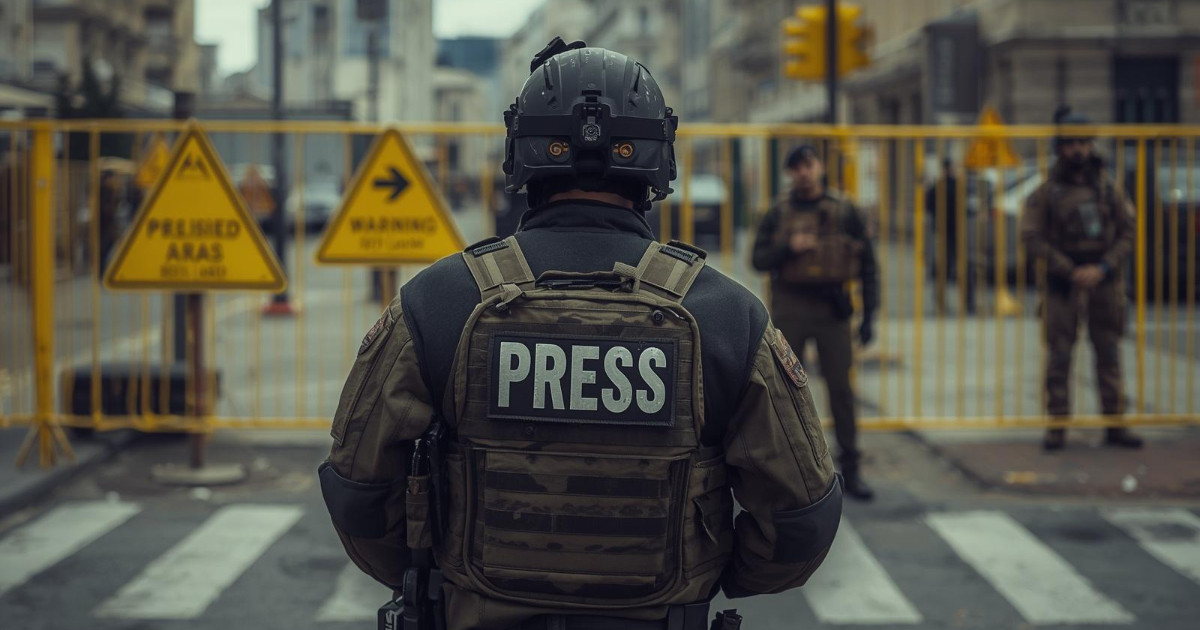
Braj Mohan Singh of Sandha News said Israeli authorities imposed strict controls on journalists in Israeli-controlled areas, restricting movement, barring filming of casualties, limiting hospital access and withholding reliable casualty figures.Summary
NEW DELHI — An Indian journalist reporting from the frontlines of the Iran‑Israel conflict has detailed what he described as severe restrictions on movement and reporting imposed by Israeli authorities, alleging that censorship and limited access to critical information have impeded independent journalism. The account comes as the conflict between Israel and Iran continues to evolve following major military strikes in late February 2026.
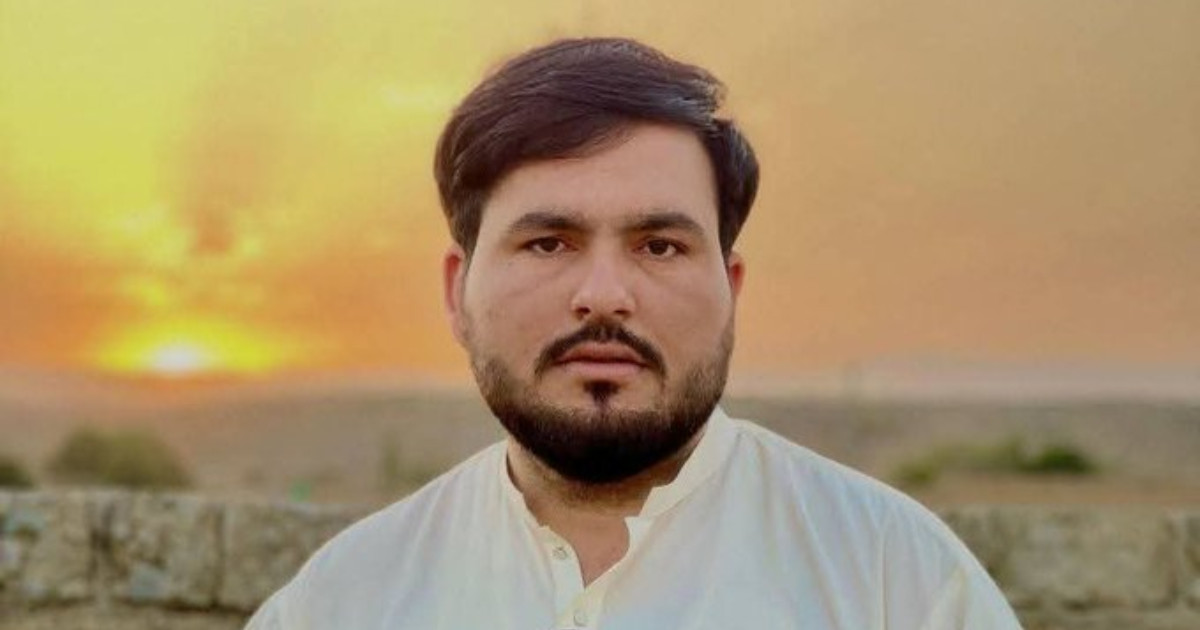
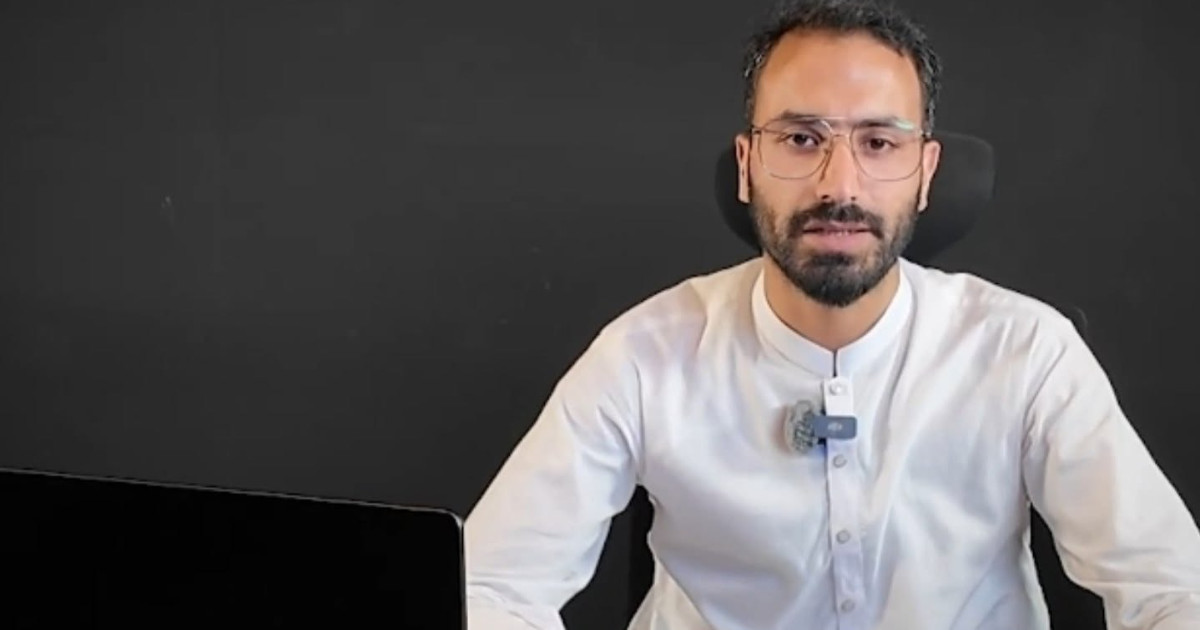
Braj Mohan Singh, a correspondent for India’s Sandha News, spoke publicly after returning from Israeli‑controlled areas where he covered the ongoing hostilities. Singh said that journalists were barred from filming casualties, denied access to hospitals, and often not provided accurate casualty figures, suggesting that official reporting safeguards security but limits independent coverage.
Journalists face controls and limited access
Singh told Press TV that even areas described as safe, including deep shelters and bunkers, proved perilous and that sirens and warning systems did not always activate before Iranian missile strikes, raising questions about the reliability of official security measures. He described seeing or hearing about civilian deaths in locations he could not fully document due to restrictions on media presence and filming.
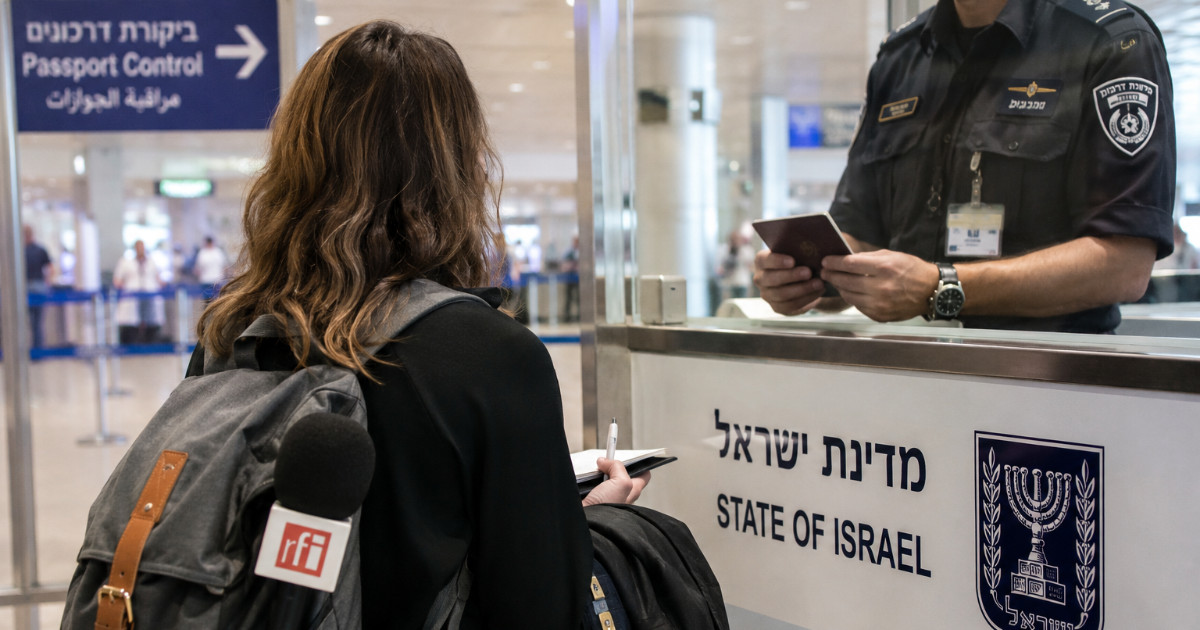
Travel and reporting conditions for the press in conflict zones such as Israel are generally subject to security controls and prior review, particularly under military censorship regimes that regulate sensitive information during conflict.
Restrictions spark debate about press freedom
Singh’s comments reflect broader concerns about the balance between national security and press freedom during wartime. Israeli military censorship historically requires prior approval of material that could intersect with security interests, a practice that intensifies in active conflict. Critics of such systems argue they can hinder independent reporting and obscure the full picture of civilian impact and military operations.
The Indian journalist’s account also resonated in media communities where debates about censorship and foreign correspondents’ access remain a topic of discussion amid the Iran‑Israel war. Some international journalists have reported limitations on filming and movement tied to Israeli security protocols, a point that drew attention across newsrooms amid rising regional tensions.
WHY THIS MATTERS: This development underscores the persistent challenge journalists face in covering high‑intensity conflicts where state security imperatives intersect with public interest reporting. For Pakistani journalists and media professionals, the account highlights the importance of preparing for operational restrictions, navigating military censorship protocols, and advocating for transparent access even as safety and security concerns prevail. Understanding these dynamics can inform newsroom risk assessments and strategies for covering conflict in neighboring regions and beyond.
ATTRIBUTION: Based on a March 7, 2026, report by Press TV.
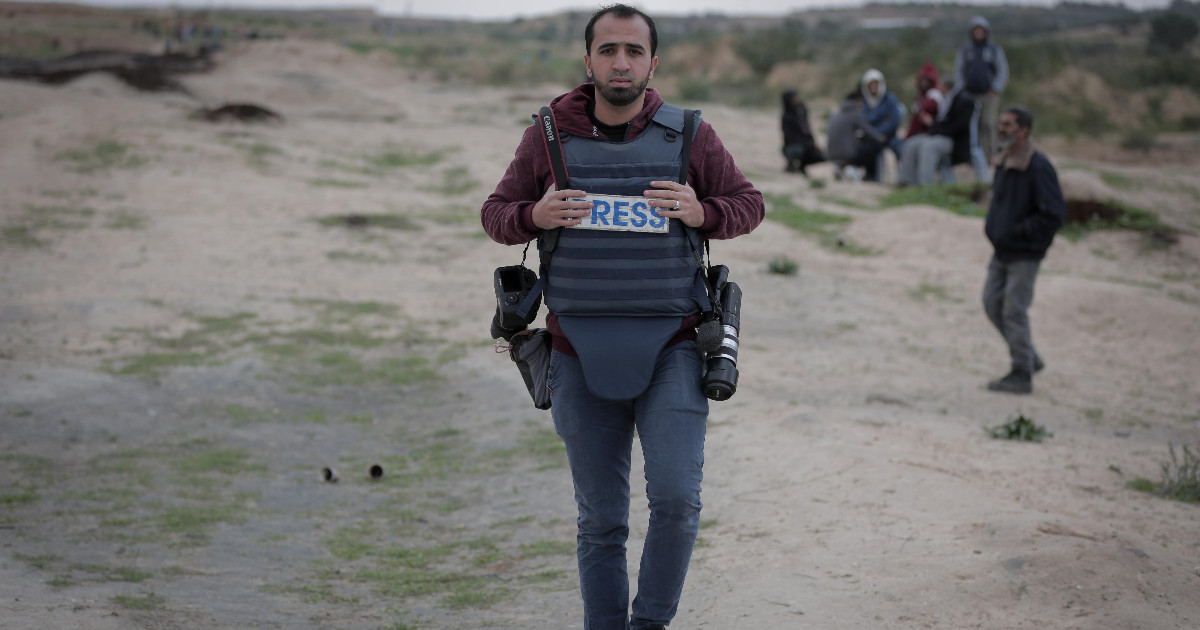
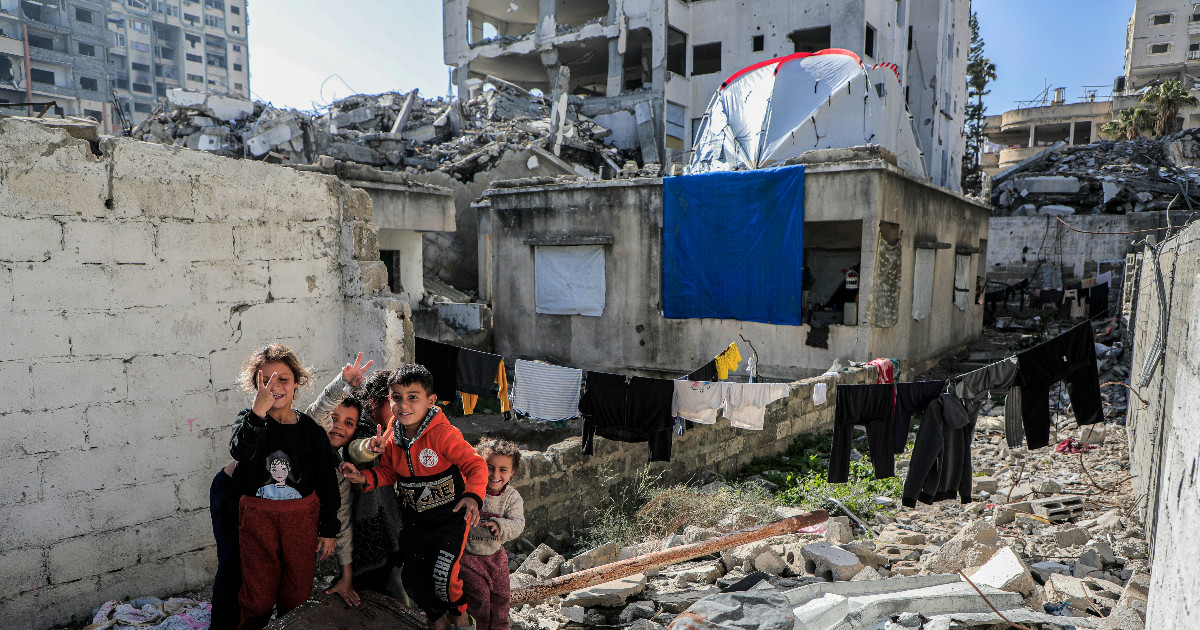
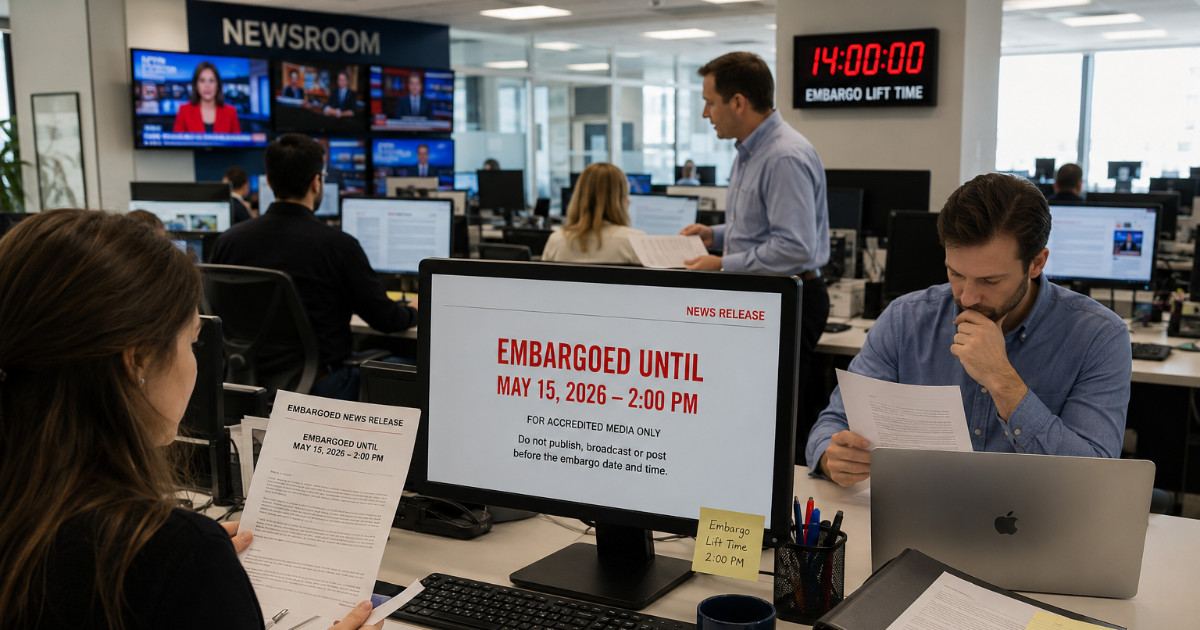
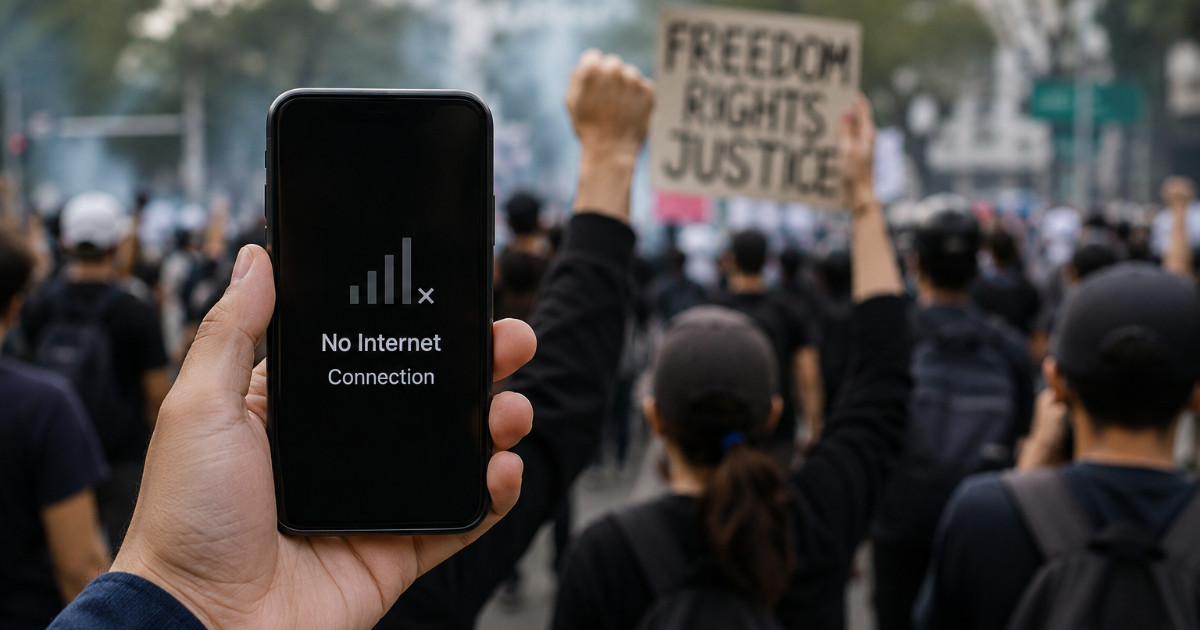
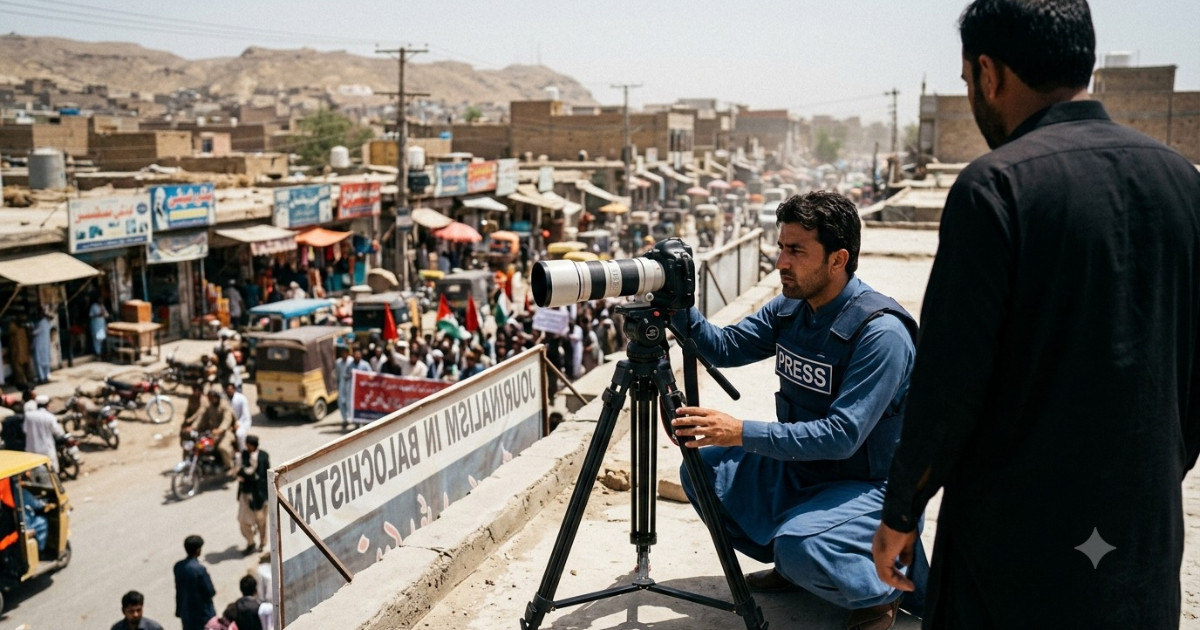
PHOTO: AI‑generated; for illustrative purposes only.
Key Points
- Braj Mohan Singh reported strict Israeli controls on journalists in Israeli-controlled areas.
- Journalists were reportedly barred from filming casualties and denied hospital access.
- Singh said authorities often did not provide reliable casualty figures, limiting independent verification.
- He described warning systems that did not always activate before Iranian missile strikes.
- The account highlights tensions between security controls and press freedom in conflict zones.
Key Questions & Answers
What did the reporter allege?
He alleged that Israeli authorities imposed strict restrictions on movement and reporting, hindering independent coverage and casualty verification.
What specific reporting limits did he describe?
Singh said journalists were barred from filming casualties, denied access to hospitals, and often not given reliable casualty figures.
Did he report any safety or warning system issues?
Yes; Singh said sirens and warning systems did not always activate before Iranian missile strikes, raising concerns about their reliability.
Was there an official response reported?
The account did not note any immediate official Israeli response to Singh's public statements.
Relevant Topics
Ask AI: Understand this story your way
AI EnabledDig deeper, ask anything — get instant context, background, and clarity.
Disclaimer: This feature is powered by AI and is intended to help readers explore and understand news stories more easily. While we strive for accuracy, AI-generated responses may occasionally be incomplete or reflect limitations in the underlying model. This feature does not represent the editorial views of JournalismPakistan. For our full, verified reporting, please refer to the original article.