
Razia Bhatti (1944-1996)
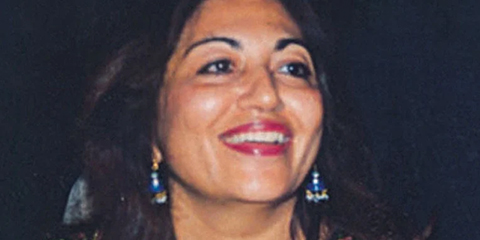
Razia Bhatti has been described as a crusader, a torch-bearer, and a symbol of courage. In 1996, the Pakistan Press Foundation called her untimely death at the age of 52 an "end of a golden chapter of journalism in Pakistan."
For those who attempted to silence Pakistani press, Razia was undoubtedly a force to be reckoned with during her almost 30-year long journalistic career. Despite constant harassments and threats to her safety, she wrote bravely on issues ranging from women’s rights to political corruption.
She nurtured two of Pakistan’s leading English language publications, as Editor of the Herald for 12 years and then of Newsline for another eight. In 1994, less than just two years before her death, Razia was a recipient of the “Courage in Journalism” award from the New York-based International Women's Media Foundation.
Razia first entered professional journalism in 1967 when she joined The Illustrated Weekly of Pakistan after completing her Master's degree in English and Journalism from Karachi University.
The lifestyles magazine she joined was later renamed Herald and turned into a monthly publication reporting on current events and political issues. In 1970, Razia became the Assistant Editor of Herald and then became Editor in 1976.
Shortly, thereafter, General Zia-ul-Haq took over the country in a military coup. A period of repression and censorship followed as Zia used religious fundamentalist rhetoric to strengthen his grip on power.
Not one to be easily intimidated, Razia continued her valiant reporting. Gen Zia once got so infuriated that he waved a copy of her article at a press conference and said he would not tolerate such journalism.
Since early in her history, Pakistan has had the misfortune of being run, democratically or undemocratically, by corrupt or self-seeking politicians and feudal. Little economic progress has been made and the literacy rate remains among the lowest in the world. The result has been an atmosphere where corruption, bigotry, and intimidation of press and human rights activists are the norm. To speak up against injustice and the ruling elites in such an environment is no small achievement. Razia did just that.
When pressured to curb her writing and support the policies of Gen Zia's regime, Razia resigned from the magazine on an ethical stance. Most of her team of journalists resigned with her and together they established a new current affairs magazine called Newsline.
In July 1989, the first issue of Newsline was published with an editor’s note written by Razia which began, “Forty-two years down the road from independence, this nation seems to have bartered away the promise of its birth. To a whole generation of Pakistanis, fear, violence, authoritarianism and deceit represent the norm, for they have known no other.”
Newsline which started on a meager budget, under Razia’s editorialship, soon became a competitor to other well-known English language publications like the Herald itself. Newsline covered a wide range of stories including drug trade, corruption by politicians and financial institutions, religious persecution, and abuse of women’s rights.
In December 1994, Newsline published a story about then Prime Minister Benazir Bhutto’s inaction in stopping the rampant riots, killings, and looting which became daily occurrences, terrorizing the population of Karachi, one of Pakistan’s largest cities.
Benazir responded to this criticism by banning Newsline from all Pakistan International Airline flights. This action of the government did little to quiet the Newsline journalists and in the months that followed, Razia and her staff continued reporting on the flaws of Benazir’s government.
Even after she received international recognition, the Pakistani politicians did not stop harassing her when she exposed their misuses of power. In August 1995, police raided Razia’s home in the early morning hours demanding her appearance at the police station regarding a criminal case filed against her.
The case was brought about by then Sindh Governor, Kamal Azfar, in retaliation for a story published about him in Newsline. The news of the raid on Razia’s house resulted in protests from journalists and human rights activists from across the country, following which Kamal Azfar retreated and completely withdrew all charges against Razia and the journalist who wrote the story.
In the first issue of Newsline Razia wrote, “The press in Pakistan shares the guilt of this nation’s state. It has been silent when it should have spoken, dishonest when it should have been forthright, succumbed when it should have stood fast.”
Razia used her pen to fight oppression and this constant battle eventually took its toll on her. She died of a brain hemorrhage in 1996.
Source: Jazbah Magazine
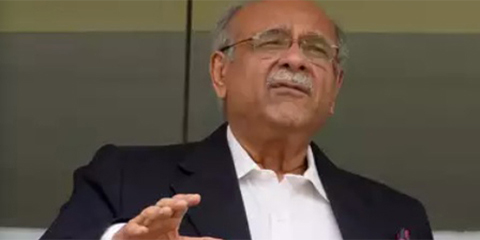
Najam Sethi
Najam Sethi is an award-winning journalist and media personality. He is the Editor-in-Chief of The Friday Times, a Lahore-based political weekly. He was previously the Editor of Daily Times and
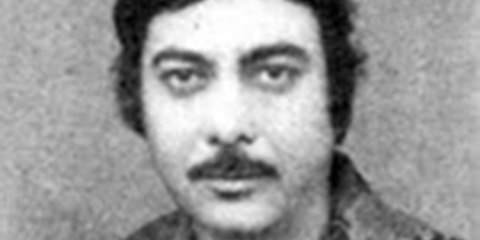
Riaz Batalvi (1937-2003)
Riaz Batalvi, a journalist, became a writer and a dramatist, giving PTV two of its best productions - Aik Haqeeqat, Aik Afsana and Dubai Chalo. Born as Riazul Hasan in February 1937 in Gurdaspur
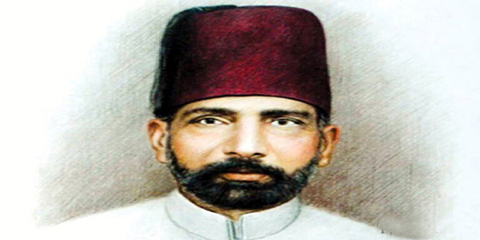
Maulana Zafar Ali Khan (1873-1956)
Writer, journalist and politician, Maulana Zafar Ali Khan belonged to a learned family of Karamabad district, Gujranwala, Punjab. He received his early education in Wazirabad and Patiala.
Maulana Salahuddin Ahmad (1902-1964)
Maulana Salahuddin Ahmad, editor of one of the most prestigious journals, Adabi Dunya, was born on March 25, 1902. According to Rauf Parekh, he was not 'Maulana' in the sense that the word is
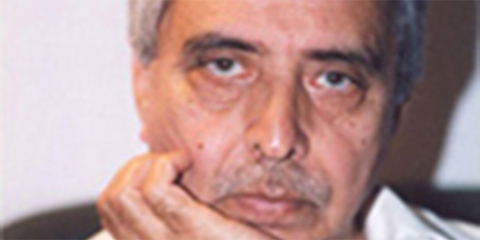
Khalid Hasan (1935-2009)
Khalid Hasan was a senior Pakistani journalist and writer. He was born in Srinagar, Kashmir. He was the brother in law of the first elected president of Azad Jammu & Kashmir K H Khurshid, private secretary
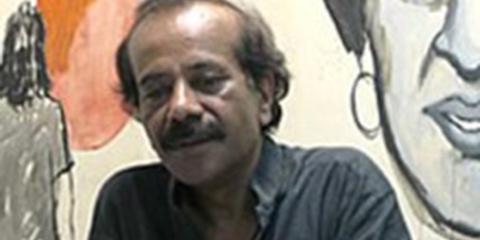
Rafique (Feica)
Born in 1957 in Multan, Feica started his schooling there, but could never take to studies. According to him, he was "only interested in drawing". He credits his father for allowing him to pursue his dream
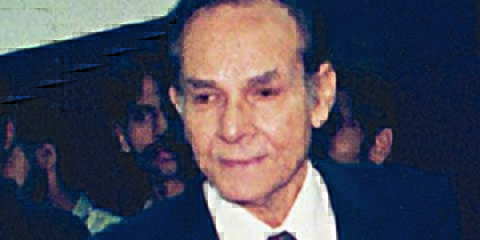
Ahmed Ali Khan (1924-2007)
Born in 1924 in Bhopal, Ahmed Ali Khan's association with Dawn began in Delhi in 1946 and ended in Karachi in 2004. He remained with the newspaper for nearly 42 years - 28 of them as editor
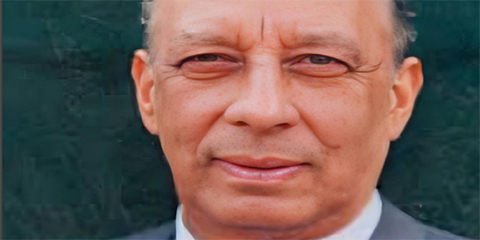
Zakir Hussain Syed (1939-2013)
Zakir Hussain Syed, affectionately called Zak, was an internationally renowned sports administrator, broadcaster and journalist. Born in the town of Sialkot on November 1, 1939, Zakir had his initial schooling at Rawalpindi's Denny's High School.
Newsroom
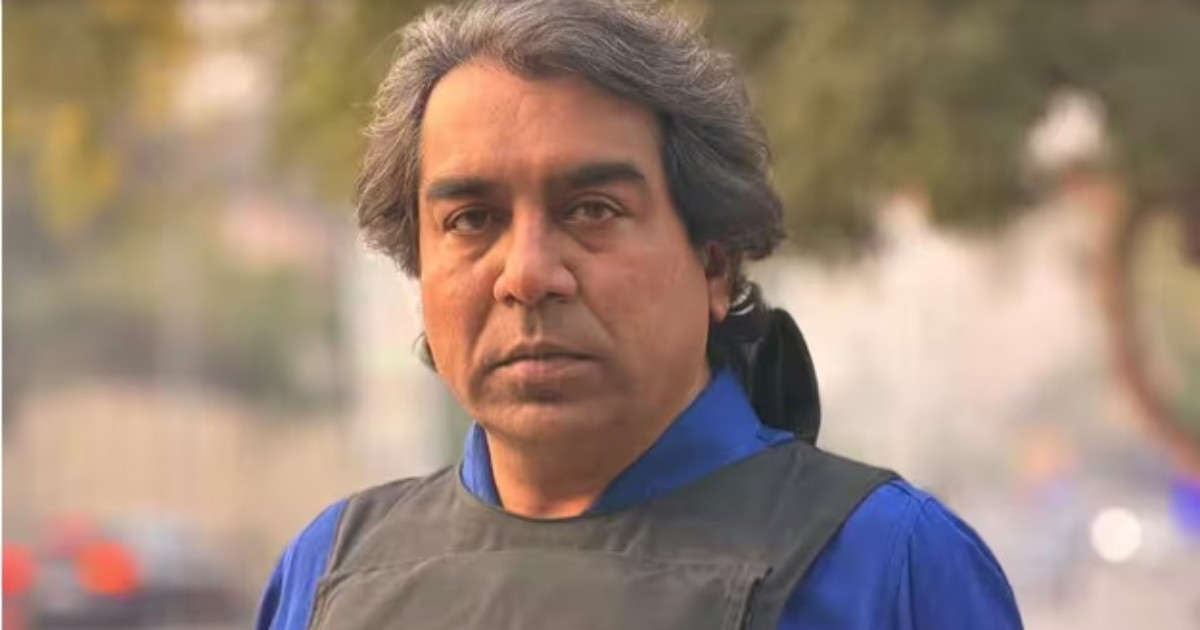
Amar Guriro: Journalism's future is human-AI partnership
June 05, 2026 Amar Guriro, founder of Pakistan's first AI-powered news platform, says journalism's future rests on human-AI collaboration to improve reporting while preserving editorial oversight.

The JournalismPakistan Global Media Brief | Edition 23 | June 5, 2026
June 05, 2026 Global Media Brief reviews pressures reshaping journalism, press freedom, AI and platform power, and reports BBC's Emmy, 60 Minutes turmoil and Taiwan's protest.

As AI reshapes news, publishers seek a sustainable future
June 05, 2026 At the World News Media Congress in Marseille, publishers discussed how generative AI is altering newsroom workflows, audience engagement and content licensing.
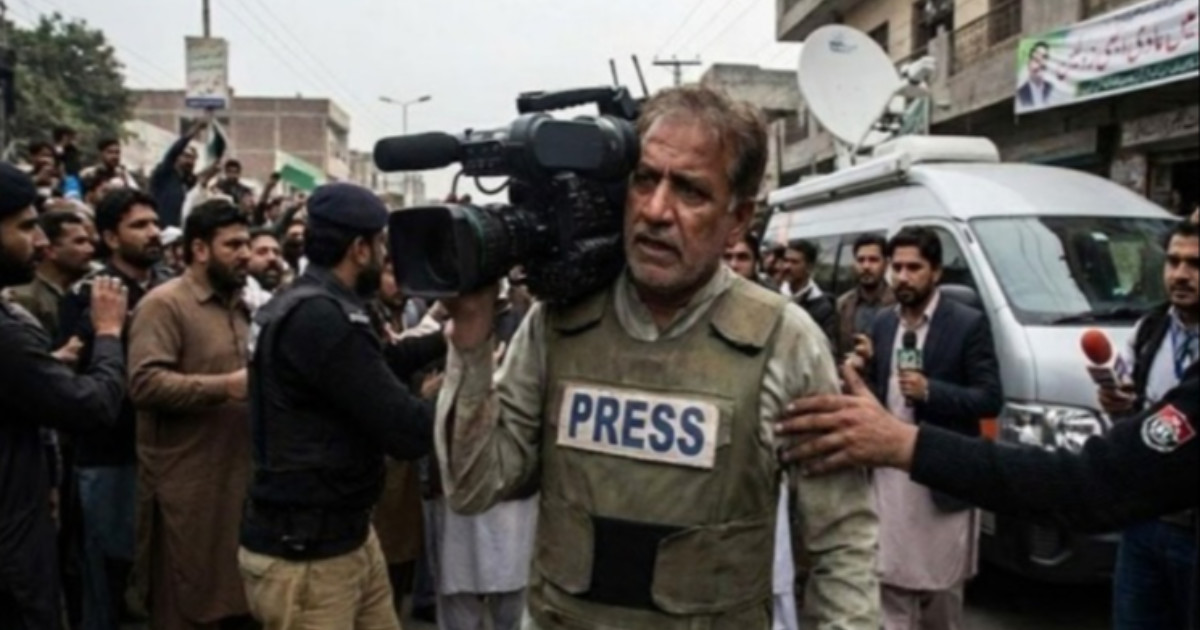
Every frame at a cost: The safety crisis facing Pakistan's camerapersons
June 05, 2026 Pakistani camerapersons face serious risks covering floods, protests and attacks, often without training, protective gear or employer support.
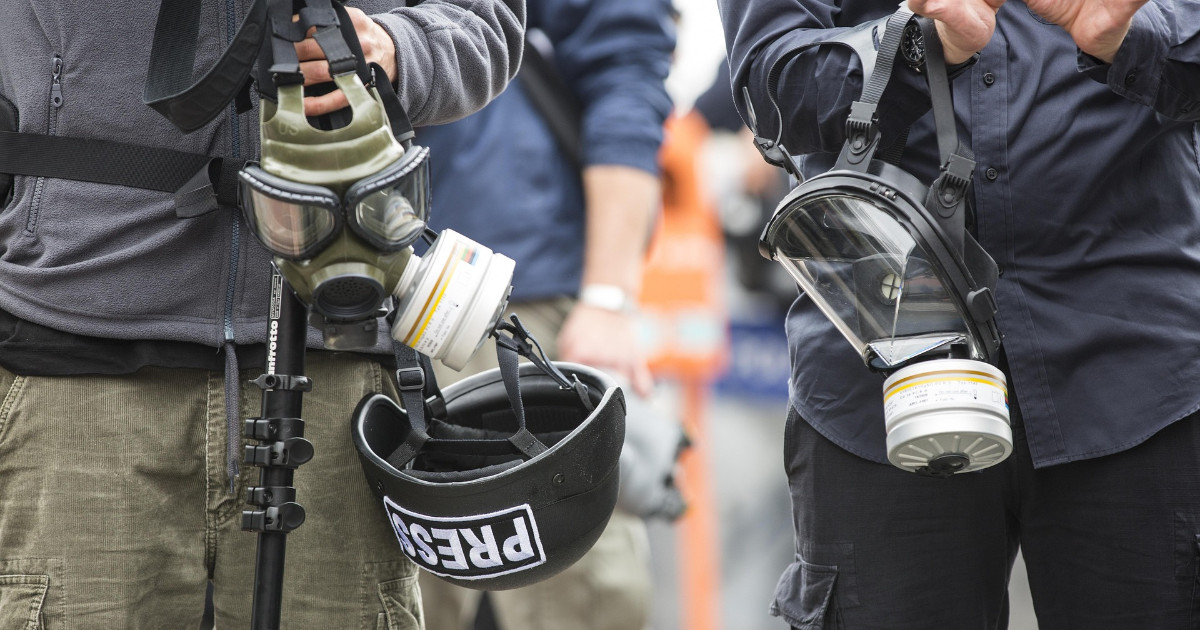
Why journalists are increasingly targeted in conflict zones
June 04, 2026 Journalists in conflict zones face rising danger as combatants, states and militias increasingly target independent reporting to control narratives.
Popular Stories

AI reshapes journalism focus at N3Con 2026
May 24, 2026

Five warning signs for global journalism in May 2026
May 31, 2026
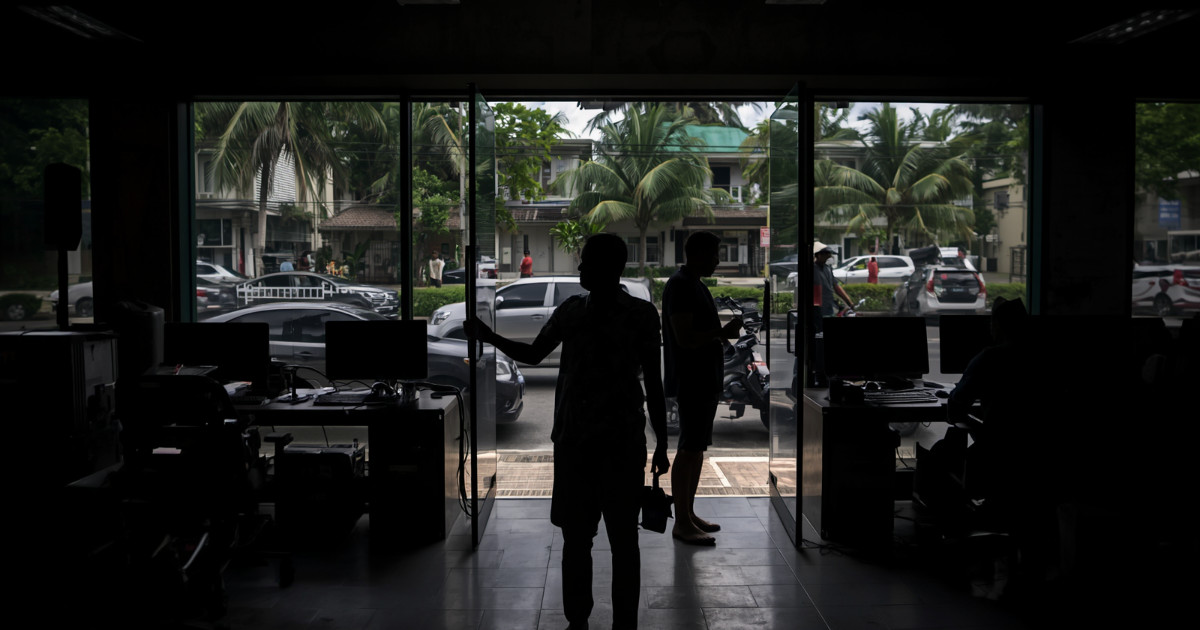
Maldives blackout protest spotlights media crackdown
May 19, 2026