

Najam Sethi
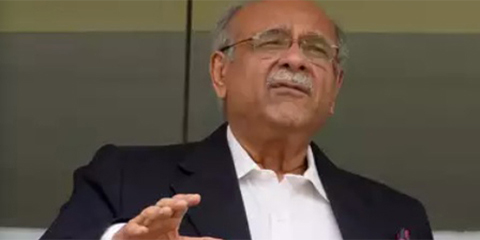
Najam Sethi is an award-winning journalist and media personality. He is the Editor-in-Chief of The Friday Times, a Lahore-based political weekly. He was previously the Editor of Daily Times and daily Aaj Kal newspapers. He is currently the Editor-in-Chief of Geo News where he hosts a popular political program: “Aapas ki Baat”. He is the only journalist in Asia to receive three international press freedom awards in a decade.
Sethi was born in May, 1948. He is married to Jugnu Mohsin who is Managing Editor of The Friday Times and Good Times. Their son Ali Sethi is a novelist and daughter Mira Sethi works at the Wall Street Journal in New York.
Sethi was a political prisoner from 1975-1977 during the regime of Zulfikar Ali Bhutto for protesting military action in Balochistan. In 1984, the regime of General Zia ul Haq put him in prison for one month for publishing “From Jinnah to Zia”, a book authored by the former chief justice of the Supreme Court of Pakistan, Justice Mohammad Munir. The book was a sort of mea culpa in which the author had admitted his grave error in legitimizing the first martial law in Pakistan in 1958, thereby paving the way for Gen Zia’s martial law in 1977.
In 1999, he was again imprisoned by the government of Prime Minister Nawaz Sharif on trumped up charges of treason. The reason was relentless exposure of corruption in the Sharif family by The Friday Times. The Supreme Court of Pakistan later rejected the charges and freed him after one month.
While in detention, he was tortured and suffered a heart attack, which necessitated heart surgery in 2000. The Sharif government harassed him later by slapping dozens of income tax cases, accused him of being a “non-Muslim” and tried to deprive him of his voting rights. But all the cases were dismissed by the courts and his rights were restored by the Chief Election Commissioner.
He has been awarded the 2009 Golden Pen of Freedom, the annual press freedom prize of the World Editors Forum/ World Association of Newspapers for courage in upholding secular values, human rights and press freedom.
He has also received Courage in Journalism Award 1999 from Amnesty International, Press Freedom Award 1999 from Committee to Protect Journalists (CPJ) New York, and Hilal-i-Imtiaz, the highest civil award of the country, from the Government of Pakistan in 2010.
Source: najamsethiaapaskibaat.wordpress.com
Imtiaz Sipra (1938-2001)
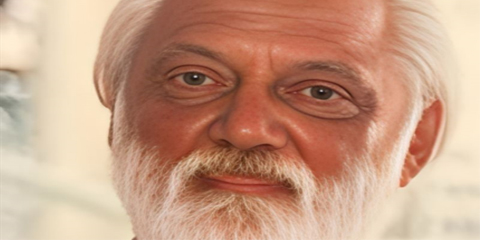
White hair flying with the first touch of air, drooping moustache pure silver with a touch of brown in the middle - brown due to burnt hair because of excessive smoking, Imtiaz Sipra was a phenomenal writer.
Saleem Asmi
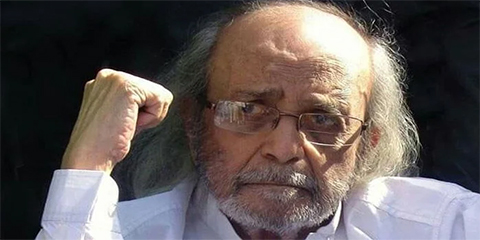
Beginning his journalistic career in 1959, Saleem Asmi joined The Times of Karachi as a sub-editor. Like most journalists from his era, he became part of The Pakistan Times, becoming the newspaper's city editor.

Muhammad Ziauddin (1938-2021)
Muhammad Ziauddin, renowned as a capable and fiercely independent journalist, left a lasting legacy spanning over five decades. Known respectfully as Ziauddin Sahab, he was regarded as one of the last legendary journalists in Pakistan.
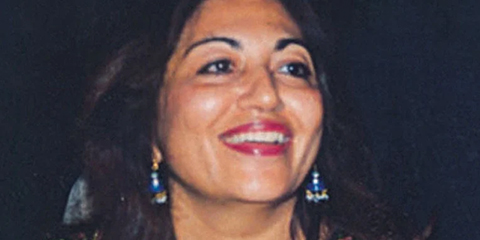
Razia Bhatti (1944-1996)
Razia Bhatti has been described as a crusader, a torch-bearer, and a symbol of courage. In 1996, the Pakistan Press Foundation called her untimely death at the age of 52 an 'end of a golden chapter of journalism in Pakistan.'
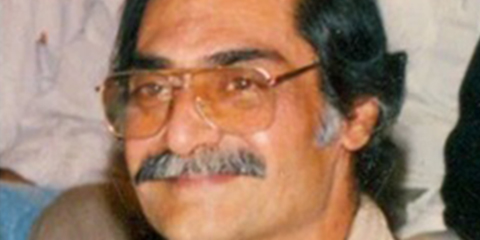
Yawar Hayat (1943-2016)
Born on October 18, 1943, Yawar Hayat is celebrated as one of the chief architects of Pakistan Television (PTV). The son of Brigadier Azmat Hayat Khan, he was the grandson of Sir Sikandar Hayat Khan
Altaf Gauhar (1923-2000)
Altaf Gauhar was a man of extraordinary versatility, charm and intelligence. He was born in Gujranwala and received his education from the Government College, Lahore, after which he joined All-India Radio
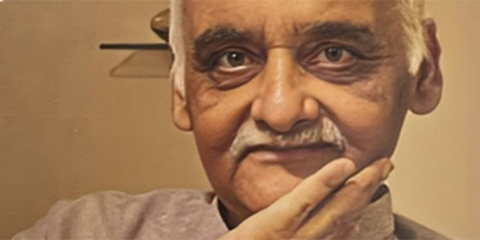
Gul Hameed Bhatti (1947-2010)
Gul Hameed Bhatti was a top ranked cricket journalist and statistician. He also loved flying and was a commercial pilot with the Pakistan International Airlines between 1968 and 1971.

Asaf Jilani
Asaf Jilani was born in Aligarh in 1934. He got his primary education at Jamia Millia Islamia in Delhi where Dr. Zakir Hussain was Shaikh ul Jamia. Dr. Hussain later became the third President of
Newsroom
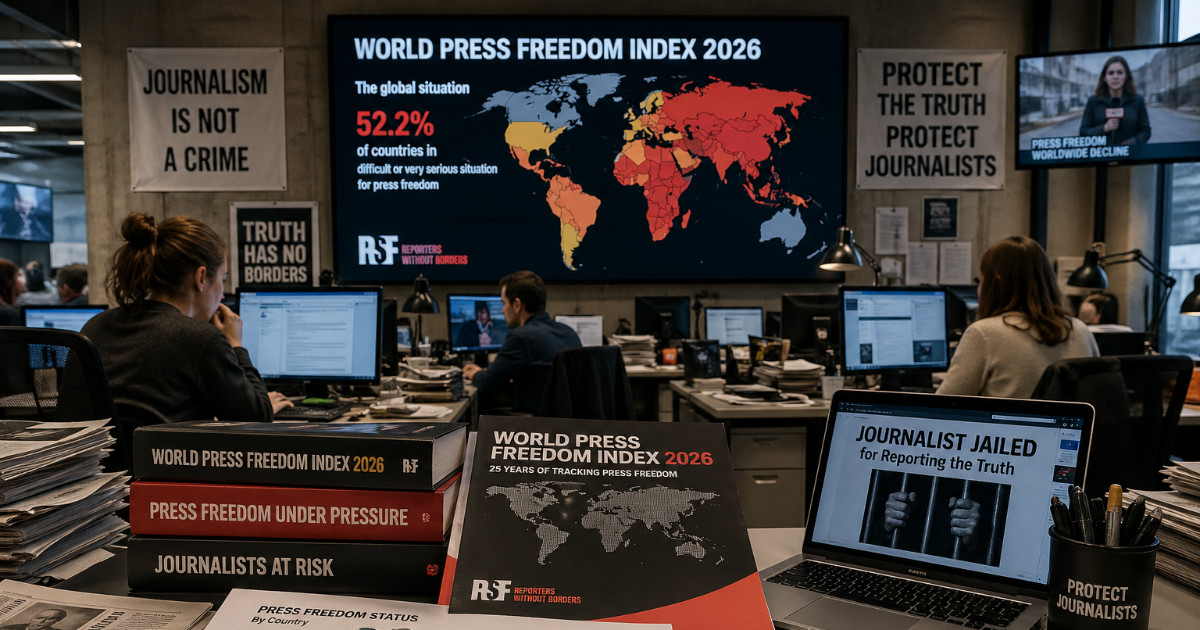
Global press freedom hits historic low, RSF reports
April 30, 2026 Reporters Without Borders says global press freedom is at its lowest in 25 years, with over half of countries now rated 'difficult' or 'very serious'.
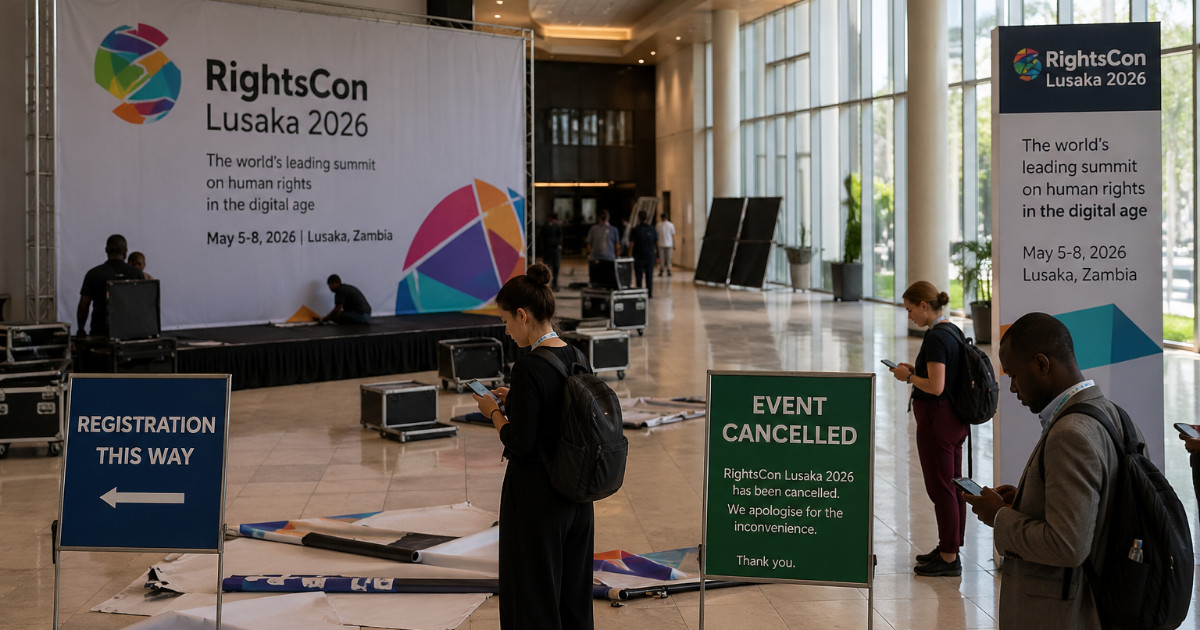
Zambia cancels RightsCon 2026 days before start
April 30, 2026 Zambia cancelled RightsCon 2026 days before the Lusaka event, citing values and diplomatic protocols, prompting global concern among rights groups.

Dawn CEO flags new era of media pressure in Pakistan
April 30, 2026 Dawn CEO Hameed Haroon warns that press freedom in Pakistan has shifted from visible censorship to diffuse economic and regulatory pressures limiting journalism.
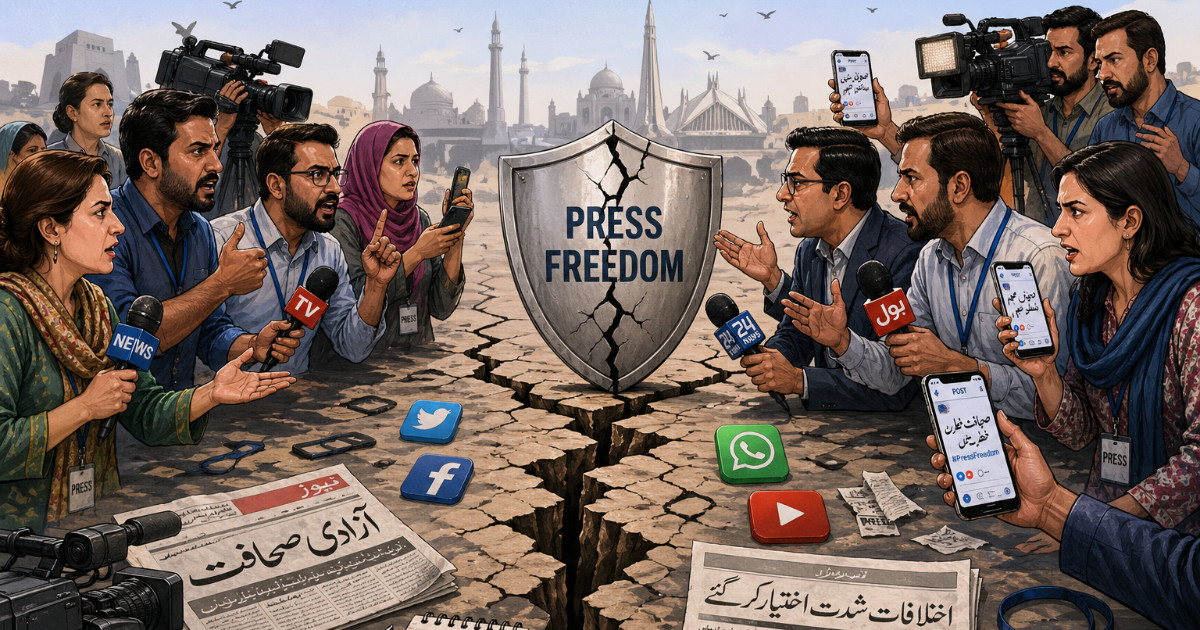
Journalists at war with themselves: A crisis no one will win
April 30, 2026 Pakistan's journalists are divided after an Islamabad event sparked clashes over press club authority, union rivalries and a wave of hostile social media exchanges.
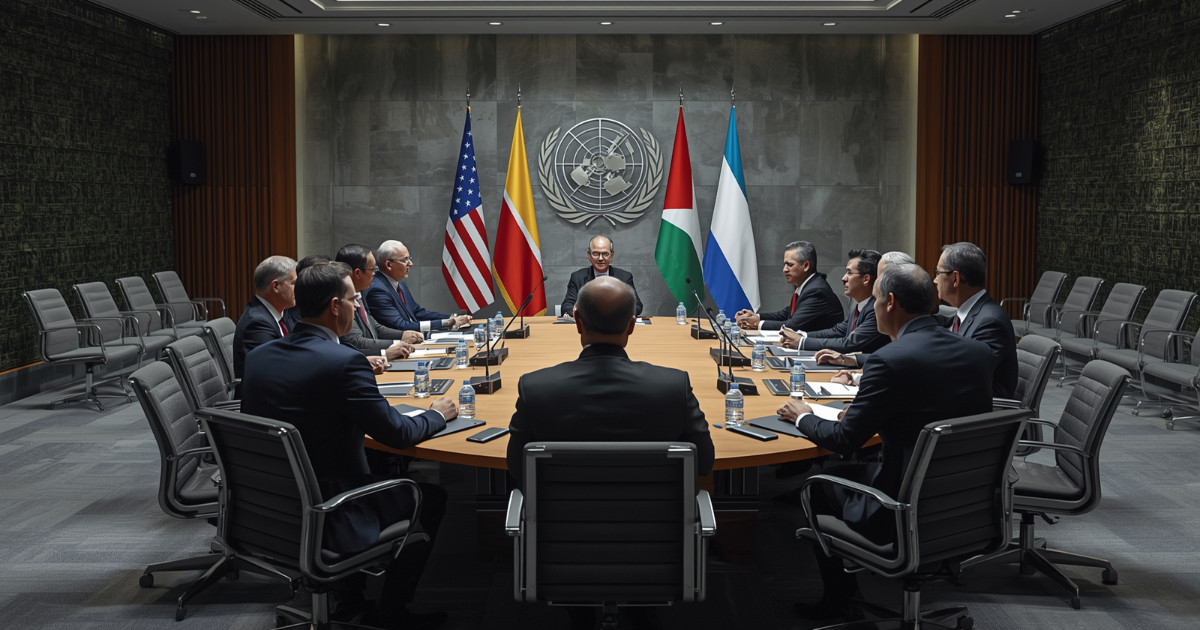
Belarusian journalist Andrzej Poczobut freed in US brokered swap
April 29, 2026 Belarusian journalist Andrzej Poczobut was freed in a U.S.-brokered prisoner swap in late April 2026, ending his long detention on political charges.
Popular Stories

Journalist protests unpaid dues, targets media owner
Mar 31, 2026
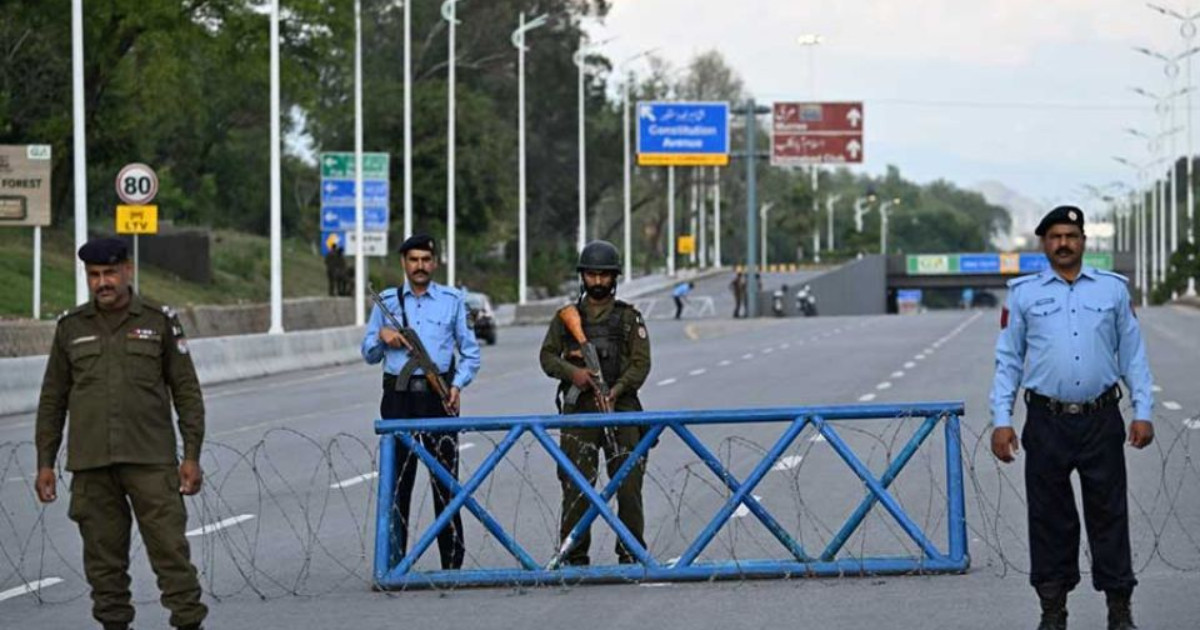
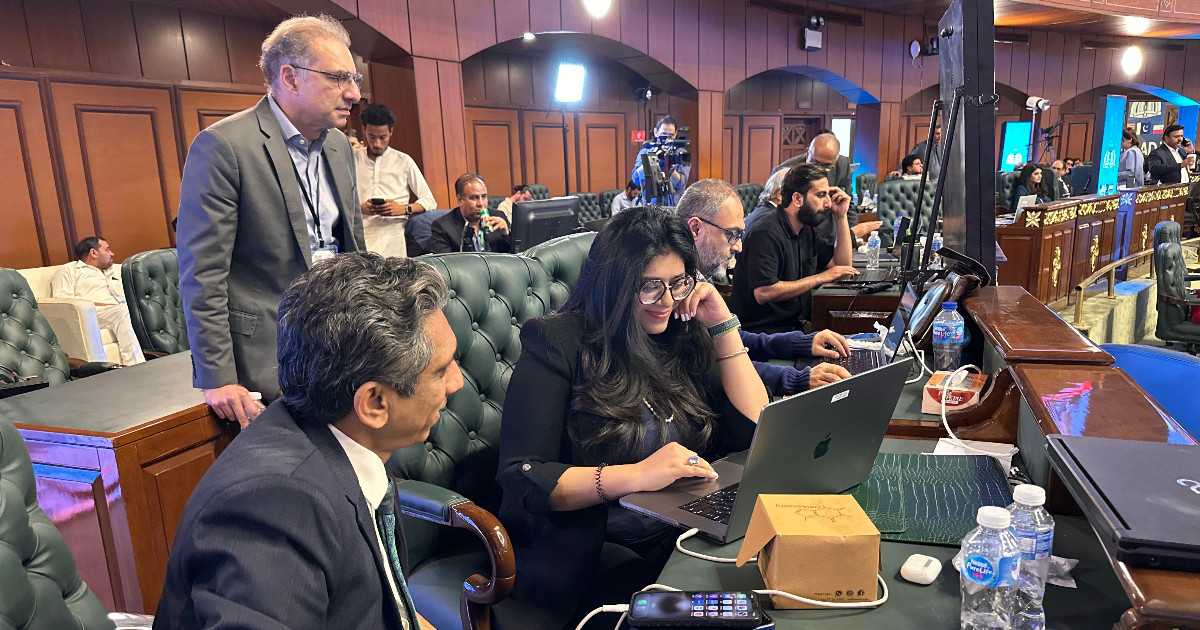
Five stories showing pressure on Pakistan media
Apr 13, 2026
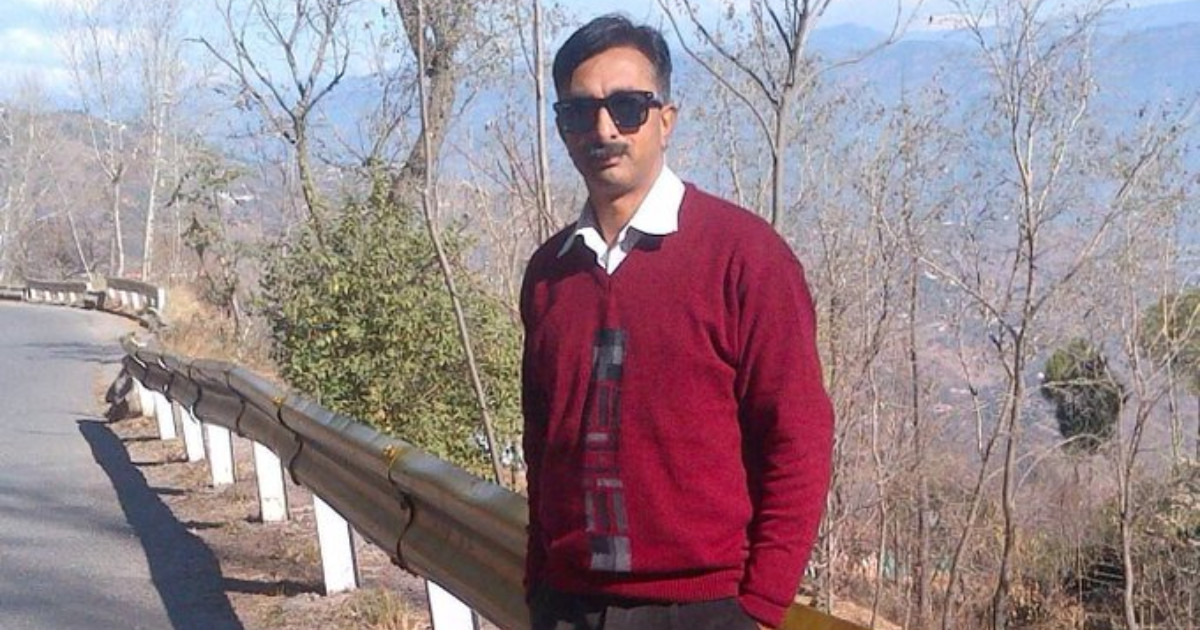

Attack on Jameel Farooqui sparks press safety fears
Apr 16, 2026

Pakistan journalist health scheme sees low uptake
Apr 07, 2026