
Riaz Batalvi (1937-2003)
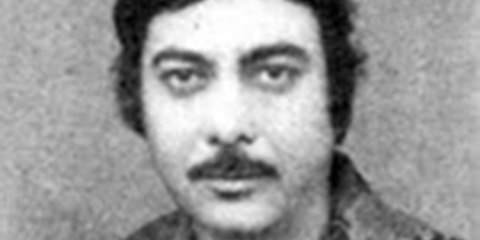
Riaz Batalvi, a journalist, became a writer and a dramatist, giving PTV two of its best productions – Aik Haqeeqat, Aik Afsana and Dubai Chalo.
Born as Riazul Hasan in February 1937 in Gurdaspur, he served as editor of Daily Mashriq. When he came to Pakistan after partition, he joined Daily Kohistan, which was edited by novelist Nasim Hijaji. He joined Mashriq when the paper was launched in 1963.
At Mashriq, he started feature writing by becoming a people’s person. Mashriq would announce reward for Lahorites if any one of them could spot Batalvi among them. Next day his pictures would be published sometimes as a porter at the railway station or a cart hawker or even a beggar, telling readers he was among them. This would provide Batalvi rich material for his features. His drama - Dubai Chalo - was an instant hit which was also turned into a film.
Similarly Aik Haqeeqat, Aik Afsana was the leading drama series on PTV. In 1986 he was given the Pride of Performance award by the government for excellence in literature. He died on January 3, 2003.
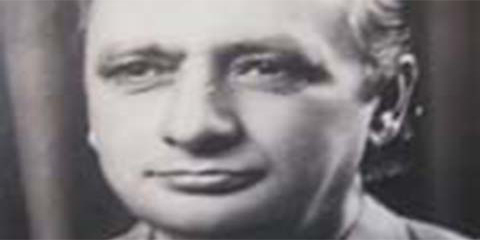
Khalid Akhtar (1935-2005)
Khalid Akhtar was a senior journalist who started his career in 1973 as a Sub-Editor and Editorial Writer with The New Times. He worked with The Muslim in Islamabad as its Executive Editor

Mushahid Hussain Sayed
Mushahid Hussain Sayed has the distinction of becoming the youngest editor of a national English daily The Muslim (now defunct). He achieved this honor at the age of 29 in 1982.
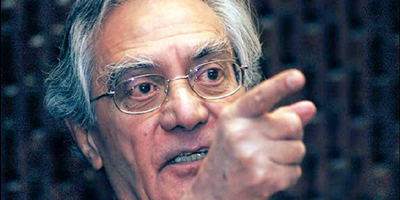
Aslam Azhar (1932-2015)
Born on 2 September 1932, Aslam Azhar is remembered as the founding father of Pakistan Television. After earning a law degree from Cambridge University, he chose not to pursue a legal career but instead immersed himself in the world of performing arts.
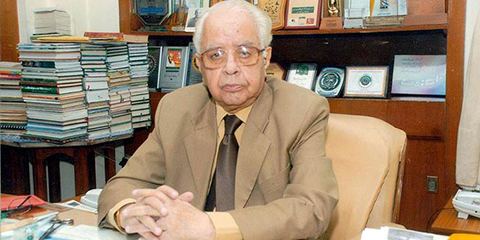
Majid Nizami (1928-2014)
Editor-in-chief and publisher of Nawa-i-Waqt, Majid Nizami was in the field of journalism for almost half a century. He was born in Sangla Hill in Sheikhupura, Punjab, and got his early education
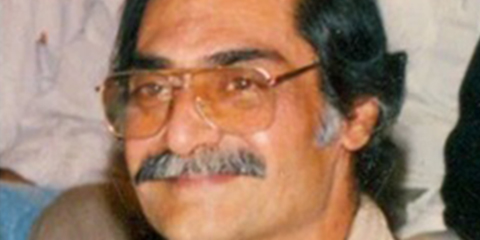
Yawar Hayat (1943-2016)
Born on October 18, 1943, Yawar Hayat is celebrated as one of the chief architects of Pakistan Television (PTV). The son of Brigadier Azmat Hayat Khan, he was the grandson of Sir Sikandar Hayat Khan

Muhammad Ziauddin (1938-2021)
Muhammad Ziauddin, renowned as a capable and fiercely independent journalist, left a lasting legacy spanning over five decades. Known respectfully as Ziauddin Sahab, he was regarded as one of the last legendary journalists in Pakistan.
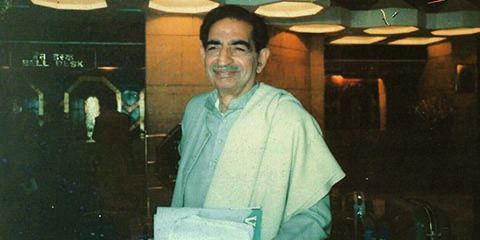
Mazhar Ali Khan (1918-1993)
Mazhar Ali Khan served as the Editor-in-Chief of the newspapers Pakistan Times from 1951 to 1959, Dawn in 1972, and the journal Viewpoint. He graduated from the Punjab University in Lahore in 1939
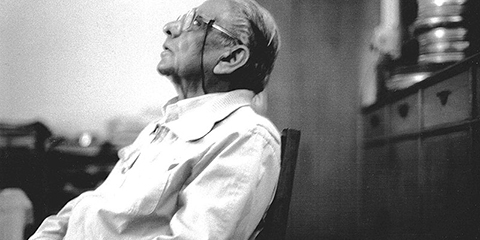
Anwar Ali (1922-2004)
Anwar Ali, creator of famous character Nanna, was the first newspaper cartoonist associated with The Pakistan Times. Born on April 18, 1922 in Ludhiana, his association with this newspaper
Newsroom

Pele to Messi: How World Cup finals wrote football's greatest story
June 15, 2026 From Pele to Messi, World Cup finals shaped football's global story, tracing triumphs and heartbreaks and showing how the game became a shared language.
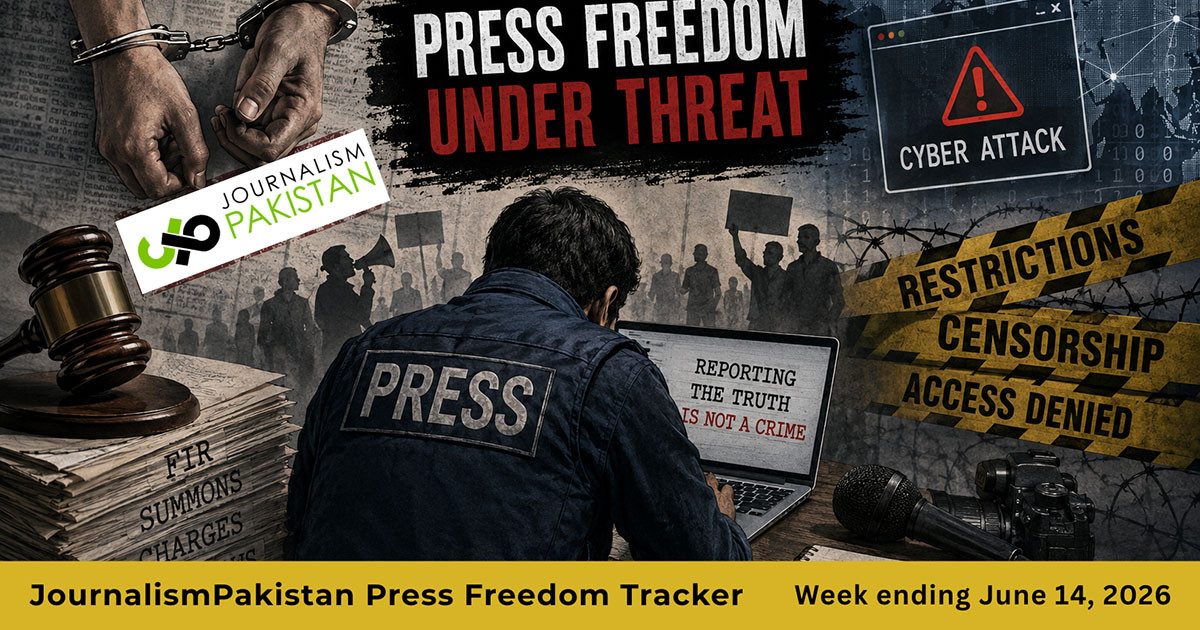
Press freedom review: From jail cells to cyberspace, threats to journalists multiply
June 14, 2026 Press freedom faces mounting challenges worldwide as journalists confront arrests, legal pressure, cyberattacks, online harassment, deportations, and reporting restrictions across multiple countries.

The right to know: Comparing access-to-information laws across Asia
June 14, 2026 Across Asia, RTI laws range from effective tools for journalism and accountability to paper laws weakened by bureaucracy, broad exemptions and poor enforcement.

Open-Source Intelligence (OSINT): How journalists verify information in the digital age
June 14, 2026 OSINT helps journalists verify social media, photos, videos, maps and public records to improve reporting accuracy and detect misinformation.
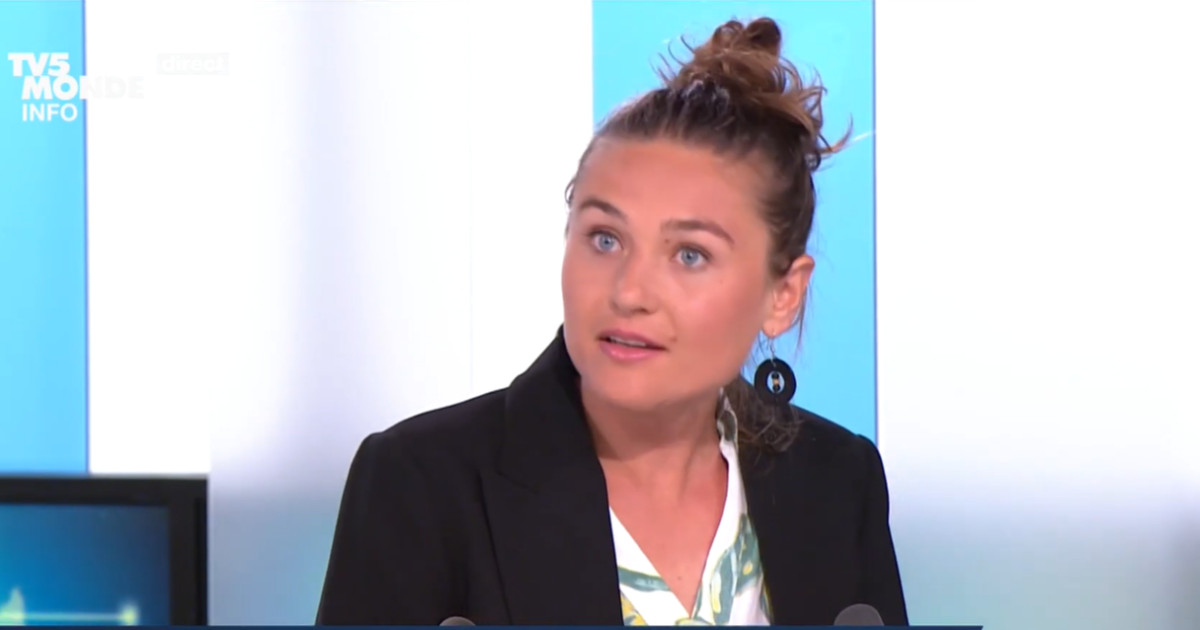
Ethiopia expels French journalist after Tigray reporting
June 13, 2026 Ethiopia expelled French reporter A. Passilly after Tigray reporting, drawing criticism from press groups as retaliatory and damaging to press freedom.
Popular Stories

Why publishers want AI companies to pay
Jun 06, 2026