
Global media faces escalating threats
JournalismPakistan.com | Published: 28 February 2026 | JP News Desk
Join our WhatsApp channel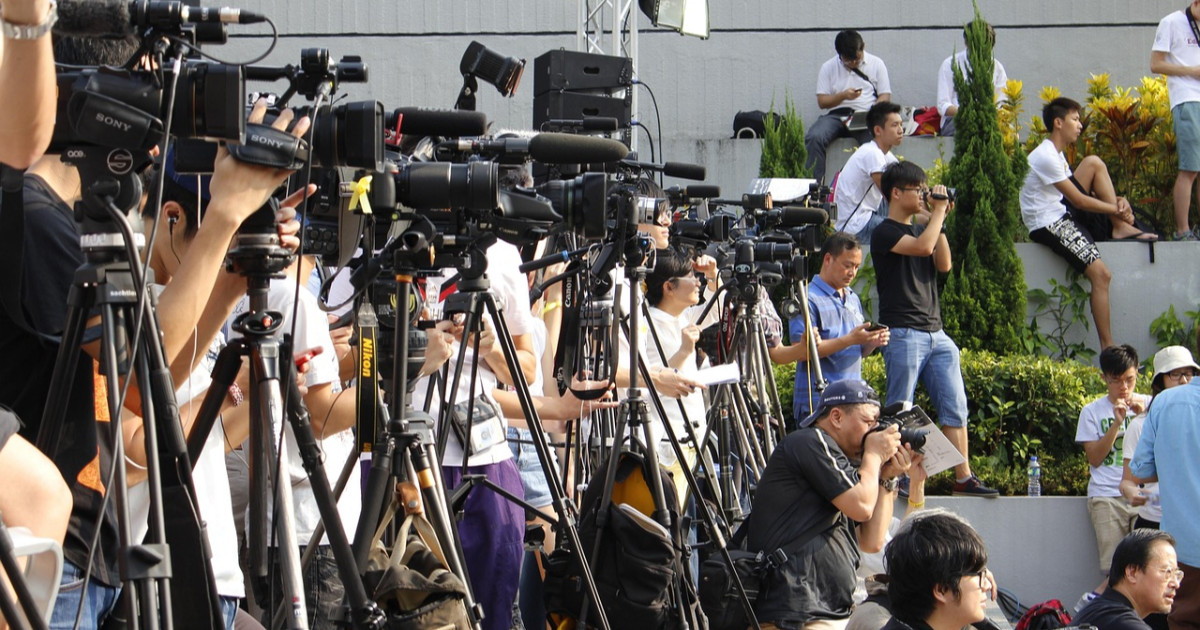
This week saw a surge in pressures on journalists and media outlets worldwide, from Israeli orders to close Palestinian digital platforms and attacks on reporters in Bangladesh to growing international advocacy over press freedom concerns in Pakistan.Summary
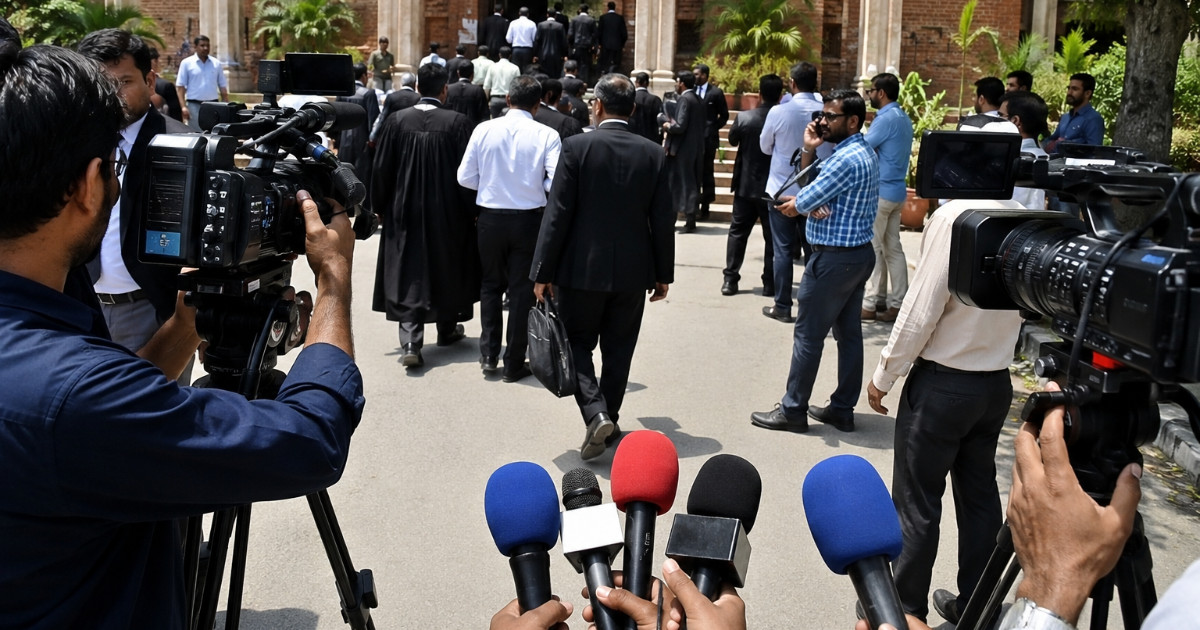
ISLAMABAD — This week saw a surge of developments highlighting growing pressures on journalists and media organizations worldwide, from legal battles and government bans to physical attacks and advocacy efforts. Across multiple regions, reporters faced regulatory, physical, and digital threats, underscoring the fragility of press freedom even in established democracies.
Israeli authorities order closures of Palestinian media
Israeli authorities ordered the closure of five Palestinian digital outlets, including Alasima News and Maydan Al-Quds, citing alleged incitement linked to reporting on East Jerusalem. The bans require the platforms to suspend operations and halt content distribution, signaling a heightened clampdown on Palestinian media in a highly contested political environment.
Journalists attacked and defended in Bangladesh
In Bangladesh, police officers were withdrawn from duty and disciplinary proceedings initiated after footage surfaced showing reporters being beaten while covering an anti-drug operation at Suhrawardy Udyan in Dhaka on February 23. Multimedia journalists from Banglanews24.com and Ajker Patrika were injured, prompting condemnation from press freedom advocates and student groups. Dhaka Metropolitan Police described the confrontation as a “misunderstanding,” noting the journalists did not visibly display press credentials.
International pressure grows for press freedom in Pakistan
International advocacy also made headlines this week. Leading global press freedom groups, including the Committee to Protect Journalists, Reporters Without Borders, PEN America, and the International Press Institute, called on Pakistan’s Prime Minister Shehbaz Sharif to urgently protect journalists amid deteriorating media conditions. The coordinated appeal emphasizes rising risks to reporters and the need for both constitutional and international safeguards for free expression.
Legal victories and AI content protections highlight global trends
The week’s reports highlighted both legal victories and ongoing challenges for press freedom. Hong Kong’s appellate court overturned Jimmy Lai’s 2022 fraud conviction, providing a rare win for a pro-democracy media figure, while the European Union’s top court ruled Hungary violated EU law by denying Klubrádió’s broadcasting licence renewal, underscoring tensions between government regulators and independent outlets.
Media organizations adapt to technology and lawsuits
Media organizations are also adapting to emerging technological threats. The UK’s five largest news outlets, BBC, Financial Times, Sky News, Telegraph Media Group, and The Guardian, announced a coalition, SPUR, to protect journalistic content from unauthorized AI use, advocating for licensing frameworks and compensation standards for AI developers. Meanwhile, in Malaysia, the anti-corruption chief filed a US$25 million defamation lawsuit against Bloomberg over reporting on alleged shareholdings, reflecting rising friction between authorities and international media coverage.
WHY THIS MATTERS: Pakistani journalists and media organizations can glean several lessons from this week’s developments: the need for robust safety protocols for reporters in volatile environments, awareness of legal and regulatory threats to media operations, and preparation for challenges arising from AI use of journalistic content. These global patterns also underscore the importance of advocacy, alliances, and legal literacy for protecting press freedom in Pakistan.
ATTRIBUTION: Reporting by JournalismPakistan, based on publicly available sources including Israeli media statements, Dhaka Metropolitan Police briefings, Committee to Protect Journalists 2026 report, Court of Justice of the European Union ruling, Hong Kong appellate court judgments, SPUR coalition announcements, and Radio Free Asia coverage.
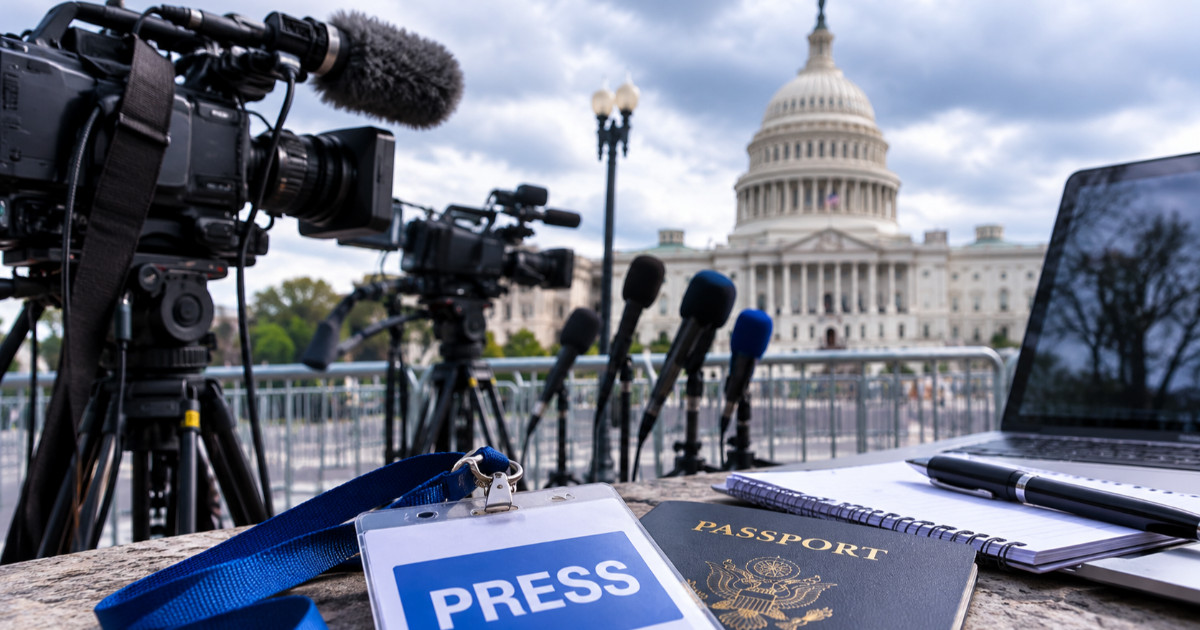
PHOTO: By Andy Leung from Pixabay
Key Points
- Israeli authorities ordered the closure of five Palestinian digital outlets, citing alleged incitement linked to East Jerusalem coverage.
- Reporters covering an anti-drug operation in Dhaka were beaten; police officers were withdrawn and disciplinary proceedings initiated.
- Multimedia journalists from Banglanews24.com and Ajker Patrika were injured, prompting condemnation from press freedom advocates.
- Leading international press freedom groups, including CPJ and RSF, increased advocacy on press freedom concerns in Pakistan.
- The developments highlight rising regulatory, physical, and digital threats to media across multiple regions.
Key Questions & Answers
What actions did Israeli authorities take?
They ordered the closure of five Palestinian digital outlets and required suspension of operations; authorities cited alleged incitement tied to coverage of East Jerusalem.
Why were reporters attacked in Bangladesh?
Reporters were beaten while covering an anti-drug operation at Suhrawardy Udyan; police described the incident as a misunderstanding and disciplinary steps were later taken.
Which groups are pushing for press freedom internationally?
Prominent organizations such as the Committee to Protect Journalists and Reporters Without Borders have increased advocacy and raised concerns about media freedom.
What does this pattern indicate about global media threats?
It signals growing legal, physical and digital pressures on journalists and outlets worldwide, underscoring the fragility of press freedoms even in established democracies.
Relevant Topics
Ask AI: Understand this story your way
AI EnabledDig deeper, ask anything — get instant context, background, and clarity.
Disclaimer: This feature is powered by AI and is intended to help readers explore and understand news stories more easily. While we strive for accuracy, AI-generated responses may occasionally be incomplete or reflect limitations in the underlying model. This feature does not represent the editorial views of JournalismPakistan. For our full, verified reporting, please refer to the original article.