.jpg)
Global press freedom groups urge Pakistan to protect journalists
JournalismPakistan.com | Published: 25 February 2026 | JP Staff Report
Join our WhatsApp channel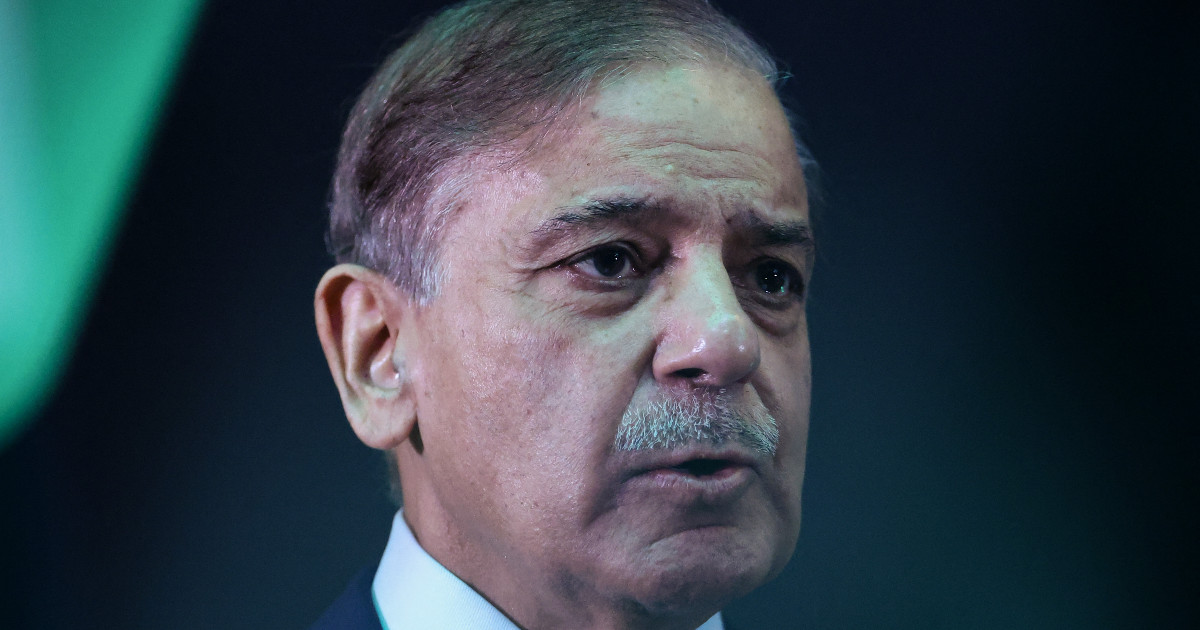
International and Pakistani press freedom groups urge Prime Minister Shehbaz Sharif in a Feb. 25, 2026, letter to protect journalists, saying the 27th amendment and the new FCC have weakened judicial oversight and increased impunity.Summary
ISLAMABAD — International press freedom and human rights organizations have jointly called on Pakistan’s Prime Minister Shehbaz Sharif to take urgent action to protect journalists and uphold constitutional and international commitments to free expression, citing a sharp deterioration in press freedom conditions across the country.
Leading international and regional press freedom groups, including the Committee to Protect Journalists, Reporters Without Borders, PEN America, and the International Press Institute, have called on Prime Minister Shehbaz Sharif to urgently address deteriorating media rights in Pakistan. Some Pakistani organizations also joined the appeal, emphasizing the rising risks faced by journalists nationwide.
In a letter delivered on February 25, 2026, the coalition said recent structural changes, including the 27th constitutional amendment that established a Federal Constitutional Court (FCC), coincide with weakened judicial oversight in cases involving attacks, harassment, and legal harassment of journalists. They argue these shifts have diminished protections for media workers and allowed impunity to persist.
Groups warn judicial restructuring erodes media protection
The letter states that since the adoption of the 27th amendment in November 2025, the newly constituted FCC has curtailed traditional judicial mechanisms for holding authorities accountable, reducing checks on violence and intimidation against journalists. Critics contend that this change has played a role in weakening judicial oversight, though government defenders describe the amendment as a means to improve judicial efficiency.
Detention of journalist Sohrab Barkat draws urgent calls for release
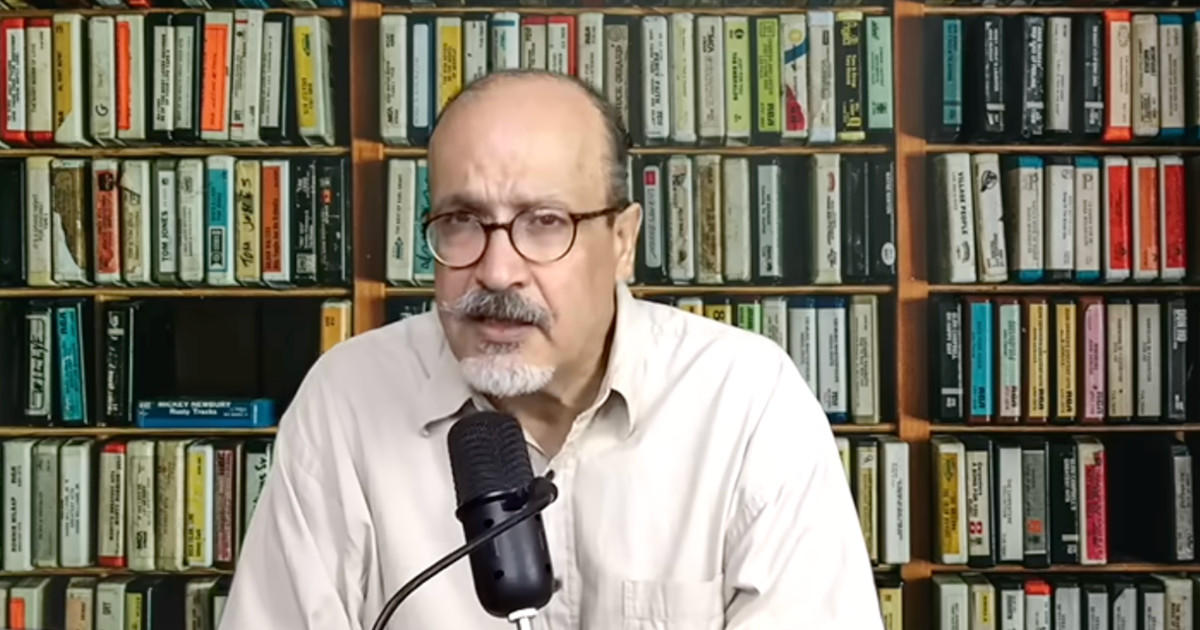
Among their demands, the signatories called for the unconditional release of Islamabad‑based journalist Sohrab Barkat, who has been detained for more than 90 days under the Prevention of Electronic Crimes Act (PECA) 2016 in connection with his reporting, despite having been granted bail by the Supreme Court. Barkat’s detention has drawn criticism from international rights groups, which say his case exemplifies the misuse of cybercrime powers to suppress critical journalism.
The coalition also urged Pakistan’s government to address broader patterns of impunity in violence against journalists, including stalled investigations into past high‑profile cases, and to reform laws such as PECA that rights advocates argue are used to stifle legitimate reporting and dissent.
Groups highlight risks beyond detention and legal action
The letter further raises concerns about intimidation and summons against journalists, threats to media workers from extremist actors, and what they see as an expansion of state reach into transnational repression through legal actions against journalists abroad. It also urges action to halt deportations of Afghan journalists at risk for their work.
WHY THIS MATTERS: For Pakistani journalists and media professionals, the international letter underscores mounting pressure on media freedoms amid evolving legal and constitutional contexts. It highlights how changes to judicial structure and the use of digital crime laws can impact newsroom operations, due process, and journalists’ safety, offering a case study in how legal frameworks can influence the space for independent journalism. The episode also signals to media organizations the importance of international advocacy and legal literacy in protecting press rights.
ATTRIBUTION: Reporting draws on the Committee to Protect Journalists' joint letter and associated press statements, publicly available as of February 25, 2026.
PHOTO: Pakistan’s Prime Minister Shehbaz Sharif /AFP/ Hasnoor Hussain/Circulated by CPJ
Key Points
- On Feb. 25, 2026, international and Pakistani groups delivered a joint letter to Prime Minister Shehbaz Sharif.
- Signatories include CPJ, Reporters Without Borders, PEN America and the International Press Institute.
- The coalition says the 27th amendment and the new Federal Constitutional Court have reduced judicial oversight.
- Groups warn these changes have weakened protections for journalists and fostered impunity for attacks and harassment.
- The appeal asks the government to uphold constitutional and international commitments to free expression and protect media workers.
Key Questions & Answers
Who sent the letter to Pakistan's prime minister?
A coalition of international press freedom and human rights organisations, including the Committee to Protect Journalists, Reporters Without Borders, PEN America and the International Press Institute, joined by some Pakistani groups, delivered the letter.
What did the groups ask the government to do?
They urged Prime Minister Shehbaz Sharif to take urgent action to protect journalists and to uphold constitutional and international commitments to free expression.
What are the main concerns cited in the letter?
The letter cites the 27th amendment and the creation of a Federal Constitutional Court as coinciding with weakened judicial oversight in cases involving attacks, harassment and legal harassment of journalists.
How has the government characterized the judicial changes?
Government defenders say the restructuring aims to improve the judicial system; critics and the signatories say it has diminished checks on violence and intimidation against media workers.
Relevant Topics
Ask AI: Understand this story your way
AI EnabledDig deeper, ask anything — get instant context, background, and clarity.
Disclaimer: This feature is powered by AI and is intended to help readers explore and understand news stories more easily. While we strive for accuracy, AI-generated responses may occasionally be incomplete or reflect limitations in the underlying model. This feature does not represent the editorial views of JournalismPakistan. For our full, verified reporting, please refer to the original article.