
Malaysia anti-graft chief files $25m suit against Bloomberg
JournalismPakistan.com | Published: 27 February 2026 | JP Asia Desk
Join our WhatsApp channel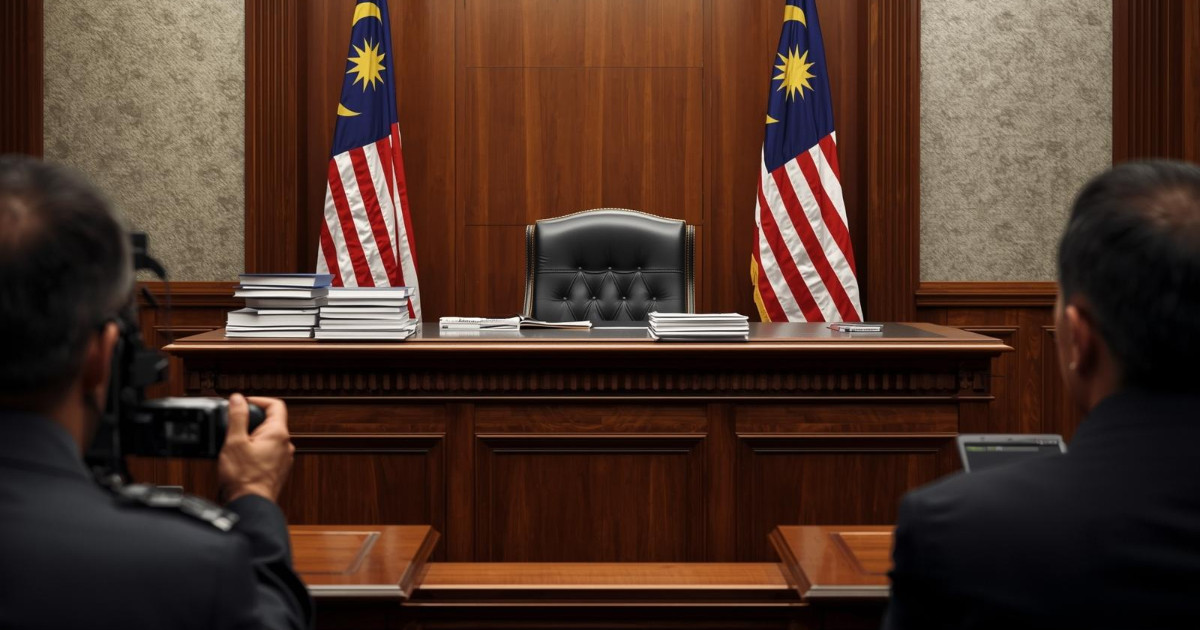
Malaysia's anti-corruption chief filed a US$25 million defamation suit against Bloomberg, alleging false reporting about his shareholdings; filed Feb 26, the action has drawn criticism from press freedom groups and raises questions about governance, transparency and reporting.Summary
KUALA LUMPUR — Malaysia’s anti-corruption chief has filed a US$25 million defamation lawsuit against Bloomberg over a report concerning his alleged shareholdings, escalating tensions between authorities and the international media.
According to Radio Free Asia, the lawsuit was lodged on February 26 and seeks damages over claims the official says are false and defamatory. The report in question examined financial disclosures and raised questions about potential conflicts of interest.
Legal challenge raises press freedom concerns
The New York-based Committee to Protect Journalists criticized the lawsuit, warning that large financial claims against media outlets risk creating a chilling effect on public-interest journalism. CPJ urged the plaintiff to withdraw the suit and emphasized that investigative reporting on public officials’ financial interests is a matter of legitimate public concern.
Bloomberg has not publicly indicated any retraction of its reporting. As of publication, court filings detailing the full scope of the complaint were not immediately available in the public domain.
Broader scrutiny of governance reporting
Malaysia has in recent years faced heightened scrutiny over governance, transparency, and corruption-related investigations. Reporting on asset declarations and shareholdings of senior officials has formed part of wider public debates about accountability and institutional reform.
Media rights advocates argue that defamation suits involving large monetary claims can place financial and legal pressure on news organizations, particularly when the reporting concerns senior public officials. International watchdogs have repeatedly stressed that civil defamation laws should not be used in ways that undermine investigative journalism.
Malaysia, a member of ASEAN, has pledged to strengthen anti-corruption mechanisms, but press freedom groups continue to monitor how legal tools are used in disputes involving the media. The latest lawsuit is likely to draw attention from global press freedom observers assessing the legal environment for journalists operating in the country.
WHY THIS MATTERS: For Pakistani journalists, the case underscores how defamation litigation can be used in response to investigative reporting on financial disclosures and governance. Newsrooms in Pakistan, where defamation and regulatory pressures also exist, may draw lessons on legal preparedness, documentation standards, and risk assessment when pursuing public-interest investigations.
ATTRIBUTION: This report is based on coverage by Radio Free Asia and a public statement issued by the Committee to Protect Journalists.
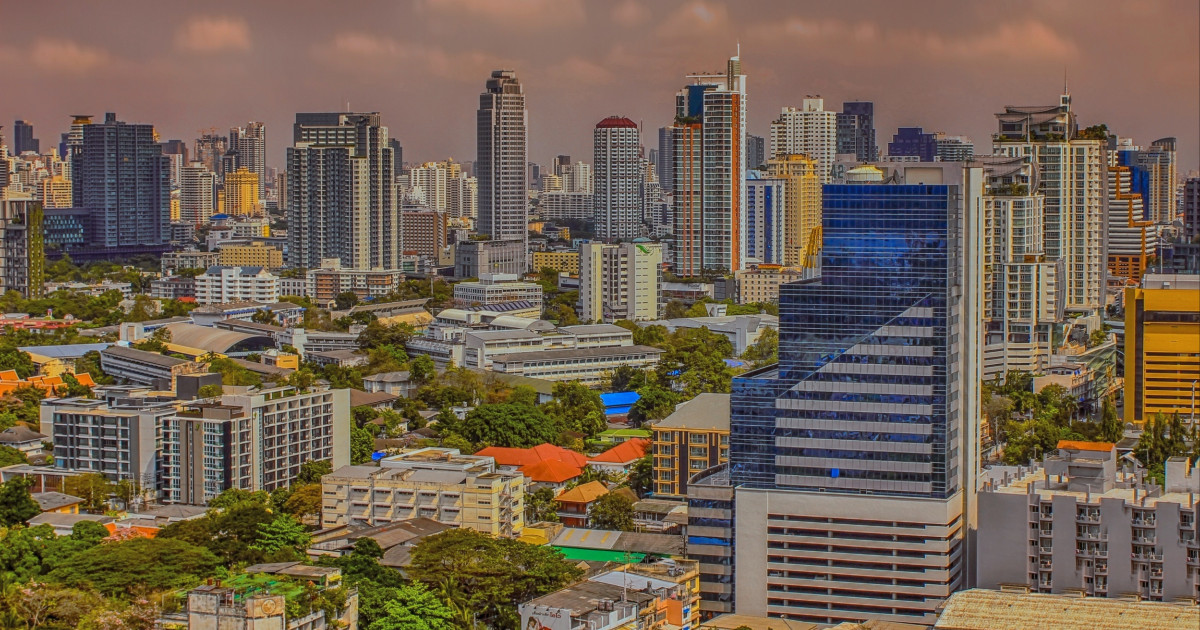
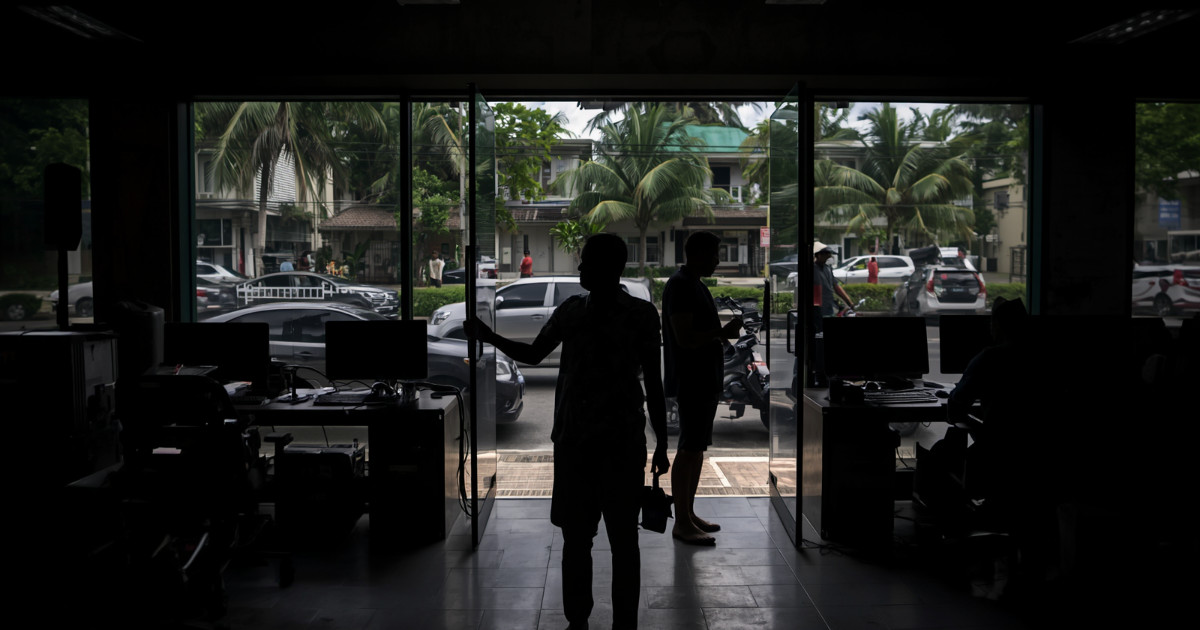
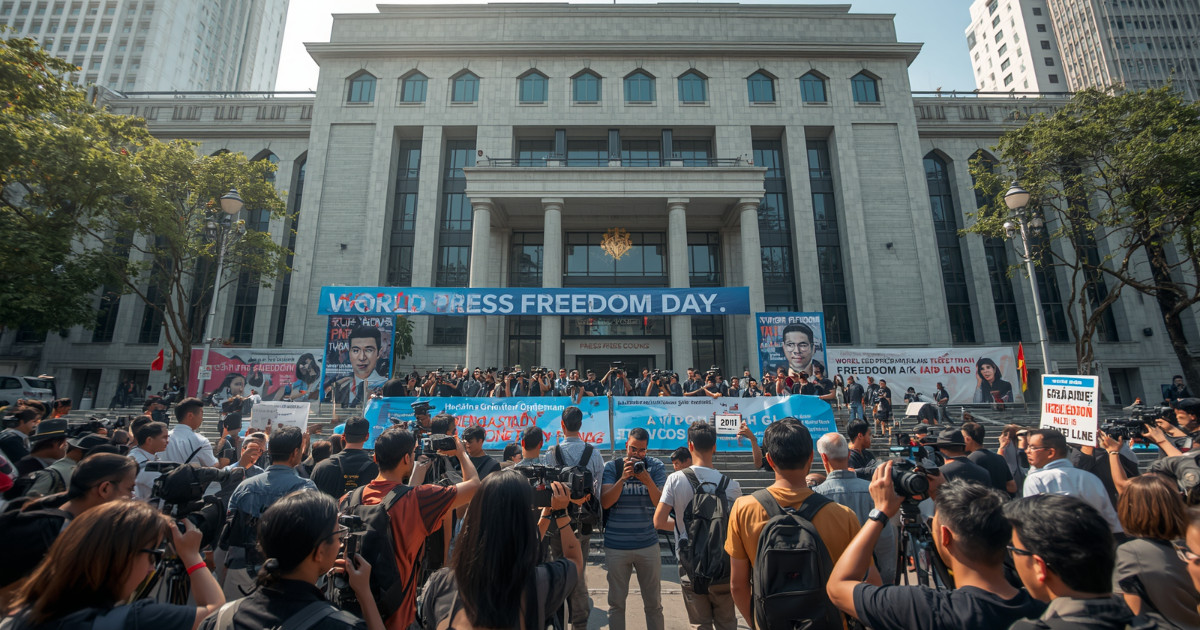
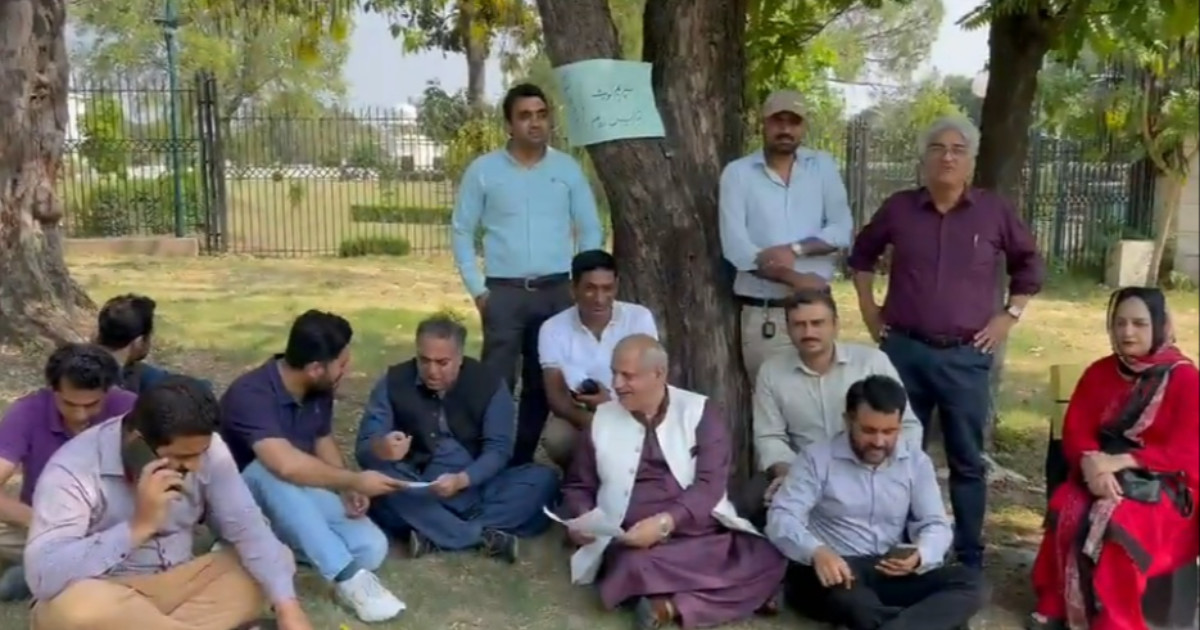
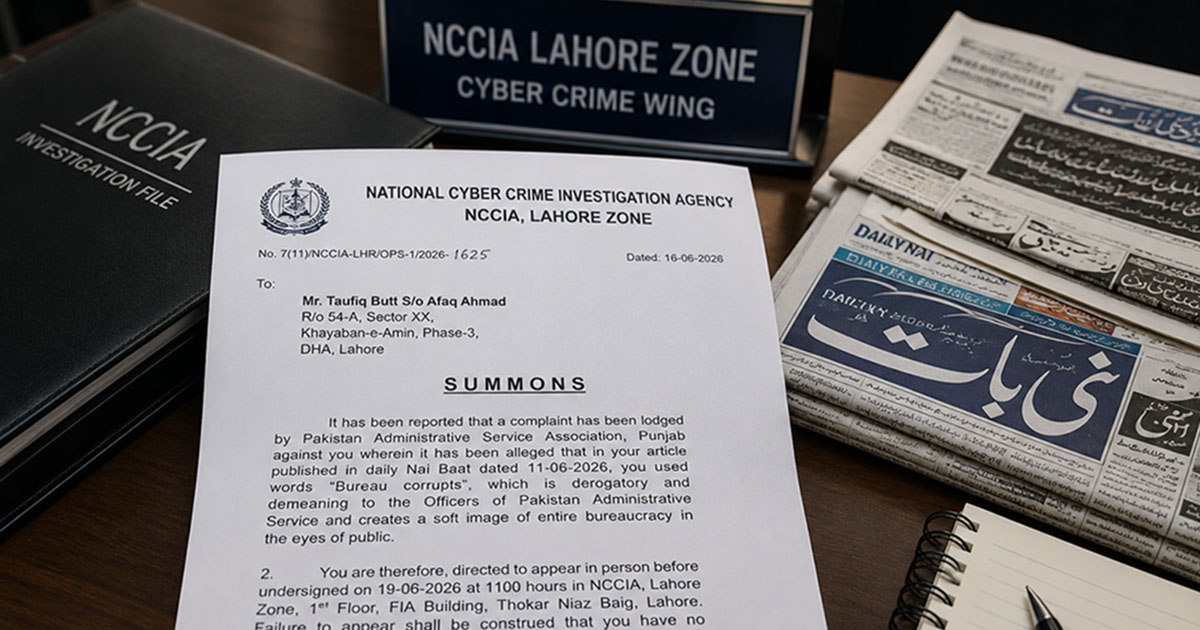
PHOTO: AI-generated; for illustrative purposes only.
Key Points
- Suit seeks US$25 million in damages over Bloomberg reporting on alleged shareholdings.
- The lawsuit was lodged on February 26 and cites false and defamatory claims.
- Committee to Protect Journalists warned the claim could chill public-interest reporting.
- Bloomberg has not publicly retracted the report and court filings were not immediately available.
- The case highlights wider debates on governance, transparency and media accountability.
Key Questions & Answers
What is the lawsuit about?
The anti-corruption chief alleges Bloomberg published false claims about his shareholdings and has filed a US$25 million defamation suit seeking damages.
When was the suit filed?
The lawsuit was lodged on February 26; as of publication, detailed court filings were not immediately available.
Who has criticized the legal action?
The Committee to Protect Journalists and other media-rights advocates warned large financial claims risk creating a chilling effect on investigative journalism.
What broader issues does this raise?
The dispute underscores wider concerns about governance, transparency and the potential use of defamation suits to pressure news organizations.
Relevant Topics
Ask AI: Understand this story your way
AI EnabledDig deeper, ask anything — get instant context, background, and clarity.
Disclaimer: This feature is powered by AI and is intended to help readers explore and understand news stories more easily. While we strive for accuracy, AI-generated responses may occasionally be incomplete or reflect limitations in the underlying model. This feature does not represent the editorial views of JournalismPakistan. For our full, verified reporting, please refer to the original article.