.jpg)
Five structural reforms Pakistan media urgently needs
JournalismPakistan.com | Published: 12 February 2026 | JP Special Report
Join our WhatsApp channel
Pakistan's media faces legal, economic and digital pressures undermining independence and sustainability. Reforms urged include clearer cybercrime safeguards, fair advertising allocation, regulatory transparency and stronger protections for journalists.Summary
ISLAMABAD — Pakistan’s media industry is facing significant pressures from legal restrictions, economic instability, and digital censorship that threaten its independence, viability, and role as a democratic institution.
Journalists, media professionals, and outlets are navigating a difficult environment shaped by punitive cybercrime laws, shrinking revenues, and uneven regulatory frameworks that require urgent structural reforms to safeguard press freedom and ensure long-term sustainability.
Recent reporting by journalists and media rights groups highlights rising cases of digital surveillance, legal action under amended cybercrime legislation, economic coercion through state advertising controls, and declining press freedom rankings that underscore systemic challenges facing the sector.
Reform 1 – Strengthen legal protections for journalists
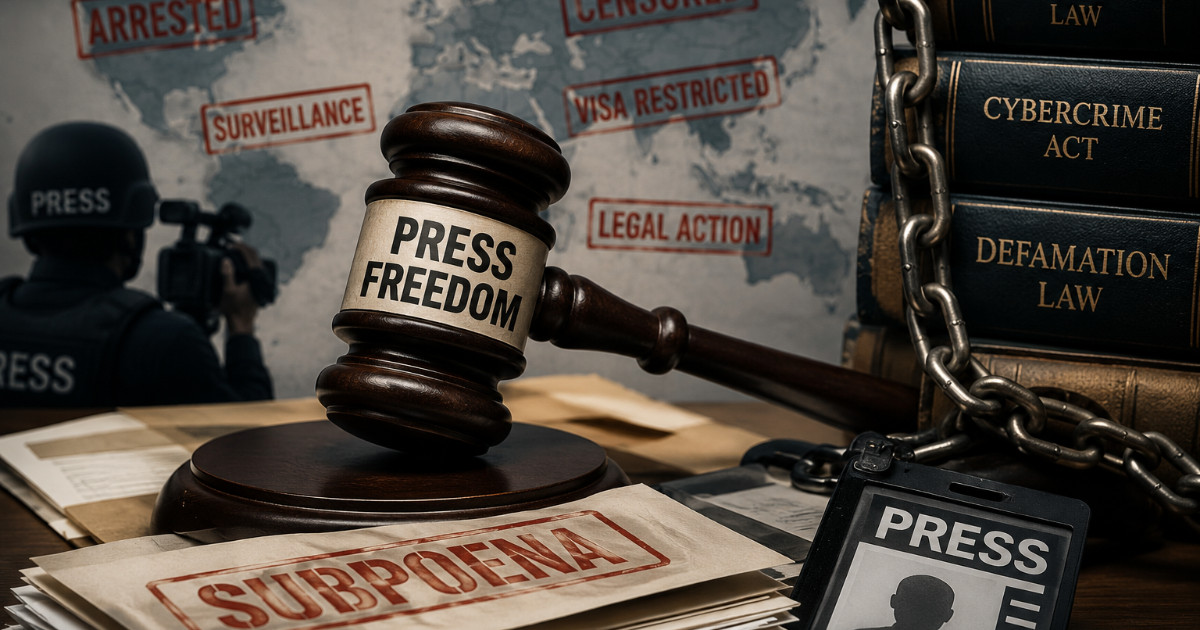
Pakistan’s current legal framework, notably the amended Prevention of Electronic Crimes Act (PECA), has been widely criticized by media professionals and rights organizations for vague provisions that are used to criminalize dissent and restrict digital expression. Reforming cybercrime and related legislation to include clear safeguards for journalistic activity and to prevent misuse would help protect reporters from arbitrary legal action. Ensuring transparent procedures and involving media stakeholders in drafting and amending laws is crucial for balancing cybersecurity needs with free speech.
Reform 2 – Revise economic dependence and advertising practices
A key structural weakness of the Pakistani media industry is its heavy reliance on government advertising revenue, which can be withheld or diverted as leverage to influence editorial positions. Introducing a more transparent and equitable advertising distribution mechanism and reducing media outlets’ economic dependence on state funds would strengthen editorial independence and financial stability. Encouraging diversified revenue streams through subscription models, digital monetization, and market-based advertising can lessen vulnerabilities to external pressures.
Reform 3 – Enhance safety and accountability mechanisms
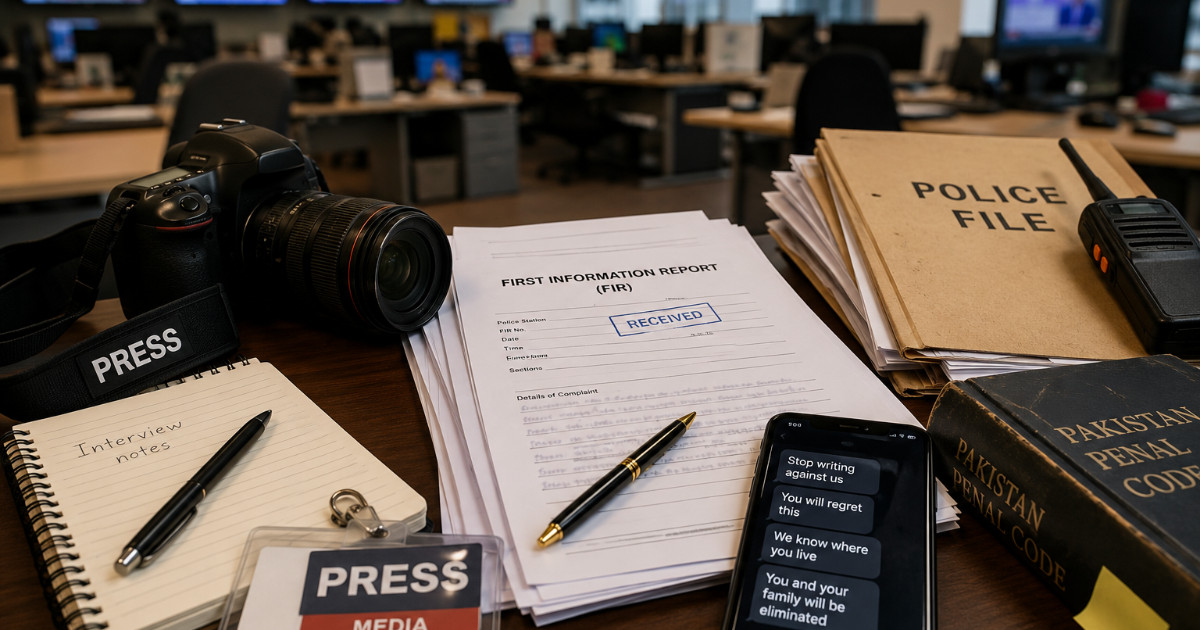
Journalists in Pakistan continue to face physical threats, legal harassment, and digital intimidation, eroding the safety of media practitioners. Establishing robust safety protocols, independent complaint mechanisms, and protection measures for journalists under threat would help address impunity for attacks and create a safer working environment. Strengthening accountability for violence against media professionals and ensuring swift investigations are key to deterring abuses.
Reform 4 – Modernize regulatory institutions
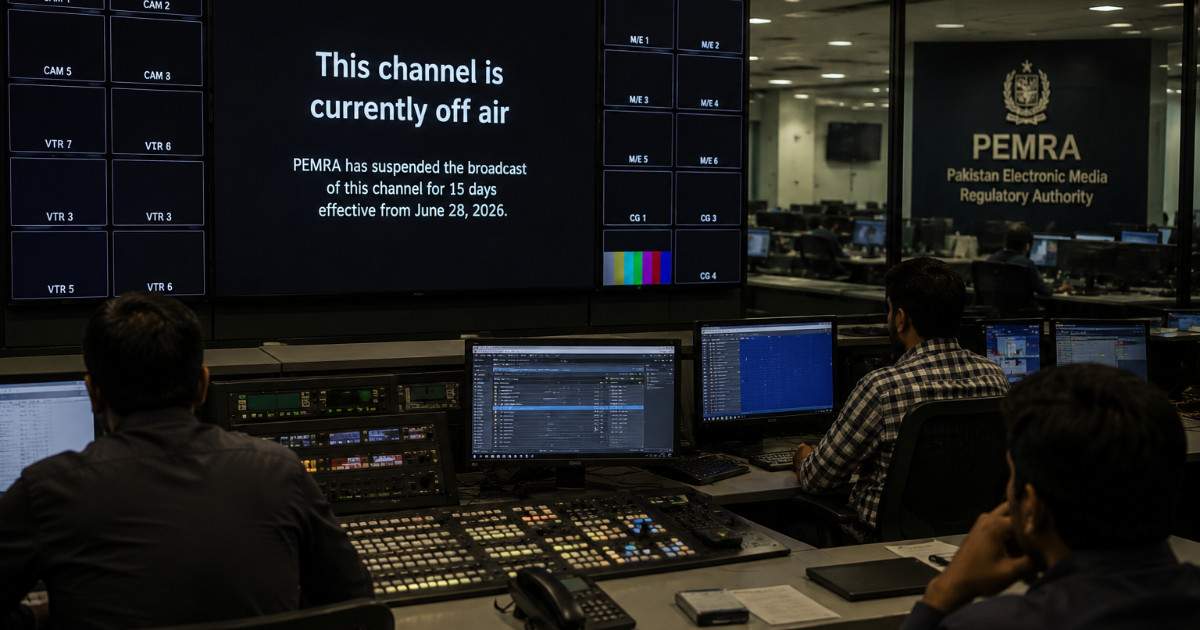
Media regulatory bodies need modernization to ensure they uphold fair competition, promote media plurality, and protect free speech. Reforms should include clearer mandates, independence from political influence, and mechanisms that reflect evolving digital media landscapes. Regulatory reform can also facilitate innovation while protecting ethical journalism standards.
Reform 5 – Support digital media growth and education
Digital platforms have become vital for independent journalism and public discourse, yet internet censorship and access restrictions have periodically disrupted online spaces. Policies that protect open internet access, support digital literacy, and encourage diverse online reporting can empower a new generation of journalists and audiences. Investing in training and capacity building for digital media practitioners can strengthen their role in fostering informed public debate.
Implementing these structural reforms could reinvigorate Pakistan’s media sector by enhancing legal safeguards, stabilizing economic foundations, safeguarding journalist safety, modernizing regulation, and embracing digital transformation. A resilient and independent media is essential for democratic accountability, informed public discourse, and a vibrant civil society.
WHY THIS MATTERS: These reforms matter to Pakistani journalists and media professionals because they address the systemic pressures undermining press freedom and industry viability. Strengthening protections, economic sustainability, and regulatory clarity would empower newsrooms to report freely and innovate sustainably amid evolving political and digital challenges.
ATTRIBUTION: Reporting draws on recent JournalismPakistan reporting, legal analyses, and media rights assessments. Sources are publicly documented and verifiable.
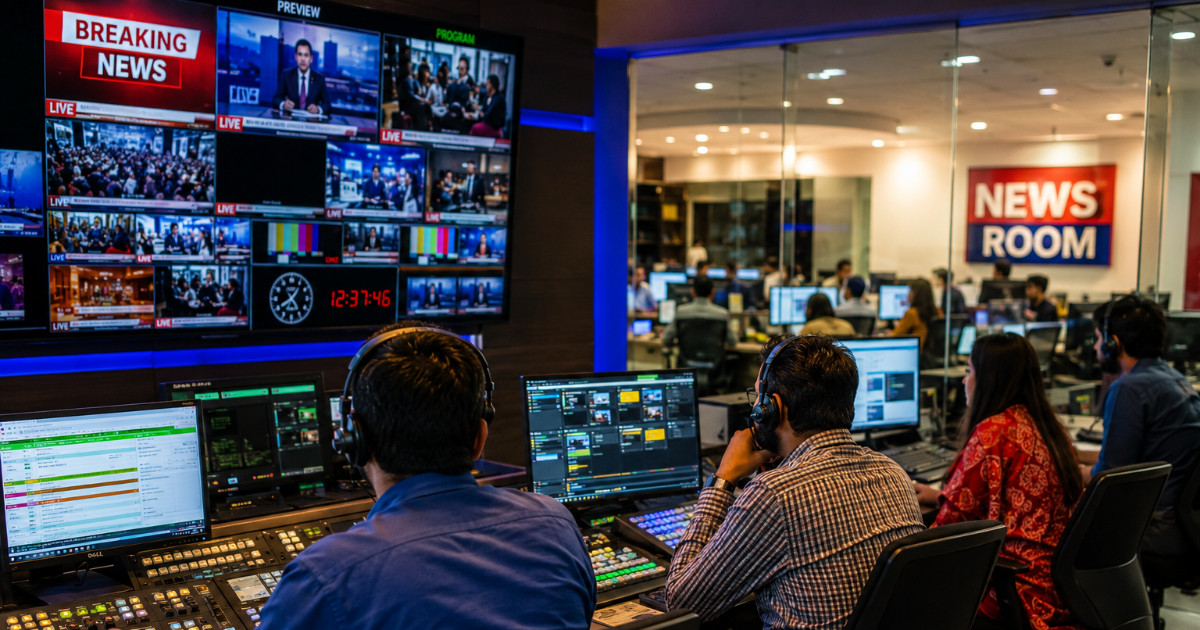
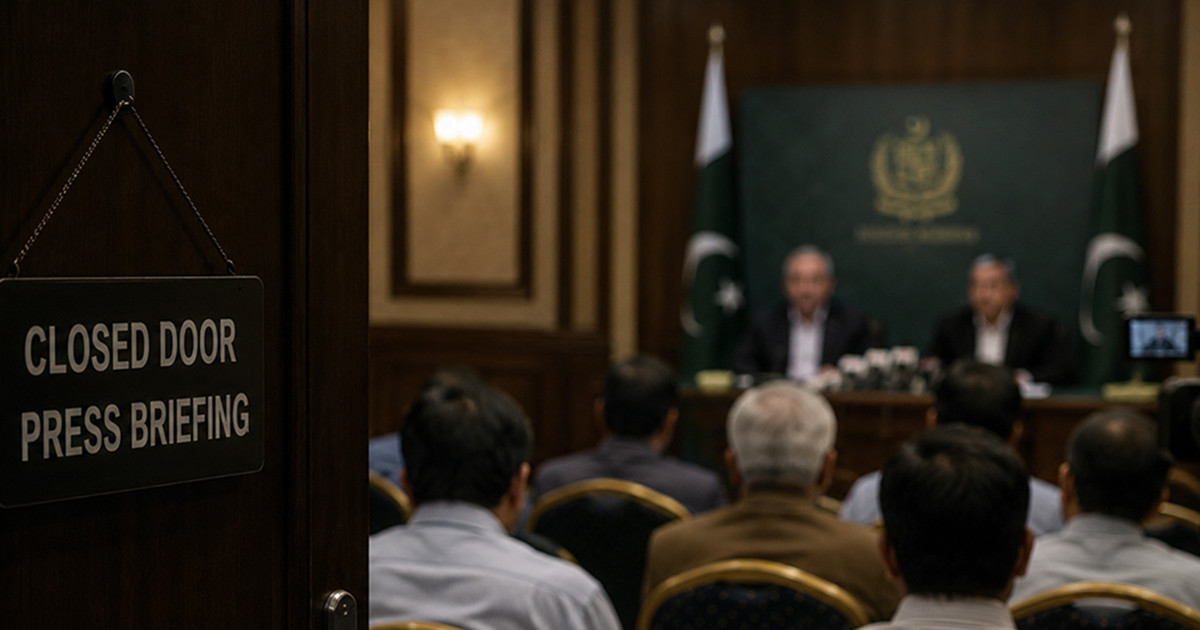
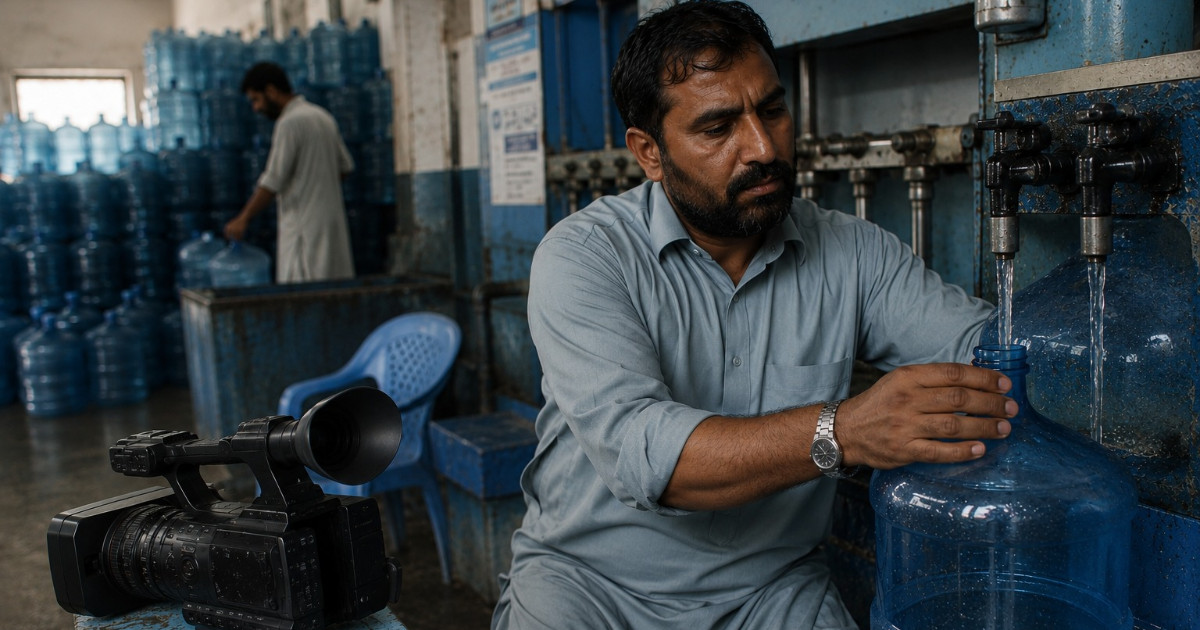
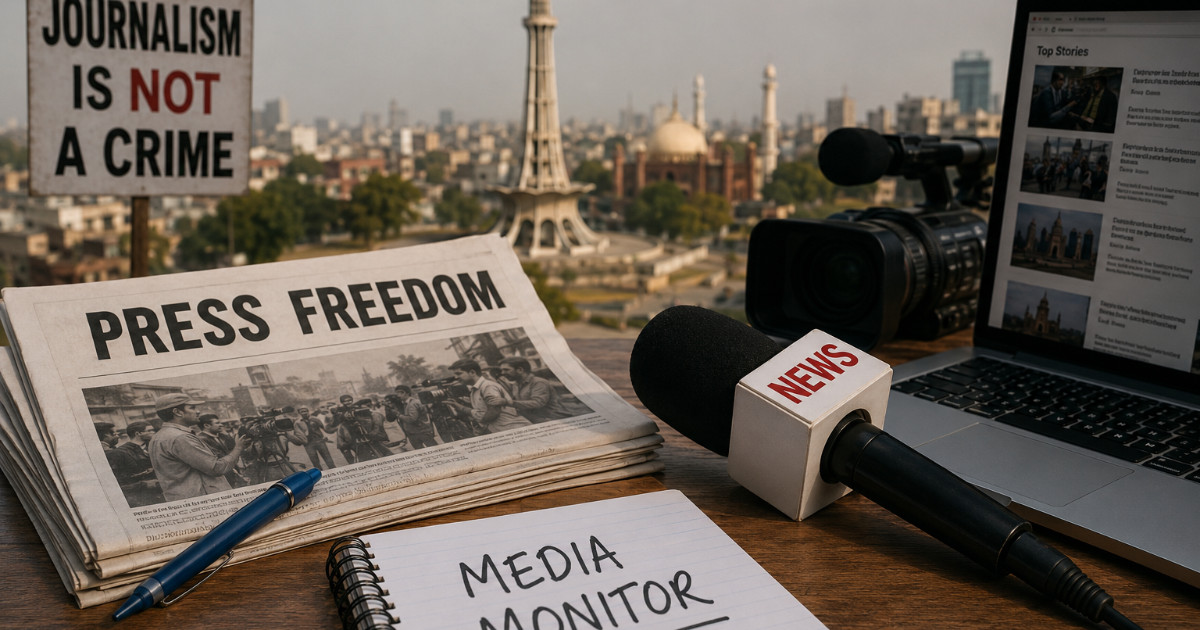
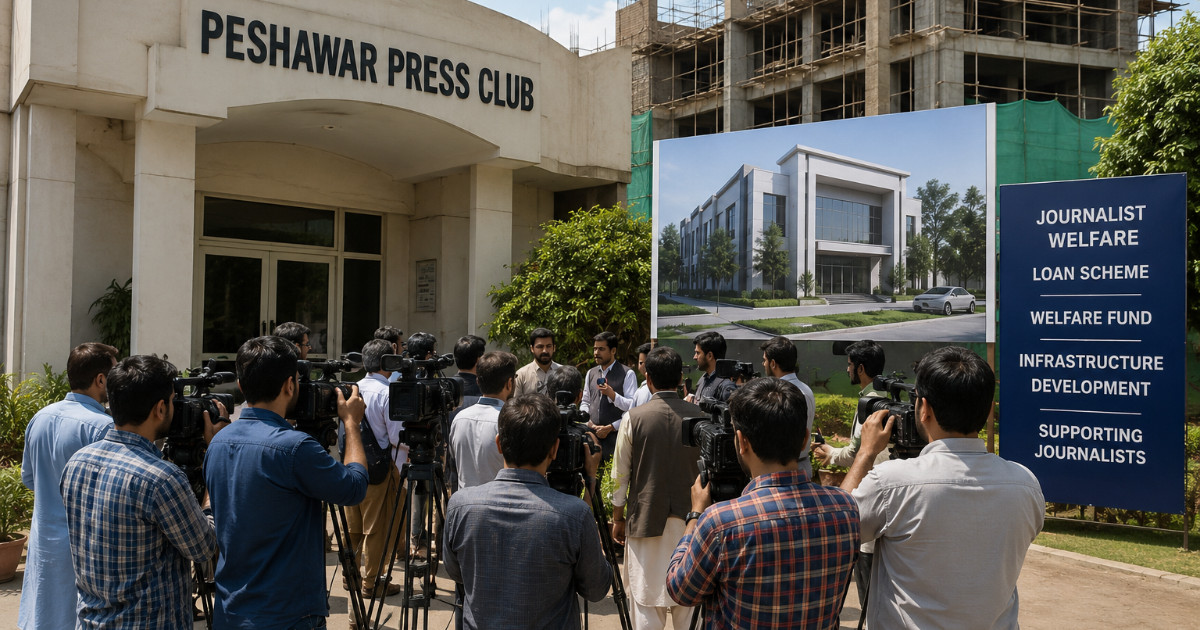
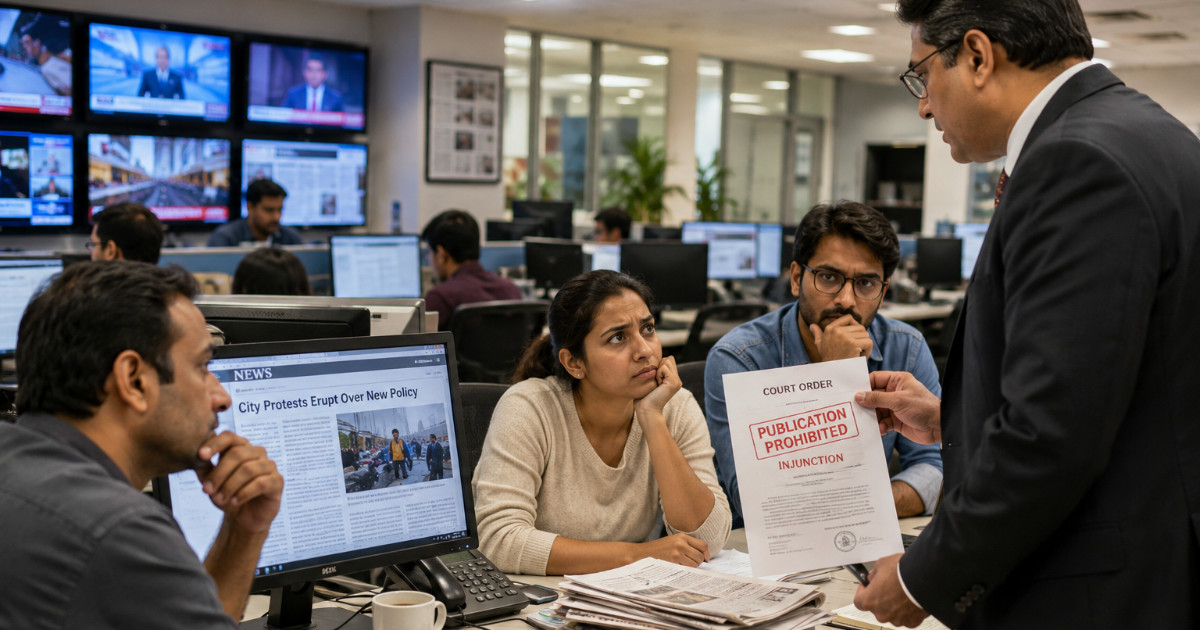
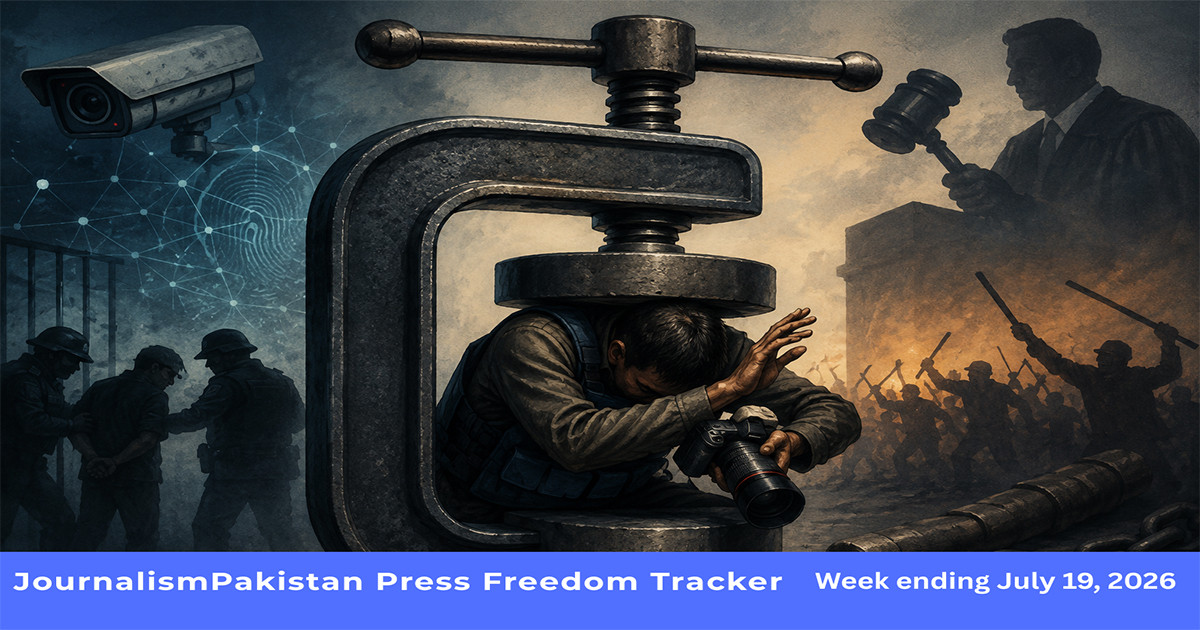
PHOTO: AI-generated; for illustrative purposes only.
Key Points
- Reform PECA and related cybercrime laws to include explicit journalistic safeguards, clear standards and independent oversight.
- Revise state advertising practices and diversify revenue streams to reduce economic coercion of media outlets.
- Limit and audit digital surveillance with judicial oversight and transparency to protect reporters' sources and data.
- Harmonise and depoliticise regulatory frameworks to ensure consistent, independent enforcement across broadcast and digital platforms.
- Promote independent funding, safety mechanisms and capacity-building to sustain public-interest journalism.
Relevant Topics
Ask AI: Understand this story your way
AI EnabledDig deeper, ask anything — get instant context, background, and clarity.
Disclaimer: This feature is powered by AI and is intended to help readers explore and understand news stories more easily. While we strive for accuracy, AI-generated responses may occasionally be incomplete or reflect limitations in the underlying model. This feature does not represent the editorial views of JournalismPakistan. For our full, verified reporting, please refer to the original article.