
Five stories that defined Pakistan's media landscape in January
JournalismPakistan.com | Published: 31 January 2026 | JP Staff Report
Join our WhatsApp channel
January saw pivotal developments in Pakistan's media: Anti-Terrorism Court convictions of journalists and YouTubers over May 9 unrest, regulatory actions, digital censorship cases, and a prominent broadcasting departure, Ishrat Fatima leaving Radio Pakistan.Summary
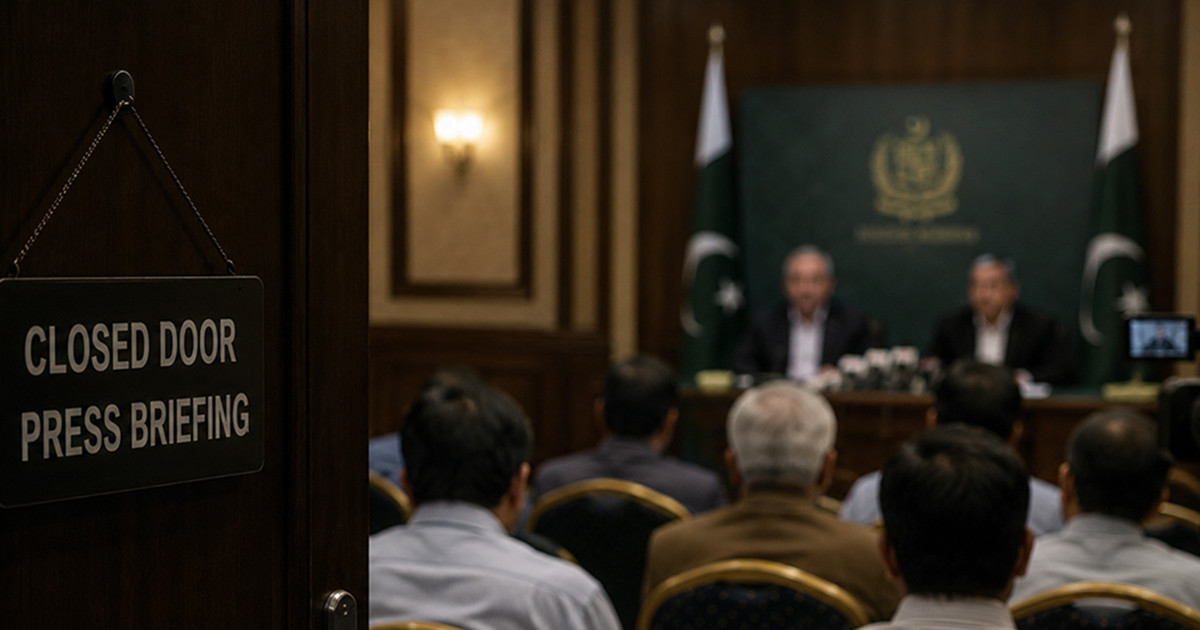
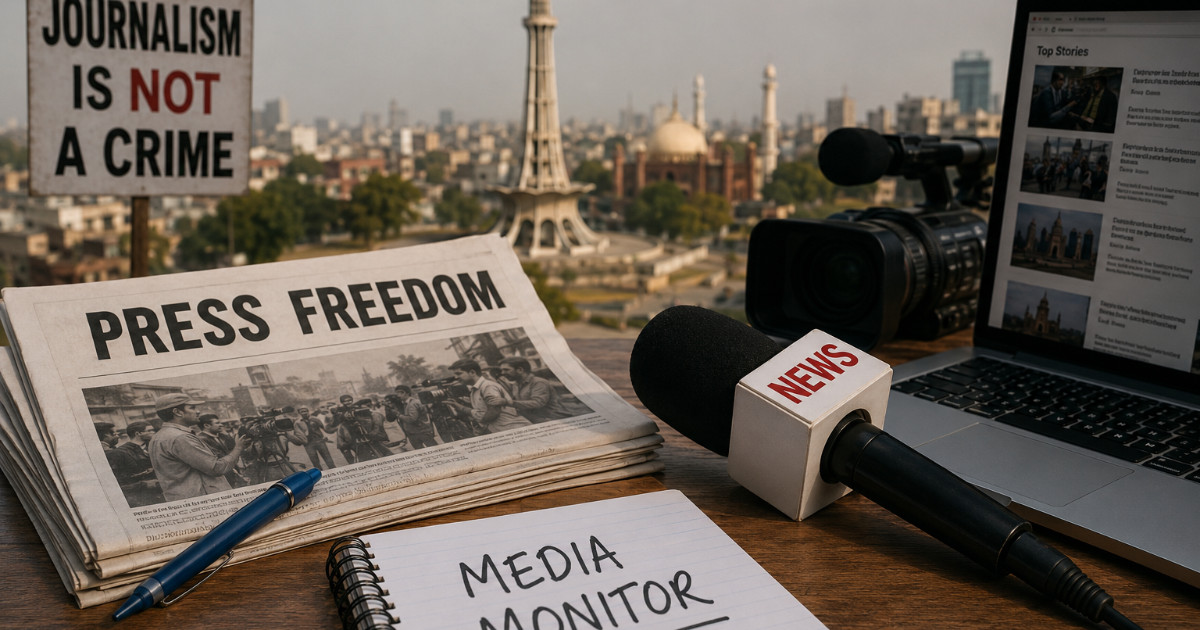
ISLAMABAD — January highlighted critical developments in Pakistan’s media landscape, from high-profile court cases and regulatory interventions to digital censorship and career transitions in broadcasting. These events underscored the mounting pressures on journalists, media organizations, and digital platforms, reflecting a broader tension between state authority, public interest, and press freedom.
Digital terrorism convictions signal legal risks
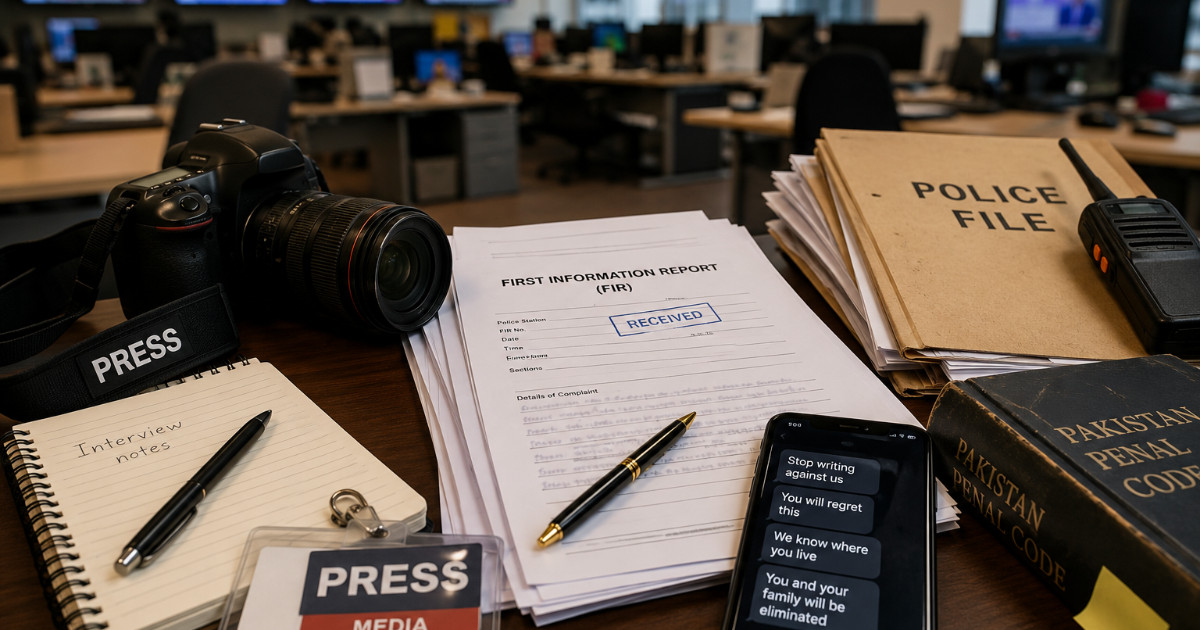
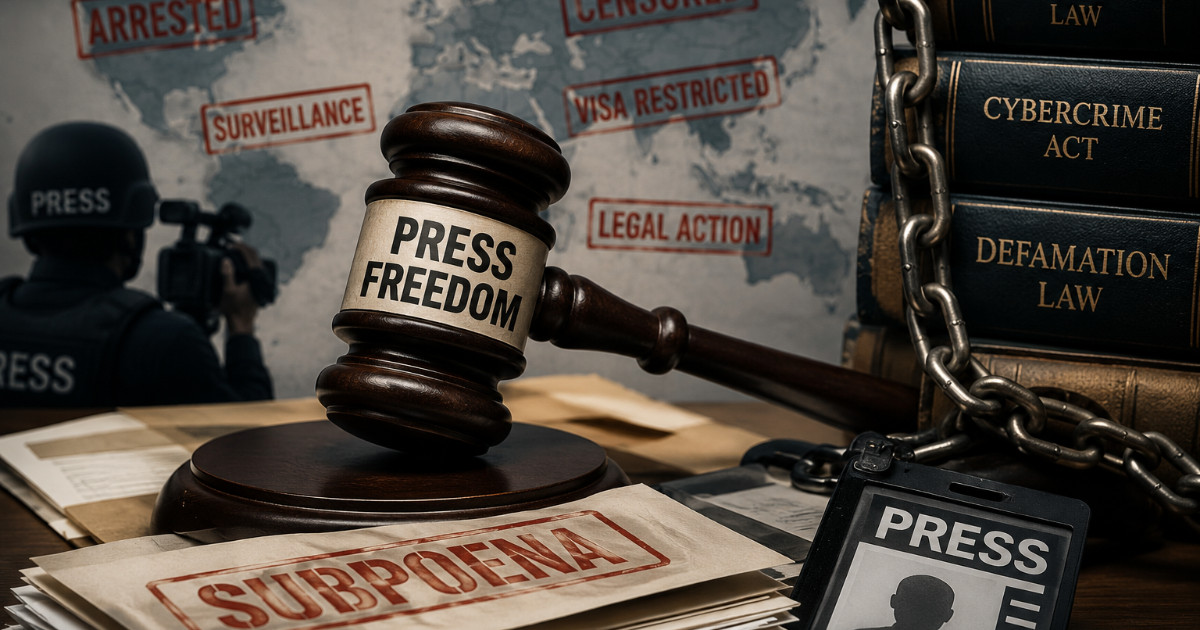
The Anti-Terrorism Court’s sentencing of journalists Sabir Shakir, Wajahat Saeed, Shaheen Sehbai, and Moeed Pirzada, alongside YouTubers Adil Raja and Haider Mehdi, to two life sentences and additional jail terms brought renewed attention to the application of anti-terrorism laws against media professionals. Prosecutors argued that online content during the May 9, 2023, unrest undermined state institutions and public order, with 24 witnesses testifying in the case. While supporters of the verdict framed it as a necessary security measure, critics warned it could have a chilling effect on investigative journalism and online commentary, raising questions about proportionality and the limits of digital expression.
Veteran broadcaster reflects on painful exit and mentorship role
Renowned broadcaster Ishrat Fatima explained her departure from Radio Pakistan after more than four decades, describing it as a painful separation from an institution she once regarded as her professional home. In a social media video, she said she began her career in 1983 and remained devoted to news broadcasting, expressing gratitude to Pakistan Television and Radio Pakistan for the platform they provided.
Fatima said she always prioritized her work and believed she gave her best, but felt her contributions were no longer assessed on merit, encountering resistance that gradually eroded her sense of belonging. She described her resignation as a difficult decision made with emotional distress, though audiences continued to recognize and value her work.
She later returned to mentor new newsreaders and resumed presenting news on Pakistan Television, using her experience to guide the next generation of broadcasters.
Digital censorship under scrutiny
The blocking of the independent journalism platform Lok Sujag prompted strong condemnation from the Digital Media Alliance of Pakistan, which framed it as state censorship and a violation of constitutional rights. While the website remained accessible internationally, its restriction within Pakistan via PTA firewalls demonstrates the growing role of digital infrastructure in controlling access to information. For journalists and media outlets, this raises practical questions about audience reach, platform security, and the ability to maintain independent reporting in a heavily regulated online space.
Regulatory pressures on broadcast journalism
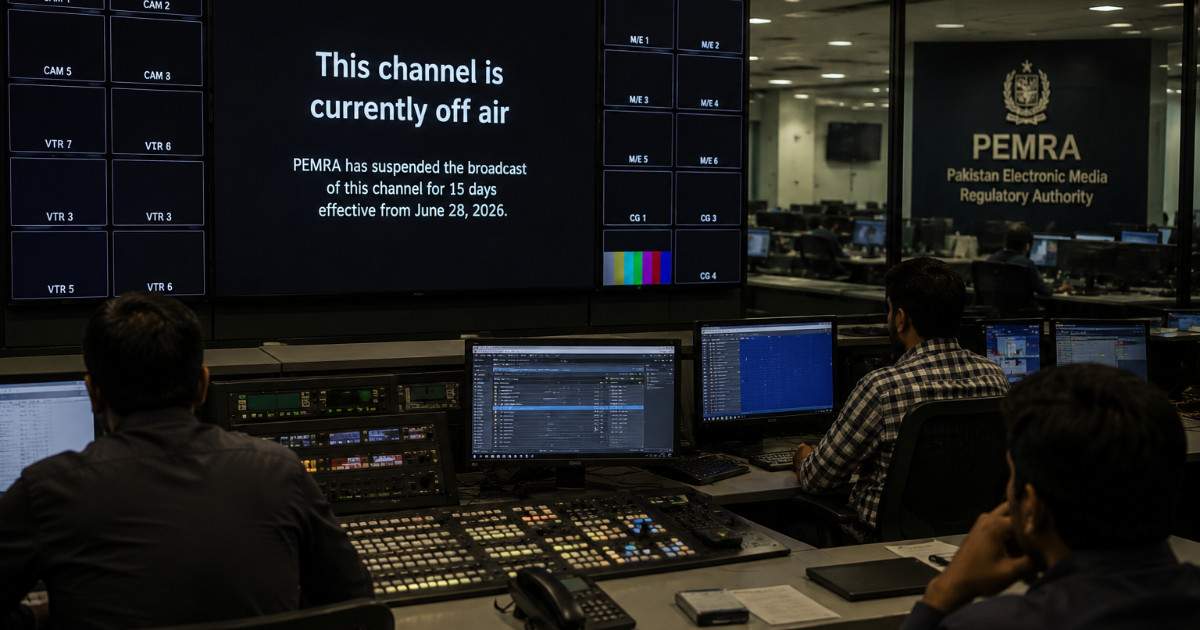
PEMRA’s show-cause notice to Geo News over alleged bias in its Naya Pakistan program reflects heightened regulatory oversight of broadcast content. The notice emphasizes the legal and ethical responsibility of news organizations to balance editorial analysis with impartiality, especially when reporting on ongoing trials. This development reinforces the broader trend of media regulators actively policing content in politically or legally sensitive contexts, thereby influencing editorial decisions and newsroom practices.
International attention on PECA cases
The United Nations Human Rights Office criticized the convictions of lawyers Imaan Zainab Mazari-Hazir and Hadi Ali Chatha under the Prevention of Electronic Crimes Act, raising concerns about trial fairness and the potential misuse of the law to suppress dissent. By highlighting the risks associated with PECA, the UN underscored the broader tension between domestic legal enforcement and international human rights standards. For media professionals, the case signals that reporting and commentary on social media on sensitive matters may attract heightened scrutiny and require careful attention to accuracy, context, and legal boundaries.
WHY THIS MATTERS: January’s events collectively illustrate the growing complexities of media practice in Pakistan. Journalists and media organizations must navigate legal, regulatory, and digital pressures while upholding professional standards, editorial integrity, and public trust. Understanding these dynamics is crucial for newsroom planning, risk assessment, and sustaining independent journalism in an environment of increasing scrutiny.
Key Points
- Anti-Terrorism Court sentenced journalists and YouTubers over May 9 unrest, raising legal risks for media figures.
- Prosecutors cited online content undermining state institutions; critics warned of a chilling effect on journalism.
- Regulatory actions and censorship measures targeted digital platforms and online commentary.
- Veteran broadcaster Ishrat Fatima left Radio Pakistan after four decades, describing a painful separation.
- These developments highlighted mounting pressures on journalists, media organizations and press freedom.
Relevant Topics
Ask AI: Understand this story your way
AI EnabledDig deeper, ask anything — get instant context, background, and clarity.
Disclaimer: This feature is powered by AI and is intended to help readers explore and understand news stories more easily. While we strive for accuracy, AI-generated responses may occasionally be incomplete or reflect limitations in the underlying model. This feature does not represent the editorial views of JournalismPakistan. For our full, verified reporting, please refer to the original article.