
Five press freedom challenges Pakistani journalists face in 2026
JournalismPakistan.com | Published: 23 January 2026 | JP Special Report
Join our WhatsApp channel
This explainer outlines five major press freedom challenges facing Pakistani journalists in 2026, including overlapping legal routes such as defamation, blasphemy and cybercrime laws, plus security risks, economic leverage and digital restrictions.Summary
ISLAMABAD — Press freedom in Pakistan continues to be shaped by a complex mix of legal controls, security pressures, economic leverage, and digital restrictions. In 2026, journalists across the country operate in an environment where constitutional guarantees of free expression coexist with laws and practices that limit reporting on powerful institutions, national security, and religious issues. The challenges outlined below are based on patterns documented by Pakistani courts, media watchdogs, journalist unions, and international press freedom organizations over recent years, and they remain central to the professional risks journalists face today.
This explainer highlights five major press freedom issues confronting Pakistani journalists in 2026, focusing on how these pressures affect daily reporting, newsroom independence, and public access to information.
Legal pressure through broad and overlapping laws
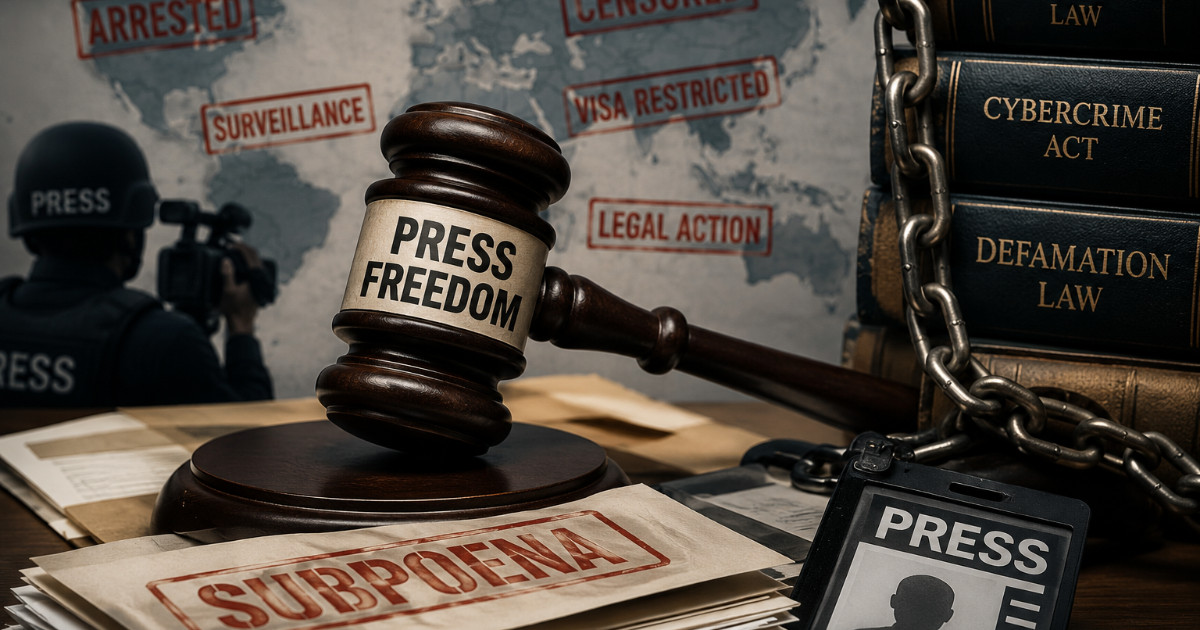
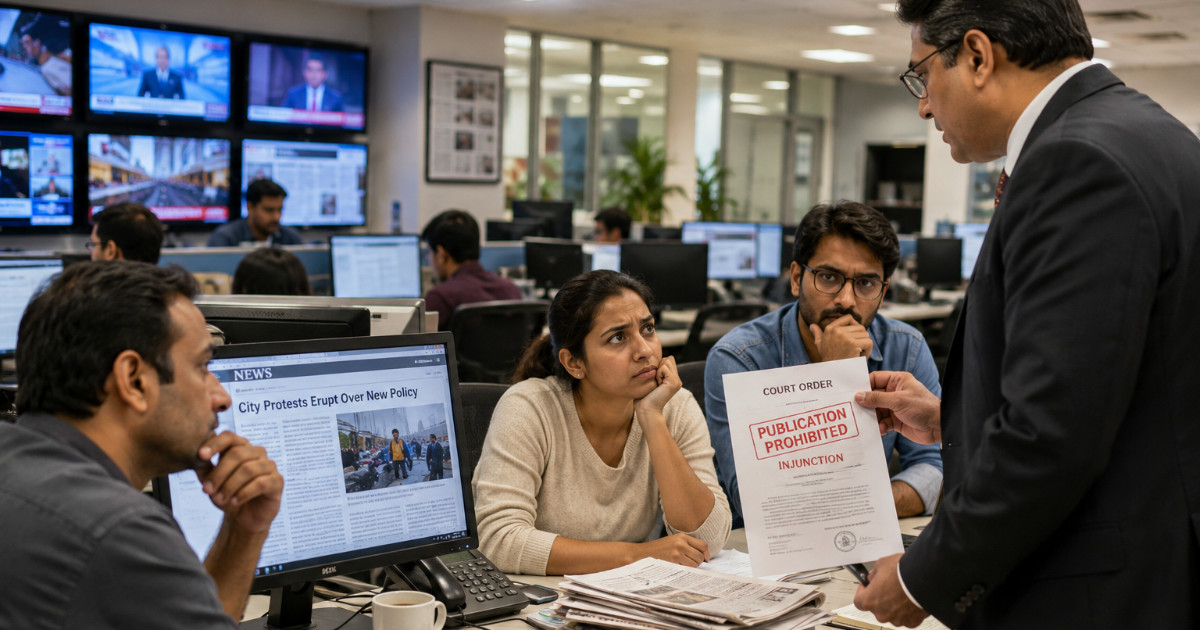
Pakistan maintains a wide legal framework that can be applied to journalistic work, including defamation statutes, anti-terrorism provisions, blasphemy laws, and cybercrime regulations. Journalists and editors report that the existence of multiple overlapping laws creates uncertainty about what content may trigger legal action. Even when cases do not result in convictions, the process of investigation, arrest, or prolonged court proceedings can act as a deterrent to investigative reporting.
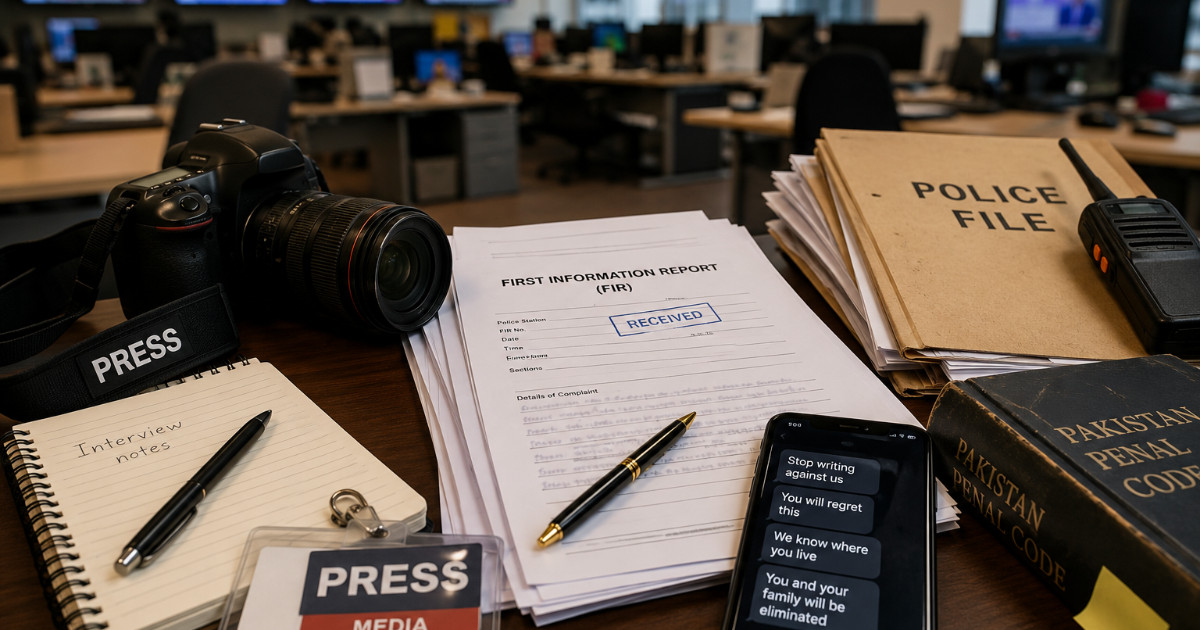
In recent years, journalists have faced cases under the Prevention of Electronic Crimes Act for online reporting, as well as criminal defamation complaints filed by public officials or private individuals. Courts have at times provided relief, but the initial filing of cases often leads to self-censorship, particularly among freelance reporters and smaller digital outlets with limited legal resources.
Restrictions on coverage of security institutions
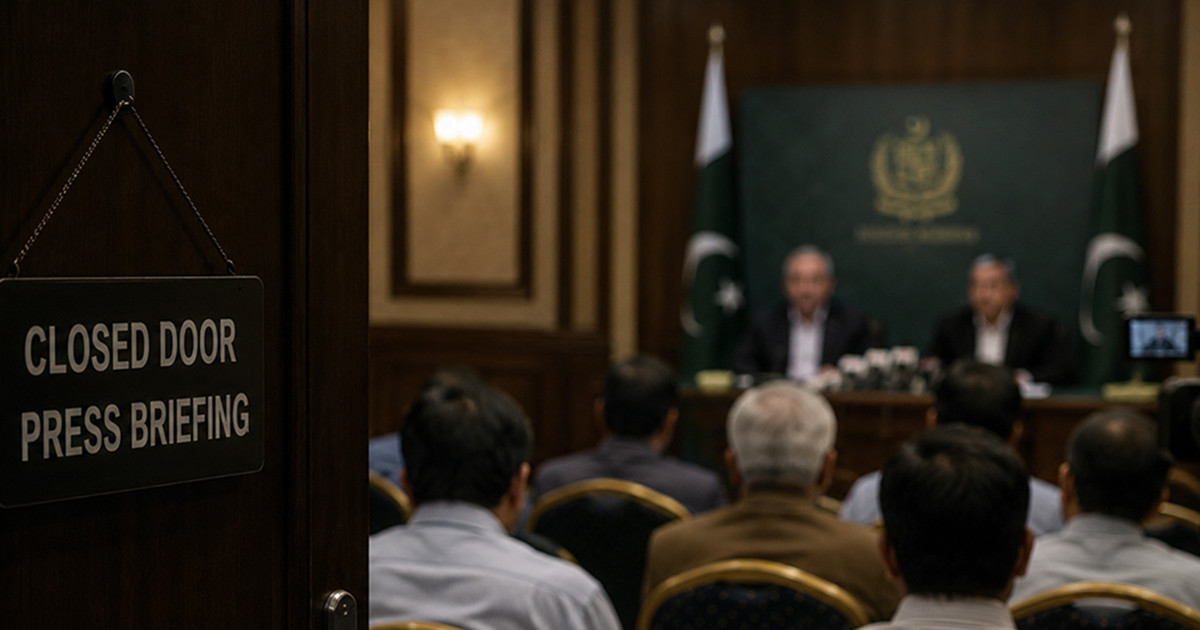
Reporting on the military, intelligence agencies, and national security remains one of the most sensitive areas for Pakistani journalists. While no blanket ban exists in law, journalists consistently describe informal red lines enforced through warnings, content takedowns, or pressure on media owners. Coverage related to enforced disappearances, counterterrorism operations, or internal security policies is particularly scrutinized.
Intimidation and safety risks for reporters
Journalists covering protests, political movements, or sensitive regional issues face risks ranging from harassment to physical violence. Press clubs and journalist unions have documented incidents in which reporters were assaulted while covering demonstrations or detained briefly during security operations. These incidents are not always followed by transparent investigations, reinforcing a sense of impunity.
Women journalists report additional forms of intimidation, especially online. Coordinated harassment campaigns, threats, and attempts to discredit their professional credibility are common, particularly for those covering politics, human rights, or religious issues. While digital abuse is a global phenomenon, local journalists note that it is often amplified by polarized political discourse within Pakistan.
Economic pressure and control through advertising
The financial vulnerability of news organizations remains a major structural challenge. Many Pakistani media outlets rely heavily on government advertising, which can be withheld or delayed as a form of pressure. Editors and media owners have publicly acknowledged that sudden cuts in advertising revenue have led to layoffs, salary delays, and in some cases the closure of publications.
This economic leverage affects editorial decision-making. Journalists report being advised to avoid topics that could jeopardize advertising relationships, particularly at the federal or provincial level. Smaller regional outlets, which lack diversified revenue streams, are especially exposed to this form of indirect control.
Digital censorship and internet disruptions
Online journalism has expanded rapidly in Pakistan, but digital platforms face their own constraints. Authorities have legal powers to block websites, restrict social media platforms, or order the removal of content deemed unlawful. Journalists working primarily online describe frequent uncertainty about whether stories will remain accessible to readers.
Internet slowdowns and temporary shutdowns, often justified on security grounds, also affect news distribution and reporting. When access is restricted, journalists struggle to verify information, communicate with sources, and publish timely updates. These disruptions disproportionately affect independent digital outlets and citizen journalists who rely entirely on online tools.
Self-censorship and newsroom constraints
As a result of legal, security, and economic pressures, self-censorship has become a widely acknowledged reality in Pakistani newsrooms. Editors often weigh the potential consequences of publishing certain stories against the public interest value of the information. Decisions to soften language, omit names, or delay publication are frequently framed as necessary risk management.
This environment has long-term implications for public discourse. When sensitive topics receive limited or cautious coverage, audiences may turn to unverified sources or social media speculation. Journalists warn that sustained self-censorship weakens trust in professional media and reduces the space for evidence-based debate.
Regional disparities and uneven protections
Press freedom conditions vary significantly across Pakistan. Journalists working in Balochistan, Khyber Pakhtunkhwa, and parts of Sindh report higher risks than those based in major urban centers. Limited access to legal support, fewer media organizations, and heightened security operations contribute to these disparities.
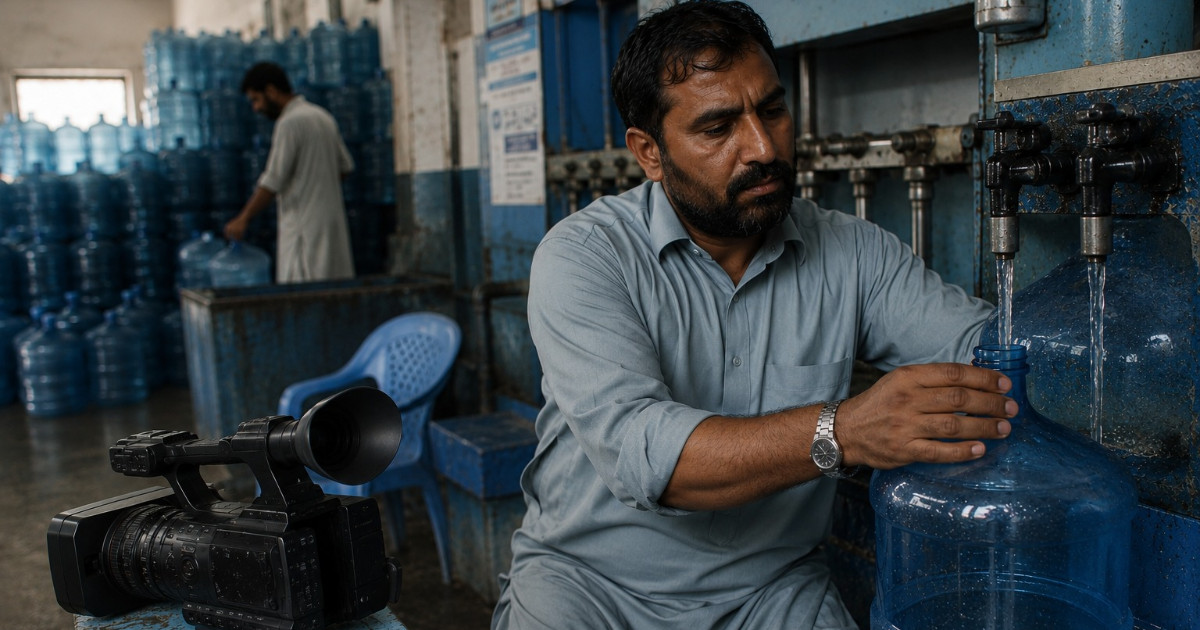
Local reporters in remote districts often work without formal contracts or institutional backing, increasing their vulnerability. When incidents occur, national attention may be limited, and accountability mechanisms can be slow or ineffective. These regional gaps highlight the unequal distribution of press protections within the country.
ATTRIBUTION: Reporting based on publicly available court judgments, legislation, and documentation from the Committee to Protect Journalists, Reporters Without Borders, the Human Rights Commission of Pakistan, and Pakistani journalist unions.
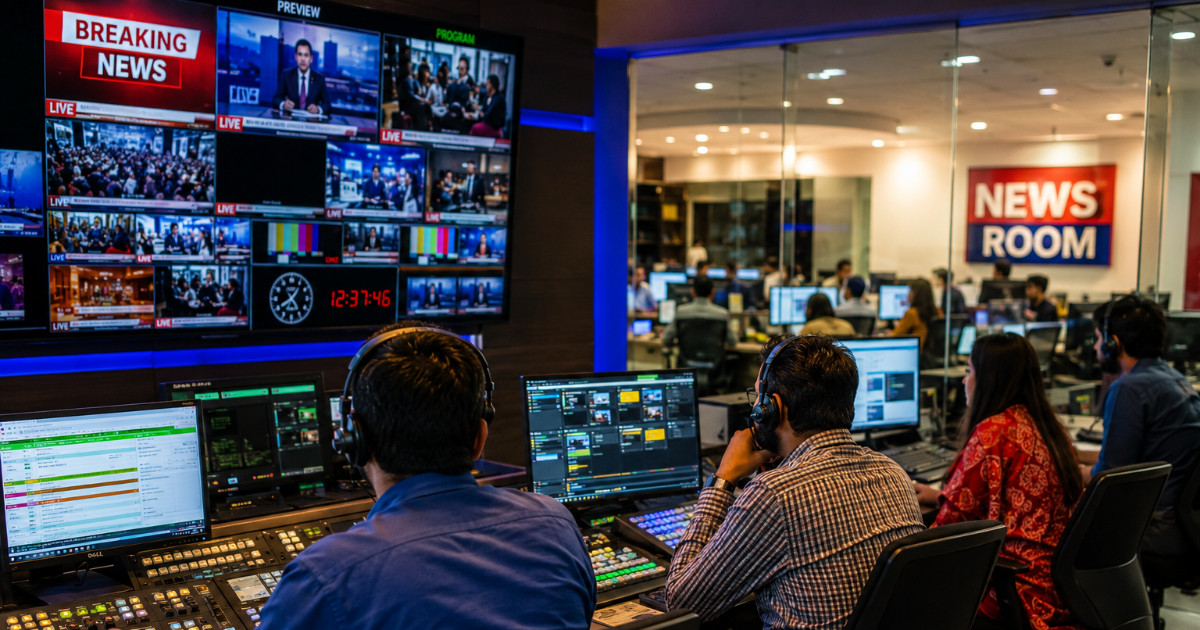
PHOTO: AI-generated; for illustrative purposes only
Key Points
- Overlapping laws, including defamation, anti-terrorism, blasphemy, and cybercrime statutes, create legal uncertainty and risk for reporters.
- The use of PECA and criminal defamation leads to investigations, arrests, and prolonged court cases that chill reporting.
- Physical threats, surveillance, and safety risks constrain field reporting and investigative work.
- Economic pressures, advertising withdrawal, and owner influence undermine newsroom independence and foster self-censorship.
- Digital restrictions, platform takedowns, online harassment, and state monitoring hamper investigative journalism.
Relevant Topics
Ask AI: Understand this story your way
AI EnabledDig deeper, ask anything — get instant context, background, and clarity.
Disclaimer: This feature is powered by AI and is intended to help readers explore and understand news stories more easily. While we strive for accuracy, AI-generated responses may occasionally be incomplete or reflect limitations in the underlying model. This feature does not represent the editorial views of JournalismPakistan. For our full, verified reporting, please refer to the original article.