
Ethics guides shape responsible AI reporting in newsrooms
JournalismPakistan.com | Published: 24 March 2026 | JP Staff Report
Join our WhatsApp channel
As AI tools enter reporting, news organizations are creating ethics guidelines to balance speed with accuracy and preserve public trust. They emphasize disclosure of AI use, human editorial oversight, rigorous verification, and bans on fabricated quotes or deceptive images.Summary
ISLAMABAD — As artificial intelligence tools become increasingly embedded in newsroom workflows, media organizations worldwide are formalizing ethics guidelines to govern their use, aiming to balance innovation with accuracy, transparency, and public trust.
From automated transcription and data analysis to AI-assisted content generation, journalists are now working alongside technologies that can accelerate reporting but also introduce risks, including misinformation, bias, and a lack of accountability. In response, leading newsrooms and press bodies have begun issuing detailed frameworks outlining how AI should and should not be used in journalism.
Growing need for clear standards
The push for AI ethics guidelines reflects a broader recognition that traditional editorial standards must evolve to address emerging technologies. Organizations such as major international news agencies and press freedom groups have emphasized that AI-generated or AI-assisted content must remain subject to the same verification and editorial scrutiny as human-produced reporting.
Core principles emerging across these guidelines include transparency in disclosing AI use, human oversight in editorial decision-making, and strict verification of AI-generated outputs. Many policies also prohibit the use of AI tools to fabricate quotes, alter images deceptively, or generate misleading content.
These frameworks are not uniform but share a common goal: ensuring that speed and efficiency gains do not come at the cost of credibility.
Risks of unchecked AI use
Without clear ethical guardrails, experts warn that AI could amplify existing challenges in journalism. Automated systems trained on biased datasets may reproduce or even intensify inaccuracies, while generative tools can produce convincing but false narratives if not carefully monitored.
There are also legal and ethical concerns around copyright, data privacy, and source protection. Journalists using AI tools must ensure that sensitive information is not inadvertently exposed or misused, particularly when dealing with confidential sources or unpublished material.
In several documented cases globally, media outlets have faced backlash after publishing AI-generated content that contained factual errors, highlighting the reputational risks of deploying such tools without robust editorial controls.
Building trust through transparency
A key component of most AI ethics guides is transparency with audiences. News organizations are increasingly expected to disclose when AI tools have been used in reporting, editing, or production processes, particularly when the technology plays a significant role in shaping the final output.
This transparency is seen as essential to maintaining public trust at a time when misinformation is widespread, and audiences are increasingly skeptical of digital content. Clear labeling and explanations of AI use can help audiences better understand how news is produced and assessed.
In addition, training journalists to use AI responsibly has become a priority. Many organizations are investing in newsroom education programs to ensure staff understand both the capabilities and limitations of these tools.
Evolving policies in a fast-changing landscape
AI ethics in journalism remains a rapidly evolving field. As technologies advance, guidelines are expected to be updated regularly to address new challenges and use cases. Industry collaboration is also playing a role, with media organizations sharing best practices and aligning on common standards where possible.
While there is no single global framework, the growing adoption of ethics guides signals a shift toward more structured and accountable use of AI in journalism. This approach aims to preserve the core values of the profession while adapting to technological change.
WHY THIS MATTERS: For Pakistani journalists, the rise of AI ethics frameworks highlights the need to adopt clear newsroom policies before AI tools become widespread locally. Establishing standards early can help prevent credibility risks, especially in a media environment already challenged by misinformation. It also offers an opportunity for Pakistani media organizations to align with global best practices and strengthen audience trust.
ATTRIBUTION: Information synthesized from publicly available reporting by Reuters (March 2026) and policy guidance published by the Committee to Protect Journalists (2025–2026).
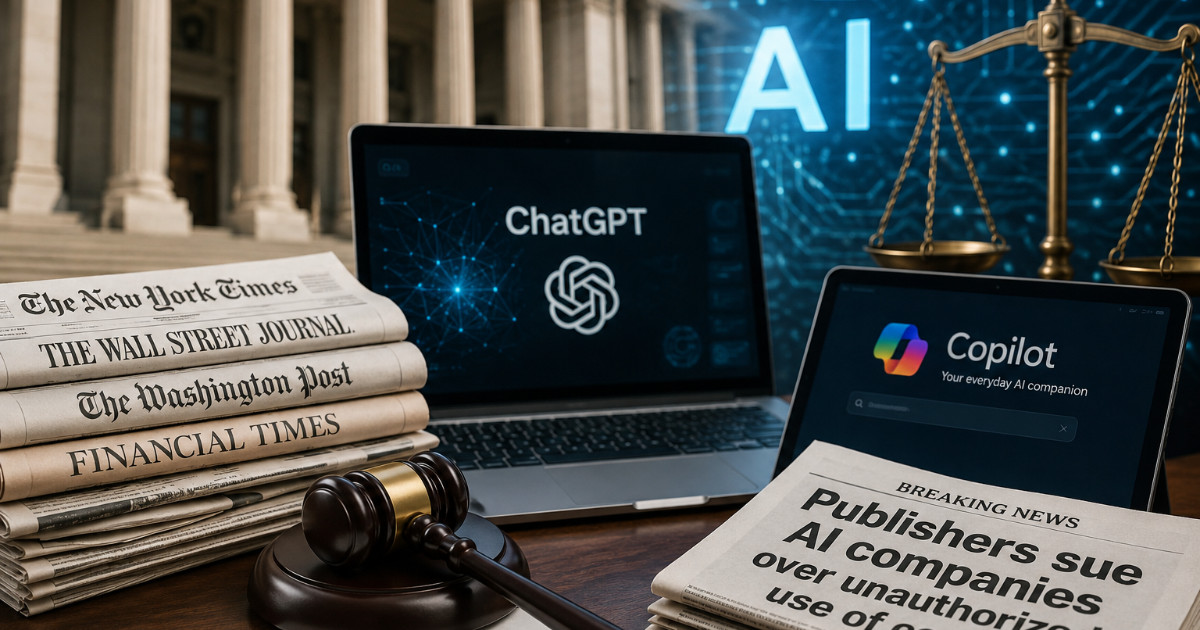
PHOTO: AI-generated; for illustrative purposes.
Key Points
- Media organizations and press bodies are formalizing AI ethics guidelines for newsroom use.
- Core principles include transparency about AI use, human editorial oversight, and strict verification.
- Many policies forbid fabricating quotes, deceptively altering images, or generating misleading content.
- Guidelines vary by outlet but share the goal of preserving credibility while enabling efficiency.
- Experts warn that absence of clear standards increases risks of misinformation, bias, and accountability gaps.
Key Questions & Answers
Why are AI ethics guidelines needed?
They are needed to ensure that speed and efficiency from AI do not compromise accuracy, transparency, or public trust in journalism.
What do the guidelines typically require?
Common requirements include disclosing AI use, maintaining human editorial control, and rigorously verifying AI-generated outputs.
Do these policies ban all AI-assisted content?
No; most allow AI assistance under oversight but prohibit deceptive practices like fabricated quotes or manipulated images.
What are the risks of not having clear guidelines?
Without guidelines, newsrooms risk spreading misinformation, reinforcing bias, and facing reduced accountability and public trust.
Relevant Topics
Ask AI: Understand this story your way
AI EnabledDig deeper, ask anything — get instant context, background, and clarity.
Disclaimer: This feature is powered by AI and is intended to help readers explore and understand news stories more easily. While we strive for accuracy, AI-generated responses may occasionally be incomplete or reflect limitations in the underlying model. This feature does not represent the editorial views of JournalismPakistan. For our full, verified reporting, please refer to the original article.