
Draft regulatory bill threatens media freedom in Thailand
JournalismPakistan.com | Published: 15 September 2016
Join our WhatsApp channel
Thailand's military-appointed assembly is considering a bill to establish a national media regulator, prompting criticism from press freedom advocates. The proposed legislation could impose penalties on media outlets, risking increased self-censorship among journalists.Summary
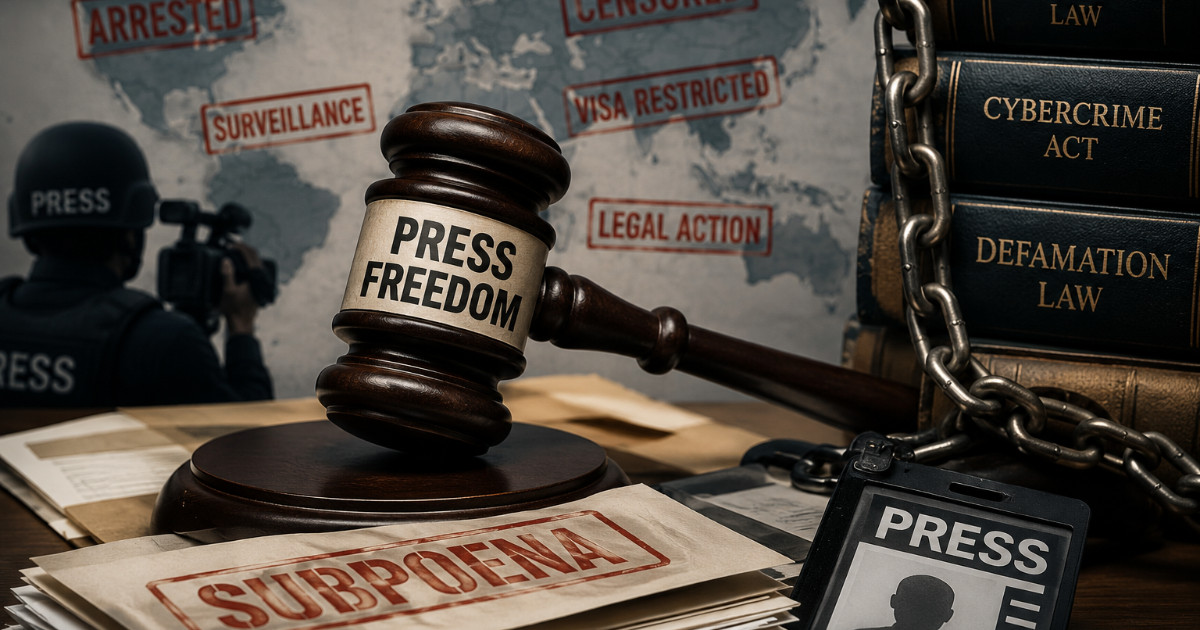
BANGKOK - Thailand's military-appointed National Reform Steering Assembly should scrap proposed legislation that would create a new national media regulator, the Committee to Protect Journalists said Thursday. The draft bill, the latest in a raft of military-imposed measures that restrict press freedom, is now being considered by a government sub-panel tasked with implementing media reforms.
If passed into law, the bill would establish a new 11-member Media Professional Council of Thailand with discretionary powers to impose legally binding administrative penalties, including fines, for breaches of a state-determined media code of conduct, according to news reports.
The assembly's media reform committee, chaired by Air Chief Marshal Kanit Suwannete, outlined the bill's broad intent during discussions this month with independent local media groups, reports said. Maximum penalties under the proposed law have not yet been determined, a participant in the closed meeting told CPJ, speaking on condition of anonymity to avoid jeopardizing negotiations.
"Thailand has more than enough laws, orders, and regulations to govern the media," said Shawn Crispin, CPJ's senior Southeast Asia representative.
"Thailand's reform assembly would do better to abolish all the military orders that have curbed free expression, and to propose laws that restore and protect press freedoms eroded under military rule." Thai media groups - including the Thai Journalists Association, the Thai Broadcast Journalists Association, the National Press Council of Thailand, the News Broadcasting Council of Thailand, the Online News Providers Association, and the Thailand Cable TV Association -- believe that the proposed council could be subject to interference from politicians or officials to harass critical news outlets, according to press reports.
The groups said the proposed body's power to impose penalties for violations risked promoting self-censorship. The six professional groups today presented a joint letter addressed to Kanit, the head of the media reform committee, opposing the proposed legislation.
Chavarong Limpattamapanee, secretary general of the National Press Council of Thailand and a signatory to the joint letter, told CPJ that the professional associations had told the military officer that the letter requested the military officer to allow the media to regulate itself without further threats of administrative penalties.
The bill's proponents, quoted in local media reports, have argued that partisan media outlets, which are not members of existing professional groups, have fuelled the country's decade-long political conflict through irresponsible reporting, and that new, binding regulatory mechanisms are needed before democracy is restored.
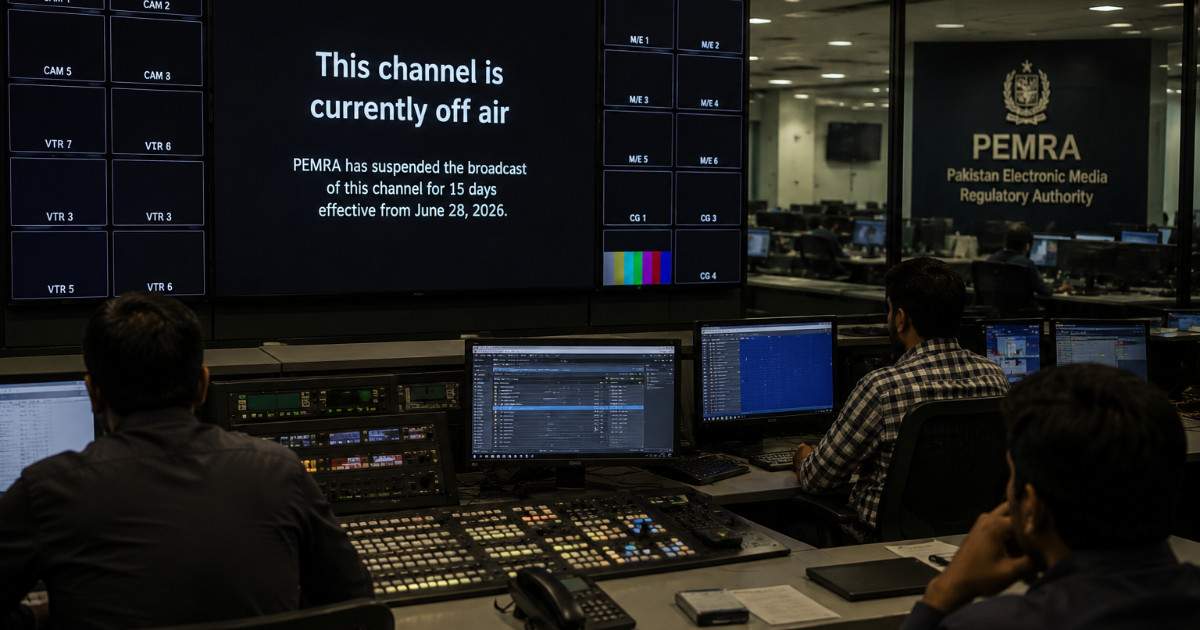
Prime Minister Prayuth Chan-ocha has vowed to hold new polls by late 2017, after instituting what he describes as political reforms. Thailand's broadcast media is already tightly regulated and heavily self-censored, CPJ research shows. The state-run National Telecommunications and Broadcasting Commission (NTBC), a regulatory body, has enforced broad censorship directives, outlined in orders No. 97/2557 and No.
103/2557, against news reporting that could "create confusion, instigate unrest or deepen divisions among people," or be deemed as "malicious" or "misleading" about the ruling National Council for Peace and Order junta or its actions. In July, the NTBC was empowered to shutter media outlets, without the right of appeal, for reasons of national security. The executive order, No.
41/2559, allows the commission to block any broadcast news or information it deems "detrimental to the political system, or [that] may destabilize national stability or damage the moral values of the people," reports said. Those powers have been used to pressure news stations to censor and suspend critical broadcasters, CPJ research shows. - By Committee to Protect Journalists
Key Points
- Draft bill seeks to establish an 11-member Media Professional Council.
- The council would have the power to impose fines for breaches of a media code.
- Critics argue it may lead to interference and harassment of critical media.
- Thai media groups have called for self-regulation without administrative threats.
- Current regulations already impose significant restrictions on press freedom.
Relevant Topics
Ask AI: Understand this story your way
AI EnabledDig deeper, ask anything — get instant context, background, and clarity.
Disclaimer: This feature is powered by AI and is intended to help readers explore and understand news stories more easily. While we strive for accuracy, AI-generated responses may occasionally be incomplete or reflect limitations in the underlying model. This feature does not represent the editorial views of JournalismPakistan. For our full, verified reporting, please refer to the original article.