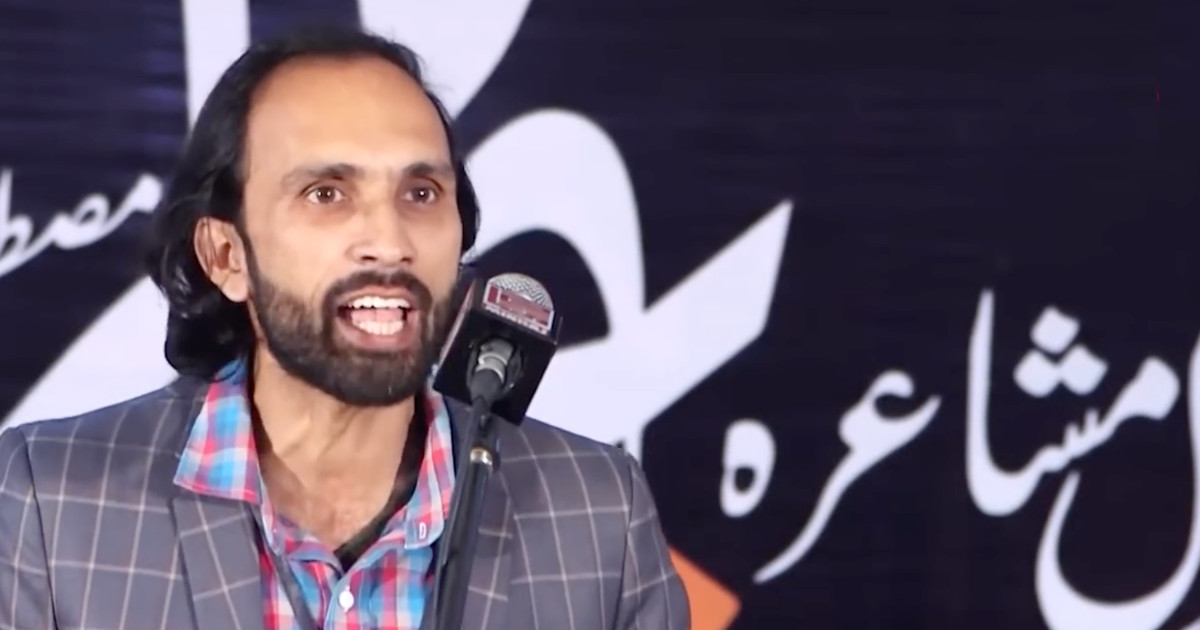

CPJ upset by report US spied on Al-Jazeera journalist in Pakistan
JournalismPakistan.com | Published: 9 May 2015
Join our WhatsApp channel
The Committee to Protect Journalists criticized the U.S. for spying on Al Jazeera's Islamabad chief, Ahmad Muaffaq Zaidan. The NSA's actions threaten journalistic integrity and safety in Pakistan.Summary
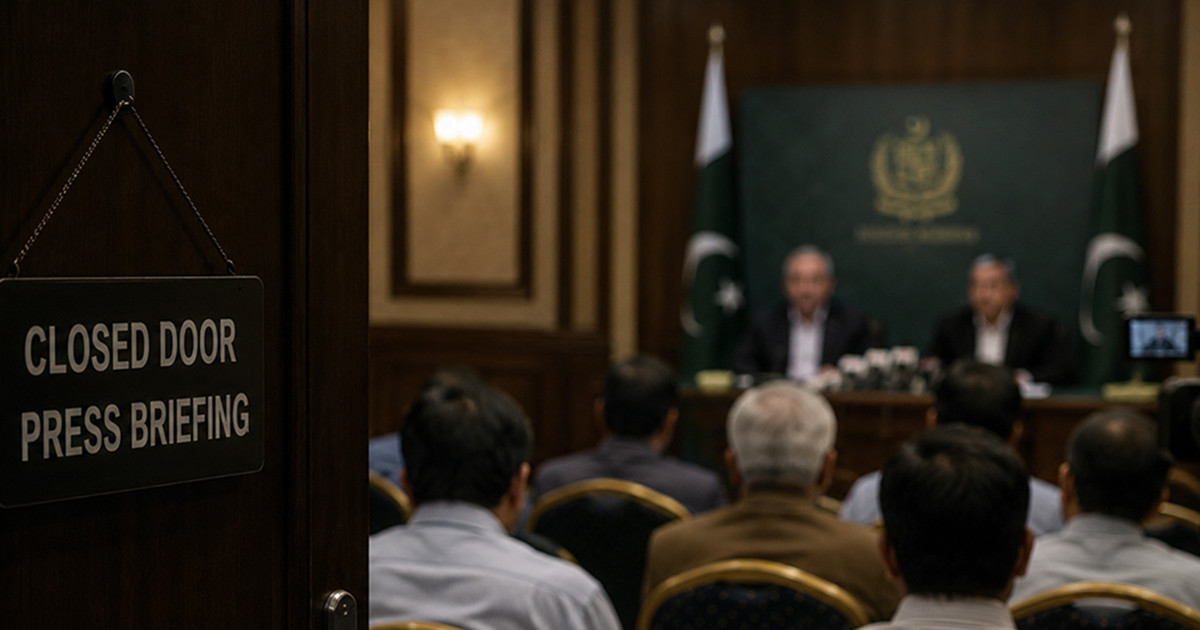
NEW YORK: The Committee to Protect Journalists said in a statement on Saturday it is deeply troubled by a report that the U.S. National Security Agency carried out intensive surveillance of Al Jazeera's Islamabad bureau chief, Ahmad Muaffaq Zaidan, based on suspicion that he was a member of Al-Qaeda.
The Intercept reported that the NSA's information supporting its claim appears to reflect the normal behavior of a journalist maintaining contact with sources.
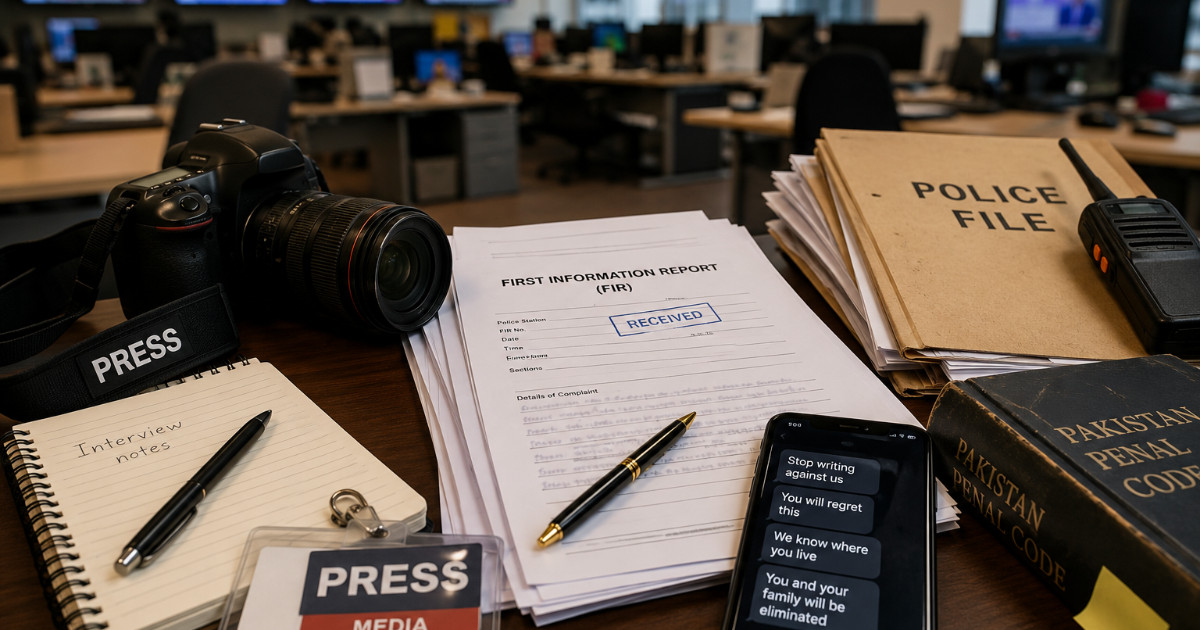
"Coloring the legitimate newsgathering activities of a respected journalist as evidence of international terrorism risks chilling the vital work of the media, especially in Pakistan where journalists routinely interview Taliban and other militant groups as part of their coverage," said Bob Dietz, CPJ's Asia program coordinator.
"The NSA has once again brought the dangers of mass surveillance into sharp relief," said CPJ Internet Advocacy Coordinator Geoffrey King from San Francisco. "Given a big enough pool of data, anyone can end up fitting a 'suspicious' pattern. Journalists who traverse many sectors of society to bring the public the news are particularly vulnerable."
Zaidan and Al-Jazeera strongly defended the journalist's reporting and rejected the U.S.'s suspicions, The Intercept reported.
Key Points
- CPJ is troubled by U.S. surveillance of Al Jazeera's journalist.
- NSA monitored Ahmad Zaidan under suspicion of terrorism.
- Legitimate journalism activities mischaracterized as suspicious.
- This surveillance poses risks to media freedom in Pakistan.
- Al Jazeera and Zaidan strongly defended his journalism.
Relevant Topics
Ask AI: Understand this story your way
AI EnabledDig deeper, ask anything — get instant context, background, and clarity.
Disclaimer: This feature is powered by AI and is intended to help readers explore and understand news stories more easily. While we strive for accuracy, AI-generated responses may occasionally be incomplete or reflect limitations in the underlying model. This feature does not represent the editorial views of JournalismPakistan. For our full, verified reporting, please refer to the original article.