.png)
CPJ expresses alarm over Pakistan's 'red line' remarks to journalists
JournalismPakistan.com | Published: 12 March 2026 | JP Staff Report
Join our WhatsApp channel
CPJ expresses alarm over Pakistan law minister's warning to journalists about crossing constitutional 'red lines' on foreign policy, a threat CPJ says could chill reporting. The group urged authorities to clarify that legal measures won't be used to silence journalists.Summary
ISLAMABAD — The Committee to Protect Journalists (CPJ) has expressed alarm over remarks by Pakistan’s Law Minister Azam Nazeer Tarar warning journalists and commentators about crossing constitutional “red lines” when discussing foreign policy, saying broadly framed threats could discourage independent reporting.
In a statement Thursday, Beh Lih Yi, Asia-Pacific program director at CPJ, said authorities must make clear that legal pressure will not be used to silence journalists reporting on international affairs. She emphasized that independent analysis and reporting on foreign policy are essential for public understanding of how global developments affect Pakistan.
CPJ urges clarity on legal threats
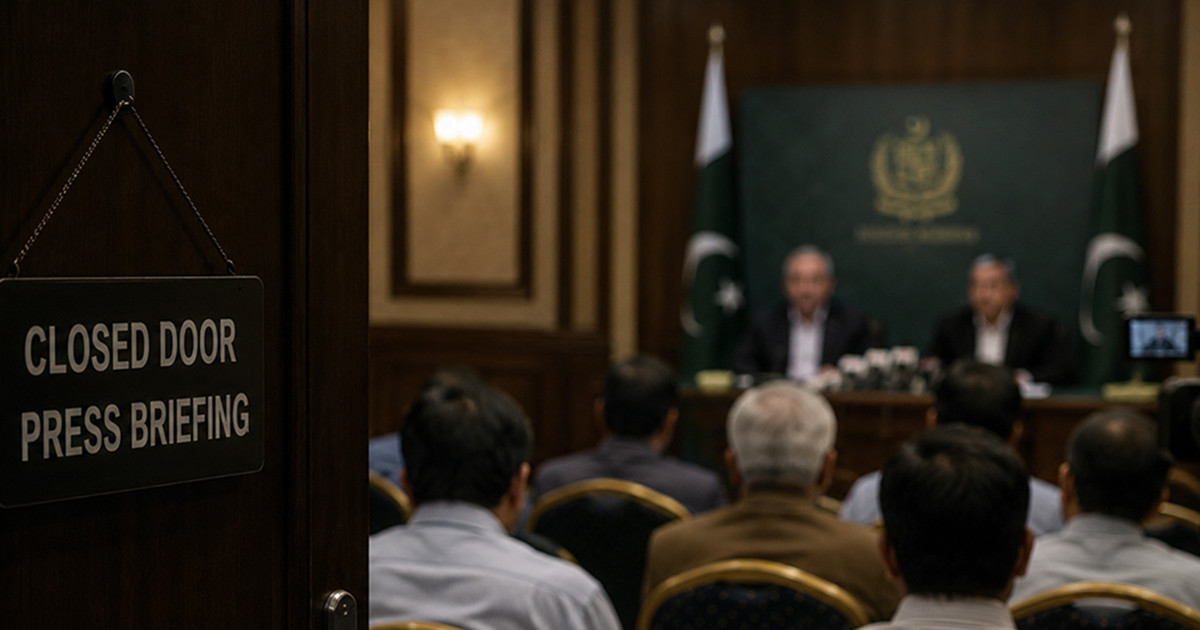
The statement followed Tarar’s March 10 press conference in Islamabad, where he cautioned journalists not to cross constitutional limits when commenting on Pakistan’s foreign policy, warning that speculation about diplomatic relations could have consequences if it harmed the country’s international ties.
According to remarks reported by JournalismPakistan, the law minister cited Article 19 of Pakistan’s Constitution, which guarantees freedom of expression but allows restrictions in matters involving national security, public order, and relations with friendly countries.
CPJ stressed that constitutional provisions should not be invoked in ways that discourage legitimate reporting or commentary on foreign policy.
Debate over media freedom and constitutional limits
Tarar’s comments have sparked debate in media circles about the balance between national interest and press freedom. While Pakistan’s Constitution protects freedom of speech, it also permits restrictions in specific circumstances.
Press freedom advocates have long warned that broadly worded references to national security or diplomatic interests can create uncertainty for journalists covering international affairs, particularly when accompanied by warnings of potential legal action.
Beh Lih Yi said authorities should clearly state that journalists will not face legal or political pressure for reporting on foreign policy issues. She noted that robust debate and scrutiny of international developments are vital for an informed public.
#Pakistan: CPJ is alarmed by Law Minister Azam Nazeer Tarar’s vague threat of legal action against journalists and commentators who cross “red lines” when discussing foreign policy. Independent analysis and reporting of international affairs is critical to the public’s… pic.twitter.com/S03u4gjIUr
— CPJ Asia (@CPJAsia) March 12, 2026
Concerns over pressure on the media
Pakistan’s media environment has faced recurring scrutiny from international watchdogs over legal and regulatory pressure on journalists. Issues, including court cases, regulatory actions, and political pressure, have periodically raised concerns about the space available for critical reporting.
Foreign policy coverage remains a particularly sensitive area because of Pakistan’s strategic relationships and regional security dynamics, making clear legal protections for journalists especially important.
WHY THIS MATTERS: Foreign policy coverage is central to political journalism in Pakistan, where regional conflicts and diplomatic relationships directly affect national security and public policy. Vague warnings of potential legal consequences may encourage caution or self-censorship in newsrooms. For Pakistani media professionals, the episode underscores the importance of precise reporting, strong sourcing, and clear separation between analysis and speculation.
ATTRIBUTION: Reporting by JournalismPakistan, with additional context from a public statement released March 13, 2026, by the Committee to Protect Journalists.
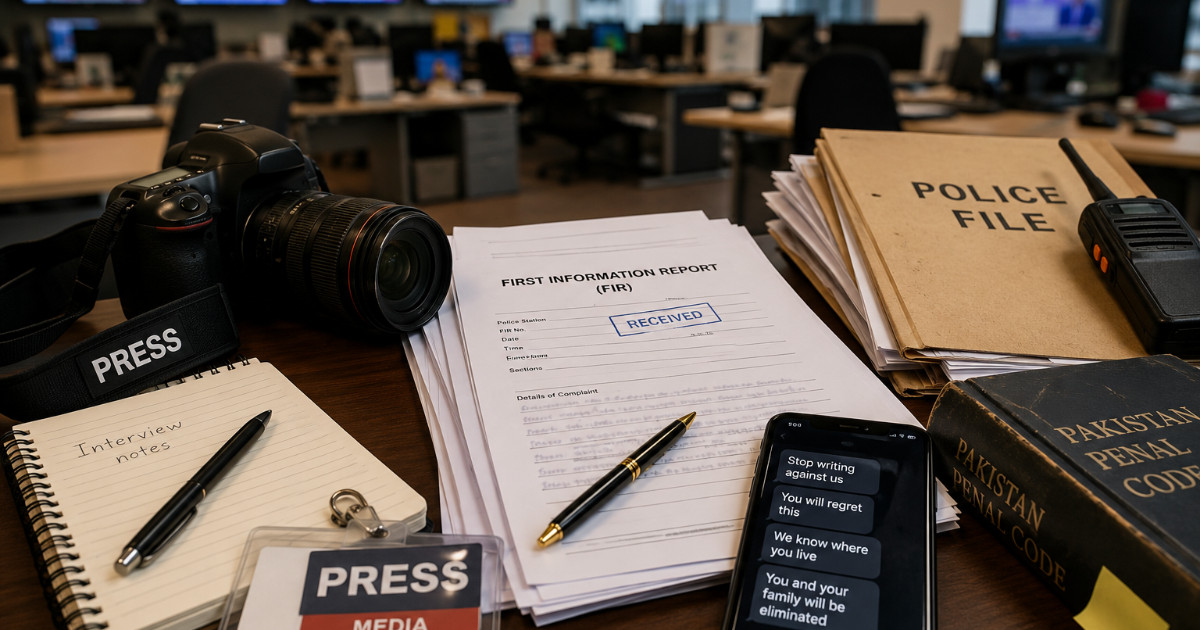
PHOTO: AI-generated; for illustrative purposes only.
Key Points
- CPJ expressed alarm over Law Minister Azam Nazeer Tarar's warning to journalists about constitutional 'red lines' on foreign policy.
- Authorities cited Article 19, which protects free expression but allows restrictions for security and foreign relations.
- CPJ cautioned that broadly framed legal threats could discourage independent reporting and commentary.
- The group urged officials to clearly state legal pressure will not be used to silence journalists covering international affairs.
- Tarar's remarks have prompted debate within media circles about balancing national interests and press freedom.
Key Questions & Answers
What did CPJ say?
CPJ said the law minister's broadly framed 'red line' warning could chill independent reporting on foreign policy and urged clarification that legal measures won't silence journalists.
What did the law minister warn?
Azam Nazeer Tarar cautioned journalists not to cross constitutional limits when commenting on foreign policy, warning speculation could harm diplomatic ties.
How does Article 19 relate?
Article 19 guarantees freedom of expression but permits restrictions for national security, public order, and relations with friendly states; CPJ says it should not be used to stifle legitimate reporting.
What does CPJ want from authorities?
CPJ urged clear assurances that legal or regulatory pressure will not be applied to silence journalists reporting or commenting on international affairs.
Relevant Topics
Ask AI: Understand this story your way
AI EnabledDig deeper, ask anything — get instant context, background, and clarity.
Disclaimer: This feature is powered by AI and is intended to help readers explore and understand news stories more easily. While we strive for accuracy, AI-generated responses may occasionally be incomplete or reflect limitations in the underlying model. This feature does not represent the editorial views of JournalismPakistan. For our full, verified reporting, please refer to the original article.