
Big Tech, AI disrupt Southeast Asia news ecosystem
JournalismPakistan.com | Published: 3 May 2026 | JP Asia Desk
Join our WhatsApp channel
Groups in Southeast Asia warned that Big Tech platforms and generative AI are diverting audiences and ad revenue through algorithmic distribution, undermining editorial control and threatening the sustainability of smaller independent news outlets.Summary
BANGKOK—Independent media organizations across Southeast Asia have issued a joint warning that the growing dominance of Big Tech platforms and generative artificial intelligence is undermining journalism sustainability and weakening editorial control, particularly for smaller and independent outlets.
In a statement released to mark World Press Freedom Day on May 3, the groups said algorithm-driven distribution systems and platform-centric revenue models are increasingly diverting both audience attention and advertising income away from newsrooms, leaving publishers struggling to maintain viable operations.
Algorithmic power shifts revenue away from newsrooms
The statement highlighted how major technology platforms now act as primary gatekeepers of information, shaping what content reaches audiences while capturing a significant share of digital advertising revenue. This dynamic, the organizations said, has reduced the financial independence of news outlets and increased their reliance on opaque platform policies.
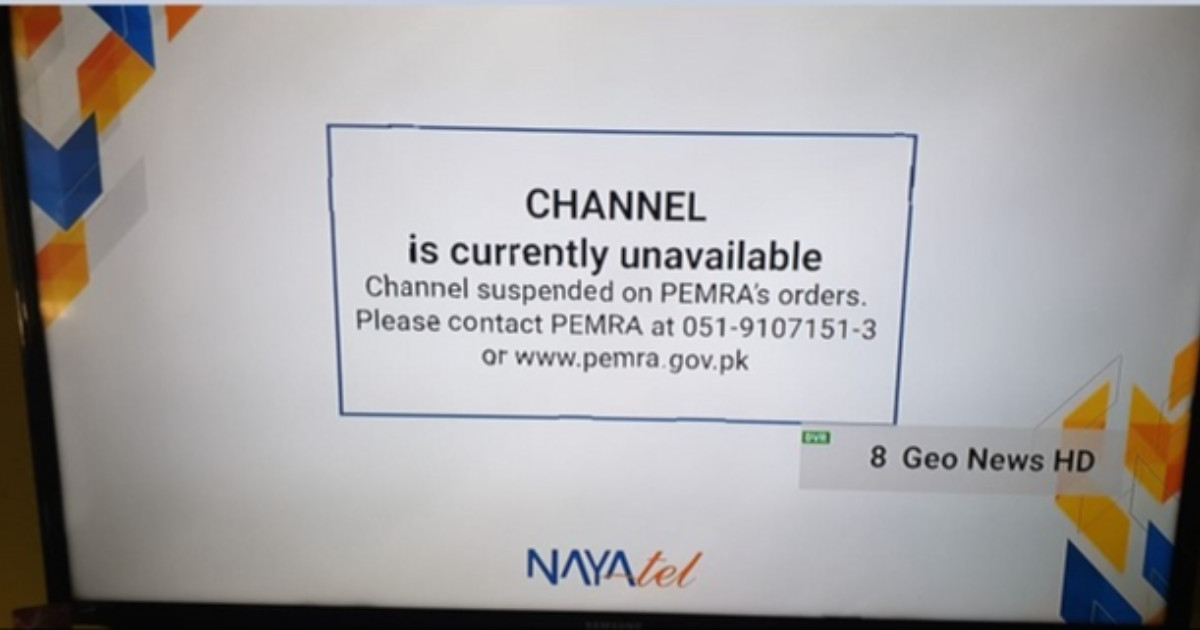
Media groups also warned that frequent algorithm changes can abruptly impact traffic and visibility, creating instability for publishers already operating in challenging political and economic environments. In several Southeast Asian countries, independent media outlets face regulatory pressure, making financial resilience even more critical.
Generative AI raises editorial and integrity concerns
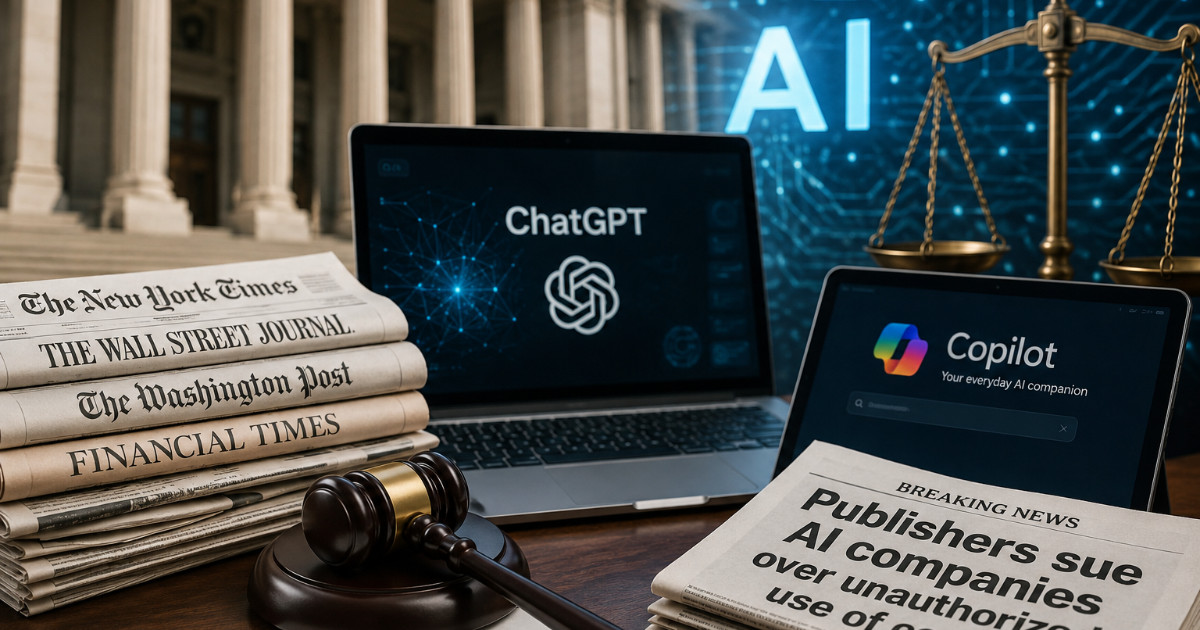
Beyond distribution, the rise of generative AI tools has introduced new challenges related to content ownership, originality, and trust. The organizations cautioned that AI-generated material, often trained on journalistic content without compensation, risks diluting the value of original reporting.
They also noted that the proliferation of synthetic content could blur the line between verified journalism and automated outputs, complicating efforts to maintain credibility and audience trust. This concern is particularly acute in regions where misinformation and disinformation already pose significant risks to public discourse.
The joint statement reflects a broader global debate about the role of technology companies in the media ecosystem, with calls for fairer revenue-sharing models, stronger content protections, and regulatory frameworks that safeguard journalistic independence.
ATTRIBUTION: Reporting by JournalismPakistan, based on publicly available statements from Southeast Asian media organizations issued on May 3, 2026.
PHOTO: AI-generated; for illustrative purposes only.
Key Points
- Big Tech platforms and algorithmic distribution divert audiences and advertising revenue from newsrooms.
- Generative AI raises concerns about content ownership, originality and public trust.
- Opaque platform policies and frequent algorithm changes create instability for publishers.
- Smaller and independent outlets face heightened financial and regulatory pressures in the region.
- These trends weaken editorial control and threaten overall media sustainability.
Key Questions & Answers
What is the joint warning about?
Independent media groups say the growing dominance of Big Tech platforms and generative AI is diverting audiences and advertising revenue, undermining editorial control and harming newsroom sustainability.
How do platform algorithms affect news publishers?
Algorithm-driven distribution determines what reaches audiences, shifting traffic and ad dollars toward platform-favored content and making publishers vulnerable to sudden visibility changes.
What editorial issues does generative AI introduce?
Generative AI raises questions on content ownership, originality and verification, complicating editorial standards and public trust in journalism.
Why are smaller independent outlets most at risk?
Smaller outlets rely more on digital traffic and ad income, so algorithm shifts, opaque policies and political or regulatory pressures can quickly threaten their financial survival.
Relevant Topics
Ask AI: Understand this story your way
AI EnabledDig deeper, ask anything — get instant context, background, and clarity.
Disclaimer: This feature is powered by AI and is intended to help readers explore and understand news stories more easily. While we strive for accuracy, AI-generated responses may occasionally be incomplete or reflect limitations in the underlying model. This feature does not represent the editorial views of JournalismPakistan. For our full, verified reporting, please refer to the original article.