
Bangladesh press freedom under scrutiny amid rising intimidation
JournalismPakistan.com | Published: 22 January 2026 | JP Asia Desk
Join our WhatsApp channel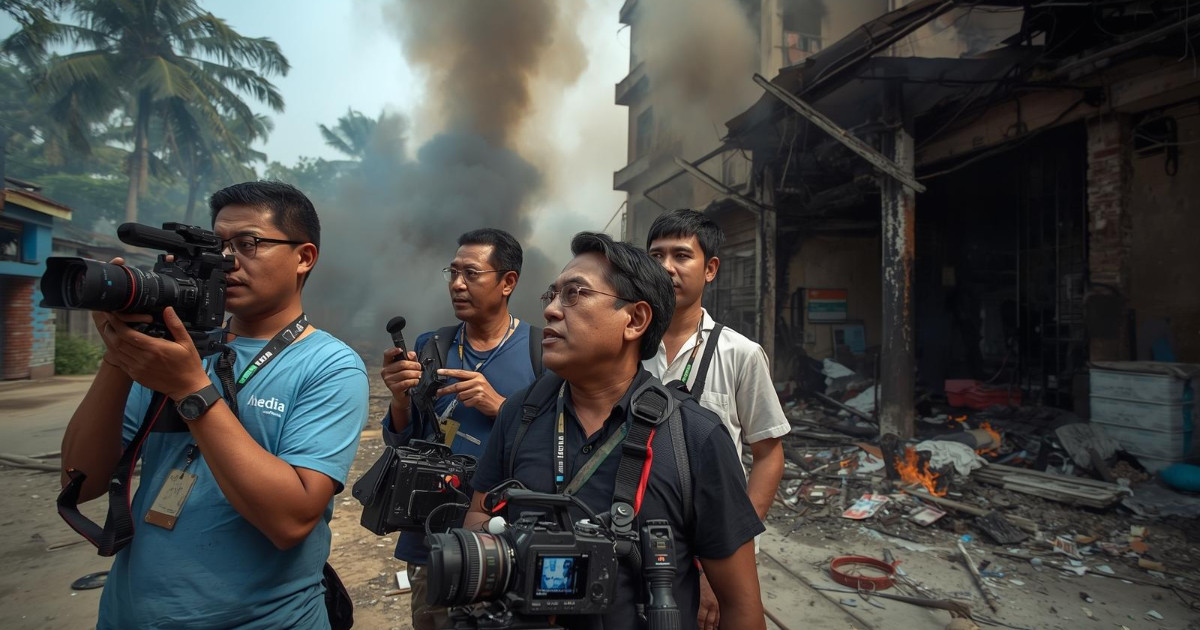
A Jan. 22 report found that in 2025 legal and administrative measures, including repeated use of the Digital Security Act, spawned hundreds of cases, arrests and attacks that narrowed media freedom and civic space ahead of elections.Summary
DHAKA, Bangladesh — A report released January 22 by research organizations highlights the use of legal and administrative measures in 2025 that have contributed to an environment of intimidation and suppression for journalists in Bangladesh, raising concerns among media freedom advocates and democracy experts about shrinking civic space in the run-up to national elections.
According to the study by the Centre for Governance Studies and the Clooney Foundation for Justice, the now-repealed Digital Security Act was repeatedly deployed throughout 2025 to target journalists, criminalise reporting, and instil fear within newsrooms. The report shows hundreds of cases filed against reporters and arbitrary arrests that disrupted independent journalism.
Legal and physical pressures on media professionals
Civil society groups and press freedom organizations have documented ongoing legal and physical pressures on media workers in Bangladesh. In 2025, a new Cyber Protection Ordinance replaced the Digital Security Act, but concerns persist that several of its provisions could still be used to stifle online expression and investigative reporting. Rights defenders say journalists face persistent risks of arrest, harassment, and prosecution under broad or vague legal frameworks.
Beyond legal tools, 2025 saw an escalation in violence against media outlets. In December, coordinated attacks on the offices of established newspapers resulted in buildings being set on fire, trapping staff and forcing the temporary suspension of publication. These events prompted condemnation from international rights organizations and highlighted gaps in protection for journalists.
Implications ahead of elections and regional context
The tightening environment for press freedom comes as Bangladesh prepares for national elections scheduled for February 2026. Journalists and editors have appealed to authorities for greater protection and adherence to constitutional guarantees of freedom of expression, warning that violence, intimidation, and legal pressures could undermine democratic discourse.
Analysts note that Bangladesh’s struggles reflect broader regional challenges in South Asia, where democratic norms and civic space are under strain in multiple countries. The interplay between political transitions, digital regulation, and media freedom draws attention from international observers concerned about long-term impacts on open societies.
ATTRIBUTION: Reporting compiled from verified sources, including human rights organizations, press freedom indexes, and rights group statements.
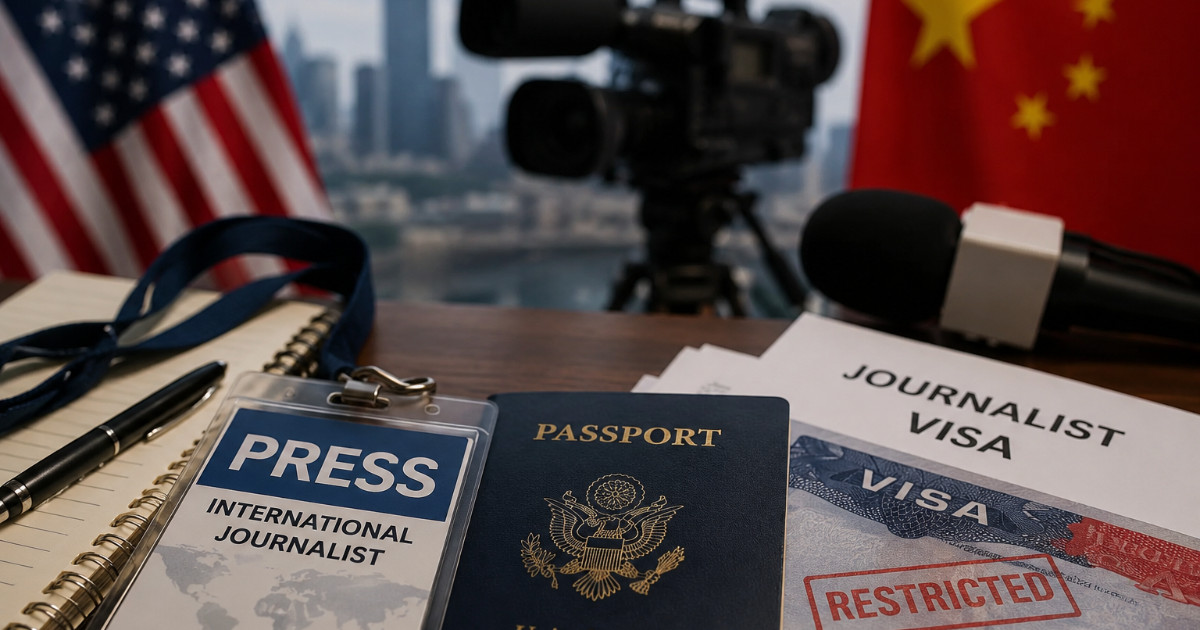
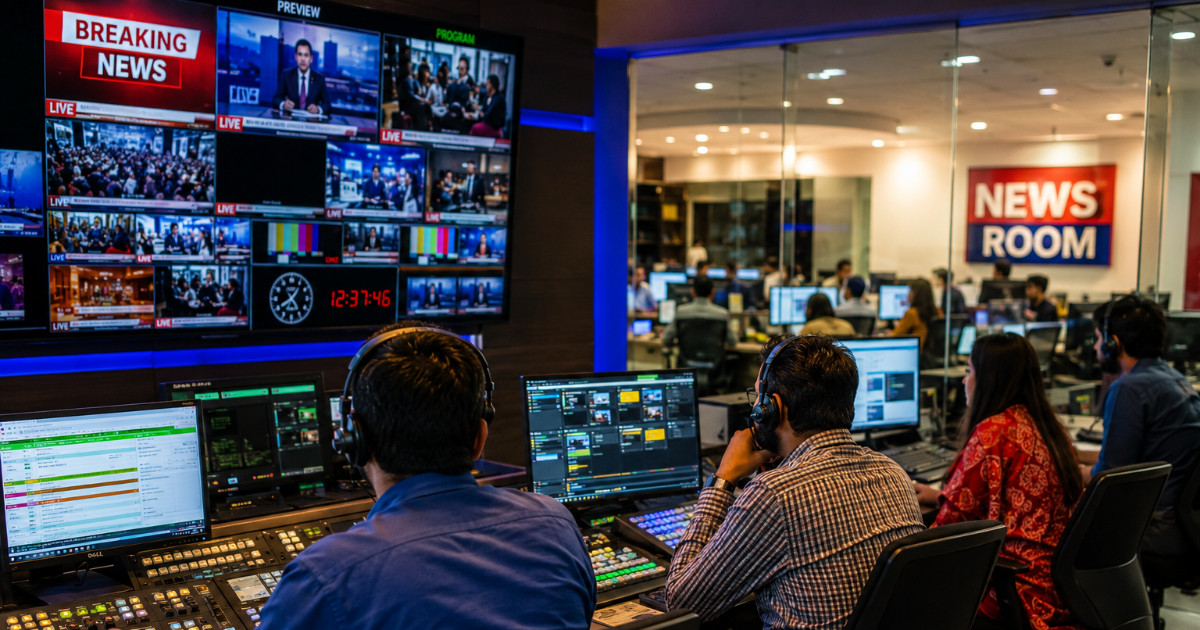
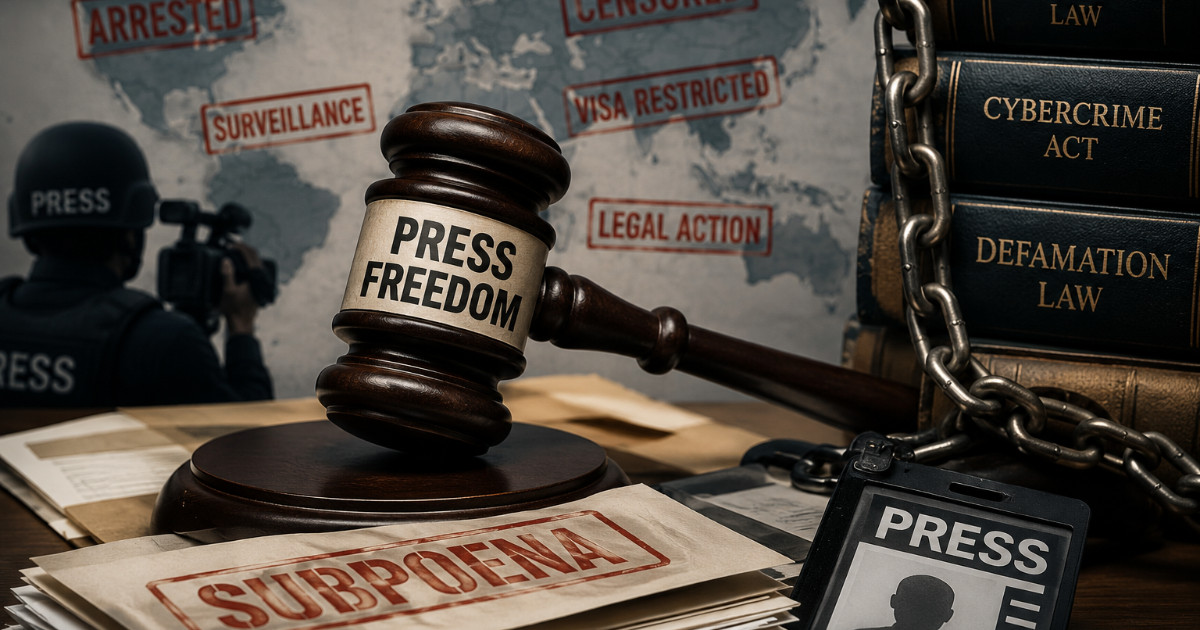
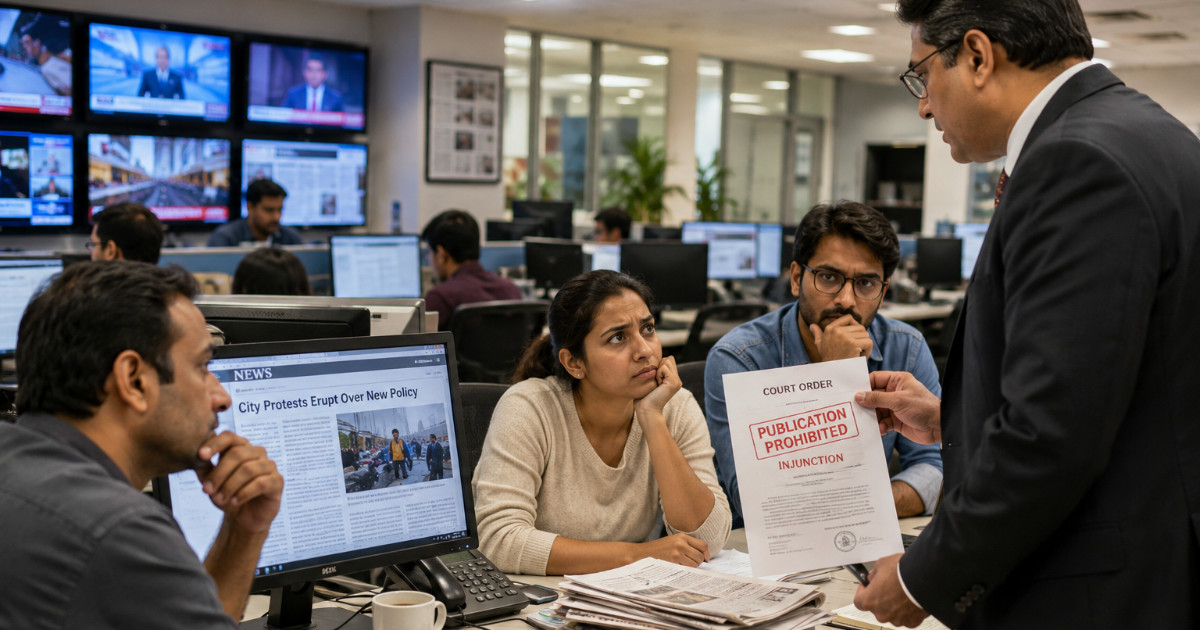
PHOTO: AI-generated; for illustrative purposes only
Key Points
- Jan. 22 report by the Centre for Governance Studies and the Clooney Foundation for Justice documents 2025 measures harming media freedom.
- The Digital Security Act was repeatedly used in 2025 to criminalise reporting and target journalists.
- Hundreds of cases filed and arbitrary arrests disrupted independent journalism.
- The Cyber Protection Ordinance replaced the DSA but contains provisions that may stifle online expression.
- Coordinated attacks in December damaged newspaper offices, forced suspensions and endangered staff.
- Rights groups warn these trends have narrowed civic space ahead of national elections.
Relevant Topics
Ask AI: Understand this story your way
AI EnabledDig deeper, ask anything — get instant context, background, and clarity.
Disclaimer: This feature is powered by AI and is intended to help readers explore and understand news stories more easily. While we strive for accuracy, AI-generated responses may occasionally be incomplete or reflect limitations in the underlying model. This feature does not represent the editorial views of JournalismPakistan. For our full, verified reporting, please refer to the original article.