
Bangladesh media freedom faces threat from rushed ordinances
JournalismPakistan.com | Published: 5 February 2026 | JP Asia Desk
Join our WhatsApp channel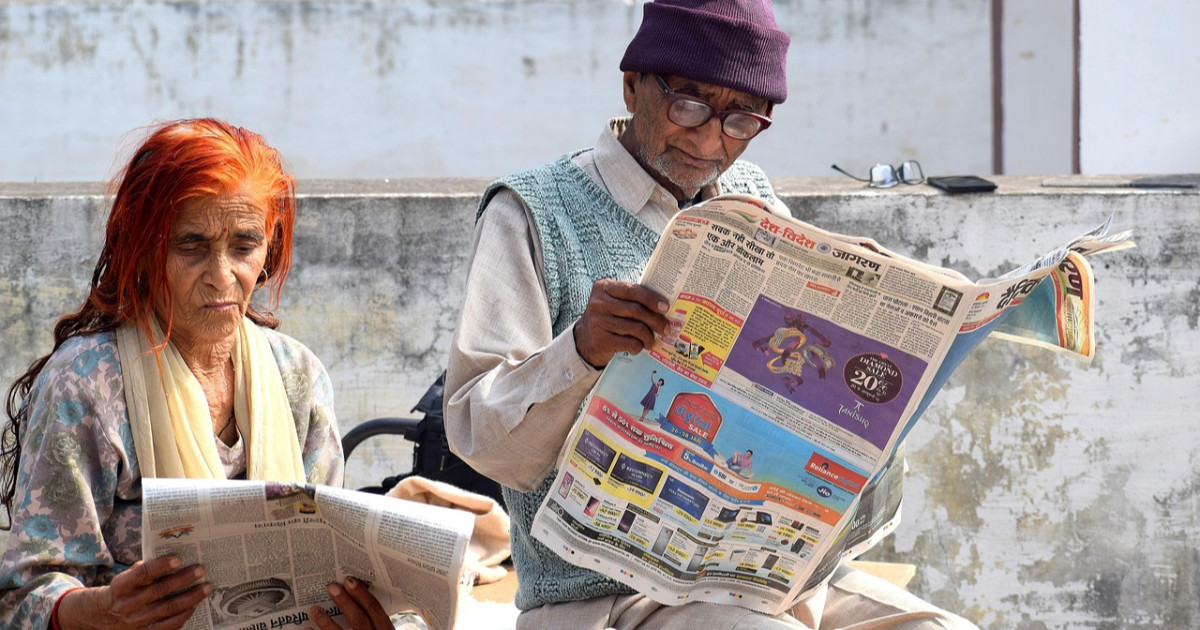
Article 19 warns that Bangladesh's interim government's draft ordinances to set up a National Media Commission and a Broadcasting Commission allow only three days for comment, risk state control, and exclude freelance journalists, threatening press freedom.Summary
DHAKA — Rights group Article 19 has warned that the interim government of Bangladesh has issued draft ordinances to create a National Media Commission and a Broadcasting Commission, with only three days for public feedback, a move that the organization says lacks transparency and could weaken freedom of expression.
The London‑based group said the proposed National Media Commission would be structured under direct government control and strong bureaucratic influence, leaving it exposed to political interference and falling short of international human rights standards. Critics also noted that the draft excludes freelance journalists from the legal definition of “journalist,” depriving them of protection, accreditation, and safety measures that are essential in a fragile media environment.
Implications for media regulation in Bangladesh
Article 19 urged the interim government to halt the enactment of the ordinances and defer decisions to the incoming elected government following the February 12 national election, saying far‑reaching reforms should be shaped through transparent consultation with journalists, editors, civil society, and legal experts. The proposed Broadcasting Commission Ordinance has been criticized for similarly centralizing state control and failing to safeguard pluralism or public interest journalism, reflecting broader professional dissent, including from Transparency International Bangladesh, which described the drafts as a mockery of free press expectations. Calls for reforms follow recommendations made by the Bangladesh Media Reform Commission nearly a year ago that have yet to be meaningfully acted upon.
WHY THIS MATTERS: This development highlights ongoing challenges in media regulation and press freedom in South Asia that Pakistani journalists should track, offering lessons on the importance of inclusive, transparent reform processes. For newsrooms in Pakistan, understanding how draft regulatory bodies can affect editorial independence is key to advocacy and reporting strategies. It underscores regional trends in media governance that could inform newsroom training, risk assessment, and coverage of legislative impacts on press freedom.
ATTRIBUTION: Reporting based on statements and analysis from the international rights organization Article 19 and coverage by Bangladesh news outlets.
PHOTO: By Rajesh Balouria from Pixabay
Key Points
- Article 19 says drafts were released with only three days for public feedback.
- The proposed National Media Commission would be under strong government and bureaucratic influence, risking political interference.
- Drafts exclude freelance journalists from the legal definition, removing protections and accreditation.
- Broadcasting Commission ordinance centralizes state control, undermining pluralism and public-interest journalism.
- Rights groups urge halting the ordinances and deferring reforms to the incoming elected government with broader consultation.
Relevant Topics
Ask AI: Understand this story your way
AI EnabledDig deeper, ask anything — get instant context, background, and clarity.
Disclaimer: This feature is powered by AI and is intended to help readers explore and understand news stories more easily. While we strive for accuracy, AI-generated responses may occasionally be incomplete or reflect limitations in the underlying model. This feature does not represent the editorial views of JournalismPakistan. For our full, verified reporting, please refer to the original article.