
Bangladesh journalists raise alarm before polls
JournalismPakistan.com | Published: 11 February 2026 | JP Asia Desk
Join our WhatsApp channel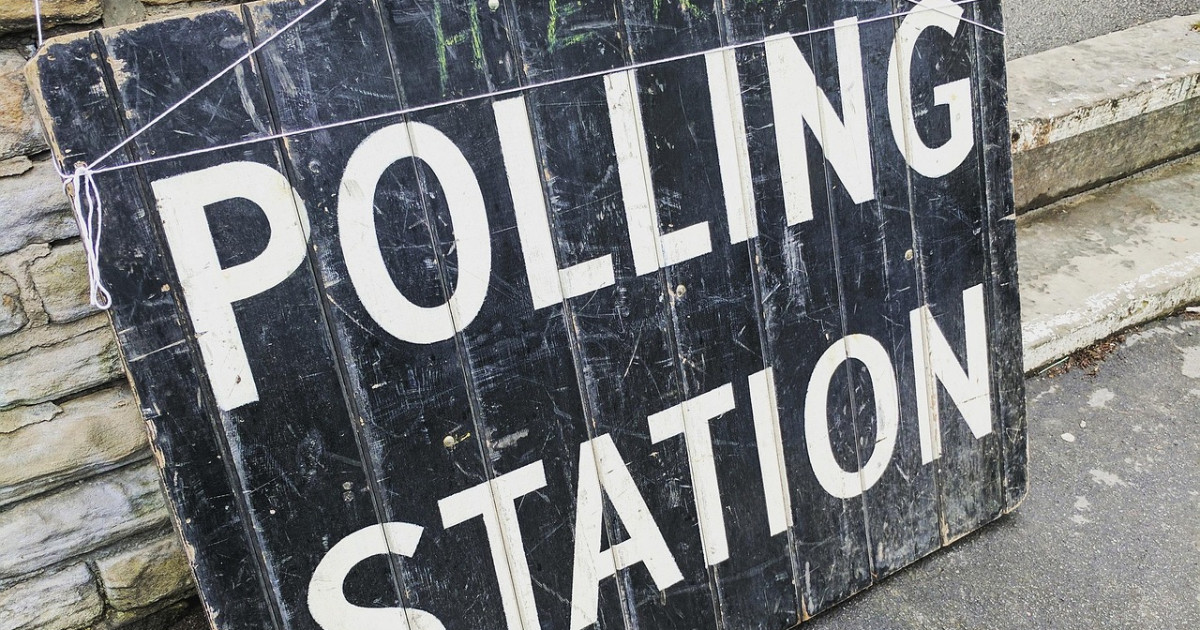
Journalists in Dhaka report verbal threats, intimidation and pressure on outlets over election coverage ahead of Bangladesh's national vote. They urge authorities to protect reporters, investigate threats and demonstrate accountability.Summary
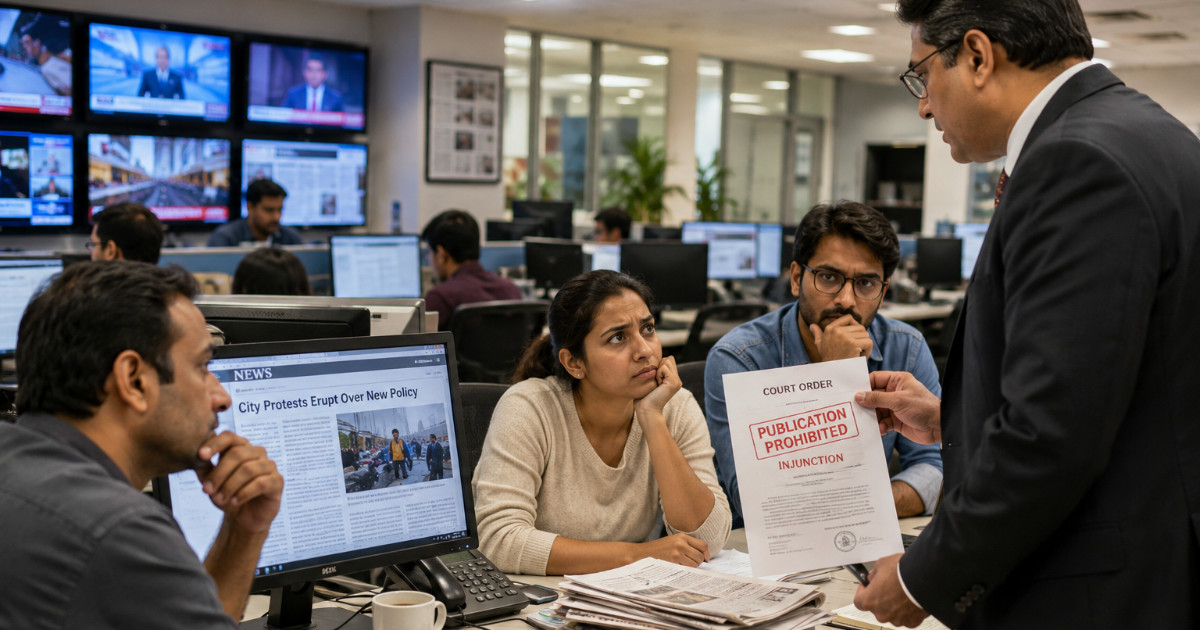
DHAKA, Bangladesh — Journalists and media leaders in Dhaka have raised concerns about intimidation and harassment targeting reporters and news organizations in the days leading up to Bangladesh’s national elections. Editors warn that such pressure during a politically sensitive period could undermine independent election coverage and limit the public’s access to credible information.
Statements from media representatives describe incidents including verbal threats, intimidation during reporting assignments, and pressure directed at outlets over election-related content. Editors’ bodies say that even when incidents do not result in physical injury, they can create a chilling effect inside newsrooms, particularly during high-stakes political reporting.
Concerns about safety and accountability
Media leaders have called on authorities to ensure protection for journalists covering the elections and to investigate reported threats promptly. They argue that visible accountability is critical to prevent further intimidation and to signal that attacks on journalists will not be tolerated.
Bangladesh’s media environment has faced scrutiny in recent years during politically charged periods, with domestic and international observers documenting pressure on journalists and news organizations. Election cycles have historically heightened tensions, making safeguards for reporters especially significant for the integrity of the democratic process.
Risks to independent election reporting
Editors say that sustained intimidation risks encouraging self-censorship, limiting on-the-ground reporting, and narrowing the range of viewpoints available to voters. In an election context, reduced access to verified, independent coverage can weaken transparency and public confidence in electoral outcomes.
Media bodies have urged political actors to publicly reaffirm commitments to press freedom and to respect the role of journalists in covering campaigns, voting, and post-election developments. They stress that ensuring a secure working environment for reporters is essential to credible and comprehensive election reporting.
WHY THIS MATTERS: For Pakistani newsrooms, the situation underscores how election periods can quickly heighten risks for reporters and increase pressure on editorial independence. It reinforces the need for structured safety protocols, legal preparedness, and collective advocacy by editors’ bodies to protect journalists during politically sensitive coverage cycles.
ATTRIBUTION: Based on statements by Bangladeshi journalists and editors’ representatives, and reporting by media monitoring organizations.
PHOTO: By John Mounsey from Pixabay
Key Points
- Reports of verbal threats and intimidation of reporters in Dhaka ahead of elections.
- Pressure is directed at news outlets over election-related content.
- Editors warn of a chilling effect and increased self-censorship in newsrooms.
- Media leaders call on authorities to protect journalists and investigate threats promptly.
- Concerns that a lack of accountability could undermine independent election coverage and public access to credible information.
Relevant Topics
Ask AI: Understand this story your way
AI EnabledDig deeper, ask anything — get instant context, background, and clarity.
Disclaimer: This feature is powered by AI and is intended to help readers explore and understand news stories more easily. While we strive for accuracy, AI-generated responses may occasionally be incomplete or reflect limitations in the underlying model. This feature does not represent the editorial views of JournalismPakistan. For our full, verified reporting, please refer to the original article.