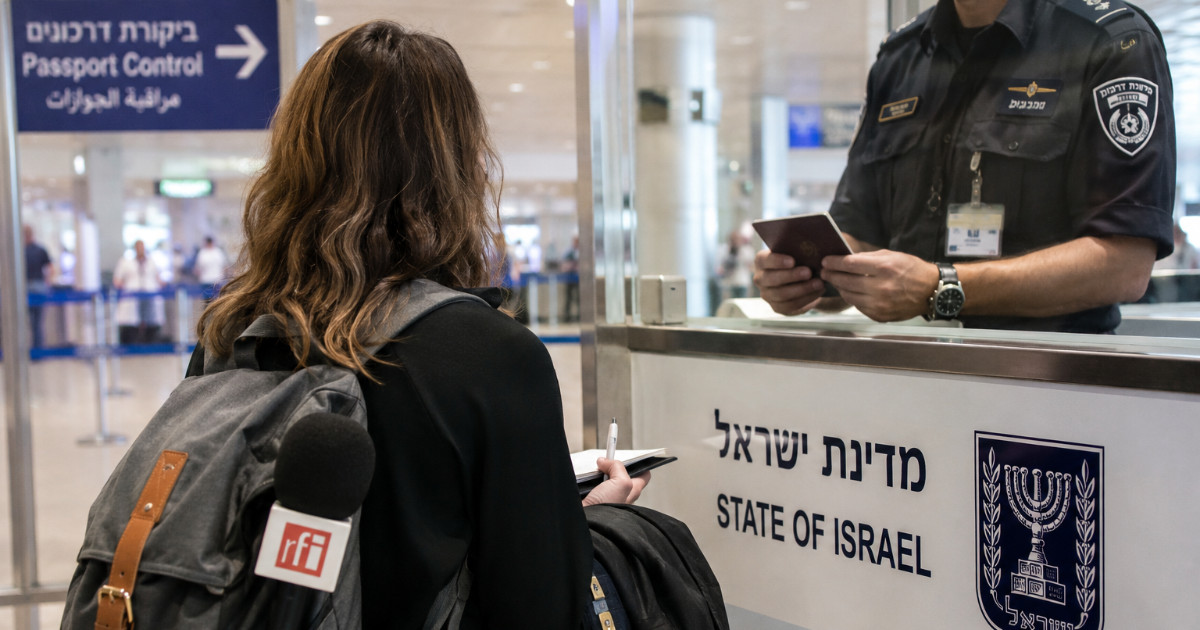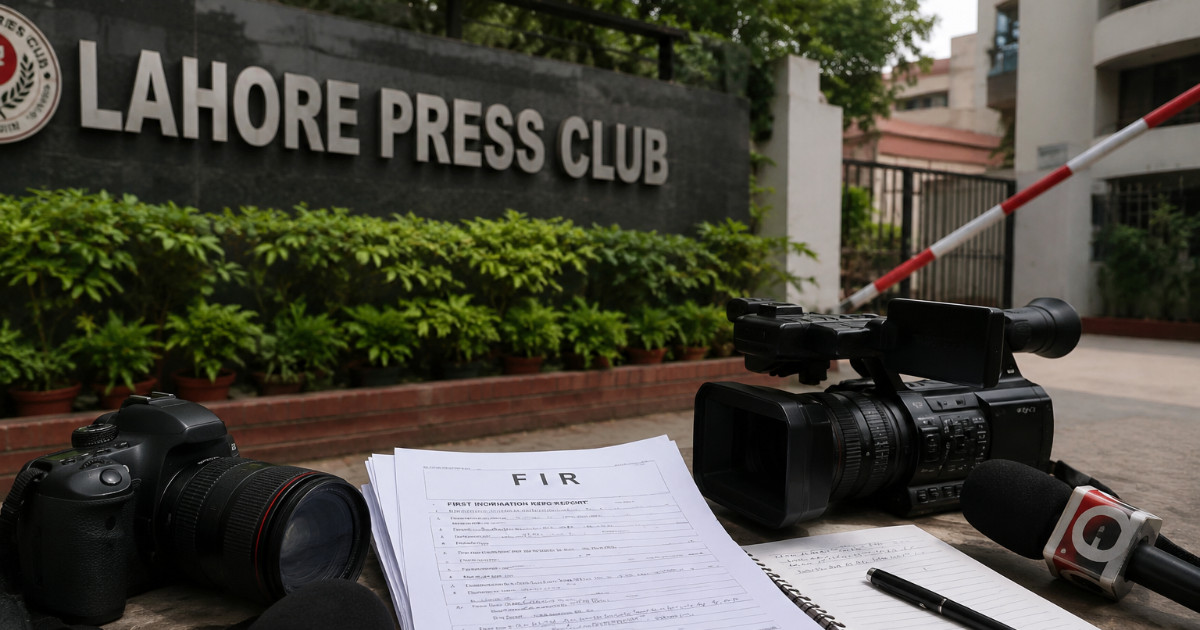
.jpg)
A snapshot of global media at Islamabad talks
JournalismPakistan.com | Published: 11 April 2026 | JP Staff Report
Join our WhatsApp channel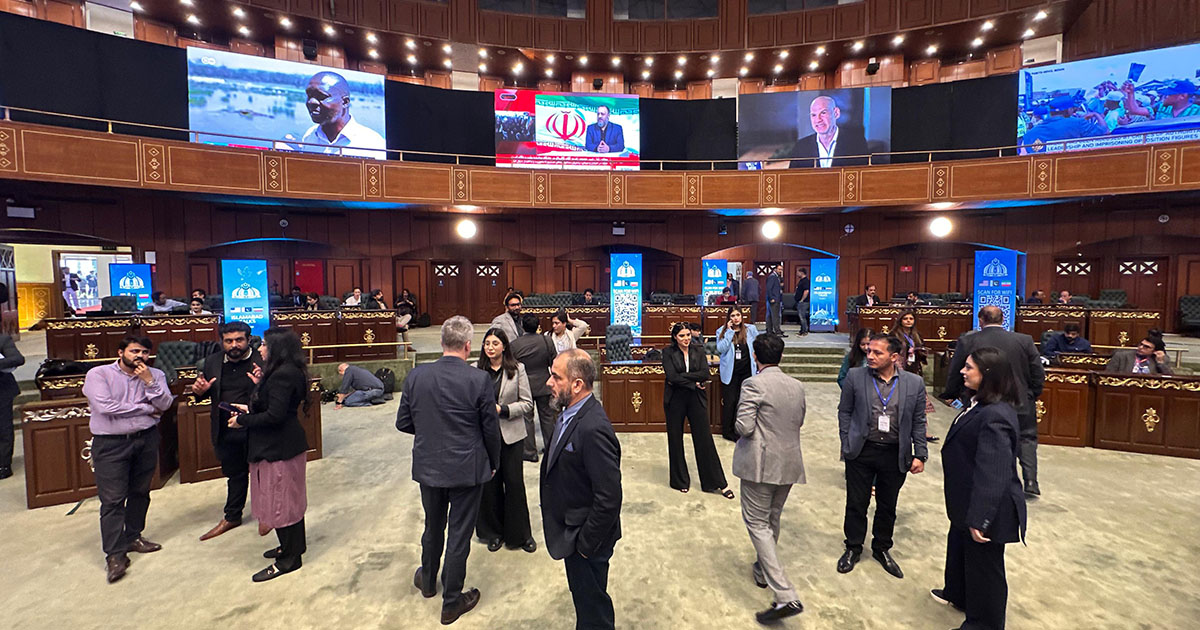
Coverage of the Iran‑US peace talks in Islamabad varies: Western outlets stress negotiation process and economic fallout, while Middle Eastern and regional media emphasize local perspectives, access and public concerns about fuel and daily life.Summary
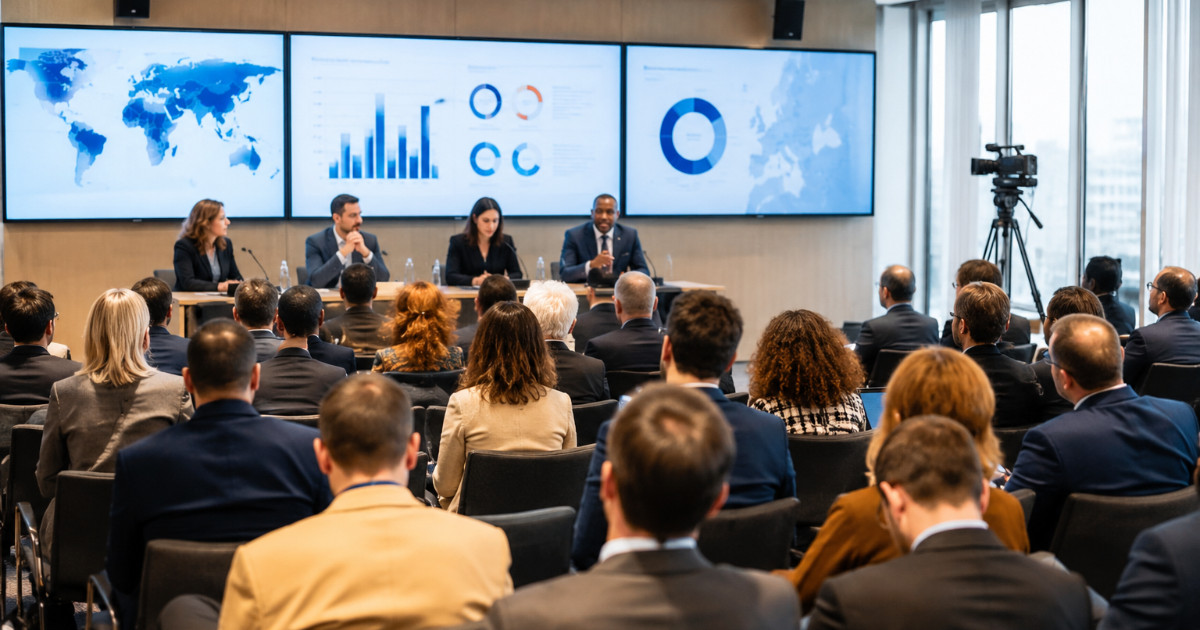
ISLAMABAD — As international journalists gather in Islamabad ahead of the anticipated Iran-US peace talks, a parallel story is taking shape: how differently global media organizations are framing the same diplomatic moment.
From Western wire services to Middle Eastern broadcasters and regional outlets, the contrasts in coverage are revealing not just editorial styles, but deeper priorities shaped by geography, audience expectations, and levels of access.
Western coverage focuses on process and impact
Western outlets such as BBC and Reuters are largely approaching the talks through a process-driven and geopolitical lens, emphasizing negotiation dynamics, verified information, and implications for regional stability.
A journalist with a leading foreign news organization, speaking on condition of anonymity, told JournalismPakistan that their reporting strategy prioritizes direct, on-the-record sources. “What we are doing differently is that we are trying to get credible, reliable officials, to quote, people who are directly involved and know firsthand what is going on,” the journalist said. “We cannot do reporting by saying ‘sources say.’”
He added that economic implications are a key focus. “We are also trying to assess the financial impact on stock markets, the economy, and fuel prices. These are important aspects for us.”
However, he noted that public concerns remain underreported. “The common people are more interested in fuel prices and how their pockets are affected. These are the underreported things.”
Access restrictions shape field reporting
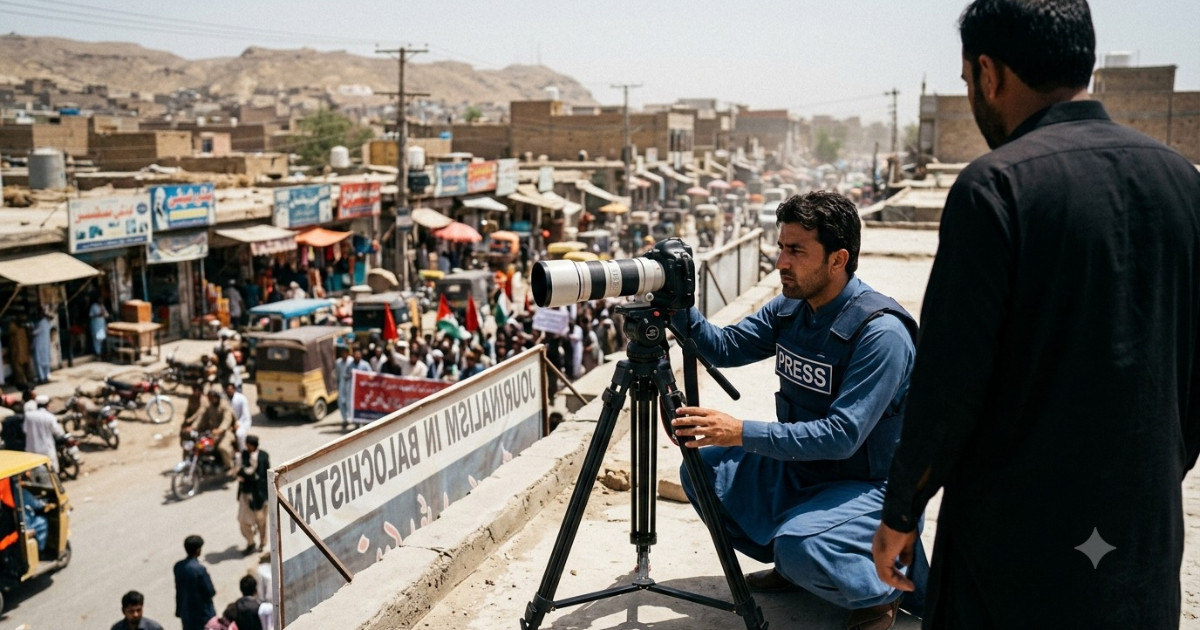
On the ground, journalists are also navigating tight access controls that are shaping both reporting and visuals.
A photographer working with a foreign photo agency said coverage of the talks would largely rely on pooled imagery, limiting visual diversity across outlets.
“There’s a lot of activity, but there are restrictions. Journalists cannot film motorcades live, and specific areas have been earmarked for the media, with the Convention Center as the main hub,” the photographer said.
Pakistan’s Ministry of Information has established a Foreign Media Facilitation Center at the Mövenpick Hotel in Islamabad to coordinate international coverage and manage logistics.
Meanwhile, social media platforms have been filled with posts from visiting journalists documenting heightened security, restricted movement, and the atmosphere in the capital ahead of the talks.
Middle Eastern outlets emphasize regional context
In contrast, Middle Eastern broadcasters such as Al Jazeera are framing the talks within a broader regional narrative, focusing on historical tensions, geopolitical alignments, and implications for stability across the Middle East.
This approach often incorporates human impact and regional interconnectedness, positioning Islamabad as part of a wider geopolitical continuum rather than an isolated diplomatic venue.
Regional media highlight domestic stakes
Regional outlets, particularly in South Asia, are placing greater emphasis on national interest, sovereignty, and domestic political implications. Their reporting frequently centers on official statements, policy signaling, and local reactions, treating Islamabad not only as a diplomatic stage but as a site of domestic political significance where outcomes could influence internal dynamics.
Same event, different narratives
With journalists from across the world working side by side, these editorial differences are becoming increasingly visible in real time. The same briefing or development can generate sharply different headlines, depending on each outlet’s editorial priorities and audience expectations.
Wire services such as Reuters often establish a baseline narrative, which is then interpreted and expanded by broadcasters and regional media, creating a layered and sometimes competing information environment.
Islamabad becomes a global media lens
Beyond the diplomacy itself, Islamabad is emerging as a real-time case study in how global journalism operates, fragmented yet interconnected.
The Iran-US talks are not only being reported; they are being interpreted through multiple editorial lenses, offering audiences around the world markedly different versions of the same event.
WHY THIS MATTERS: The story highlights how editorial framing, sourcing standards, and access constraints directly shape global narratives, an important consideration for Pakistani journalists covering international diplomacy. It underscores the need for local media to balance official access with independent reporting and audience relevance, especially on economic and public-interest angles that may be underreported.
ATTRIBUTION: Reporting by JournalismPakistan, based on on-the-record and anonymous interviews conducted in Islamabad on April 10–11, 2026, and publicly observable media coverage patterns.
PHOTO: JournalismPakistan
Key Points
- Western outlets prioritize negotiation process, on‑the‑record sources, and economic impacts.
- Middle Eastern and regional media emphasize regional perspectives.
- Coverage differences reflect geography, audience expectations, and source access.
- Reporters say public concerns like fuel prices and the cost of living are underreported.
- Access constraints influence which voices are quoted and which angles dominate coverage.
Key Questions & Answers
How are Western outlets approaching the talks?
Western media largely focus on process, verified sources and potential economic consequences; they seek on‑the‑record officials to ground reporting.
What do regional broadcasters emphasize?
Regional outlets highlight local perspectives, access limitations and concerns that affect daily life, such as fuel prices and livelihoods.
Why do different outlets cover the event differently?
Differences stem from geography, audience priorities and levels of access; these factors shape editorial choices and story angles.
Are public concerns being adequately reported?
Some coverage addresses public issues, but journalists note that economic burdens like fuel costs remain relatively underreported.
Relevant Topics
Ask AI: Understand this story your way
AI EnabledDig deeper, ask anything — get instant context, background, and clarity.
Disclaimer: This feature is powered by AI and is intended to help readers explore and understand news stories more easily. While we strive for accuracy, AI-generated responses may occasionally be incomplete or reflect limitations in the underlying model. This feature does not represent the editorial views of JournalismPakistan. For our full, verified reporting, please refer to the original article.