
When telling the story becomes a crime: A warning shot for Pakistani journalism
JournalismPakistan.com | Published: 3 January 2026 | JP Special Report
Join our WhatsApp channel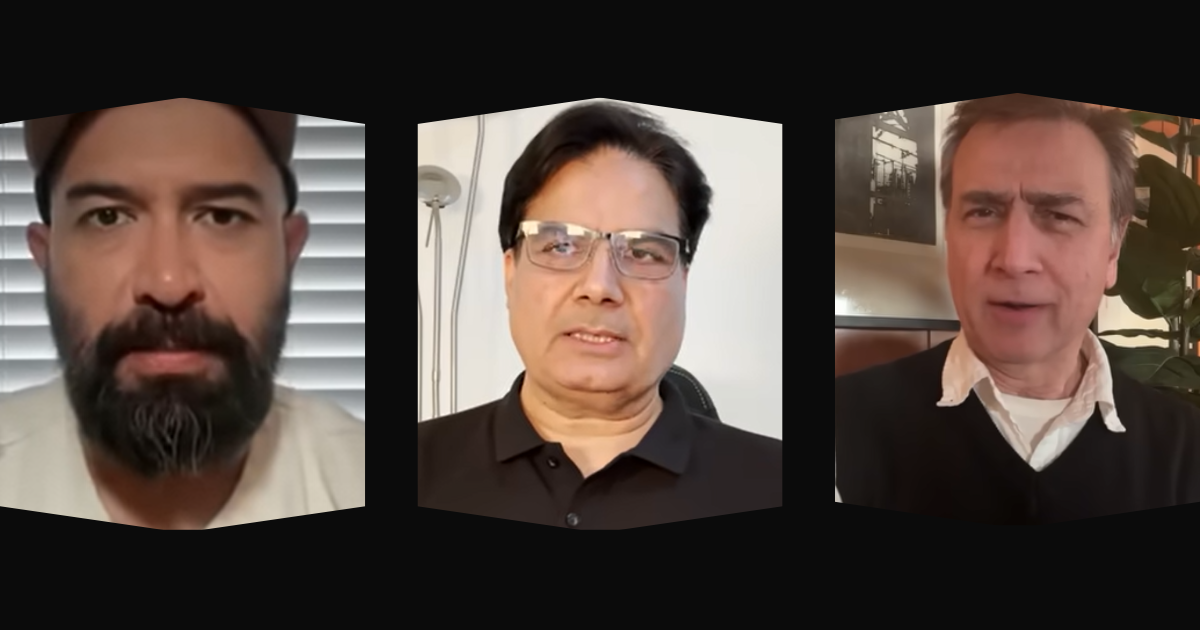
The recent sentencing of well-known journalists in Pakistan raises serious concerns about press freedom and the future of democratic discourse. This legal action exemplifies the risks faced by media professionals in an increasingly oppressive environment.Summary
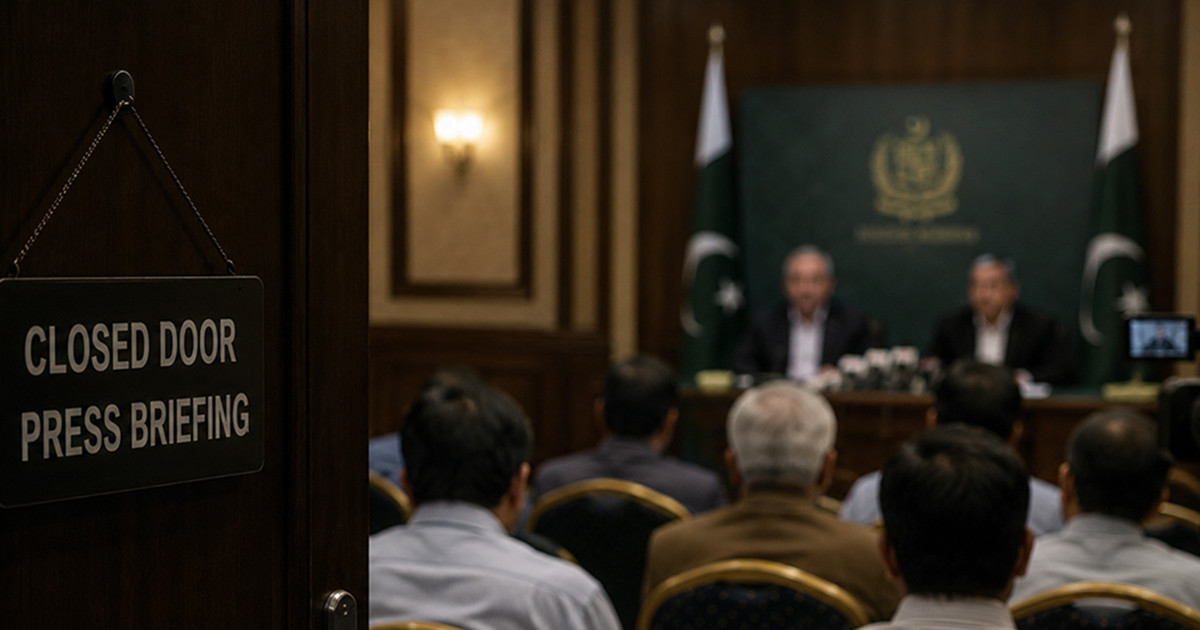
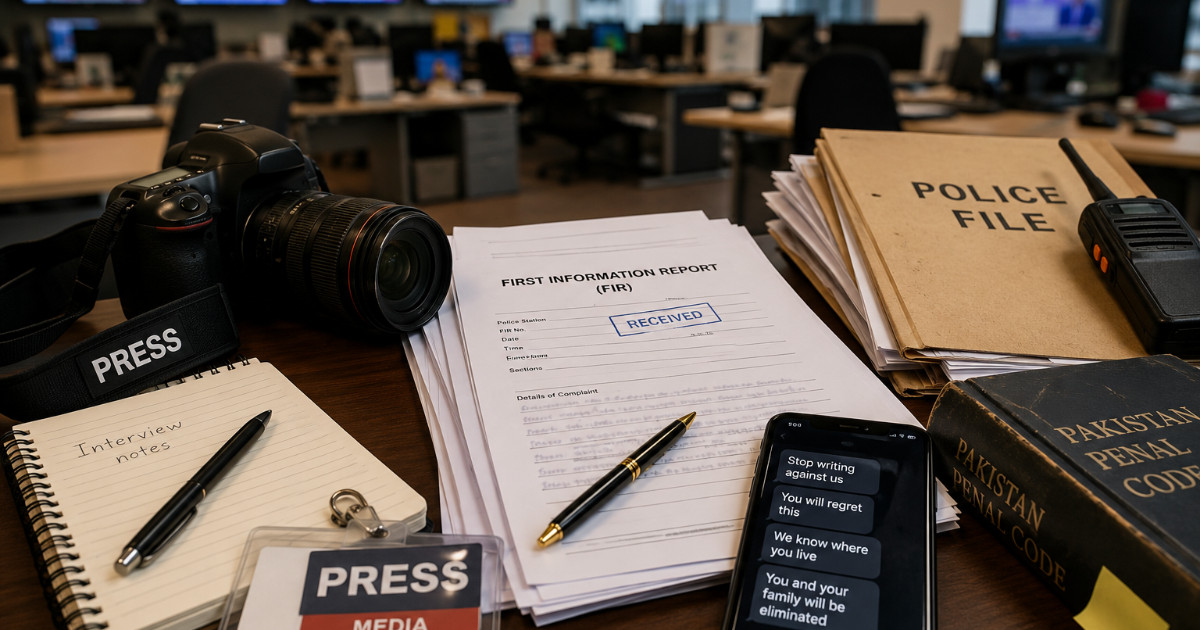
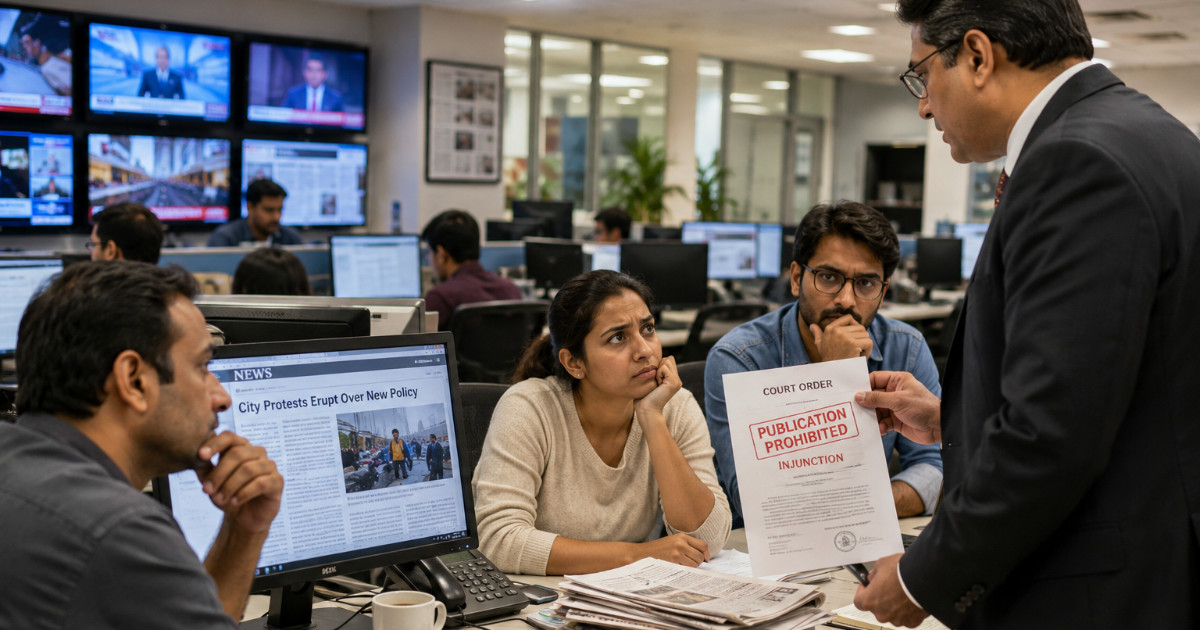
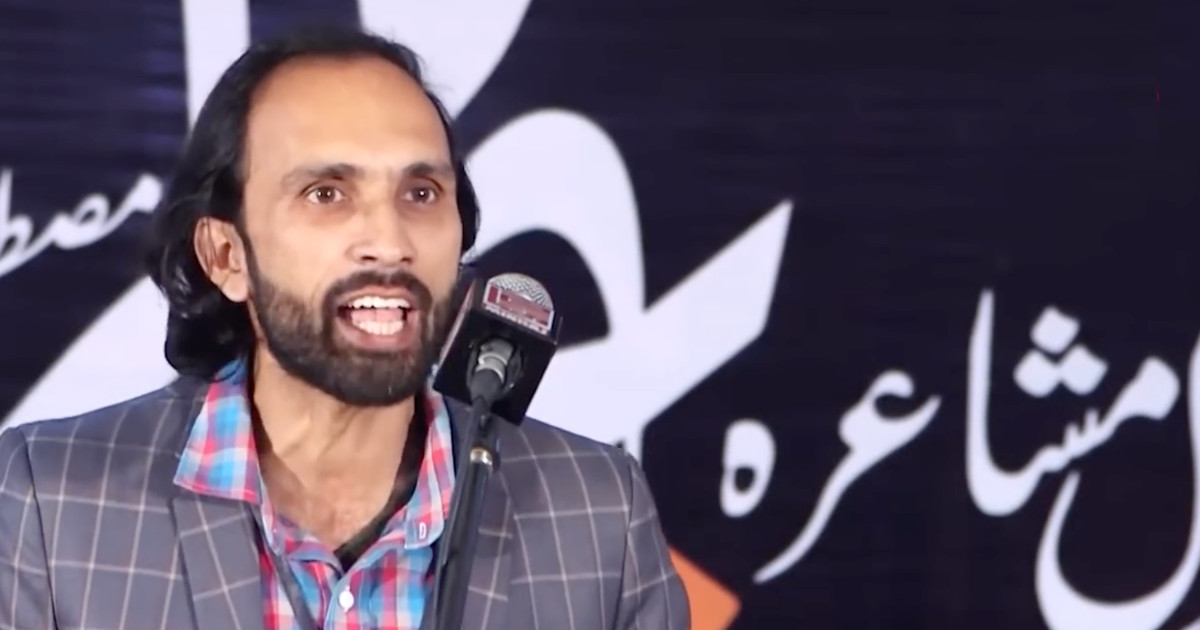
ISLAMABAD — The sentencing of Sabir Shakir, Wajahat Saeed, Shaheen Sehbai, Moeed Pirzada, and others is more than a legal verdict; it is a warning shot for journalism in Pakistan. These were not fringe voices. They were once the faces of prime-time television, guiding public debate and shaping national discourse. Today, life imprisonment and heavy fines hang over them for alleged digital activity tied to a single day of unrest. What does this say about the space for free expression in Pakistan?
The foundation of democracy is under threat
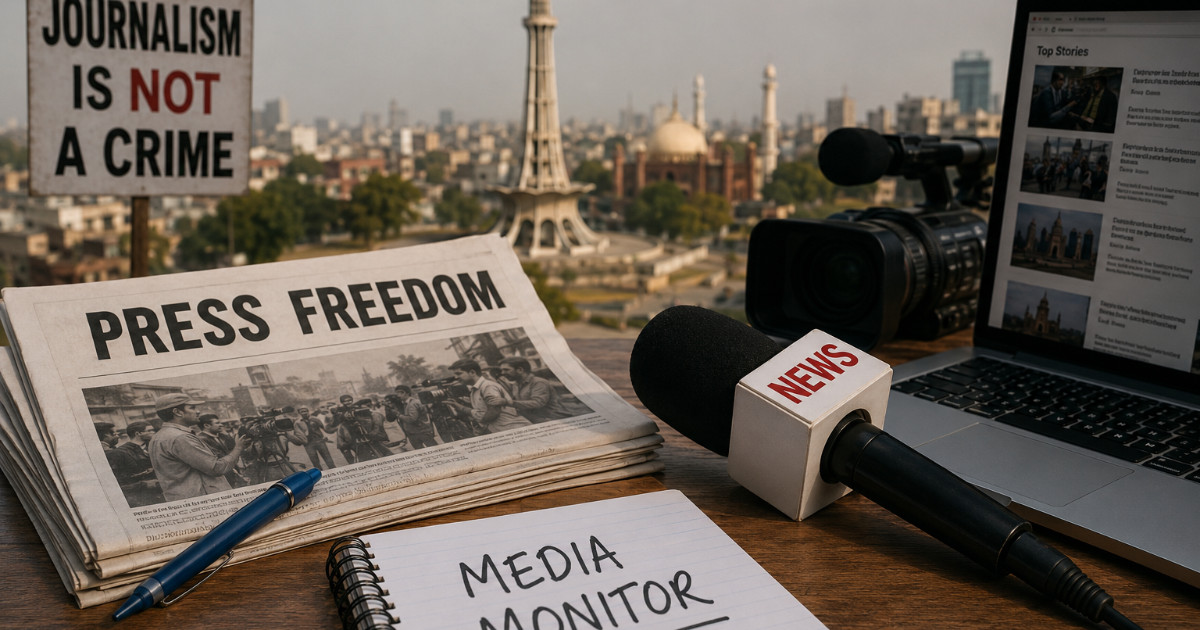
Press freedom is not a luxury; it is the foundation of democracy. It allows journalists to question power, uncover truth, and provide citizens with the information they need to make decisions. When criticism, commentary, or analysis is equated with terrorism, the very purpose of journalism is undermined. A society that punishes those who inform risks replacing debate with fear, and scrutiny with silence.
Chilling effects on Pakistan’s media
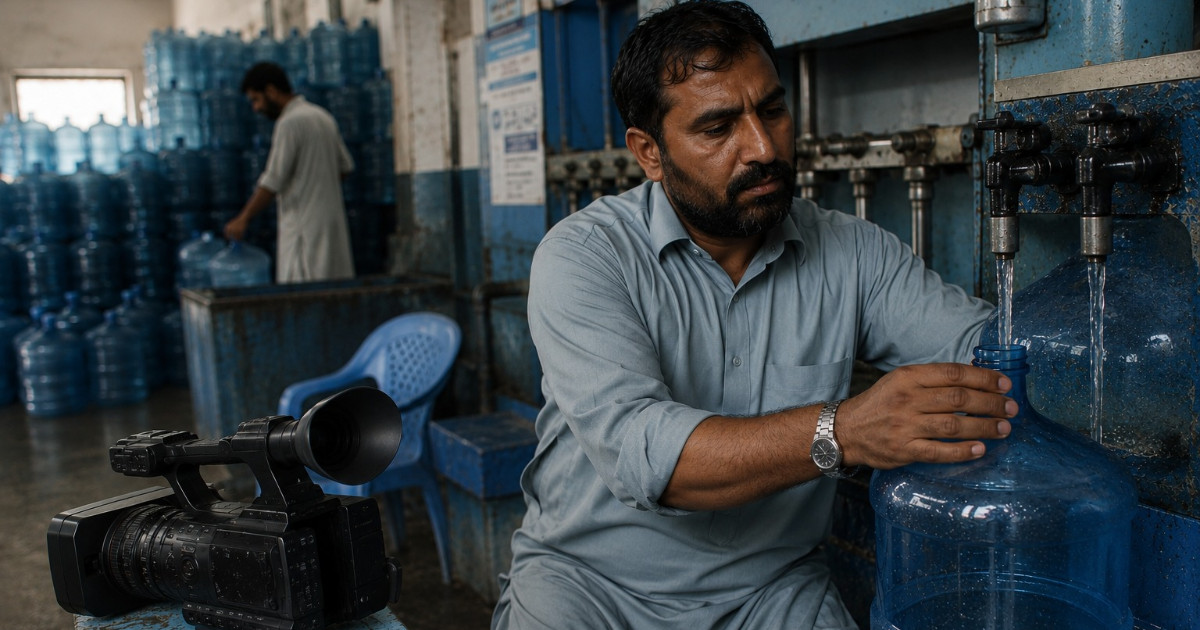
The implications for Pakistani media are profound. Young journalists and digital creators are watching closely. The message is clear: dissent, even in professional reporting, may carry the harshest consequences. Self-censorship becomes a survival strategy, investigative reporting contracts, and public discourse narrows. A nation that silences its journalists is a nation that dims its own light.
Global perspective on press freedom
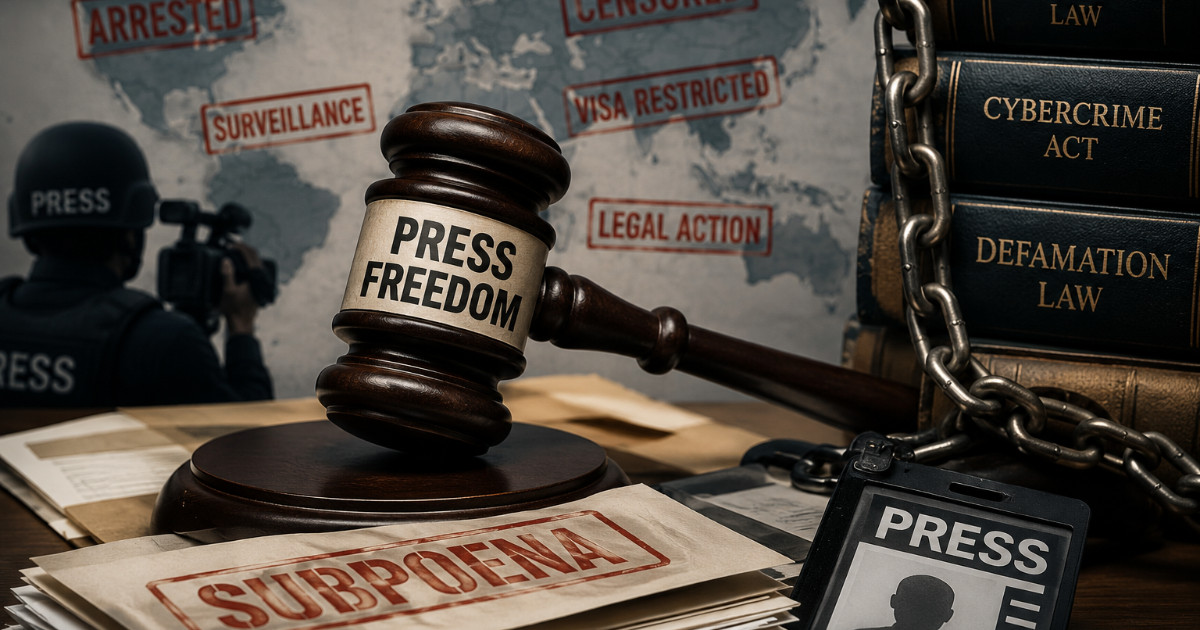
Looking globally, democratic societies recognize that a free press is inseparable from security and stability. Even when journalists critique institutions or government actions, courts rarely impose life sentences. Accountability and freedom can coexist; in Pakistan, the current approach risks turning scrutiny into a crime.
Defending the principle, not personalities
Defending press freedom is not about protecting celebrities of the news world. It is about defending the principle that an informed citizenry is essential to a resilient state. True security is built on transparency, dialogue, and public trust, not fear and repression. The future of Pakistani journalism, and by extension, the vibrancy of its democracy, depends on whether society allows journalists to operate without the threat of life-altering punishment.
A crossroads for Pakistan
The verdict in absentia against Shakir, Saeed, Sehbai, Pirzada, and others is a crossroads. Pakistan can either reaffirm its commitment to press freedom or set a precedent where fear dictates the boundaries of what can be reported and debated. If journalists are silenced, the country loses more than voices; it loses perspective, accountability, and the courage to confront uncomfortable truths. Press freedom is not negotiable. It is the measure of a nation’s maturity, resilience, and commitment to democratic values.
The future of journalism and democracy
In defending journalists today, Pakistan defends the right of every citizen to know, question, and challenge. The question is whether it will.
Key Points
- Prominent journalists sentenced to life over May 9, 2023, unrest reporting.
- They were once household names on Pakistani TV.
- Anti-terrorism laws applied to online content raise press freedom concerns.
- Verdict may lead to self-censorship and narrower public discourse.
- Press freedom is critical for democracy and accountability.
Relevant Topics
Ask AI: Understand this story your way
AI EnabledDig deeper, ask anything — get instant context, background, and clarity.
Disclaimer: This feature is powered by AI and is intended to help readers explore and understand news stories more easily. While we strive for accuracy, AI-generated responses may occasionally be incomplete or reflect limitations in the underlying model. This feature does not represent the editorial views of JournalismPakistan. For our full, verified reporting, please refer to the original article.