.png)
Three journalists killed in Gaza strike amid fragile ceasefire
JournalismPakistan.com | Published: 22 January 2026 | JP Middle East Desk
Join our WhatsApp channel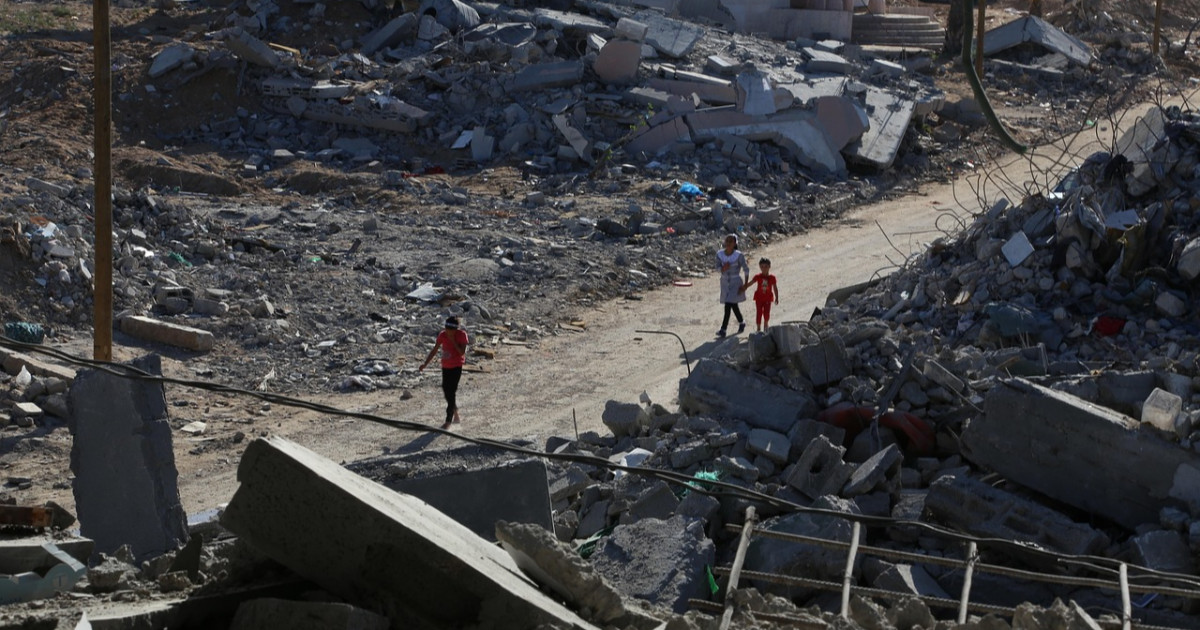
Three Palestinian journalists, Abed Shaat, Mohammad Qeshta and Anas Ghneim, were killed in a Gaza strike while documenting aid near a displacement camp; Israeli forces said they targeted suspected drone operators and press groups called for investigations.Summary
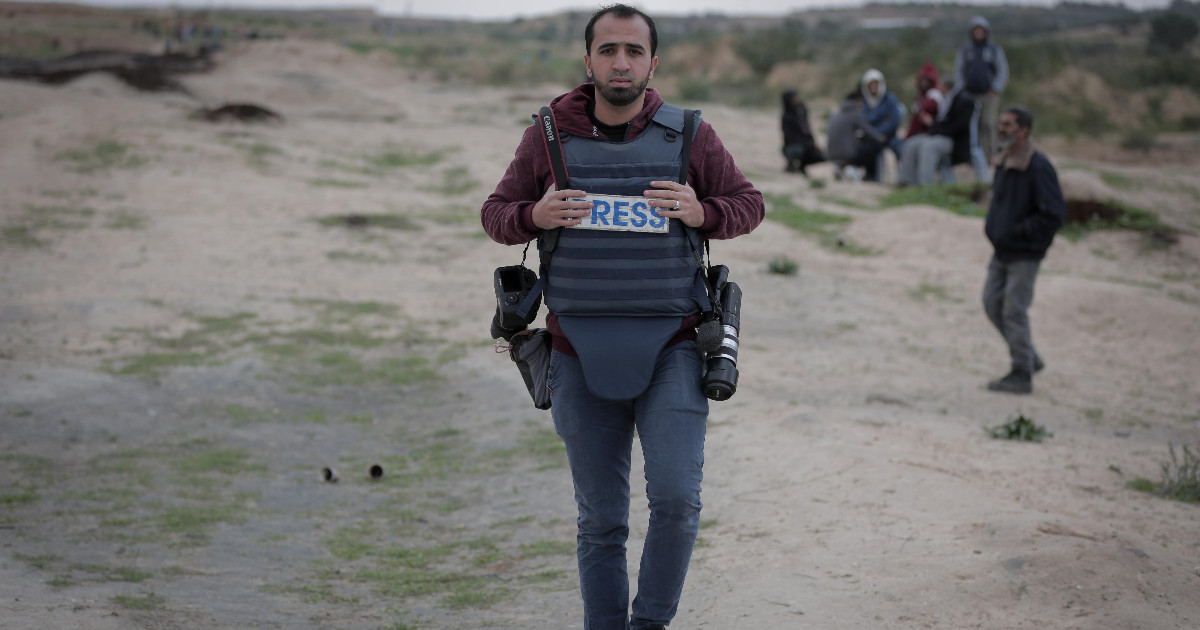
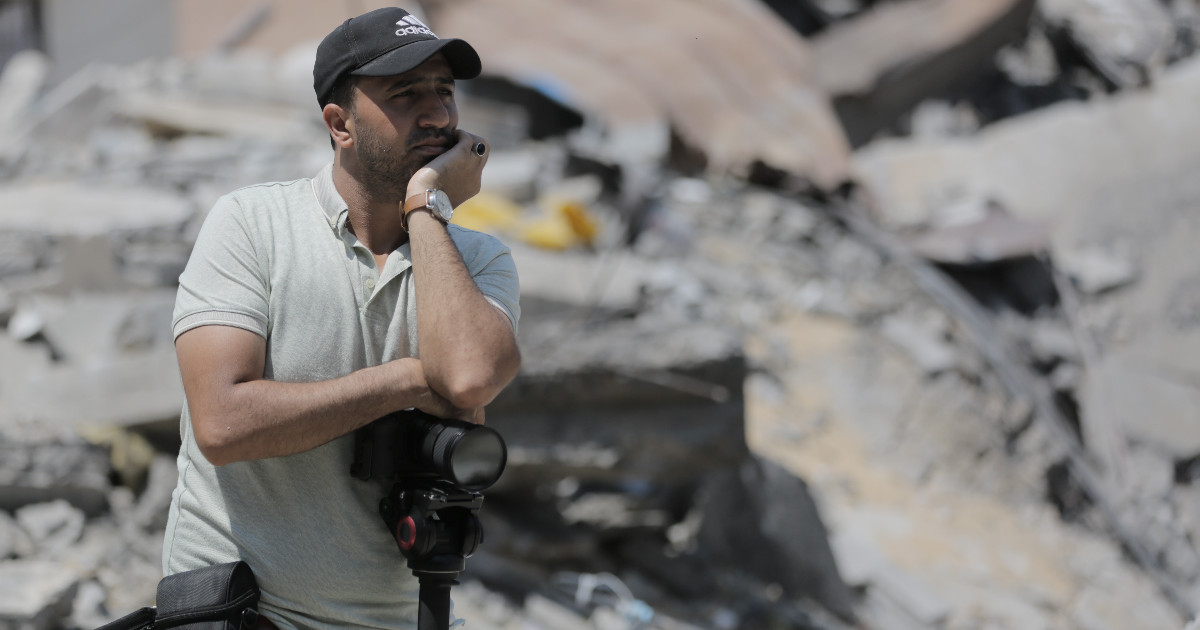
GAZA CITY — Israeli military actions in the Gaza Strip on January 21 resulted in the deaths of three Palestinian journalists in a strike that has renewed concerns about press safety in the conflict zone. Health officials and media watchdog groups reported that the journalists were killed while documenting humanitarian operations near a displacement camp, underscoring the extreme hazards facing local media workers amid ongoing hostilities.
The journalists have been named as Abed Shaat, Mohammad Qeshta, and Anas Ghneim. One of them, Abed Shaat, was a freelance cameraman who regularly contributed to CBS News and also worked with Agence France-Presse.
Among the broader casualties on the same day, at least 11 Palestinians were reported killed in Gaza, including two children, in what local health authorities described as one of the deadliest days since a U.S.-brokered ceasefire took effect in October 2025.
Circumstances of the strike and military statement
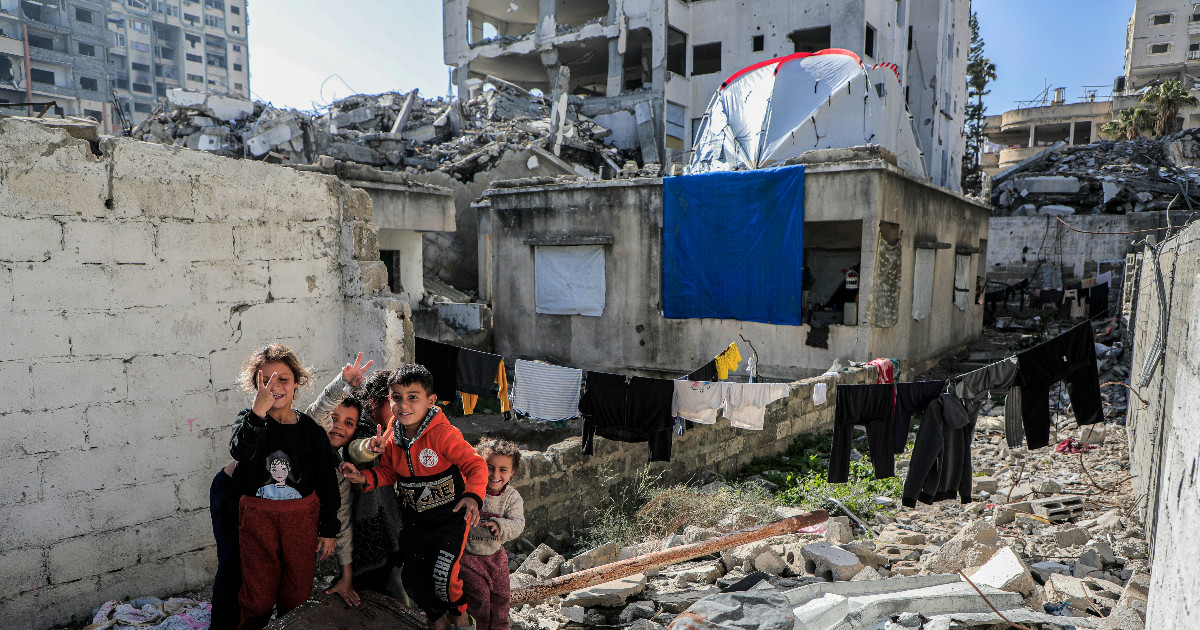
Israeli forces said the strike targeted individuals suspected of operating a drone affiliated with Hamas that they believed posed a threat to troops. The military’s characterization of the target has not been independently verified. The journalists were reportedly in a vehicle marked with the logo of the Egyptian Humanitarian Committee, on their way to film tent encampments set up for displaced people, when the strike occurred.
Impact on press freedom and reporting conditions
Local and international press freedom organizations, including the Committee to Protect Journalists, condemned the incident and called for a transparent investigation. They highlighted that more than 200 Palestinian journalists and media workers have been killed in Gaza since the latest conflict began in 2023, with several deaths occurring even after the ceasefire took effect in October.
The death of Shaat, who had been married just weeks before the incident and had filed reports from Gaza for international outlets under arduous conditions, has drawn international attention to the risks faced by local journalists. With Israel restricting access for many foreign journalists in Gaza, Palestinian media workers often serve as primary sources of on-the-ground reporting for global audiences.
The strike has intensified debates about the safety protocols and protections for journalists in conflict zones. Rights groups emphasize the need for clearer safeguards and accountability for attacks that result in journalist casualties, particularly during fragile ceasefires.
ATTRIBUTION: Story based on reporting from Reuters, The Washington Post, and Committee to Protect Journalists.
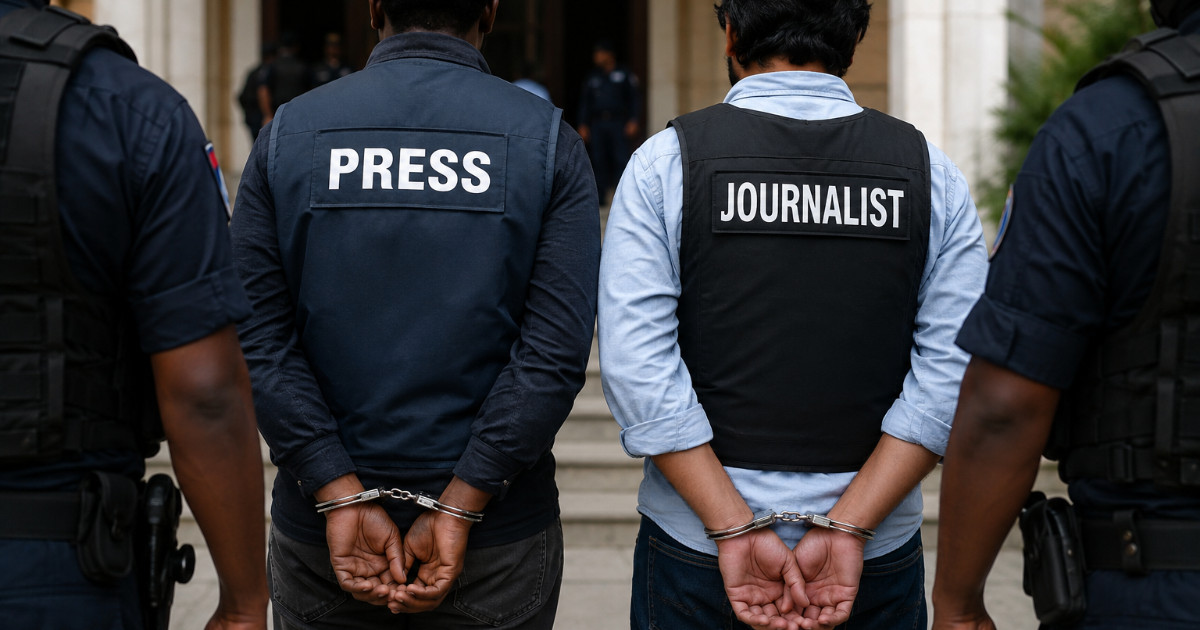
PHOTO:By badwanart0 from Pixabay
Key Points
- Three Palestinian journalists were killed while documenting humanitarian/aid operations near a displacement camp in Gaza.
- One victim, Abed Shaat, was a freelance cameraman who contributed to CBS News and worked with Agence France-Presse.
- The Israeli military said the strike targeted individuals suspected of operating a Hamas-affiliated drone.
- At least 11 Palestinians, including two children, were reported killed in Gaza on the same day amid the fragile post-ceasefire period.
- Local and international press freedom groups condemned the incident and called for independent investigations into the deaths.
Ask AI: Understand this story your way
AI EnabledDig deeper, ask anything — get instant context, background, and clarity.
Disclaimer: This feature is powered by AI and is intended to help readers explore and understand news stories more easily. While we strive for accuracy, AI-generated responses may occasionally be incomplete or reflect limitations in the underlying model. This feature does not represent the editorial views of JournalismPakistan. For our full, verified reporting, please refer to the original article.