
The newsroom, the center of it all
JournalismPakistan.com | Published: 10 May 2012 | Steve Manuel
Join our WhatsApp channel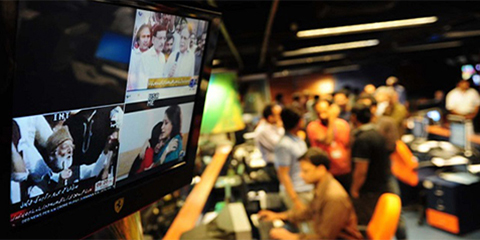
The writer compares newsrooms across Pakistan and abroad, arguing that while setups may look similar, their culture varies widely. He recalls Dubai TV’s professionalism, The Muslim’s energetic 1980s newsroom, and a dysfunctional experience at CNBC Pakistan.Summary
A newsroom never changes, I have been told. Maybe, a few alterations here and there, some upgrading, refurbishing…but basically almost everything stays the same and it doesn’t matter what part of the world it is in. I’ve been in a few newsrooms in my time in Pakistan and elsewhere and I would like to disagree.
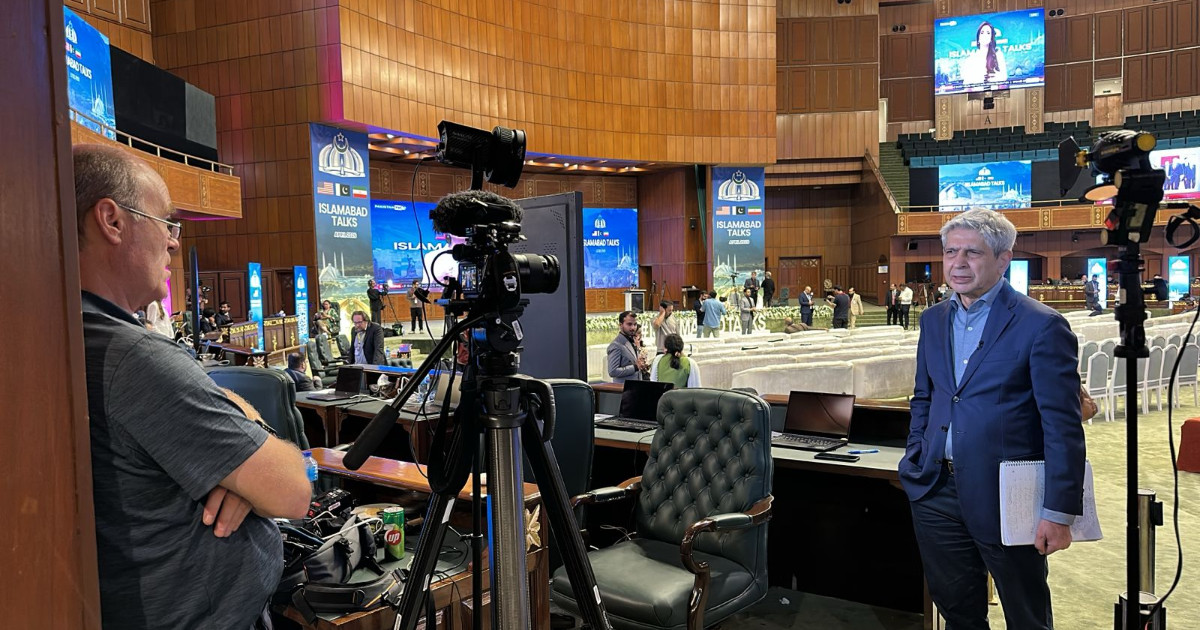
If you’re talking furniture, basic equipment and general newsroom staff hierarchy, then of course yes. But if you are talking about the nature of the beast, then it’s a big no. The best newsroom I have had the pleasure of working in was the Dubai TV newsroom in Media City, Dubai. It was simply amazing. Once a CNN crew from Atlanta came and I actually witnessed their collective jaws drop.
Housed under one massive roof with five open studios and state of the art equipment it was indeed impressive. With multiple booms, dozens of cameras, numerous editing suites, work stations and a producer’s station that would match a 777 or all its gadgetry, to work here was a dream come true.
And it were not just the surroundings that were amazing, but my boss, my colleagues, fellow workers and the prevailing professionalism and work ethic made this a fabulous overall experience. But was it the best newsroom I worked in? No. The best newsroom I worked in was dynamic, crowded, chaotic and crammed.
Sometimes it was hard to find a chair, but The Muslim newsroom was one of the most happening places in journalism back in the early eighties. It was a journalist’s newsroom. This newsroom took on an aura of its own once the clock struck 10 or thereabouts. The rush to get pages made and ensure all was okay before the newspaper finally went to bed was exhilarating if not intoxicating.
Even after the paper went to the printers the newsroom buzzed for a long while. What made this newsroom even more special was the caliber of people that worked in it; the giants of Pakistan journalism that walked through its doors and left their indelible imprint on it and on those learning the trade.
The worst was CNBC Pakistan which by far was as shambolic as it was steeped in office politics, intrigues and lacking direction. One was never quite sure which way to turn. Although stunning in its outlook and manned by some truly talented people, it failed to jell because of mismanagement, egos and lack of professional belief and production knowhow at the top. It was always a struggle.
There was never any integration of departments; individuals passed by each other like ships at sea. Totally depressing! Some newsrooms are impersonal and work is done quietly and indifferently. These places are cold in every way possible. How one works there has always mystified me; it’s just a dumping ground. Most newsrooms have a dominating character or two.
It’s how they dominate that matters and affects the rest of the individuals. Some people are quietly efficient, others charismatic and yet others loud and browbeating. The first and the second are inspiring, the last disruptive and usually worthless. However, it’s the devious and conspiratorial types that can turn any newsroom on its head and I have seen this happen twice.
The newsroom is not a nice place when things turn sour or when the boss is unsure of himself, is insecure or carries a chip on his shoulder or believes everybody is conspiring against him. A newsroom is usually only as strong as its leadership. My boss at Dubai TV, Ali Abdul Hamid, was the best I have worked for.
In his unassuming way he would let you know he was aware of what was happening and this is what kept the ship steady. He gave us independence but when needed led from the front. He and the rest of the newsroom had a very good relationship built on respect through professionalism and the knowledge that he knew his job.
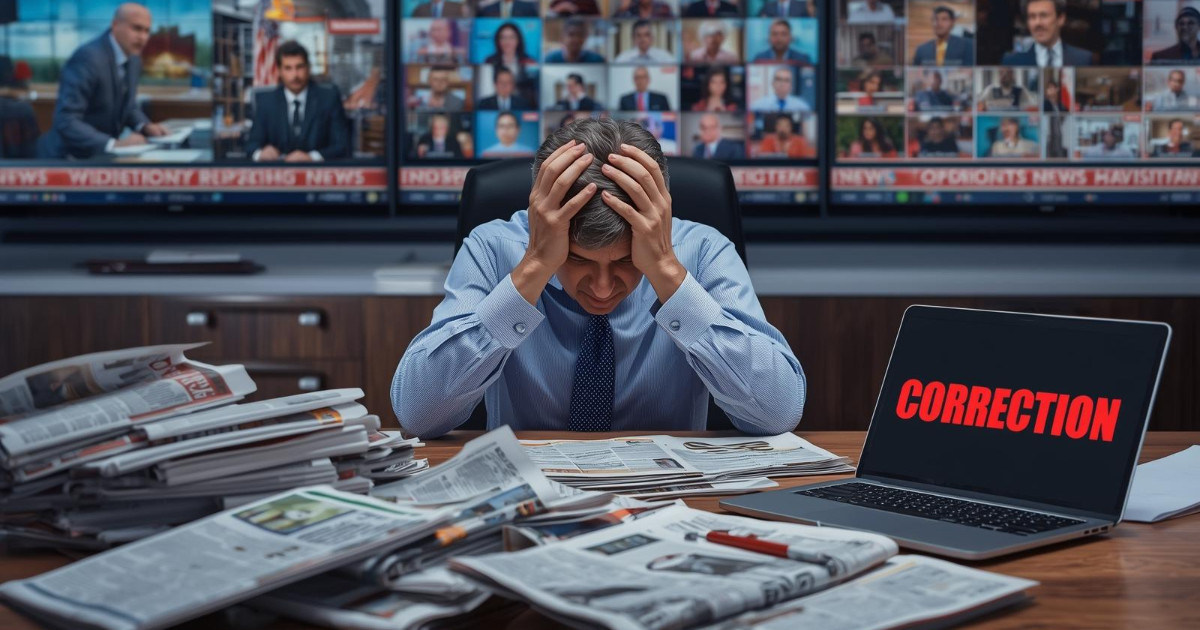
The best newsrooms are those that work as a team; the worst those that have prima donnas and self-doubting wimps trying to do what they don’t know how. The fact of the matter is the newsroom is the heart of all newspaper and television production. If it doesn’t or cannot work, then nothing else will.
What I love about newsrooms is when a new face arrives; the emotions on display make it worth the while being a journalist for whom, of course, the newsroom is home.
Key Points
- The article argues newsroom culture matters more than furniture, equipment, or hierarchy.
- Dubai TV in Media City is described as technologically advanced with strong leadership and professionalism.
- The Muslim newsroom in the early 1980s is portrayed as crowded, chaotic, and highly energizing for journalists.
- CNBC Pakistan is depicted as mismanaged, politicized, and lacking departmental integration.
- The writer concludes newsroom strength depends heavily on leadership style and workplace dynamics.
Relevant Topics
Ask AI: Understand this story your way
AI EnabledDig deeper, ask anything — get instant context, background, and clarity.
Disclaimer: This feature is powered by AI and is intended to help readers explore and understand news stories more easily. While we strive for accuracy, AI-generated responses may occasionally be incomplete or reflect limitations in the underlying model. This feature does not represent the editorial views of JournalismPakistan. For our full, verified reporting, please refer to the original article.