
Sohail Warraich’s column reappears on Jang website after removal sparks controversy
JournalismPakistan.com | Published: 24 August 2025 | JP Staff Report
Join our WhatsApp channel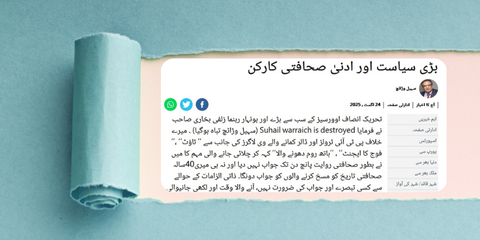
Veteran journalist Sohail Warraich's column has been restored on the Daily Jang website after its initial removal. The incident has sparked renewed discussions about press freedom and editorial choices in Pakistan.Summary
ISLAMABAD — Several hours after being taken down, veteran journalist Sohail Warraich’s column has reappeared on the Daily Jang website, reigniting debate over editorial decisions and press freedom. It is not clear how or why the piece was restored online, but since the print version remained available to readers all along, observers believe that may have contributed to its return.
The column, titled “Big Politics and a Petty Journalist Worker”, became the focus of attention after it was removed from Jang’s website just hours after publication on Sunday. In the piece, Warraich addressed a wave of criticism he has faced recently, particularly from PTI supporters and vloggers, who labeled him a “tout,” “army agent,” and even a “bathroom cleaner.” Despite the sustained campaign, Warraich said he had deliberately chosen not to respond to personal attacks:
“I have never responded to personal allegations, nor do I intend to. Time and history will make everything clear.”
The controversy began when one of Warraich’s earlier columns, reporting details of Army Chief Field Marshal Asim Munir’s interactions with the Pakistani diaspora in Brussels, was dismissed as “fake news” by military spokesperson Lt. Gen. Ahmad Sharif Chaudhry (DG ISPR).
In his most recent column, Faiz Aam, Warraich clarified several points in response to the accusations:
On DG ISPR’s rebuttal: Warraich said his earlier column contained nothing that Lt. Gen. Chaudhry had explicitly denied, suggesting the official statement may have stemmed from a misunderstanding.
On the “interview” claim: He emphasized that he never described the conversation as an “interview” or had a one-on-one meeting with the army chief.
On alleged off-record remarks: He insisted the discussions he reported on occurred publicly — first before an audience of around 800 people and later at a dinner table — and contained no mention of May 9, Imran Khan, or any apology.
On reconciliation: Warraich noted that he merely mentioned the army chief recited verses from the Holy Quran and their translation, and nothing further.
On contradictions: He dismissed claims of inconsistency, remarking: “Such a massive contradiction would not even be in a fasana (fictional tale).”
On accusations of bias: Reflecting on his 40-year career, he said different political camps — from General Zia-ul-Haq to Nawaz Sharif, Pervez Musharraf, and Imran Khan — had all accused him of bias at one time or another. “If publishing Zia’s remarks against Junejo, interviewing Nawaz Sharif in exile, or writing about Musharraf and later General Bajwa makes me guilty, then I accept this crime.”
Warraich concluded by saying that, in the end, “time will expose false claims, truths, and allegations. History will rule in journalism’s favor.”
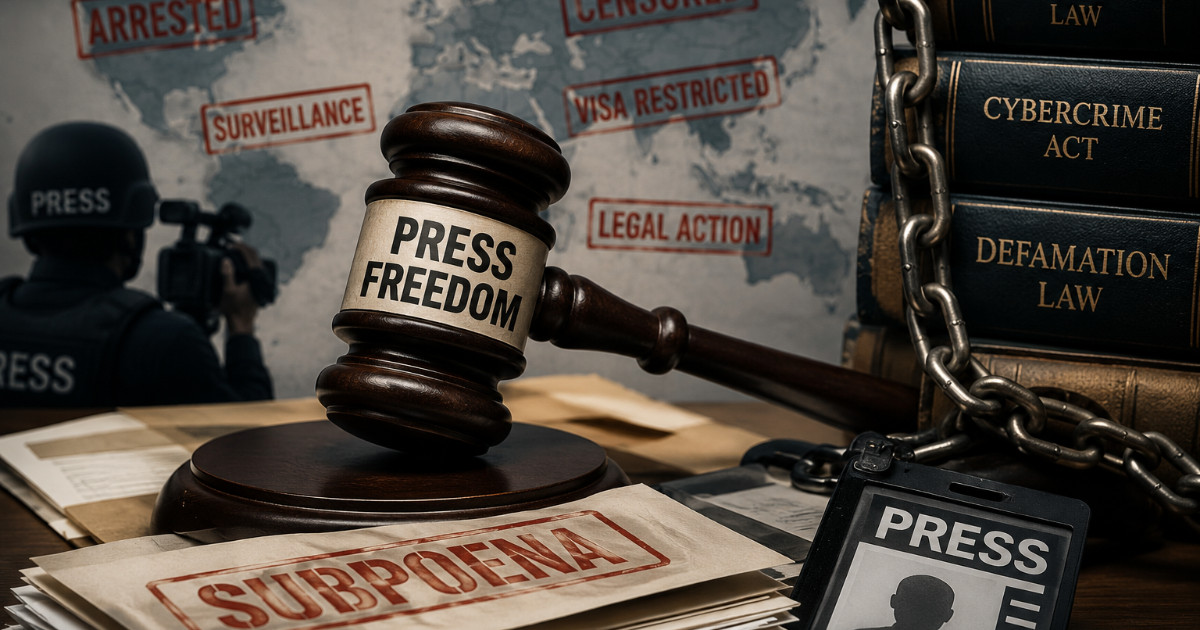
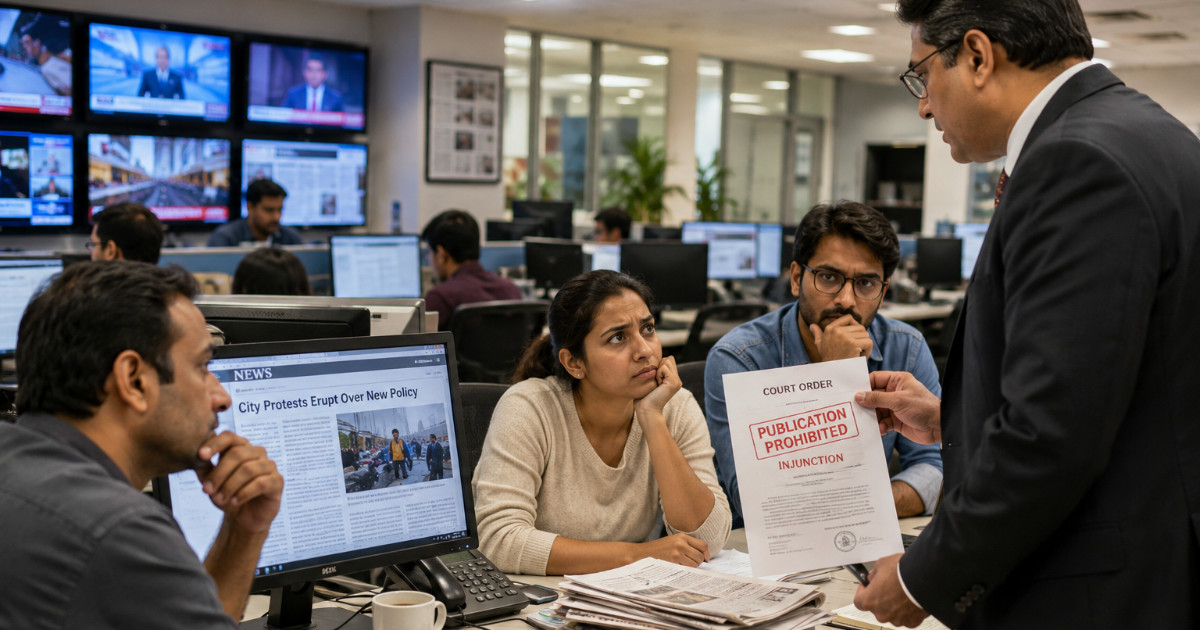
The initial removal of his column, followed now by its online reappearance, has raised fresh questions about editorial independence, digital censorship, and the pressures faced by Pakistani journalists covering sensitive issues.
Key Points
- Warraich's column was removed hours after publication and then restored.
- The article discussed criticism from PTI supporters and addressed personal allegations.
- Warraich clarified misunderstandings regarding his previous column about the Army Chief.
- The controversy reflects ongoing challenges faced by journalists in Pakistan.
- Warraich emphasized the importance of history in evaluating journalism.
Relevant Topics
Ask AI: Understand this story your way
AI EnabledDig deeper, ask anything — get instant context, background, and clarity.
Disclaimer: This feature is powered by AI and is intended to help readers explore and understand news stories more easily. While we strive for accuracy, AI-generated responses may occasionally be incomplete or reflect limitations in the underlying model. This feature does not represent the editorial views of JournalismPakistan. For our full, verified reporting, please refer to the original article.