
Radio Free Asia resumes Mandarin, Uyghur, Tibetan broadcasts to China
JournalismPakistan.com | Published: 18 February 2026 | JP Asia Desk
Join our WhatsApp channel
Radio Free Asia resumed Mandarin, Uyghur and Tibetan services into China via contracted private short- and medium-wave transmitters and online platforms to restore independent reporting into heavily censored regions. It follows restored USAGM funding.Summary
WASHINGTON — Radio Free Asia (RFA), the U.S.‑funded broadcaster that had largely ceased its China‑targeted operations after sharp funding cuts, has resumed its Mandarin, Tibetan, and Uyghur services into China via private transmitters and online platforms, its leadership said on Tuesday.
The move follows a bipartisan U.S. spending bill that restored funding to the U.S. Agency for Global Media (USAGM), which oversees RFA and other government‑funded outlets.
RFA’s president and CEO, Bay Fang, announced the resumption in a post on LinkedIn, saying the outlet is now “proud to have resumed broadcasting to audiences in China” in core languages that provide some of the few independent reporting streams into heavily censored regions. The resumption comes after a period in which the outlet’s grants were terminated, leading to mass layoffs and reduced services last year.
New transmission strategy fuels restart
The restart relies on contracting with private broadcasting services to deliver short‑ and medium‑wave transmissions, since direct satellite and government‑managed relay infrastructure has not been fully restored. RFA also continues to provide Mandarin content online while aiming to return to more robust radio airwaves in the future.
Bipartisan U.S. funding bill boosts media outreach
A bipartisan U.S. spending bill signed earlier this month allocated $653 million to USAGM, down from previous years but significantly more than the $153 million proposed to effectively close the agency. This funding helped enable the partial reinstatement of RFA’s broadcasts, though leadership said full network rebuilding still depends on sustained congressional appropriations.
China criticizes broadcasts as biased
China’s embassy in Washington criticized RFA’s resumption as biased, accusing the outlet of spreading “falsehoods” and calling for U.S. media to be more “objective and fair‑minded” in reporting on China and bilateral relations. Rights advocates counter that RFA plays a critical role in highlighting human rights abuses and providing news to audiences in regions with restricted information flows.
WHY THIS MATTERS: For Pakistani journalists and media organizations, RFA’s return underscores the strategic importance of external media flows into tightly controlled information environments and the impact of government funding decisions on independent journalism. The case highlights how diversified transmission strategies, including online and private broadcasting partnerships, can sustain news access when traditional funding and infrastructure are disrupted.
ATTRIBUTION: This story is based on reporting by Reuters.
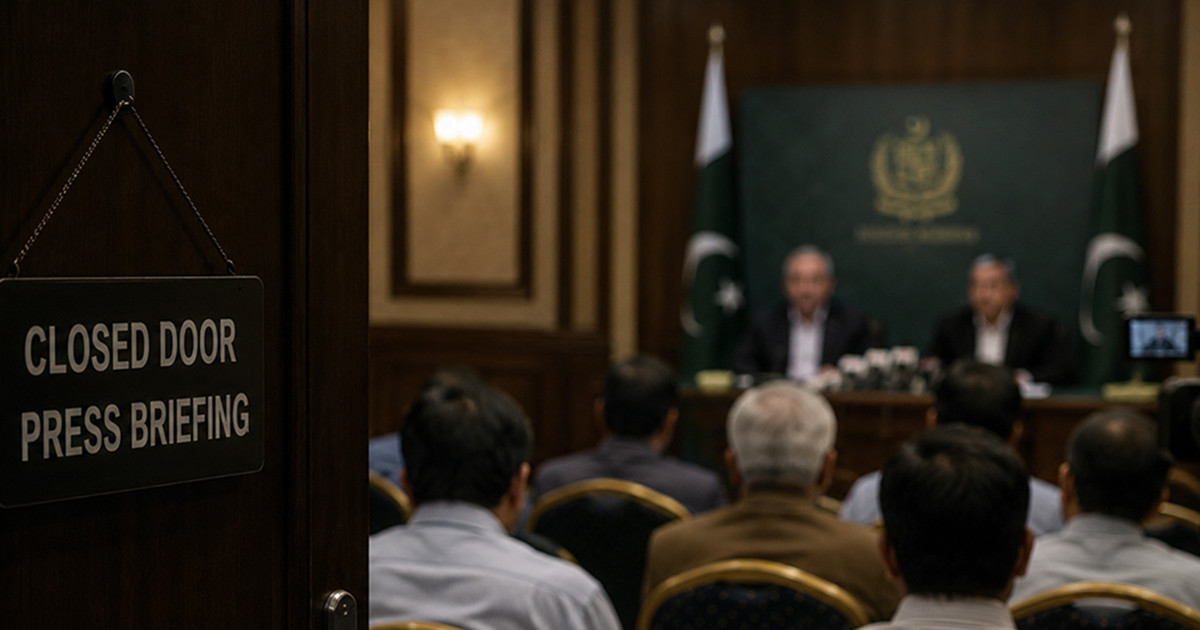
PHOTO: AI‑generated; for illustrative purposes only.
Key Points
- RFA has restarted Mandarin, Tibetan and Uyghur broadcasts targeted at audiences in China.
- The outlet is using contracted private short- and medium-wave transmitters alongside online platforms.
- The relaunch was enabled by a bipartisan U.S. spending bill that restored funding to USAGM.
- RFA previously reduced services after grants were terminated, leading to layoffs and cutbacks.
- The broadcaster aims to rebuild more robust radio airwaves while maintaining online Mandarin content.
Key Questions & Answers
Which languages has RFA resumed to China?
Radio Free Asia has resumed broadcasts in Mandarin, Uyghur and Tibetan.
How are the broadcasts being delivered?
RFA is contracting private short- and medium-wave transmitters and continuing to publish content on online platforms.
What prompted the restart of services?
The relaunch follows a bipartisan U.S. spending bill that restored funding to the U.S. Agency for Global Media (USAGM), enabling partial reinstatement of services.
Are RFA's services fully restored across all platforms?
Not yet; satellite and government-managed relay infrastructure has not been fully restored, and RFA says it aims to return to more robust airwaves over time.
Relevant Topics
Ask AI: Understand this story your way
AI EnabledDig deeper, ask anything — get instant context, background, and clarity.
Disclaimer: This feature is powered by AI and is intended to help readers explore and understand news stories more easily. While we strive for accuracy, AI-generated responses may occasionally be incomplete or reflect limitations in the underlying model. This feature does not represent the editorial views of JournalismPakistan. For our full, verified reporting, please refer to the original article.