.jpg)
Philippine journalist Frenchie Mae Cumpio convicted on terror charges
JournalismPakistan.com | Published: 22 January 2026 | JP Asia Desk
Join our WhatsApp channel
On Jan. 22 a Philippine court convicted community journalist Frenchie Mae Cumpio of terror financing, after nearly six years in detention without a prior conviction. Rights groups say the politically charged case threatens due process and press freedom.Summary
MANILA — A court in the Philippines on January 22 convicted community journalist Frenchie Mae Cumpio on charges related to terror financing, a ruling that has drawn condemnation from rights groups and press watchdogs who describe the case as a politically motivated attack on independent journalism.
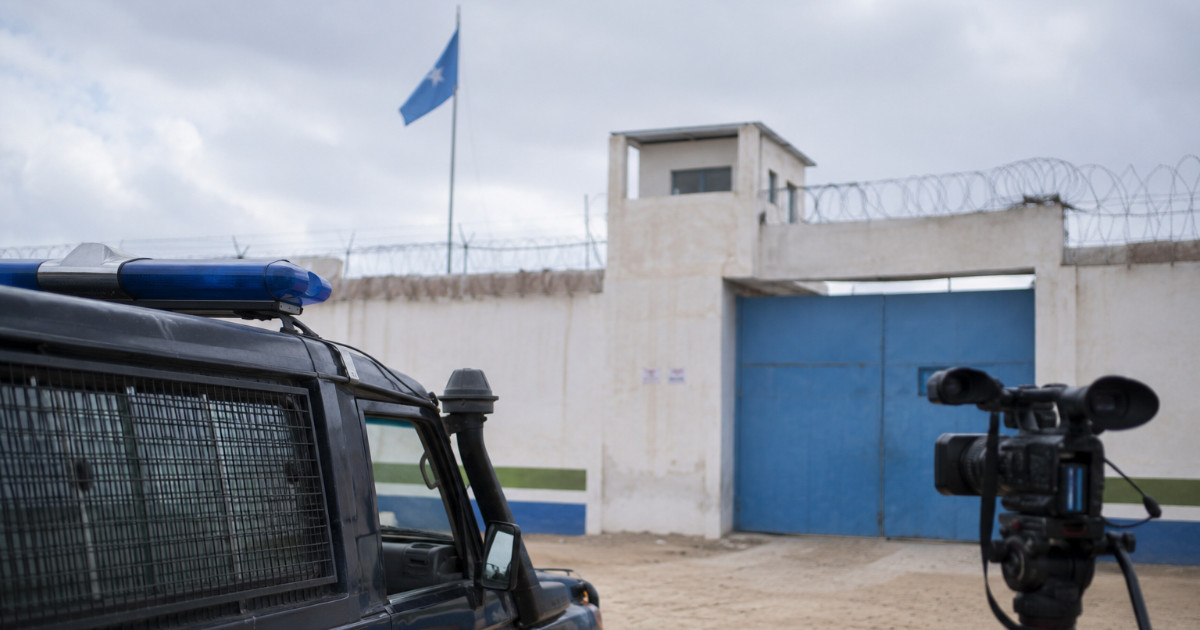
Cumpio, a reporter known for covering rural communities and land rights issues in the central Philippines, has been held in detention for nearly six years without a prior conviction. Press freedom advocates say the prolonged pretrial detention and the use of anti-terrorism laws against a journalist raise serious due process concerns.
Use of anti-terror laws against journalists
The conviction stems from charges filed under Philippine laws aimed at combating terrorism and its financing, legislation that has been criticized by legal experts and civil society groups for broad definitions and weak safeguards against abuse. Advocates argue that such provisions have increasingly been used against activists, community organizers, and media workers.
Supporters of Cumpio maintain that her reporting focused on marginalized sectors and alleged abuses in rural areas, work that placed her at risk amid an aggressive counterinsurgency environment. They say the case reflects a pattern in which journalists covering sensitive social and political issues are subjected to criminal prosecution.
Implications for due process and press freedom
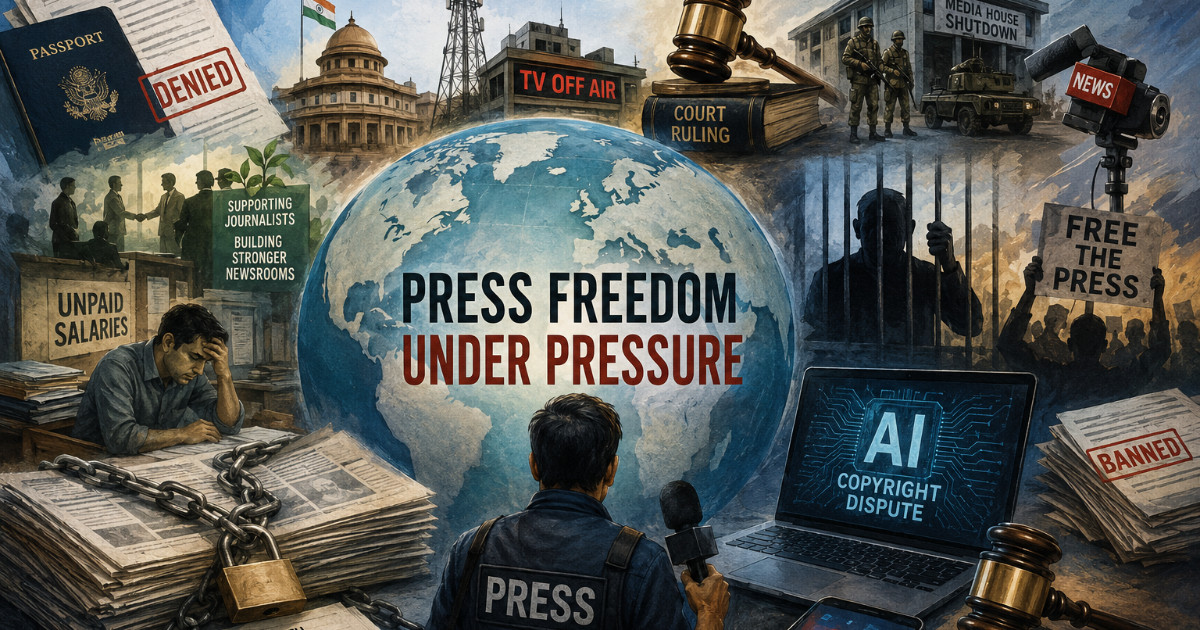
The ruling has intensified concerns about the state of press freedom in the Philippines, a country that has repeatedly ranked poorly in global press freedom indexes in recent years. Media groups warn that convictions under terrorism-related laws could have a chilling effect on investigative reporting, particularly outside major urban centers.
In Southeast Asia more broadly, press advocates note that similar legal tools have been used to restrict critical reporting, making the case closely watched by regional and international observers. They argue that safeguarding independent journalism is essential for accountability and democratic governance.
Cumpio faces potential prison time following the conviction, though details of sentencing were not immediately clear in publicly available court records. Her legal team has indicated that they will pursue available remedies under Philippine law.
ATTRIBUTION: Based on publicly available court rulings and statements from press freedom organizations and rights groups.
PHOTO: thenewslens.com/Neil Eco
Key Points
- Philippine court convicted Cumpio on Jan. 22 of terror financing.
- She had been detained nearly six years without a prior conviction.
- Charges were filed under anti-terrorism financing laws criticized for broad scope and weak safeguards.
- Rights groups and press watchdogs describe the case as politically motivated and condemn the ruling.
- Advocates warn the verdict undermines due process and press freedom, especially for reporters covering land rights and rural issues.
Relevant Topics
Ask AI: Understand this story your way
AI EnabledDig deeper, ask anything — get instant context, background, and clarity.
Disclaimer: This feature is powered by AI and is intended to help readers explore and understand news stories more easily. While we strive for accuracy, AI-generated responses may occasionally be incomplete or reflect limitations in the underlying model. This feature does not represent the editorial views of JournalismPakistan. For our full, verified reporting, please refer to the original article.