.png)
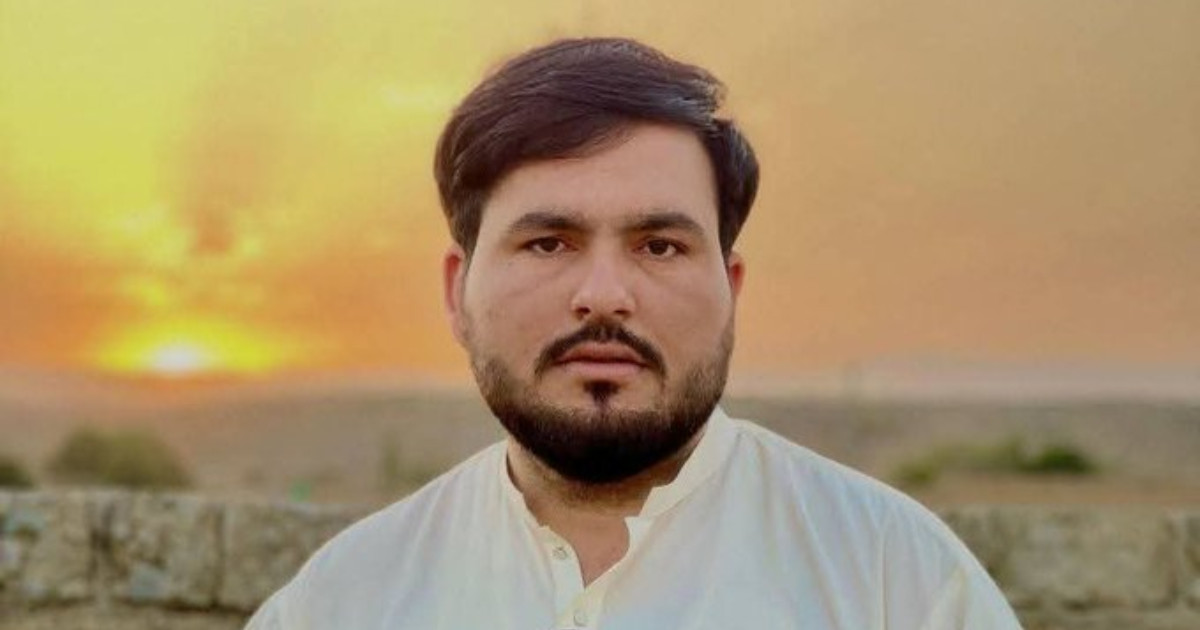
Journalist Sohrab Barkat released on bail
JournalismPakistan.com | Published: 18 June 2026 | JP Staff Report
Join our WhatsApp channel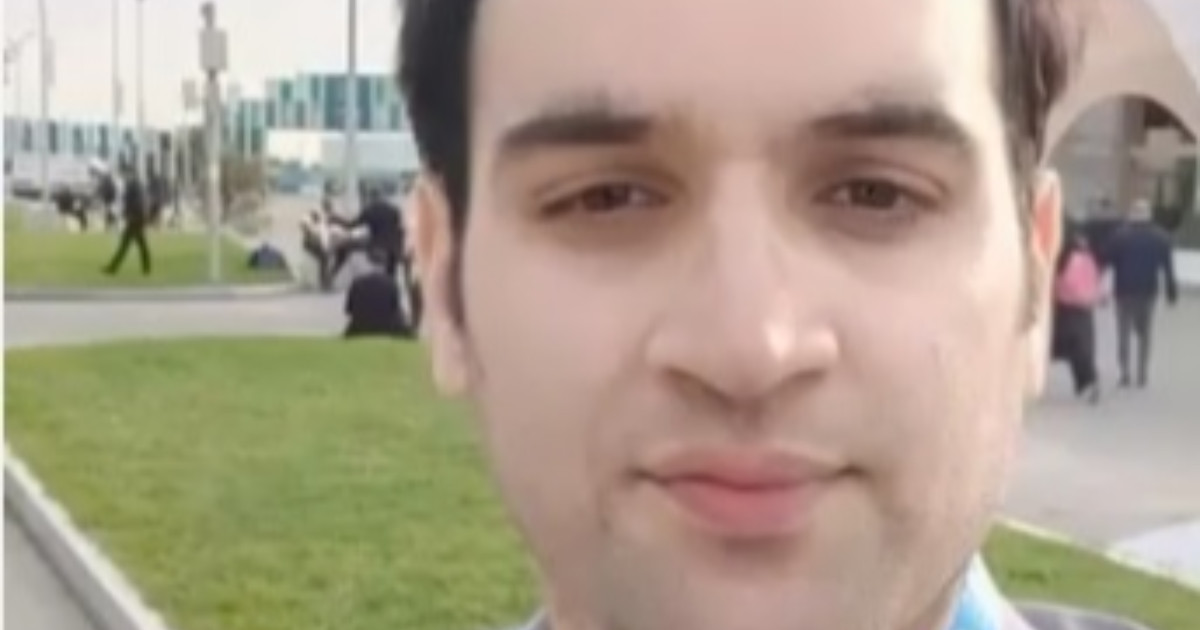
Journalist Sohrab Barkat was granted bail after 10 days in custody following his arrest under PECA over a YouTube report on Kashmir protests. The FIR said the video contained false information linked to JAAC and could provoke public unrest.Summary
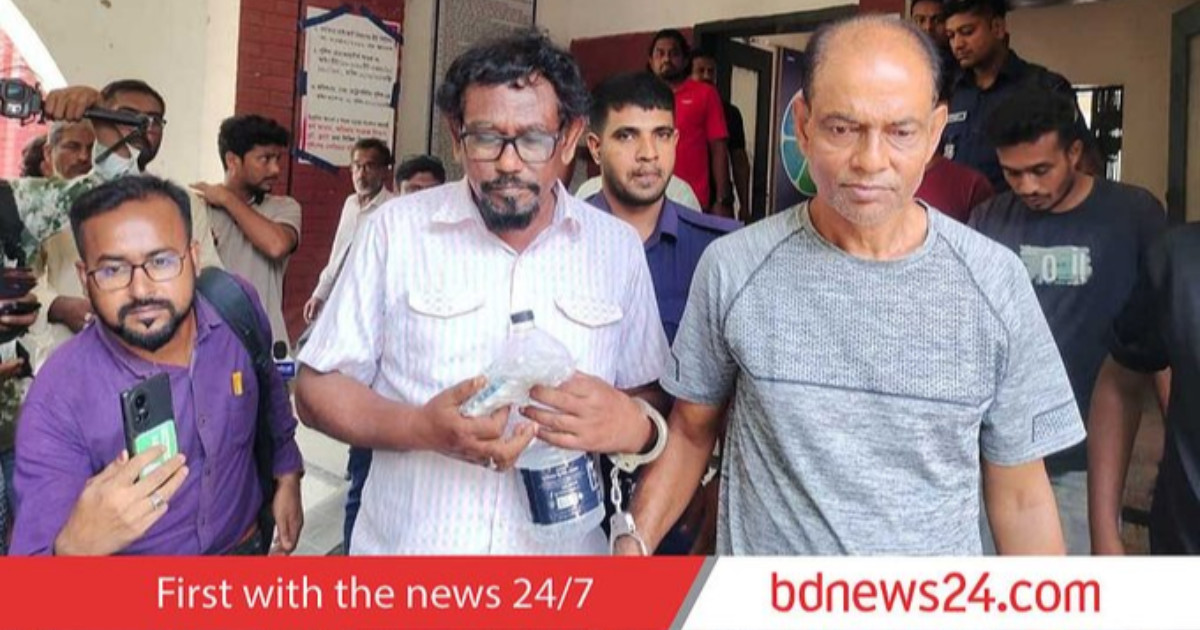
ISLAMABAD — Journalist Sohrab Barkat has been released on bail after spending 10 days in custody following his latest arrest under Pakistan's Prevention of Electronic Crimes Act (PECA), a development that has renewed concerns among press freedom advocates about the continued use of cybercrime laws against journalists.
Barkat was arrested at his home in Islamabad on June 5, 2026, after publishing reports on his YouTube channel about protests in Pakistan-administered Kashmir. He was granted bail on June 15.
Arrest linked to Kashmir protest coverage
According to the First Information Report (FIR), a YouTube video uploaded on June 5 allegedly contained false and misleading information, promoted the narrative of the Jammu Kashmir Joint Awami Action Committee (JAAC), and was likely to provoke public unrest, fear, panic, and disorder.
The case was registered under the provisions of PECA that criminalize the dissemination of information deemed false or misleading. If convicted, Barkat could face a prison sentence of up to three years.
Fresh case follows earlier detention
The latest arrest came only months after Barkat's release from an earlier period of detention that lasted more than 90 days and involved multiple FIRs, court proceedings, and bail hearings under PECA.
That earlier detention attracted attention from local and international press freedom organizations, which raised concerns about the repeated use of criminal proceedings against journalists and digital media commentators.
While the June arrest relates to a separate case, media rights advocates say it underscores the continuing legal pressures faced by journalists reporting on politically sensitive issues.
Debate over PECA continues
The case has also revived discussion about the scope and application of PECA, particularly provisions dealing with online content and misinformation.
Journalists' organizations and digital rights groups have argued that broadly worded provisions can be used to target reporters, commentators, and independent media outlets. Government officials, meanwhile, have defended the law as a necessary tool for addressing harmful online content and maintaining public order.
Barkat's release on bail does not end the legal proceedings against him, but it marks the latest development in a case being closely watched by media freedom advocates and journalists across Pakistan.
WHY THIS MATTERS: The case highlights the growing intersection between journalism, digital publishing, and cybercrime regulation in Pakistan. For journalists and media organizations increasingly relying on online platforms, the outcome may influence how reporters assess legal risks when covering contentious political and public-interest issues.
Key Points
- Sohrab Barkat arrested on June 5 over a YouTube report on Kashmir protests.
- He spent 10 days in custody and was granted bail on June 15.
- The FIR alleges the video contained false information and promoted JAAC's narrative.
- Case registered under PECA provisions criminalizing alleged false or misleading online content.
- Press freedom groups express concern about repeated use of cybercrime laws against journalists.
Key Questions & Answers
Why was Sohrab Barkat arrested?
Authorities say a YouTube video he published on June 5 contained false or misleading information and promoted the narrative of JAAC, which the FIR alleges could provoke public unrest; the case was filed under PECA.
When was Barkat released on bail?
He was granted bail on June 15 after spending 10 days in custody following his arrest.
What charges does he face and what penalties are possible?
The FIR invokes provisions of the Prevention of Electronic Crimes Act that criminalize dissemination of alleged false or misleading information; convictions under these sections can carry prison terms of up to three years.
How have media rights groups reacted?
Local and international press freedom advocates have raised concerns about the repeated use of PECA and other cybercrime provisions against journalists and digital commentators, saying it can chill reporting and commentary.
Relevant Topics
Ask AI: Understand this story your way
AI EnabledDig deeper, ask anything — get instant context, background, and clarity.
Disclaimer: This feature is powered by AI and is intended to help readers explore and understand news stories more easily. While we strive for accuracy, AI-generated responses may occasionally be incomplete or reflect limitations in the underlying model. This feature does not represent the editorial views of JournalismPakistan. For our full, verified reporting, please refer to the original article.